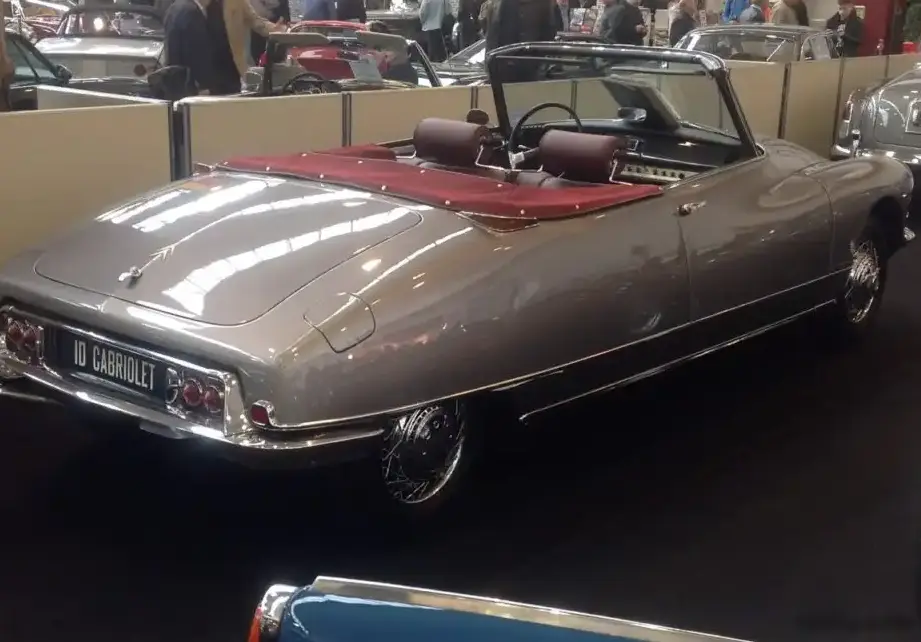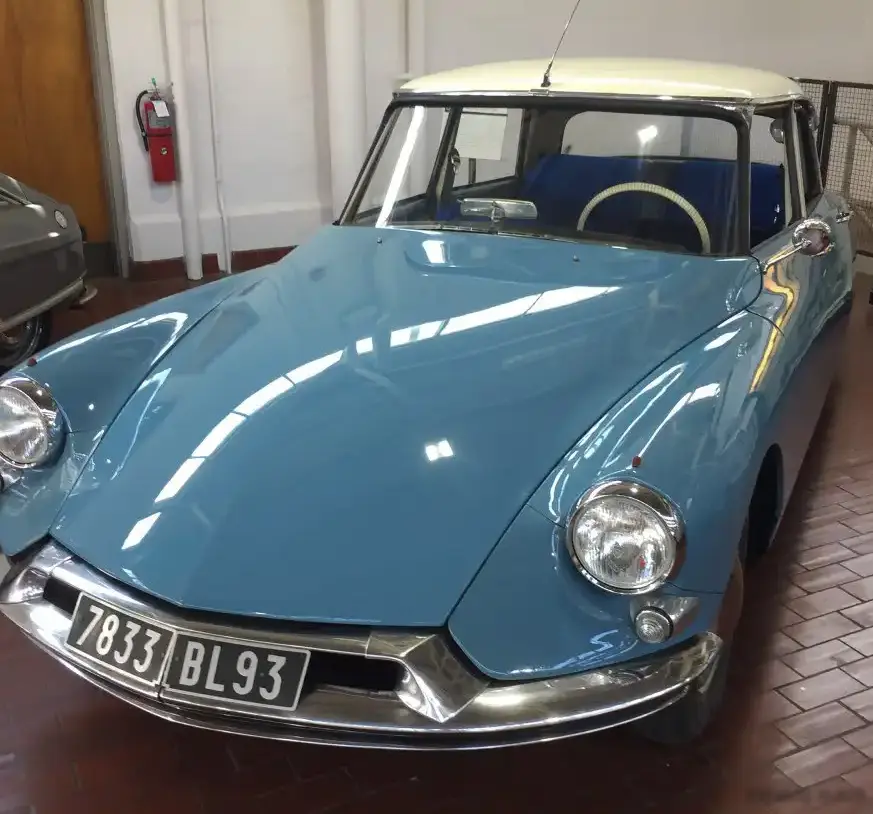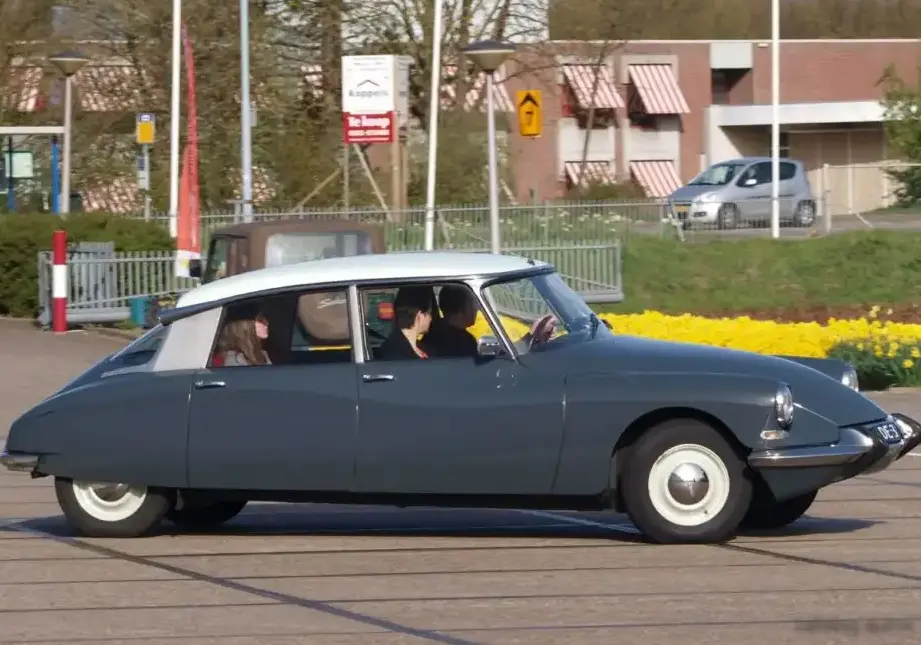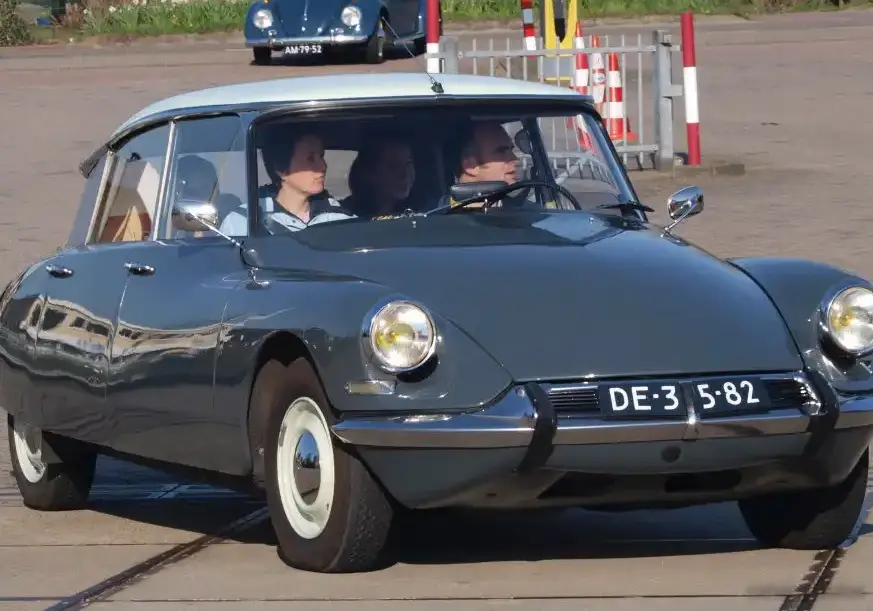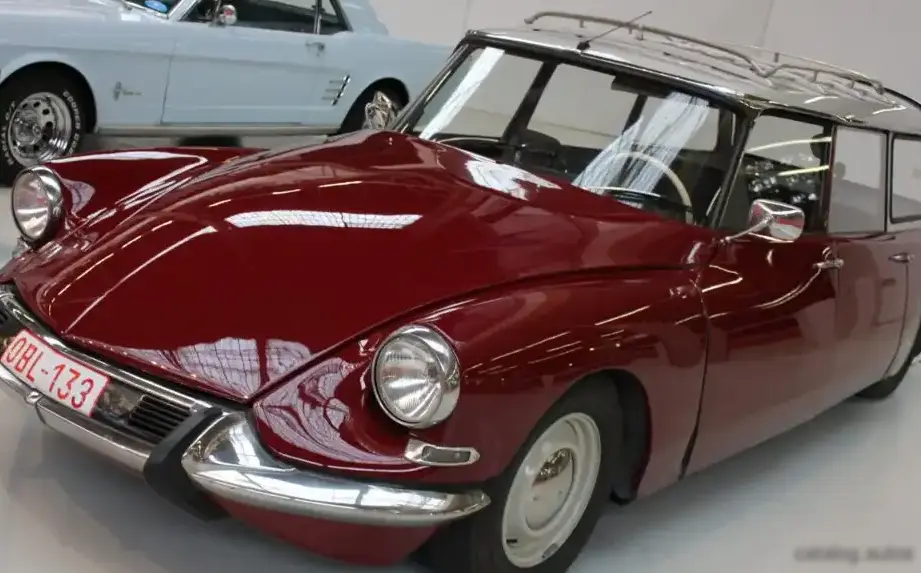
The Citroën ID II Break 19 F, produced between 1966 and 1967, represents a significant iteration within the broader Citroën ID series. Positioned as a practical and spacious family vehicle, the Break (estate/station wagon) body style offered increased cargo capacity compared to the saloon models. This variant, designated by the ‘19 F’ code and producing 84 horsepower, served as a mid-range offering within the ID II lineup, slotting between the lower-powered ID 19 and the more luxurious ID 20. It was built upon the foundation of Citroën’s innovative hydropneumatic suspension, a hallmark of the era, and aimed to provide a comfortable and distinctive driving experience.
Technical Specifications
| Brand | Citroen |
| Model | ID |
| Generation | ID II Break |
| Type (Engine) | 19 F (84 Hp) |
| Start of production | 1966 |
| End of production | 1967 |
| Powertrain Architecture | Internal Combustion engine |
| Body type | Station wagon (estate) |
| Seats | 7 |
| Doors | 5 |
| Fuel Type | Petrol (Gasoline) |
| Weight-to-power ratio | 16.5 kg/Hp, 60.4 Hp/tonne |
| Power | 84 Hp |
| Power per litre | 42.3 Hp/l |
| Engine Model/Code | B20700 |
| Engine displacement | 1985 cm3 |
| Engine displacement (cu. in.) | 121.13 cu. in. |
| Number of cylinders | 4 |
| Cylinder Bore | 86 mm |
| Cylinder Bore (in.) | 3.39 in. |
| Piston Stroke | 85.5 mm |
| Piston Stroke (in.) | 3.37 in. |
| Engine aspiration | Naturally aspirated engine |
| Coolant | 11 l (11.62 US qt | 9.68 UK qt) |
| Kerb Weight | 1390 kg (3064.43 lbs.) |
| Max. weight | 2000 kg (4409.25 lbs.) |
| Max load | 610 kg (1344.82 lbs.) |
| Length | 4990 mm (196.46 in.) |
| Width | 1790 mm (70.47 in.) |
| Height | 1530 mm (60.24 in.) |
| Wheelbase | 3125 mm (123.03 in.) |
| Front track | 1500 mm (59.06 in.) |
| Rear (Back) track | 1300 mm (51.18 in.) |
| Rear overhang | 885 mm (34.84 in.) |
| Minimum turning circle (turning diameter) | 11 m (36.09 ft.) |
| Drivetrain Architecture | The Internal combustion engine (ICE) drives the front wheels of the vehicle. |
| Drive wheel | Front wheel drive |
| Number of gears and type of gearbox | 4 gears, manual transmission |
| Front suspension | Hydro-pneumatic element, Double wishbone |
| Rear suspension | Hydro-pneumatic element, Trailing arm |
| Front brakes | Disc |
| Rear brakes | Disc |
| Steering type | Steering rack and pinion |
Powertrain & Engine Architecture
The Citroën ID II Break 19 F was powered by the B20700 engine, a 1.985-liter (121.13 cubic inches) inline-four cylinder petrol engine. This engine featured a naturally aspirated configuration and utilized a single overhead camshaft (SOHC) valvetrain. Fuel delivery was managed by a Solex carburetor, a common setup for the period. The engine produced 84 horsepower at a relatively low engine speed, prioritizing usability and torque over outright performance. The engine block was cast iron, providing durability, while the cylinder head was aluminum, contributing to weight reduction. The engine’s design emphasized smooth operation and refinement, characteristics valued by Citroën buyers.
Driving Characteristics
The 19 F, coupled with a four-speed manual transmission, offered a comfortable, if not particularly sporty, driving experience. The engine’s torque characteristics meant that it was reasonably flexible, capable of maintaining cruising speeds on relatively flat terrain without frequent gear changes. However, when fully loaded with passengers and luggage – a common scenario for a Break model – or tackling inclines, the engine could feel somewhat strained. The hydropneumatic suspension, a defining feature of Citroën vehicles, provided an exceptionally smooth ride, absorbing bumps and imperfections in the road surface with remarkable effectiveness. Steering was light and precise thanks to the rack and pinion system. Compared to the ID 20, the 19 F offered less outright power, resulting in slower acceleration and a lower top speed. However, it was generally considered more economical in terms of fuel consumption.
Equipment & Trim Levels
The ID II Break 19 F was generally equipped with a practical, though not lavish, level of standard features. Interior upholstery typically consisted of cloth, available in a range of colors. The dashboard layout was functional and straightforward, featuring a speedometer, fuel gauge, and other essential instruments. Optional extras included a radio, heated rear window, and upgraded upholstery materials. The Break body style inherently offered a large cargo area, accessible through a rear tailgate. The rear seats could be folded down to further increase cargo capacity. The 19 F trim level aimed to strike a balance between affordability and practicality, making it an appealing choice for families and those requiring a versatile vehicle.
Chassis & Braking
The ID II Break utilized Citroën’s renowned hydropneumatic suspension system on both the front and rear axles. This system employed self-leveling spheres and provided a remarkably comfortable ride quality. The front suspension featured a double wishbone configuration, while the rear utilized a trailing arm setup. Braking was provided by disc brakes on all four wheels, a relatively advanced feature for the mid-1960s. The steering system was a rack and pinion type, offering precise and responsive control. The chassis was designed to accommodate the vehicle’s weight and provide a stable platform for both passenger comfort and cargo carrying.
Market Reception & Comparison
The Citroën ID II Break 19 F was generally well-received by automotive critics and buyers alike. It was praised for its comfortable ride, spacious interior, and innovative hydropneumatic suspension. However, some critics noted that the engine lacked outright power, particularly when the vehicle was fully loaded. Compared to the ID 20, the 19 F offered a more affordable entry point into the ID range, but at the expense of performance. Fuel economy was considered reasonable for the period, though not exceptional. Reliability was generally good, although the complexity of the hydropneumatic suspension system could lead to occasional maintenance issues. The Break body style proved popular with families and those needing a versatile vehicle, contributing to the ID II’s overall success.
Legacy
The Citroën ID II Break 19 F, while not a high-performance vehicle, holds a significant place in automotive history as a representative of Citroën’s innovative engineering and commitment to comfort. The hydropneumatic suspension system remains a defining feature of the model and is still admired by enthusiasts today. In the used car market, these vehicles are sought after by collectors and Citroën aficionados. The B20700 engine, while relatively simple in design, proved to be durable and reliable, and many examples are still in running condition today. Maintenance can be challenging due to the specialized nature of the hydropneumatic system, requiring skilled technicians and access to appropriate parts. However, the unique driving experience and distinctive styling of the ID II Break 19 F continue to appeal to those seeking a classic and characterful automobile.