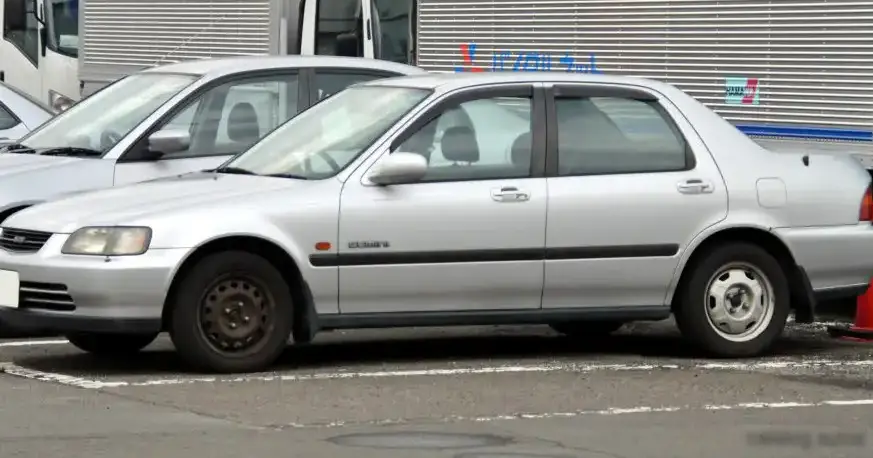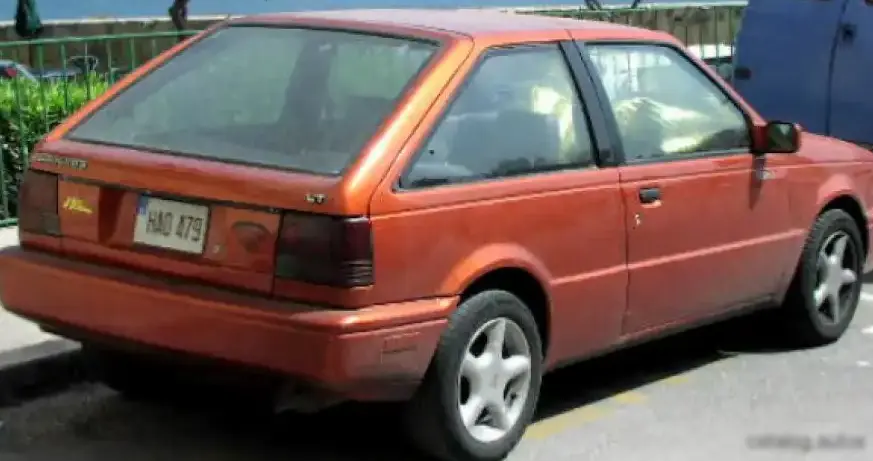
The Isuzu Gemini Hatchback 1.5 D, produced between 1988 and 1990, represents a specific variant within the broader Isuzu Gemini range. This model, characterized by its modest 50 horsepower diesel engine, was primarily aimed at the economy-focused segment of the European and Asian automotive markets. It served as an entry-level option within the Gemini lineup, offering basic transportation with an emphasis on fuel efficiency. The Gemini itself was a subcompact car, positioned to compete with vehicles like the Ford Fiesta, Opel Corsa, and Nissan Micra. This particular diesel hatchback variant was not officially sold in the United States, but examples have been imported over the years.
Technical Specifications
| Brand | Isuzu |
| Model | Gemini |
| Generation | Gemini Hatchback |
| Type (Engine) | 1.5 D (50 Hp) |
| Start of Production | 1988 |
| End of Production | 1990 |
| Powertrain Architecture | Internal Combustion Engine |
| Body Type | Hatchback |
| Fuel Type | Diesel |
| Power | 50 Hp |
| Engine Aspiration | Naturally Aspirated |
Powertrain & Engine Architecture
The Isuzu Gemini 1.5 D utilized a naturally aspirated diesel engine, displacing 1.5 liters. While the exact engine code varies depending on the specific market, it falls within the family of Isuzu diesel engines of the period. This engine was a relatively simple design, featuring indirect injection. Indirect injection diesel engines of this era typically employed pre-combustion chambers, where fuel was initially injected and ignited, then transferred to the main combustion chamber. This design contributed to quieter operation and reduced engine knock compared to direct injection systems, but at the cost of some efficiency. The engine featured a cast iron block and head, known for their durability. The valvetrain consisted of a single overhead camshaft (SOHC) operating two valves per cylinder. The 50 horsepower output was achieved at a relatively low engine speed, prioritizing torque over peak power. The engine was mated to a four or five-speed manual transmission, as an automatic transmission was not offered with this specific engine configuration. The drivetrain was front-wheel drive, a common configuration for subcompact hatchbacks of the late 1980s.
Driving Characteristics
The driving experience of the Isuzu Gemini 1.5 D was defined by its modest power output and focus on fuel economy. Acceleration was slow, particularly when fully loaded or climbing hills. The engine produced a usable amount of torque at low RPMs, making it adequate for city driving and everyday commuting. The manual transmission, while not particularly sporty, was light and easy to operate. The gear ratios were optimized for fuel efficiency, meaning that higher gears were engaged at lower speeds. Compared to gasoline-powered Gemini variants, the 1.5 D offered significantly better fuel economy but lacked the responsiveness and overall performance. The suspension was tuned for comfort rather than handling, providing a relatively soft ride. Steering was light and easy, making it maneuverable in urban environments. The overall driving experience was best described as practical and undemanding.
Equipment & Trim Levels
The Isuzu Gemini 1.5 D was typically offered in a base trim level, reflecting its position as the entry-level model. Standard equipment generally included basic steel wheels, vinyl or cloth upholstery, and a simple dashboard layout. Power steering was often an optional extra, as were features like a radio and electric windows. The interior was functional and utilitarian, with a focus on durability rather than luxury. The seats were relatively basic, providing adequate support for short to medium-distance journeys. The dashboard featured a speedometer, fuel gauge, and temperature gauge. Safety features were limited by the standards of the time, typically including seatbelts and a basic braking system. Optional extras could include upgraded upholstery, a sunroof, and a more comprehensive instrument cluster.
Chassis & Braking
The Isuzu Gemini Hatchback utilized a relatively simple chassis design. The front suspension consisted of MacPherson struts, while the rear suspension employed a torsion beam axle. This setup provided a reasonable balance between ride comfort and handling. The braking system was typically comprised of disc brakes on the front wheels and drum brakes on the rear wheels. The brakes were adequate for the vehicle’s weight and performance, but lacked the stopping power of more modern systems. The steering was rack and pinion, providing light and precise control. The chassis was relatively lightweight, contributing to the vehicle’s fuel efficiency. Stabilizer bars were often omitted from the base trim level to reduce cost.
Market Reception & Comparison
The Isuzu Gemini 1.5 D was generally well-received in markets where fuel economy was a primary concern. Critics praised its low running costs and reliability. However, its slow acceleration and basic interior were often criticized. Compared to other diesel-powered subcompacts of the time, the Gemini 1.5 D offered a competitive level of fuel efficiency and a reasonable price point. It was often seen as a more affordable alternative to gasoline-powered rivals. The gasoline-powered Gemini variants offered more performance but at the cost of increased fuel consumption. The 1.5 D appealed to buyers who prioritized practicality and economy over driving excitement.
Legacy
The Isuzu Gemini 1.5 D, while not a performance icon, has developed a reputation for reliability and durability. The simple diesel engine is known for its longevity, and many examples are still on the road today. In the used car market, these Geminis are often sought after by enthusiasts looking for a classic, fuel-efficient vehicle. Parts availability can be a challenge, but many components are still available through specialist suppliers. The Gemini 1.5 D represents a snapshot of automotive engineering from the late 1980s, a time when fuel efficiency and affordability were paramount. It remains a testament to Isuzu’s commitment to producing practical and reliable vehicles.