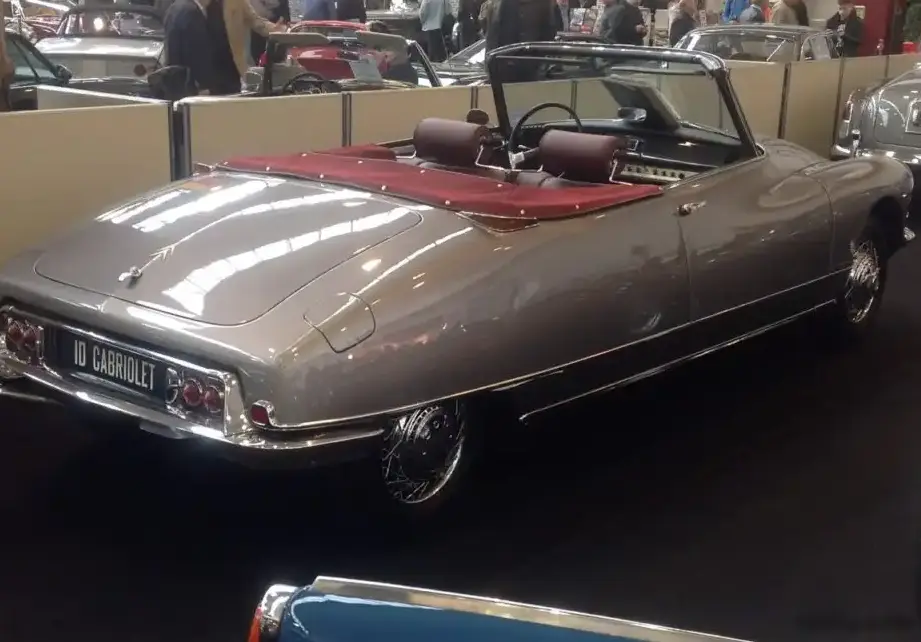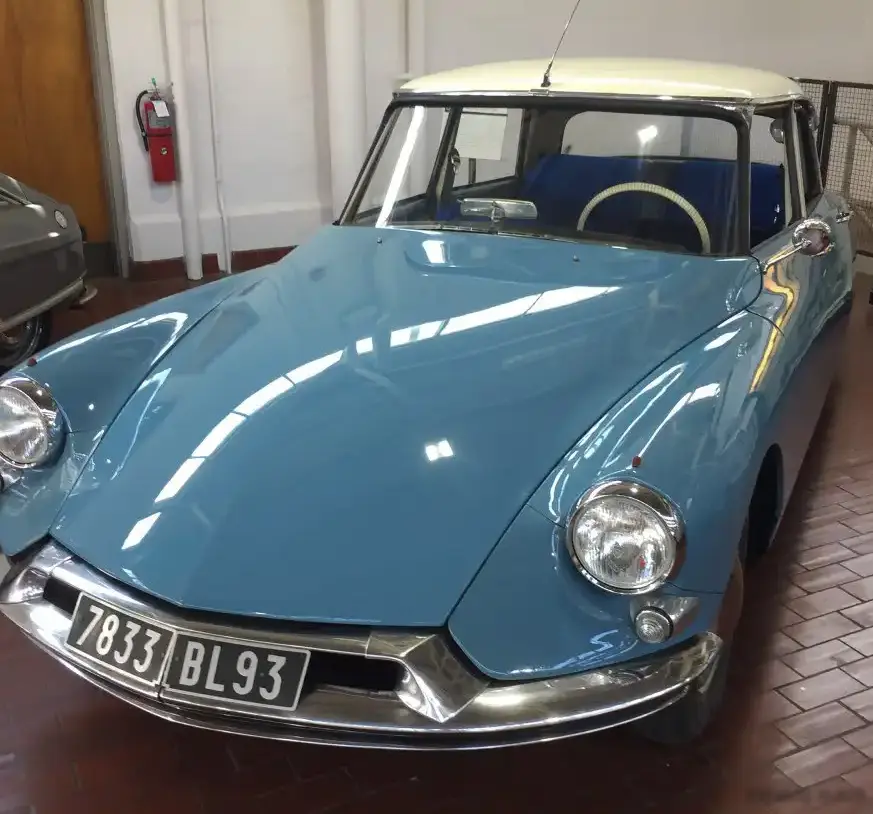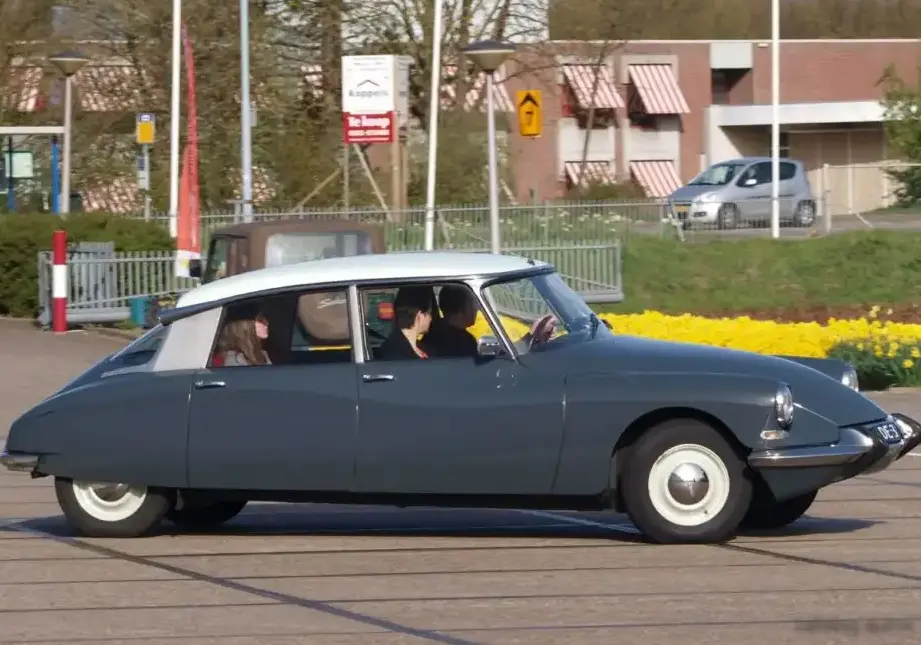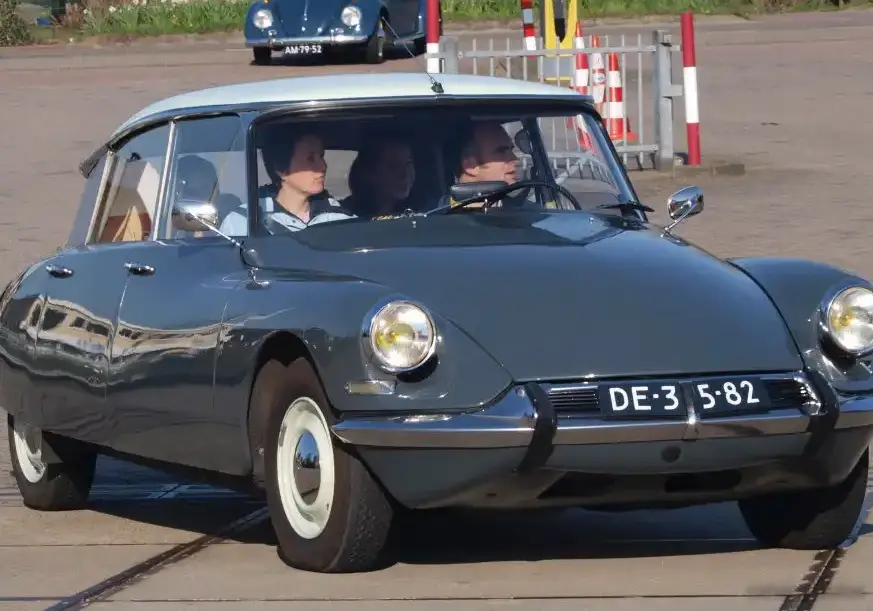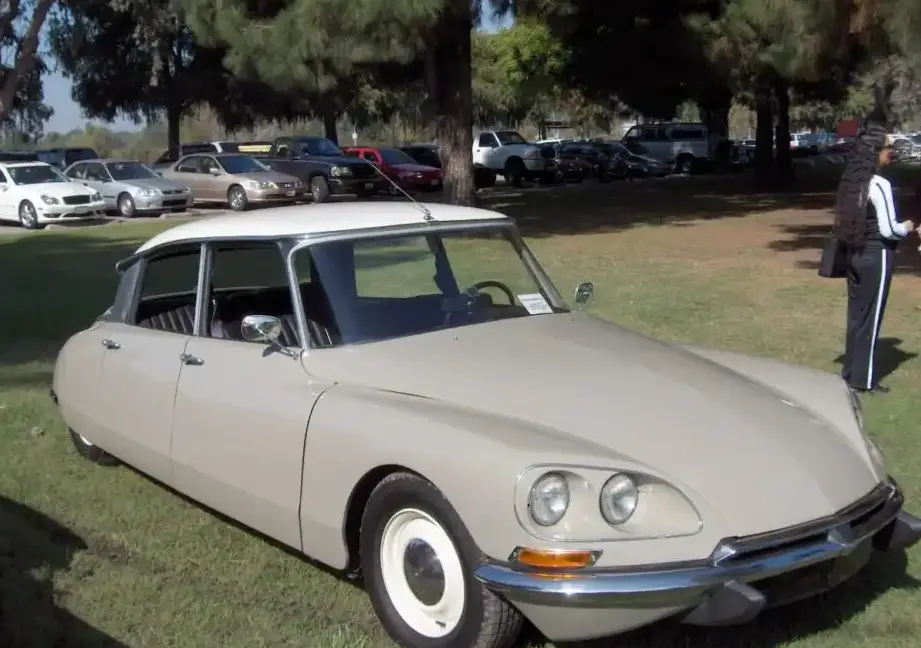
The Citroën ID 19, produced between 1969 and 1975, represents a significant iteration of the iconic Citroën ID series. Positioned as a mid-range offering within the broader ID lineup – which included the ID 16, ID 20, and the more luxurious DS models – the ID 19 aimed to provide a balance of comfort, practicality, and performance for the discerning European driver. It was built upon the foundation of the earlier ID series, inheriting the innovative hydropneumatic suspension system that defined Citroën’s engineering prowess. The ID 19 served as a popular choice for families and professionals seeking a spacious and technologically advanced sedan.
Technical Specifications
| Brand | Citroën |
| Model | ID |
| Generation | ID III |
| Type (Engine) | 19 (91 Hp) |
| Start of production | 1969 |
| End of production | 1975 |
| Powertrain Architecture | Internal Combustion engine |
| Body type | Sedan |
| Seats | 5 |
| Doors | 4 |
| Fuel Type | Petrol (Gasoline) |
| Maximum speed | 165 km/h (102.53 mph) |
| Weight-to-power ratio | 13.9 kg/Hp, 71.9 Hp/tonne |
| Weight-to-torque ratio | 9.2 kg/Nm, 108.3 Nm/tonne |
| Power | 91 Hp @ 5750 rpm |
| Power per litre | 45.8 Hp/l |
| Torque | 137 Nm @ 3000 rpm (101.05 lb.-ft. @ 3000 rpm) |
| Engine displacement | 1985 cm3 (121.13 cu. in.) |
| Number of cylinders | 4 |
| Engine configuration | Inline |
| Cylinder Bore | 86 mm (3.39 in.) |
| Piston Stroke | 85.5 mm (3.37 in.) |
| Fuel injection system | Carburettor |
| Engine aspiration | Naturally aspirated engine |
| Engine oil capacity | 4.5 l (4.76 US qt | 3.96 UK qt) |
| Kerb Weight | 1265 kg (2788.85 lbs.) |
| Fuel tank capacity | 65 l (17.17 US gal | 14.3 UK gal) |
| Length | 4870 mm (191.73 in.) |
| Width | 1800 mm (70.87 in.) |
| Height | 1470 mm (57.87 in.) |
| Wheelbase | 3125 mm (123.03 in.) |
| Front track | 1500 mm (59.06 in.) |
| Rear track | 1300 mm (51.18 in.) |
| Minimum turning circle | 11 m (36.09 ft.) |
| Drivetrain Architecture | The Internal combustion engine (ICE) drives the front wheels of the vehicle. |
| Drive wheel | Front wheel drive |
| Number of gears | 4 gears, manual transmission |
| Front suspension | Hydro-pneumatic element, Double wishbone |
| Rear suspension | Hydro-pneumatic element, Trailing arm |
| Front brakes | Disc |
| Rear brakes | Disc |
| Steering type | Steering rack and pinion |
Powertrain & Engine Architecture
The heart of the ID 19 is its 1985cc inline-four cylinder engine. This engine, typically designated with engine codes like M110, is a naturally aspirated unit employing a single overhead camshaft (SOHC) valvetrain. Fuel delivery is managed by a Solex or Weber carburetor, a common setup for the era. The engine produces 91 horsepower at 5750 rpm and 137 Nm (101 lb-ft) of torque at 3000 rpm. The engine’s design prioritized smooth operation and reasonable fuel economy over outright performance. The ID 19 was typically equipped with a four-speed manual transmission, although a three-speed automatic transmission was offered as an option. The automatic, while providing convenience, did noticeably impact acceleration and fuel consumption.
Driving Characteristics
The ID 19, with its 91 hp engine and manual transmission, offered a comfortable and relaxed driving experience. Acceleration was adequate for highway cruising and city driving, but it wasn’t a particularly sporty vehicle. The four-speed manual gearbox provided precise control, allowing drivers to make the most of the engine’s powerband. The automatic transmission, while convenient, resulted in slower acceleration and a less engaging driving experience. The car’s defining characteristic, however, was its ride quality. The hydropneumatic suspension system absorbed bumps and imperfections in the road with remarkable ease, providing a smooth and comfortable ride for both driver and passengers. Steering was light and precise, thanks to the rack and pinion system.
Equipment & Trim Levels
The ID 19 was generally well-equipped for its time, offering a comfortable and practical interior. Standard features included comfortable cloth seats, a wood-trimmed dashboard, and a comprehensive instrument panel. The interior was spacious, providing ample headroom and legroom for passengers. Optional extras included leather upholstery, a sunroof, and a radio. The ID 19’s trim level was generally considered mid-range within the Citroën lineup. It offered more features and refinement than the base ID 16, but lacked the luxurious appointments of the DS models.
Chassis & Braking
The ID 19’s chassis featured independent suspension on all four wheels, utilizing Citroën’s innovative hydropneumatic system. This system employed self-leveling suspension, maintaining a consistent ride height regardless of load. The front suspension utilized a double wishbone configuration, while the rear suspension employed a trailing arm design. Braking duties were handled by disc brakes on all four wheels, providing effective stopping power. The steering system was a rack and pinion setup, offering precise and responsive steering.
Market Reception & Comparison
The Citroën ID 19 was well-received by critics and buyers alike. It was praised for its comfortable ride, spacious interior, and innovative technology. Compared to its siblings, the ID 19 offered a good balance of performance and economy. The ID 16, with its smaller engine, was less powerful but more fuel-efficient. The ID 20, with its larger engine, offered more performance but at the expense of fuel economy. The DS models, while more luxurious, were significantly more expensive. The ID 19’s automatic transmission option was criticized for its sluggish performance and reduced fuel economy compared to the manual version.
Legacy
The Citroën ID 19 remains a popular classic car today, appreciated for its unique design, innovative technology, and comfortable ride. The 1985cc engine, while not particularly powerful, is generally considered reliable and relatively easy to maintain. The hydropneumatic suspension system, however, requires specialized knowledge and maintenance. Parts availability can be a challenge, but a dedicated network of Citroën enthusiasts and specialists exists to support owners. The ID 19’s enduring appeal lies in its ability to provide a unique and rewarding driving experience, offering a glimpse into Citroën’s golden age of automotive innovation. Well-maintained examples command a respectable price in the classic car market, reflecting their historical significance and enduring charm.