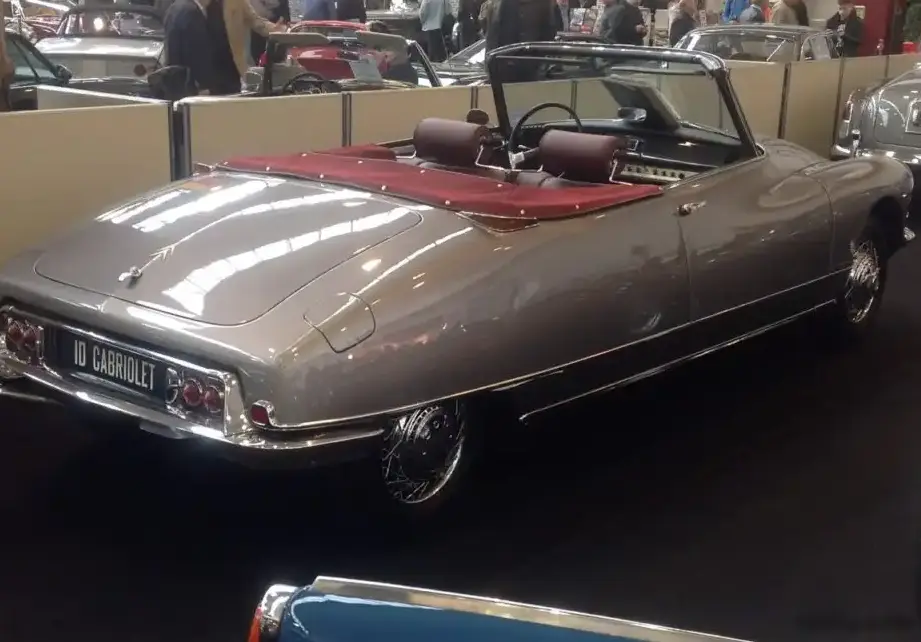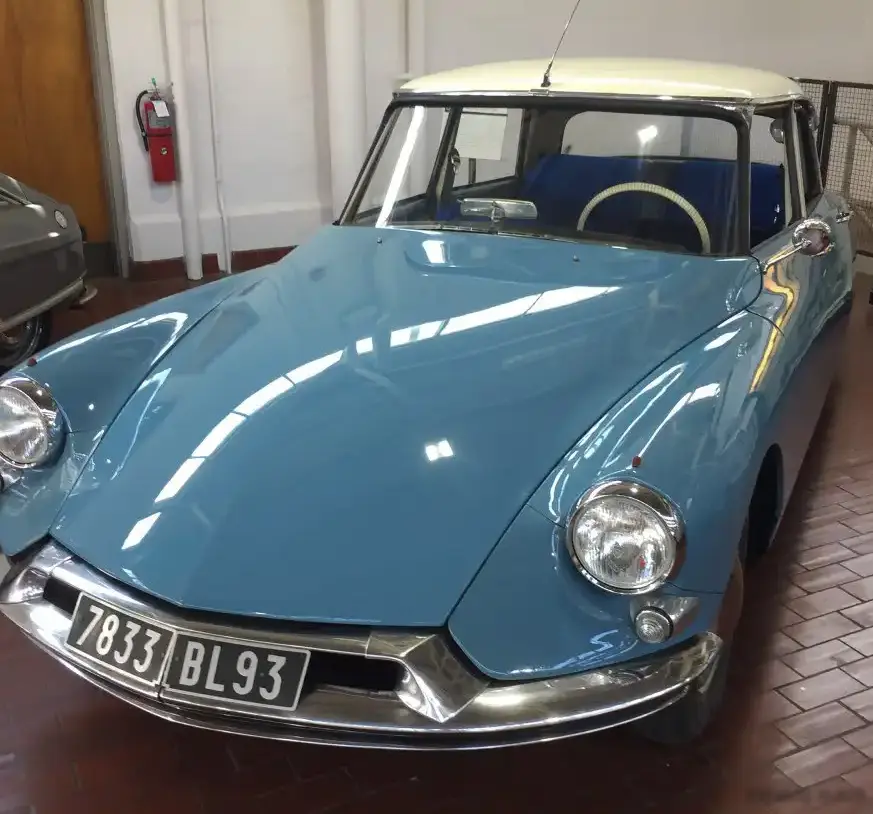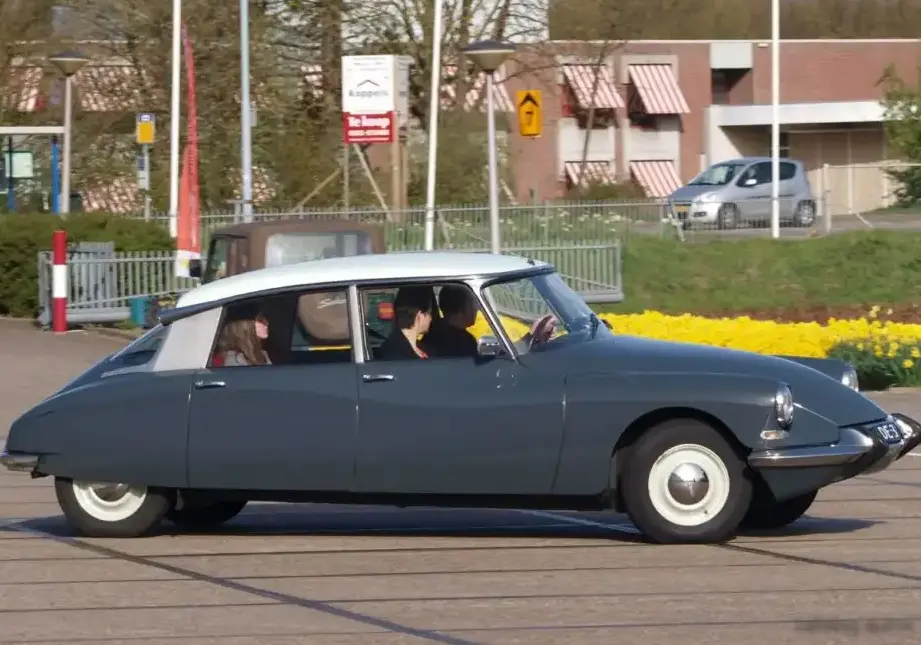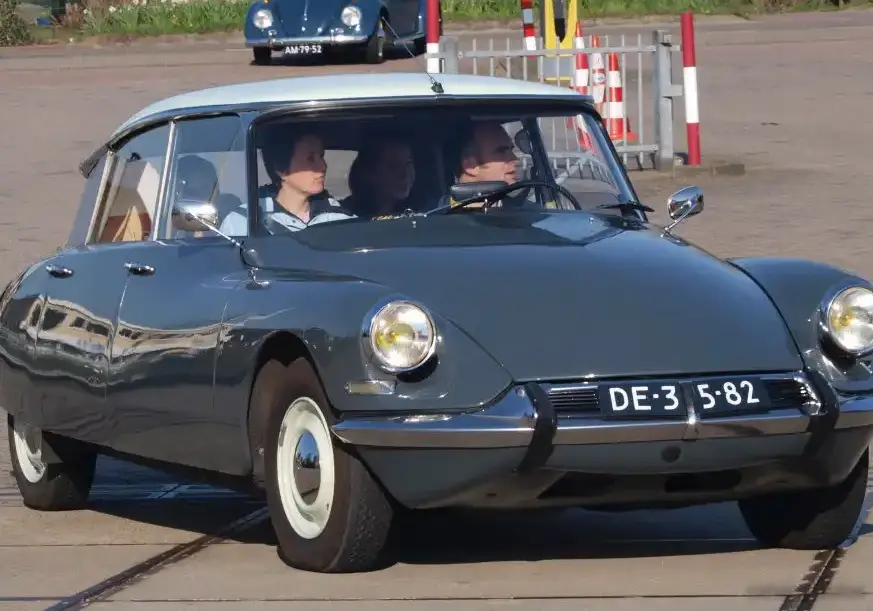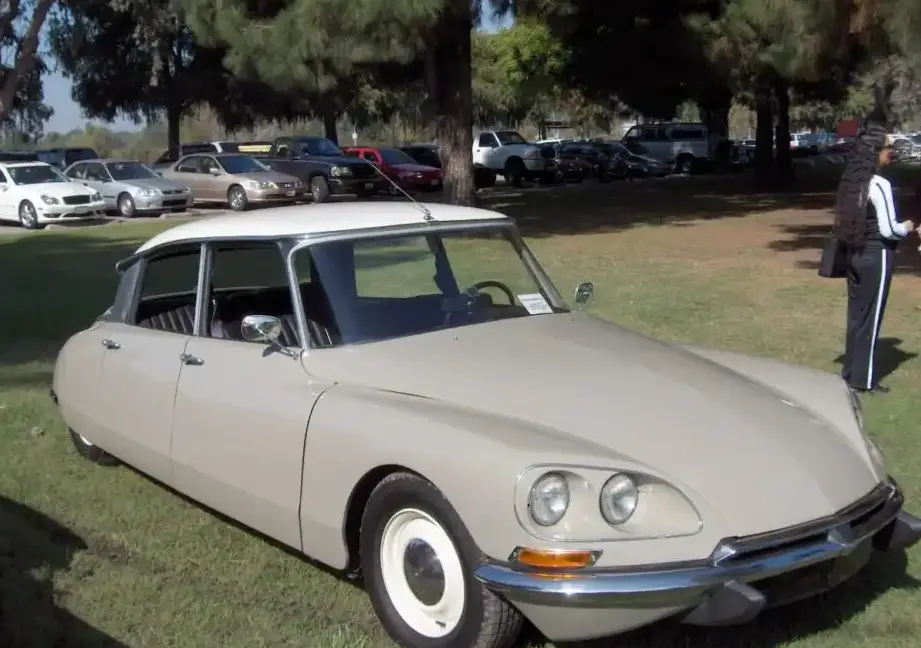
The Citroën ID III 19 B, produced between 1969 and 1975, represents a significant iteration within the larger Citroën ID series. This model, powered by the 1985cc 19 B engine producing 84 horsepower, occupied a middle ground in the ID III lineup, offering a balance between affordability and comfortable, albeit not particularly sporty, motoring. It was a key component of Citroën’s strategy to provide a modern, technologically advanced vehicle to the mass market, particularly in Europe, where it competed with other large family sedans of the era. The ID III, and specifically the 19 B variant, is remembered for its innovative hydropneumatic suspension and distinctive styling.
Technical Specifications
| Brand | Citroen |
| Model | ID |
| Generation | ID III |
| Type (Engine) | 19 B (84 Hp) |
| Start of production | 1969 year |
| End of production | 1975 year |
| Powertrain Architecture | Internal Combustion engine |
| Body type | Sedan |
| Seats | 5 |
| Doors | 4 |
| Fuel Type | Petrol (Gasoline) |
| Weight-to-power ratio | 15.4 kg/Hp, 64.9 Hp/tonne |
| Weight-to-torque ratio | 9 kg/Nm, 111.2 Nm/tonne |
| Power | 84 Hp @ 5250 rpm |
| Power per litre | 42.3 Hp/l |
| Torque | 144 Nm @ 3000 rpm, 106.21 lb.-ft. @ 3000 rpm |
| Engine Model/Code | B20704 |
| Engine displacement | 1985 cm3, 121.13 cu. in. |
| Number of cylinders | 4 |
| Engine configuration | Inline |
| Cylinder Bore | 86 mm, 3.39 in. |
| Piston Stroke | 85.5 mm, 3.37 in. |
| Compression ratio | 8:1 |
| Fuel injection system | Carburettor |
| Engine aspiration | Naturally aspirated engine |
| Engine oil capacity | 4.5 l, 4.76 US qt | 3.96 UK qt |
| Coolant | 10.4 l, 10.99 US qt | 9.15 UK qt |
| Kerb Weight | 1295 kg, 2854.99 lbs |
| Max. weight | 1760 kg, 3880.14 lbs |
| Max load | 465 kg, 1025.15 lbs |
| Trunk (boot) space – minimum | 496 l, 17.52 cu. ft |
| Fuel tank capacity | 65 l, 17.17 US gal | 14.3 UK gal |
| Length | 4839 mm, 190.51 in |
| Width | 1791 mm, 70.51 in |
| Height | 1473 mm, 57.99 in |
| Wheelbase | 3124 mm, 122.99 in |
| Front track | 1499 mm, 59.02 in |
| Rear (Back) track | 1295 mm, 50.98 in |
| Ride height (ground clearance) | 146 mm, 5.75 in |
| Minimum turning circle (turning diameter) | 11 m, 36.09 ft |
| Drivetrain Architecture | The Internal combustion engine (ICE) drives the front wheels of the vehicle. |
| Drive wheel | Front wheel drive |
| Number of gears and type of gearbox | 4 gears, manual transmission |
| Front suspension | Hydro-pneumatic element, Double wishbone |
| Rear suspension | Hydro-pneumatic element, Trailing arm |
| Front brakes | Disc |
| Rear brakes | Drum |
| Steering type | Steering rack and pinion |
Powertrain & Engine Architecture
The heart of the ID III 19 B is the B20704 engine, a 1985cc inline-four cylinder petrol engine. This engine utilized a single Solex carburetor for fuel delivery, a common setup for the period. The engine featured a relatively low 8:1 compression ratio, prioritizing reliability and usability over outright performance. The valvetrain employed a single overhead camshaft (SOHC) design, keeping the engine relatively simple and easy to maintain. The four-speed manual transmission was the standard offering for the 19 B, providing a straightforward driving experience. While not a particularly powerful engine by modern standards, the 19 B was known for its smooth operation and reasonable fuel economy for a vehicle of its size. The engine’s design reflected Citroën’s focus on providing a durable and dependable powerplant for everyday use.
Driving Characteristics
The ID III 19 B offered a comfortable, rather than exhilarating, driving experience. With 84 horsepower and 144 Nm (106 lb-ft) of torque, acceleration was adequate for highway cruising and city driving, but it wasn’t designed for rapid overtaking. The four-speed manual transmission had relatively widely spaced gear ratios, requiring drivers to shift frequently to maintain optimal engine speed. Compared to the more powerful ID III variants, such as those equipped with larger engines, the 19 B felt noticeably slower. However, the hydropneumatic suspension provided a remarkably smooth and comfortable ride, absorbing bumps and imperfections in the road with ease. This suspension system, a Citroën hallmark, contributed significantly to the car’s overall refinement. The steering, while not particularly sporty, was precise and offered good feedback for the driver. The overall driving experience was geared towards relaxed and comfortable transportation.
Equipment & Trim Levels
The ID III 19 B was generally equipped with a fairly standard level of features for a family sedan of the early 1970s. Standard equipment typically included cloth upholstery, a basic dashboard layout with analog gauges, and manually operated windows and door locks. Optional extras included a sunroof, upgraded upholstery materials, and a radio. The interior was functional and well-built, prioritizing practicality over luxury. The ID III was available in a range of exterior colors, and the trim level was largely defined by the engine choice and optional equipment selected. The 19 B trim represented a mid-range offering, positioned above the base models but below the more luxurious and powerful variants.
Chassis & Braking
The ID III featured a robust chassis with independent suspension on all four wheels, utilizing Citroën’s innovative hydropneumatic system. The front suspension employed a double wishbone configuration, while the rear utilized a trailing arm setup. This suspension system allowed for self-leveling, maintaining a consistent ride height regardless of load. The braking system consisted of disc brakes on the front wheels and drum brakes on the rear. While adequate for the car’s weight and performance, the braking system wasn’t particularly powerful by modern standards. The steering was a rack and pinion system, providing precise and responsive handling. The chassis design prioritized ride comfort and stability, reflecting Citroën’s engineering philosophy.
Market Reception & Comparison
The Citroën ID III 19 B was generally well-received by critics and buyers alike. It was praised for its comfortable ride, innovative suspension, and distinctive styling. However, some critics noted its relatively modest performance and the complexity of the hydropneumatic suspension system, which could be expensive to repair. Compared to other ID III variants, the 19 B offered a more affordable entry point into the Citroën range. It was a popular choice for families and individuals who prioritized comfort and practicality over outright performance. Fuel economy was reasonable for the time, but not exceptional. It competed directly with vehicles like the Peugeot 504 and Renault 16, offering a unique blend of comfort and technology.
Legacy
The Citroën ID III 19 B, while not the most powerful or technologically advanced variant of the ID series, remains a fondly remembered classic. The hydropneumatic suspension system, in particular, is highly regarded for its ability to provide a remarkably smooth and comfortable ride. Today, the ID III 19 B is a sought-after vehicle among classic car enthusiasts, particularly those who appreciate Citroën’s innovative engineering and distinctive design. While the hydropneumatic suspension can require specialized maintenance, the engine itself is relatively reliable and parts are generally available. The ID III 19 B represents a unique and charming piece of automotive history, embodying the spirit of innovation and comfort that defined Citroën in the 1960s and 1970s. Its enduring appeal lies in its ability to offer a truly distinctive and comfortable driving experience, setting it apart from its contemporaries.