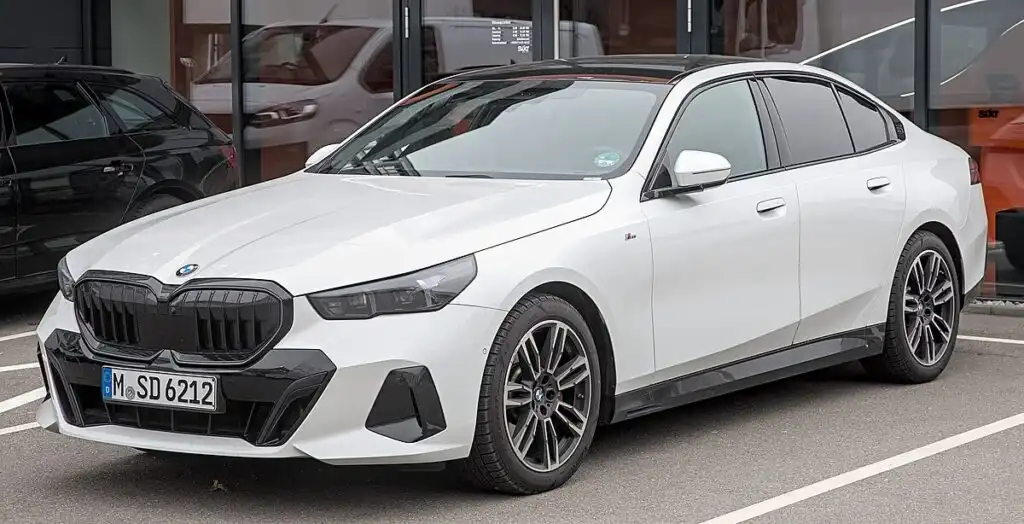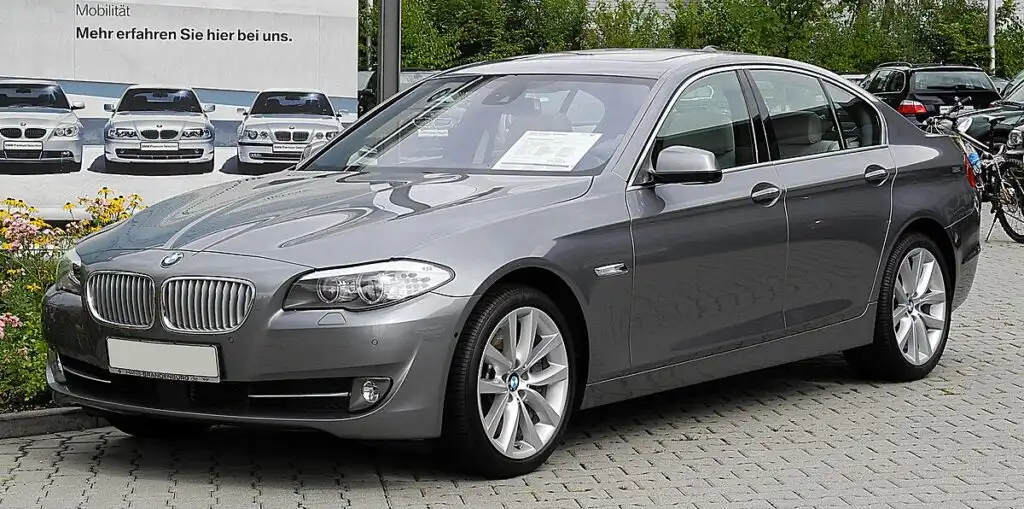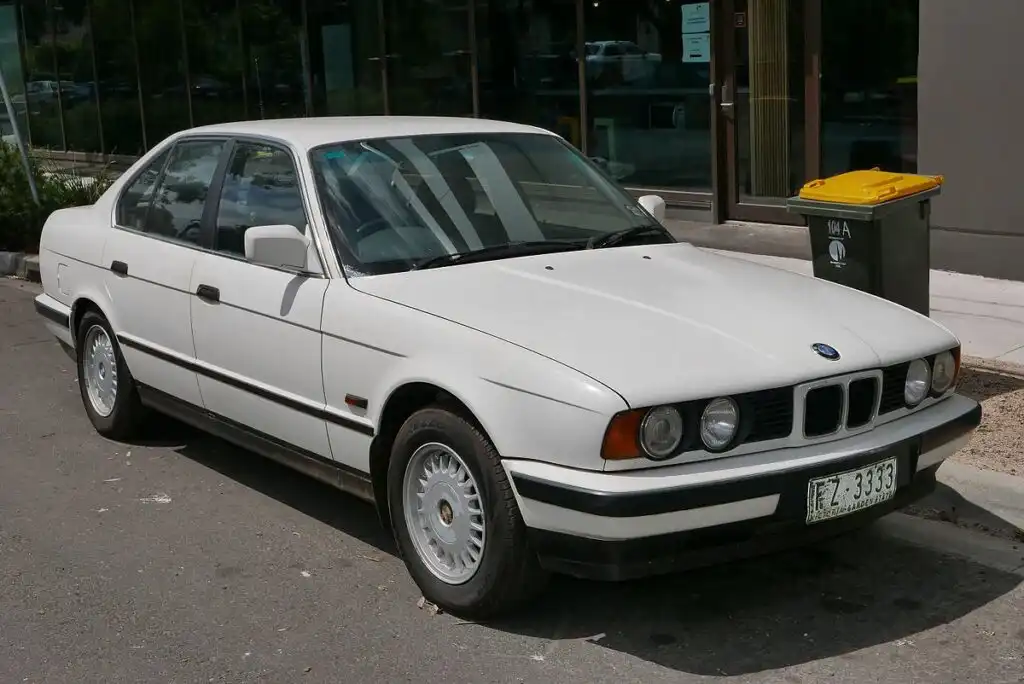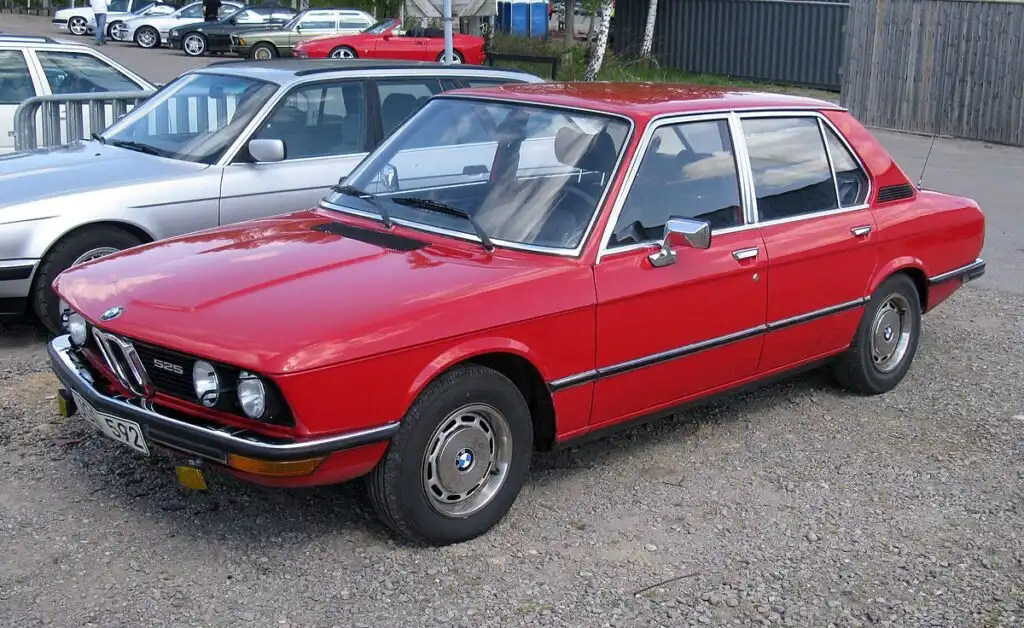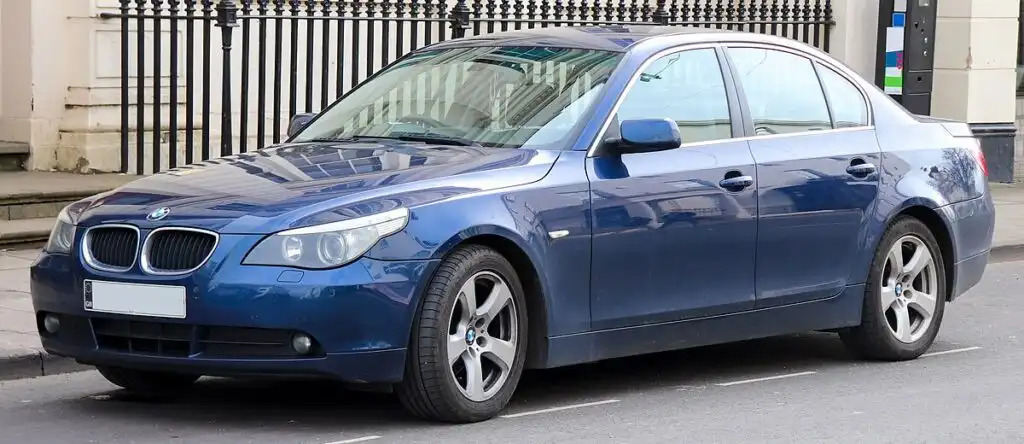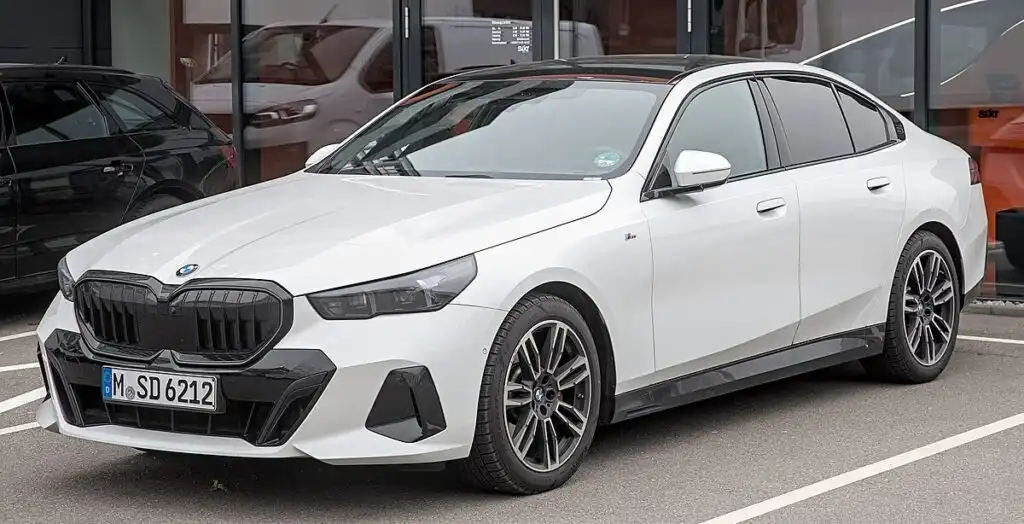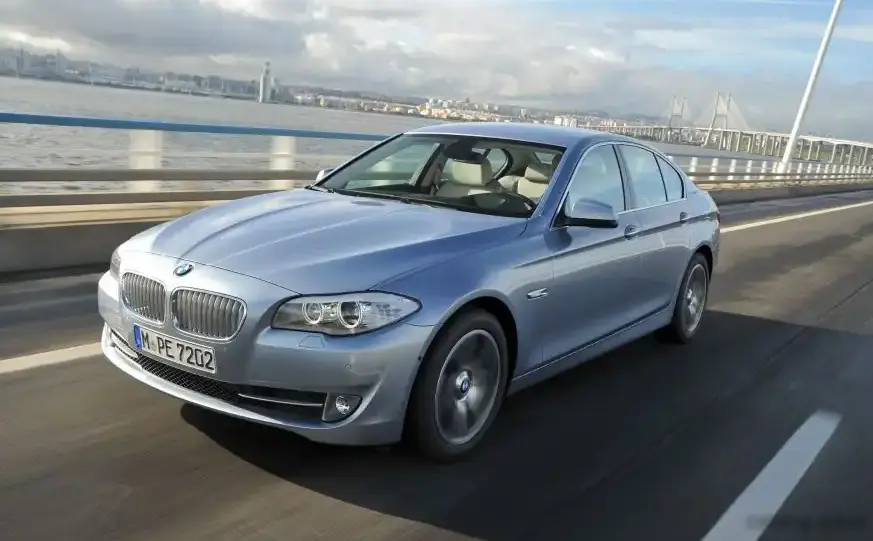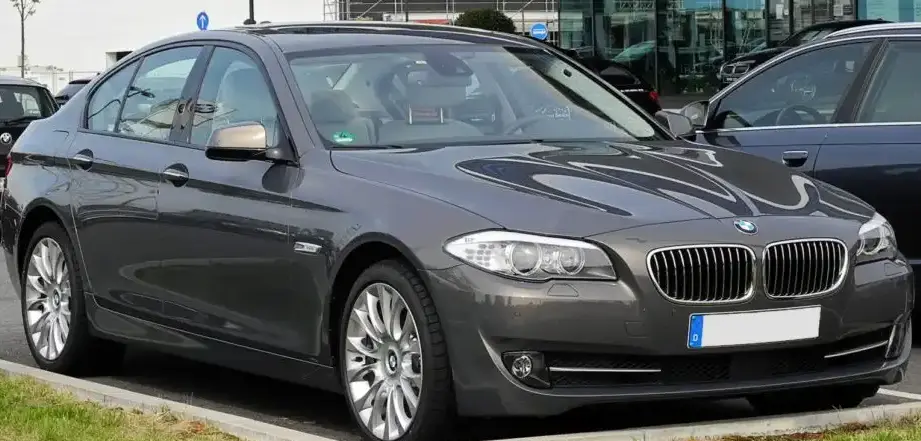
The BMW 5 Series Sedan (F10) 525d, produced from 2010 to 2011, represented a key entry point into the sixth generation of BMW’s flagship executive sedan. Positioned as a diesel-powered variant, it aimed to deliver a balance of performance, efficiency, and luxury. The F10 generation, launched in 2010, marked a significant departure from its predecessor (E60) with a more modern design language and a greater emphasis on technology. The 525d specifically targeted buyers seeking the prestige of a 5 Series with the fuel economy benefits of a diesel engine, particularly in European markets where diesel fuel was more prevalent and economically advantageous. While a manual transmission was available, this article focuses on the configuration paired with the 6-speed automatic transmission.
Technical Specifications
| Brand | BMW |
| Model | 5 Series |
| Generation | 5 Series Sedan (F10) |
| Type (Engine) | 525d (204 Hp) |
| Start of production | 2010 |
| End of production | 2011 |
| Powertrain Architecture | Internal Combustion engine |
| Body type | Sedan |
| Seats | 5 |
| Doors | 4 |
| Fuel consumption (economy) – urban | 8.1 l/100 km (29 US mpg, 34.9 UK mpg, 12.3 km/l) |
| Fuel consumption (economy) – extra urban | 5.1 l/100 km (46.1 US mpg, 55.4 UK mpg, 19.6 km/l) |
| Fuel consumption (economy) – combined | 6.2 l/100 km (37.9 US mpg, 45.6 UK mpg, 16.1 km/l) |
| CO2 emissions | 162 g/km |
| Fuel Type | Diesel |
| Acceleration 0 – 100 km/h | 7.2 sec |
| Acceleration 0 – 62 mph | 7.2 sec |
| Acceleration 0 – 60 mph | 6.8 sec |
| Maximum speed | 236 km/h (146.64 mph) |
| Emission standard | Euro 5 |
| Weight-to-power ratio | 8.3 kg/Hp, 120.7 Hp/tonne |
| Weight-to-torque ratio | 3.8 kg/Nm, 266.3 Nm/tonne |
| Power | 204 Hp @ 4000 rpm |
| Power per litre | 68.2 Hp/l |
| Torque | 450 Nm @ 1750-2500 rpm (331.9 lb.-ft. @ 1750-2500 rpm) |
| Engine layout | Front, Longitudinal |
| Engine Model/Code | N57D30A |
| Engine displacement | 2993 cm3 (182.64 cu. in.) |
| Number of cylinders | 6 |
| Engine configuration | Inline |
| Cylinder Bore | 84 mm (3.31 in.) |
| Piston Stroke | 90 mm (3.54 in.) |
| Compression ratio | 16.5:1 |
| Number of valves per cylinder | 4 |
| Fuel injection system | Diesel Commonrail |
| Engine aspiration | Turbocharger, Intercooler |
| Engine oil capacity | 7 l (7.4 US qt | 6.16 UK qt) |
| Coolant | 10 l (10.57 US qt | 8.8 UK qt) |
| Kerb Weight | 1690 kg (3725.81 lbs.) |
| Max. weight | 2300 kg (5070.63 lbs.) |
| Max load | 610 kg (1344.82 lbs.) |
| Trunk (boot) space – minimum | 520 l (18.36 cu. ft.) |
| Fuel tank capacity | 70 l (18.49 US gal | 15.4 UK gal) |
| Max. roof load | 100 kg (220.46 lbs.) |
| Permitted trailer load with brakes (12%) | 2000 kg (4409.25 lbs.) |
| Permitted trailer load without brakes | 750 kg (1653.47 lbs.) |
| Permitted towbar download | 90 kg (198.42 lbs.) |
| Length | 4899 mm (192.87 in.) |
| Width | 1860 mm (73.23 in.) |
| Height | 1464 mm (57.64 in.) |
| Wheelbase | 2968 mm (116.85 in.) |
| Front track | 1600 mm (62.99 in.) |
| Rear (Back) track | 1627 mm (64.06 in.) |
| Ride height (ground clearance) | 141 mm (5.55 in.) |
| Drag coefficient (Cd) | 0.28 |
| Minimum turning circle (turning diameter) | 11.95 m (39.21 ft.) |
| Drivetrain Architecture | The Internal combustion engine (ICE) drives the rear wheels of the vehicle. |
| Drive wheel | Rear wheel drive |
| Number of gears and type of gearbox | 6 gears, automatic transmission |
| Front suspension | Double wishbone |
| Rear suspension | Independent multi-link suspension |
| Front brakes | Ventilated discs |
| Rear brakes | Disc |
| Assisting systems | ABS (Anti-lock braking system) |
| Steering type | Steering rack and pinion |
| Power steering | Electric Steering |
| Tires size | 225/55 R17 97W |
| Wheel rims size | 8J x 17 |
INTRODUCTION
The BMW 525d (F10) was a significant offering in the mid-size luxury sedan segment. Introduced in 2010 as part of the F10 5 Series range, it provided a diesel alternative to the gasoline-powered 528i and 535i models. The 525d aimed to appeal to drivers prioritizing fuel efficiency and torque, particularly for long-distance driving. The F10 platform brought advancements in chassis technology, interior refinement, and driver assistance systems compared to the previous E60 generation. The 6-speed automatic transmission was a popular choice, offering smooth shifts and convenience, though it wasn’t without its critics regarding responsiveness compared to the available manual.
Powertrain & Engine Architecture
At the heart of the 525d lay the N57D30A, a 3.0-liter inline-six diesel engine. This engine was a cornerstone of BMW’s diesel lineup during this period, known for its robust construction and refined operation. The N57 featured a common-rail direct injection system, delivering fuel at extremely high pressures for optimized combustion. A single variable geometry turbocharger (VGT) with an intercooler boosted power and torque. The engine employed four valves per cylinder and a chain-driven double overhead camshaft (DOHC) valvetrain. The 6-speed automatic transmission (typically the ZF 6HP21) was chosen for its smoothness and efficiency. This transmission featured a torque converter and electronic control for precise gear selection. The automatic transmission was programmed for comfort and fuel economy, with a sport mode offering more aggressive shift points.
Driving Characteristics
The 525d automatic offered a comfortable and relaxed driving experience. The 450 Nm (331.9 lb-ft) of torque available from 1750-2500 rpm provided ample pulling power for effortless overtaking and highway cruising. While the 0-60 mph time of around 6.8 seconds was respectable, it wasn’t as quick as the gasoline-powered 535i. The automatic transmission, while smooth, could sometimes feel hesitant during quick downshifts. The gear ratios were tuned for fuel efficiency, meaning the engine didn’t always feel as responsive as it could be. Compared to the manual transmission version, the automatic sacrificed some driver engagement but gained convenience. The engine was relatively quiet and refined for a diesel, with minimal vibration transmitted to the cabin.
Equipment & Trim Levels
The 525d typically came well-equipped, even in base trim. Standard features included leatherette upholstery, automatic climate control, a BMW Professional radio system, and power-adjustable front seats. Optional extras were plentiful, including premium leather upholstery, a navigation system, a Harman Kardon sound system, adaptive headlights, and a sunroof. The interior design was modern and functional, with a focus on ergonomics. Trim levels could vary depending on the market, but generally, the 525d could be upgraded with various interior and exterior styling packages.
Chassis & Braking
The F10 5 Series featured a sophisticated chassis design. The front suspension utilized a double wishbone setup, while the rear employed an independent multi-link suspension. This configuration provided a good balance of ride comfort and handling precision. The 525d typically came equipped with ventilated front disc brakes and solid rear disc brakes. Anti-lock braking system (ABS) was standard, along with electronic stability control (ESC). The steering was a rack-and-pinion system with electric power assistance, offering precise and responsive steering feel.
Market Reception & Comparison
The 525d was generally well-received by automotive critics. It was praised for its fuel efficiency, comfortable ride, and refined engine. However, some reviewers noted that the automatic transmission could be slow to respond at times. Compared to the 528i, the 525d offered better fuel economy and more low-end torque, but less outright performance. Against the 535i, the 525d was a more affordable option, but it lacked the 535i’s power and sporty character. The 525d’s main competitors included the Audi A6 TDI and the Mercedes-Benz E350 CDI.
Legacy
The N57D30A engine proved to be remarkably durable and reliable, with many examples exceeding high mileage with proper maintenance. The 6-speed automatic transmission, while not without its quirks, also proved to be generally reliable. Today, the F10 525d represents a relatively affordable entry point into BMW ownership. Used examples are readily available, and the diesel engine’s fuel efficiency remains a significant draw. However, potential buyers should be aware of the potential for diesel particulate filter (DPF) issues, particularly on vehicles that have primarily been used for short trips. Overall, the 525d remains a capable and comfortable luxury sedan, offering a compelling blend of performance, efficiency, and refinement.