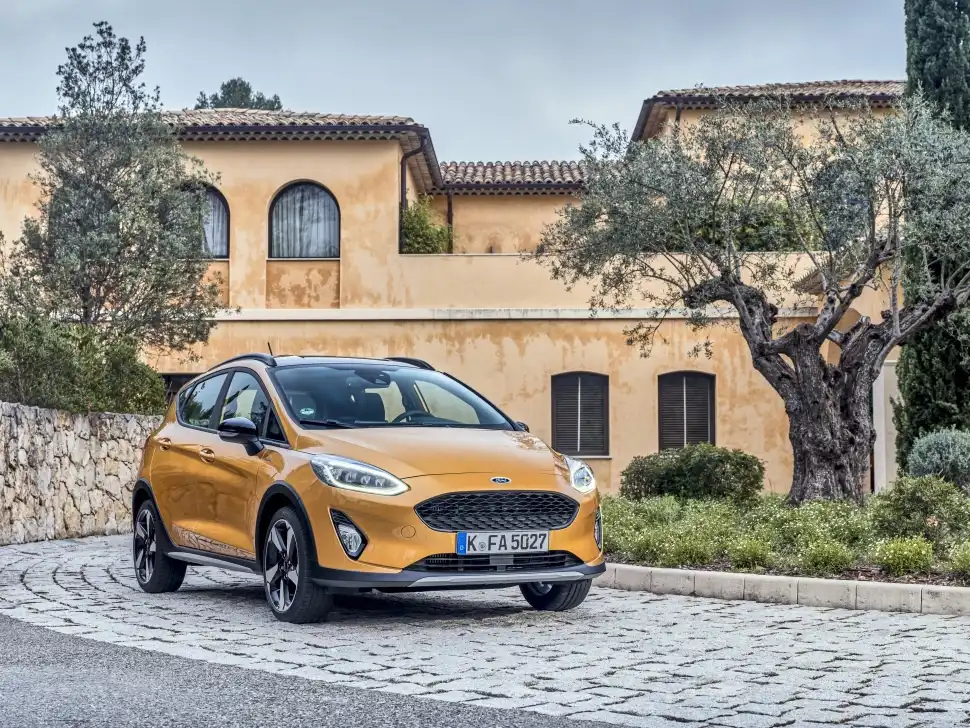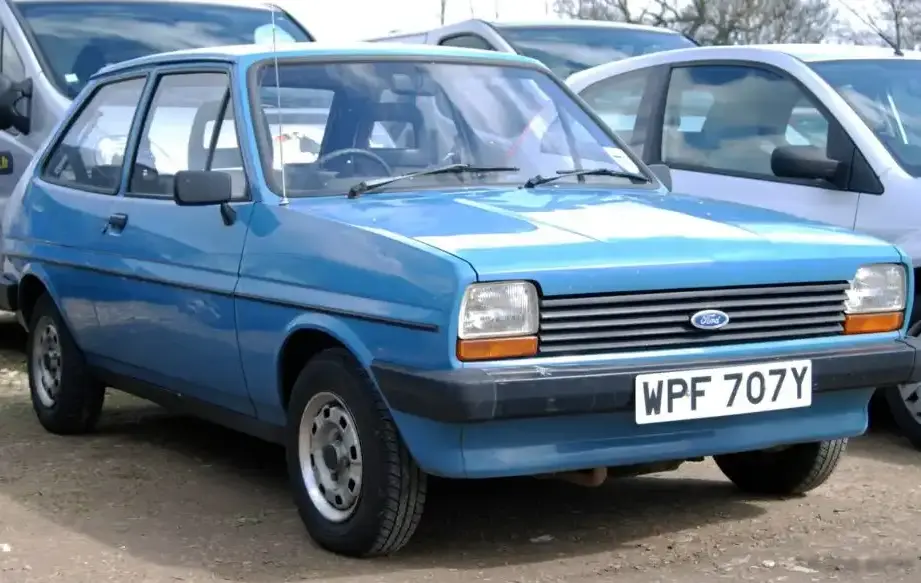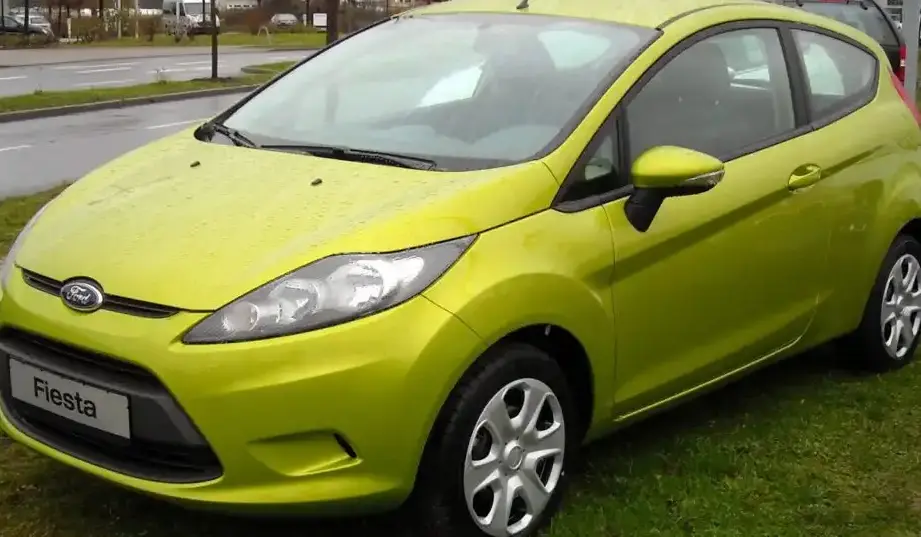
The Ford Fiesta Mk7, produced from 2008 to 2019, represented a significant leap forward for Ford’s supermini. The seventh generation Fiesta (internally designated as the B564 platform) moved away from the New Edge styling of its predecessor and adopted a more contemporary “kinetic design” language. Within the Mk7 range, the 3-door 1.6 Ti-VCT model, available primarily between 2011 and 2012 in North America and Europe, occupied a mid-range position, offering a balance between performance and affordability. It aimed to appeal to buyers seeking a more engaging driving experience than the base models, without the higher price tag of the performance-oriented ST variant.
Technical Specifications
| Brand | Ford |
| Model | Fiesta |
| Generation | Fiesta VII (Mk7) 3 door |
| Type (Engine) | 1.6 Ti-VCT (135 Hp) |
| Start of production | 2011 |
| End of production | 2012 |
| Powertrain Architecture | Internal Combustion engine |
| Body type | Hatchback |
| Seats | 5 |
| Doors | 3 |
| Fuel consumption (urban) | 8.0 l/100 km (29.4 US mpg, 35.3 UK mpg, 12.5 km/l) |
| Fuel consumption (extra urban) | 4.8 l/100 km (49 US mpg, 58.9 UK mpg, 20.8 km/l) |
| Fuel consumption (combined) | 5.9 l/100 km (39.9 US mpg, 47.9 UK mpg, 16.9 km/l) |
| CO2 emissions | 139 g/km |
| Fuel Type | Petrol (Gasoline) |
| Acceleration 0 – 100 km/h | 8.7 sec |
| Acceleration 0 – 62 mph | 8.7 sec |
| Acceleration 0 – 60 mph | 8.3 sec |
| Maximum speed | 195 km/h (121.17 mph) |
| Emission standard | Euro 5 |
| Weight-to-power ratio | 7.7 kg/Hp, 129.2 Hp/tonne |
| Weight-to-torque ratio | 6.5 kg/Nm, 153.1 Nm/tonne |
| Power | 135 Hp @ 6700 rpm |
| Power per litre | 84.6 Hp/l |
| Torque | 160 Nm @ 4250 rpm (118.01 lb.-ft. @ 4250 rpm) |
| Engine layout | Front, Transverse |
| Engine Model/Code | U5JA |
| Engine displacement | 1596 cm3 (97.39 cu. in.) |
| Number of cylinders | 4 |
| Engine configuration | Inline |
| Cylinder Bore | 79 mm (3.11 in.) |
| Piston Stroke | 81.4 mm (3.2 in.) |
| Compression ratio | 11:1 |
| Number of valves per cylinder | 4 |
| Fuel injection system | Multi-port manifold injection |
| Engine aspiration | Naturally aspirated engine |
| Valvetrain | DOHC, Ti-VCT |
| Engine oil capacity | 4.05 l (4.28 US qt, 3.56 UK qt) |
| Coolant | 5.5 l (5.81 US qt, 4.84 UK qt) |
| Kerb Weight | 1045 kg (2303.83 lbs.) |
| Max. weight | 1500 kg (3306.93 lbs.) |
| Max load | 455 kg (1003.1 lbs.) |
| Trunk (boot) space – minimum | 295 l (10.42 cu. ft.) |
| Trunk (boot) space – maximum | 979 l (34.57 cu. ft.) |
| Fuel tank capacity | 45 l (11.89 US gal, 9.9 UK gal) |
| Max. roof load | 50 kg (110.23 lbs.) |
| Permitted trailer load with brakes (12%) | 900 kg (1984.16 lbs.) |
| Permitted trailer load without brakes | 520 kg (1146.4 lbs.) |
| Length | 3950 mm (155.51 in.) |
| Width | 1722 mm (67.8 in.) |
| Width including mirrors | 1973 mm (77.68 in.) |
| Height | 1481 mm (58.31 in.) |
| Wheelbase | 2489 mm (97.99 in.) |
| Front track | 1493 mm (58.78 in.) |
| Rear (Back) track | 1480 mm (58.27 in.) |
| Minimum turning circle | 10.2 m (33.46 ft.) |
| Drivetrain Architecture | Front wheel drive |
| Drive wheel | Front wheel drive |
| Number of gears and type of gearbox | 5 gears, manual transmission |
| Front suspension | Independent, type McPherson with coil spring and anti-roll bar |
| Rear suspension | Coil spring, Torsion |
| Front brakes | Ventilated discs |
| Rear brakes | Drum |
| Assisting systems | ABS (Anti-lock braking system) |
| Steering type | Steering rack and pinion |
| Power steering | Electric Steering |
| Tires size | 195/45 R16 |
| Wheel rims size | 6.5J x 16 |
Powertrain & Engine Architecture
The heart of this Fiesta variant is the 1.6-liter Ti-VCT (Twin Independent Variable Camshaft Timing) inline-four cylinder engine, bearing the Ford engine code U5JA. This engine is a naturally aspirated unit, meaning it doesn’t employ turbocharging or supercharging. The Ti-VCT system allows for independent control of both intake and exhaust valve timing, optimizing engine performance across the rev range. Fuel delivery is managed by a multi-port fuel injection system. The engine produces 135 horsepower at 6700 rpm and 160 Nm (118 lb-ft) of torque at 4250 rpm. The engine’s design prioritizes fuel efficiency and responsiveness over outright power. The 5-speed manual transmission was the standard offering, providing a direct connection between the engine and the front wheels. The gear ratios were tuned for a balance of acceleration and fuel economy.
Driving Characteristics
The 1.6 Ti-VCT Fiesta offered a noticeably more spirited driving experience than the lower-powered 1.25-liter models. While not a performance car, the 135 hp engine provided adequate power for everyday driving and even some enthusiastic cornering. Acceleration from 0-60 mph took around 8.3 seconds, making it competitive within its class. The 5-speed manual transmission allowed drivers to keep the engine in its optimal power band. Compared to the higher-performance Fiesta ST, the 1.6 Ti-VCT lacked the ST’s raw power and sport-tuned suspension, resulting in a more comfortable and forgiving ride. However, it offered a more engaging experience than the base models, making it a popular choice for drivers who wanted a bit more fun without sacrificing practicality.
Equipment & Trim Levels
The 1.6 Ti-VCT Fiesta typically came equipped with features such as air conditioning, power windows, power door locks, and a basic audio system. Higher trim levels, such as the Limited or Zetec, added features like alloy wheels, fog lights, a trip computer, and upgraded interior trim. Interior upholstery was typically cloth, with options for different colors and patterns. Optional extras included a sunroof, upgraded audio systems, and parking sensors. The dashboard layout was functional and driver-focused, with easy-to-read gauges and controls.
Chassis & Braking
The Fiesta Mk7 utilized a McPherson strut front suspension and a torsion beam rear suspension. This setup provided a good balance of ride comfort and handling. The front brakes were ventilated discs, while the rear brakes were drums. ABS (Anti-lock Braking System) was standard, enhancing safety during emergency braking situations. The steering was electrically assisted, providing light and precise control. The chassis was relatively lightweight, contributing to the car’s nimble handling characteristics.
Market Reception & Comparison
The 1.6 Ti-VCT Fiesta was generally well-received by automotive critics. It was praised for its responsive engine, comfortable ride, and good fuel economy. However, some critics noted that the interior materials were somewhat basic and that the rear seats were a bit cramped. Compared to other superminis in its class, such as the Volkswagen Polo and the Renault Clio, the Fiesta offered a competitive package in terms of performance, fuel efficiency, and price. The 1.6 Ti-VCT offered a compelling alternative to the diesel-powered models, providing a more refined and enjoyable driving experience.
Legacy
The 1.6 Ti-VCT engine proved to be a reliable and durable unit. While not without its minor issues (such as occasional oil leaks), it generally required minimal maintenance. Today, used examples of the Fiesta Mk7 1.6 Ti-VCT are readily available and represent a good value for money. They are often sought after by drivers who want a practical, reliable, and enjoyable supermini. The Fiesta Mk7, as a whole, helped solidify Ford’s position as a leader in the European small car market, and the 1.6 Ti-VCT variant played a significant role in its success.