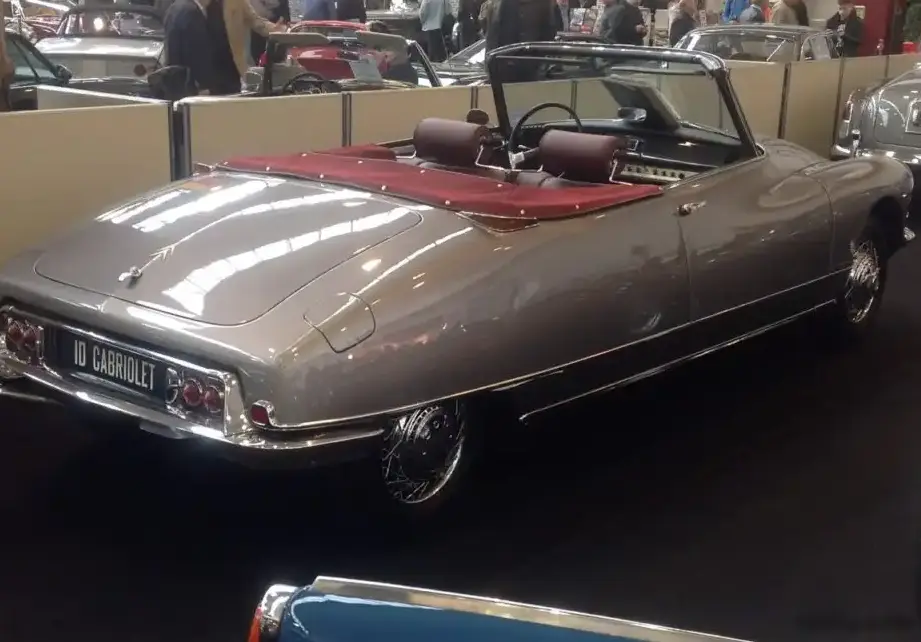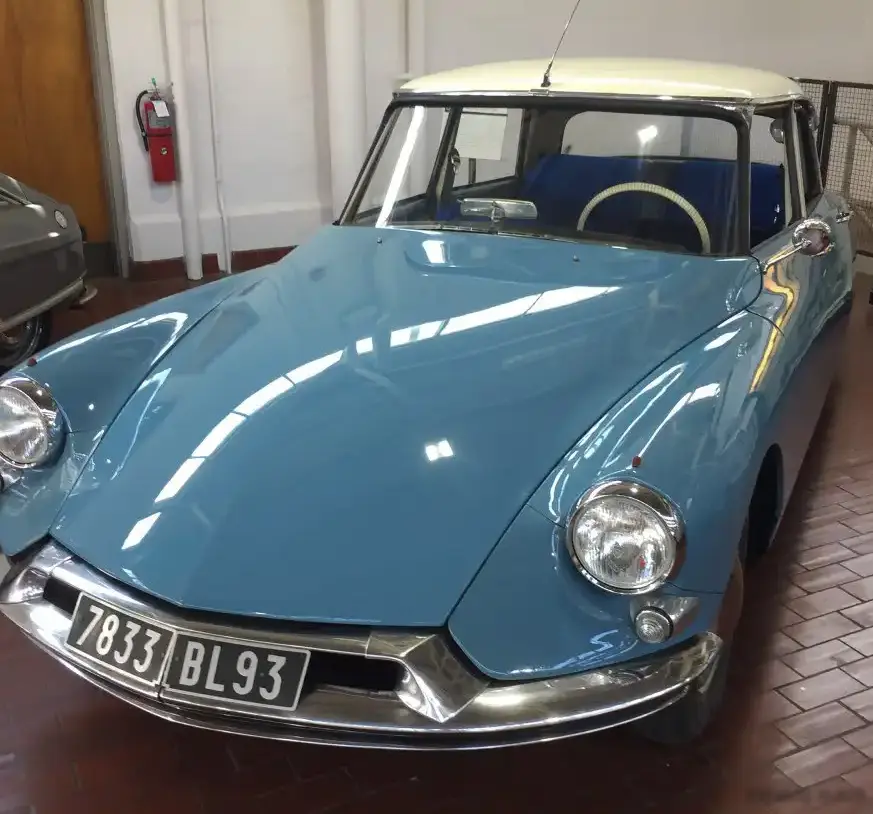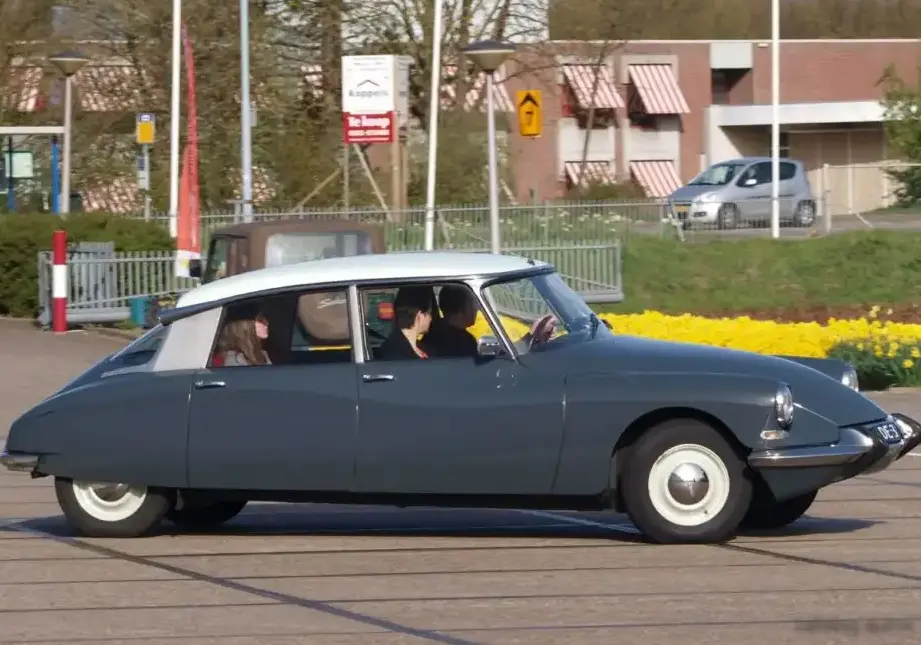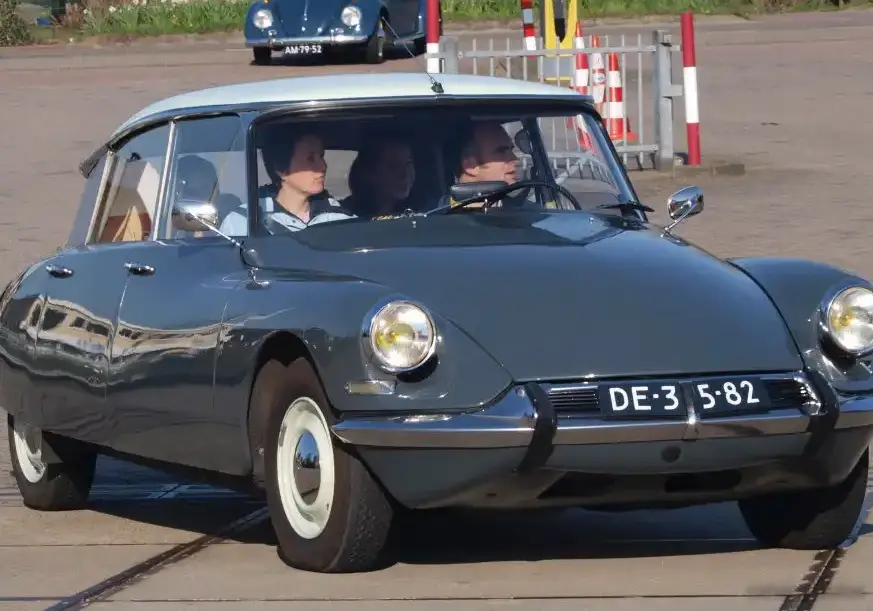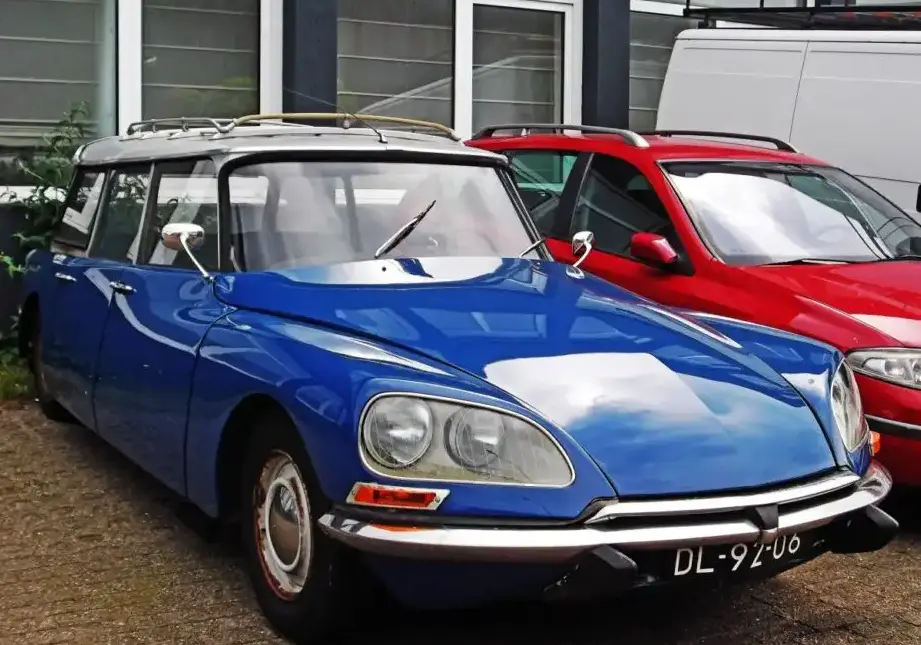
The Citroën ID III Break 20 F, produced between 1968 and 1972, represents a significant iteration within the broader Citroën ID series. This model, a station wagon (estate) body style, was positioned as a practical and comfortable family vehicle within Citroën’s lineup. It was built upon the foundation of the earlier ID and DS models, inheriting their innovative hydropneumatic suspension but offering a more accessible price point. The “Break” designation signified the estate body style, emphasizing its spaciousness and utility. The 20 F variant, denoting its engine displacement and approximate horsepower, was a popular choice for those seeking a blend of performance and economy in a large family car.
Technical Specifications
| Brand | Citroen |
| Model | ID |
| Generation | ID III Break |
| Type (Engine) | 20 F (103 Hp) |
| Start of production | 1968 |
| End of production | 1972 |
| Powertrain Architecture | Internal Combustion engine |
| Body type | Station wagon (estate) |
| Seats | 7 |
| Doors | 5 |
| Fuel Type | Petrol (Gasoline) |
| Maximum speed | 160 km/h (99.42 mph) |
| Weight-to-power ratio | 13.6 kg/Hp, 73.6 Hp/tonne |
| Power | 103 Hp @ 5900 rpm |
| Power per litre | 51.9 Hp/l |
| Engine displacement | 1985 cm3 (121.13 cu. in.) |
| Number of cylinders | 4 |
| Engine configuration | Inline |
| Cylinder Bore | 86 mm (3.39 in.) |
| Piston Stroke | 85.5 mm (3.37 in.) |
| Fuel injection system | Carburettor |
| Engine aspiration | Naturally aspirated engine |
| Engine oil capacity | 5 l (5.28 US qt | 4.4 UK qt) |
| Coolant | 11 l (11.62 US qt | 9.68 UK qt) |
| Kerb Weight | 1400 kg (3086.47 lbs.) |
| Max. weight | 2030 kg (4475.38 lbs.) |
| Max load | 630 kg (1388.91 lbs.) |
| Length | 5050 mm (198.82 in.) |
| Width | 1815 mm (71.46 in.) |
| Height | 1530 mm (60.24 in.) |
| Wheelbase | 3125 mm (123.03 in.) |
| Front track | 1500 mm (59.06 in.) |
| Rear (Back) track | 1300 mm (51.18 in.) |
| Minimum turning circle (turning diameter) | 10.8 m (35.43 ft.) |
| Drivetrain Architecture | The Internal combustion engine (ICE) drives the front wheels of the vehicle. |
| Drive wheel | Front wheel drive |
| Number of gears and type of gearbox | 4 gears, manual transmission |
| Front suspension | Hydro-pneumatic element, Double wishbone |
| Rear suspension | Hydro-pneumatic element, Trailing arm |
| Front brakes | Disc |
| Rear brakes | Disc |
| Steering type | Steering rack and pinion |
Powertrain & Engine Architecture
The heart of the ID III Break 20 F is its 1985cc inline-four cylinder engine. This engine, designated as the 20F, produced 103 horsepower at 5900 rpm. It utilized a carburettor fuel injection system, a common technology for the period, providing a balance between cost and performance. The engine featured a relatively high compression ratio for the time, contributing to its respectable power output. The engine’s valvetrain employed a single overhead camshaft (SOHC) design. The engine was mated to a four-speed manual transmission, delivering power to the front wheels. This front-wheel-drive configuration was a hallmark of Citroën’s engineering philosophy, contributing to the car’s excellent traction and handling characteristics. The engine block itself was cast iron, providing durability, while the cylinder head was aluminum to help manage weight and heat. The carburettor, typically a Solex or Weber unit, required periodic adjustment to maintain optimal performance.
Driving Characteristics
The ID III Break 20 F offered a unique driving experience, largely due to Citroën’s innovative hydropneumatic suspension system. This system provided a remarkably smooth and comfortable ride, absorbing bumps and imperfections in the road with ease. The 103 horsepower engine, while not exceptionally powerful, provided adequate performance for everyday driving and cruising. The four-speed manual transmission allowed drivers to effectively manage the engine’s power band. Compared to the more powerful DS models, the ID III Break 20 F offered a more relaxed and economical driving experience. Acceleration was respectable, but not sporty, and the car was best suited for long-distance touring and family transportation. The front-wheel-drive layout contributed to predictable handling, although it lacked the agility of some rear-wheel-drive competitors. The steering, while not power-assisted in all models, was relatively light and precise thanks to the rack and pinion setup. The gear ratios were tuned for comfortable cruising, with a relatively tall final drive.
Equipment & Trim Levels
The ID III Break 20 F was generally equipped with a practical and comfortable interior. Standard features included cloth upholstery, a basic dashboard layout with analog gauges, and comfortable seating for up to seven passengers. The “Break” body style offered a generous amount of cargo space, making it ideal for families and those needing to transport large items. Optional extras included a sunroof, upgraded upholstery, and a more sophisticated radio system. The trim level was relatively basic compared to the more luxurious DS models, focusing on functionality and durability rather than lavish appointments. The interior was designed with practicality in mind, featuring durable materials and a straightforward layout. Heating was standard, but air conditioning was a rare option. The dashboard featured a speedometer, fuel gauge, and coolant temperature indicator. The steering wheel was typically a large-diameter, two-spoke design.
Chassis & Braking
The ID III Break featured Citroën’s renowned hydropneumatic suspension system on both the front and rear axles. This system utilized self-leveling spheres filled with a hydraulic fluid, providing a consistently comfortable ride regardless of load. The front suspension employed a double wishbone configuration, while the rear utilized a trailing arm design. Braking duties were handled by disc brakes on all four wheels, offering reliable stopping power. The steering system was a rack and pinion type, providing precise and responsive steering control. The chassis was designed to accommodate the car’s large size and weight, providing a stable and predictable platform. The hydropneumatic system also allowed for ride height adjustment, providing increased ground clearance when needed. The brake system utilized a hydraulic master cylinder and dual-circuit design for added safety.
Market Reception & Comparison
The Citroën ID III Break 20 F was well-received in the European market as a practical and comfortable family vehicle. Critics praised its innovative suspension system and spacious interior. However, some noted that the engine’s performance was adequate but not exceptional. Compared to other station wagons of the time, the ID III Break offered a unique combination of comfort, practicality, and advanced technology. It was often compared to other large family cars from manufacturers such as Peugeot and Renault. The ID III Break generally offered a more sophisticated driving experience than its competitors, thanks to its hydropneumatic suspension. Fuel economy was reasonable for the period, and reliability was generally good, although maintenance could be complex due to the advanced suspension system. The ID III Break was positioned as a more affordable alternative to the DS Break, appealing to a wider range of buyers.
Legacy
The Citroën ID III Break 20 F remains a beloved classic car among enthusiasts. Its innovative hydropneumatic suspension system and distinctive styling have earned it a dedicated following. While the engine and transmission are generally reliable, the hydropneumatic suspension requires regular maintenance to prevent leaks and ensure optimal performance. Today, the ID III Break 20 F is a relatively affordable classic car, making it an accessible entry point into the world of vintage Citroëns. Parts availability can be a challenge, but a network of specialist suppliers exists to support owners. The car’s enduring appeal lies in its unique blend of comfort, practicality, and technological innovation, making it a standout example of 1960s automotive engineering. The ID III Break represents a pivotal moment in Citroën’s history, showcasing their commitment to innovative engineering and comfortable transportation.