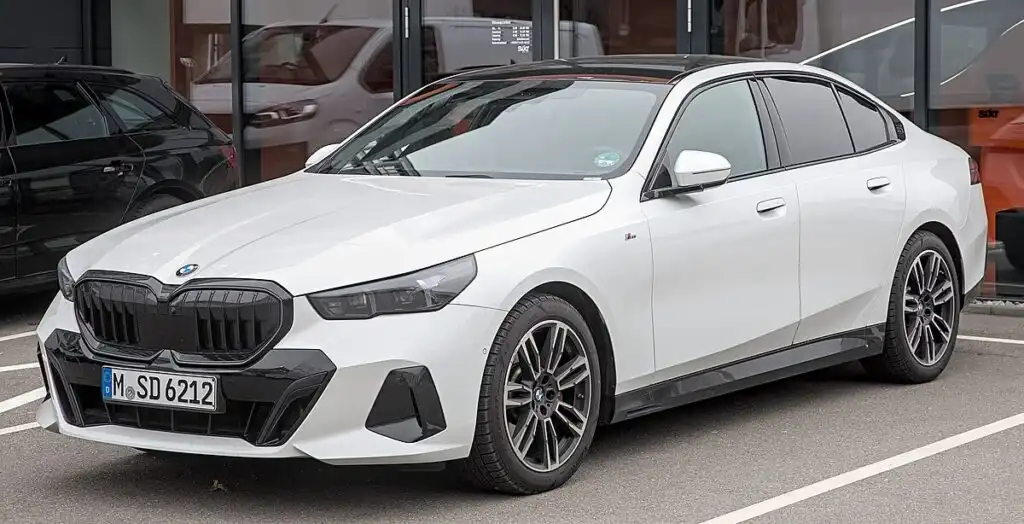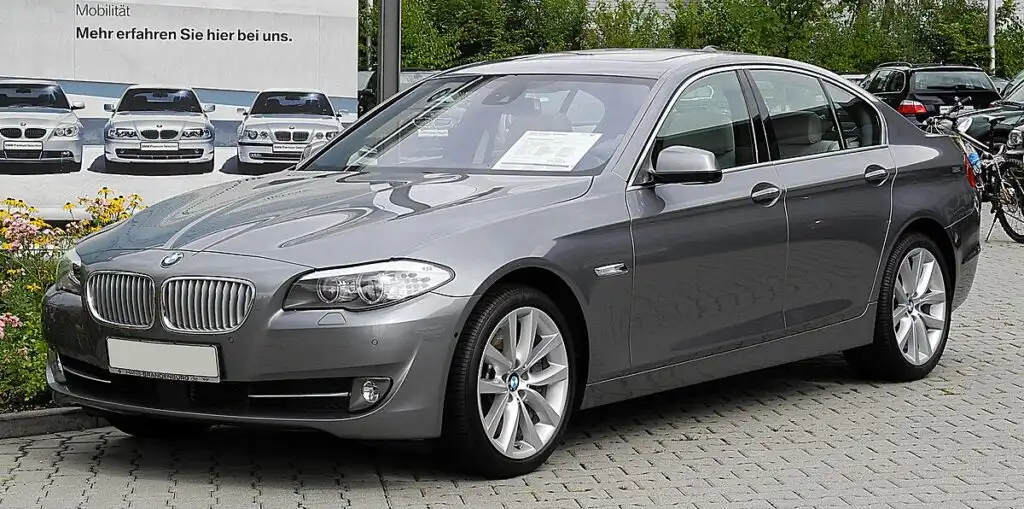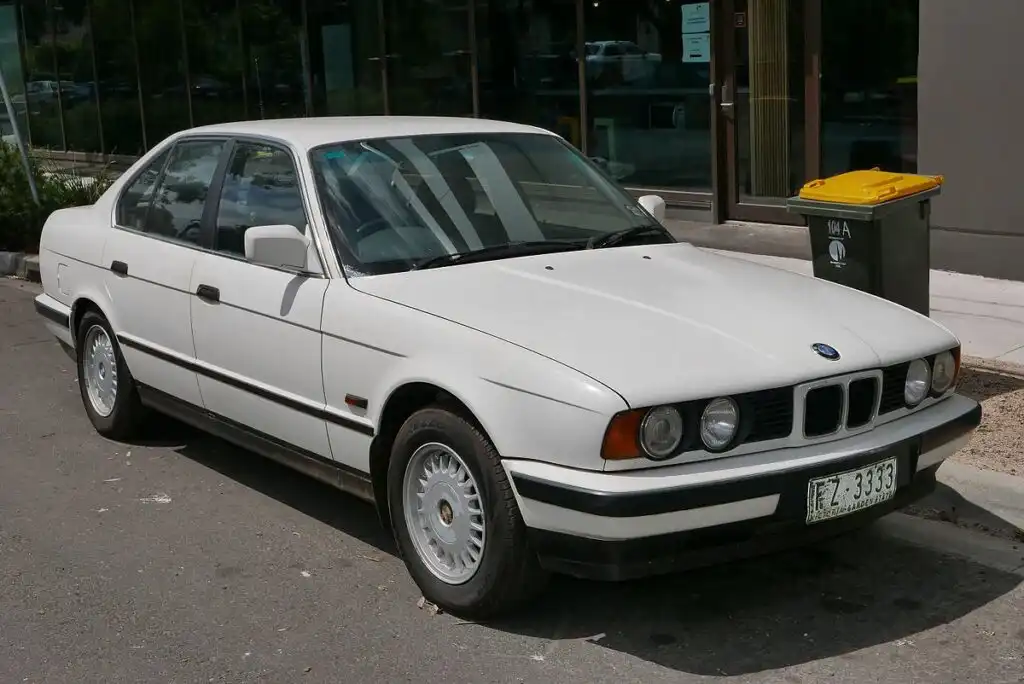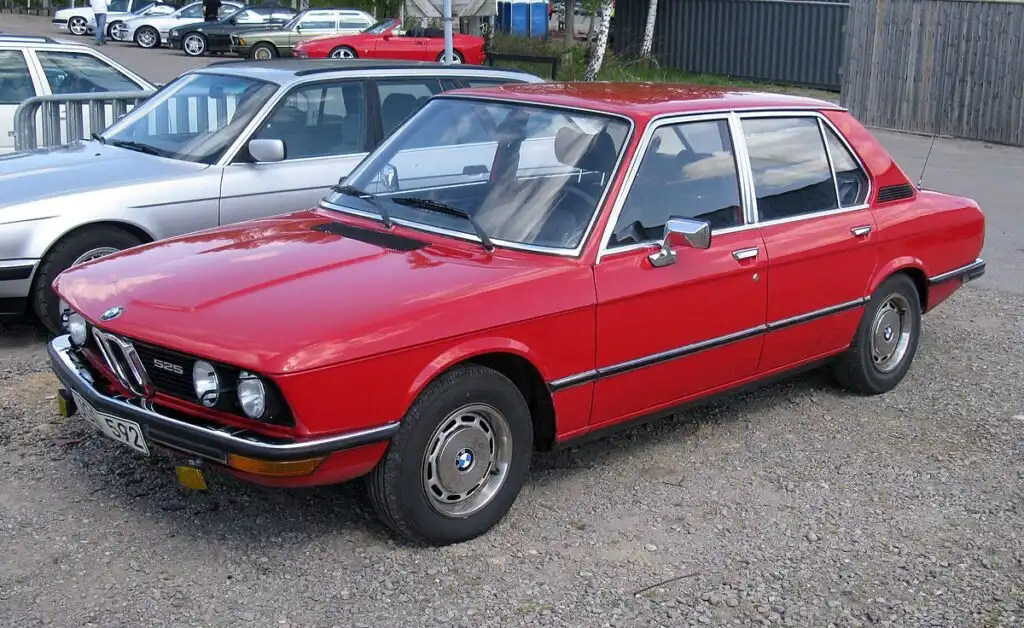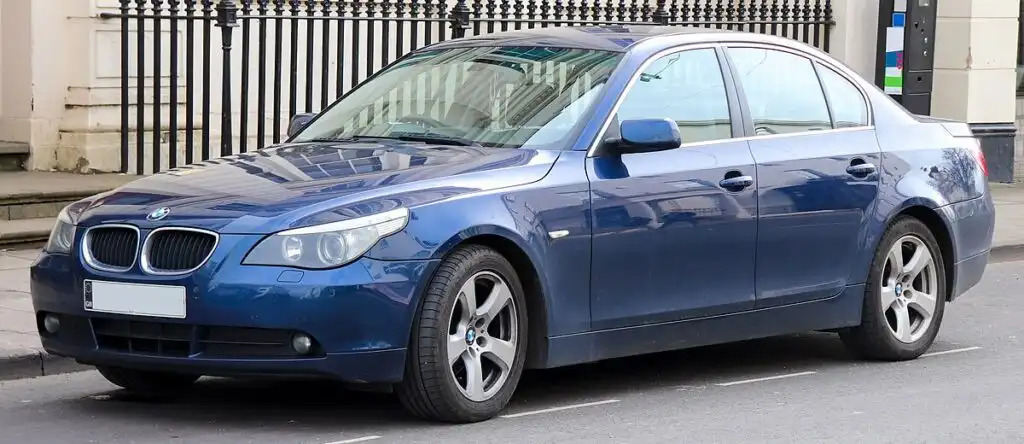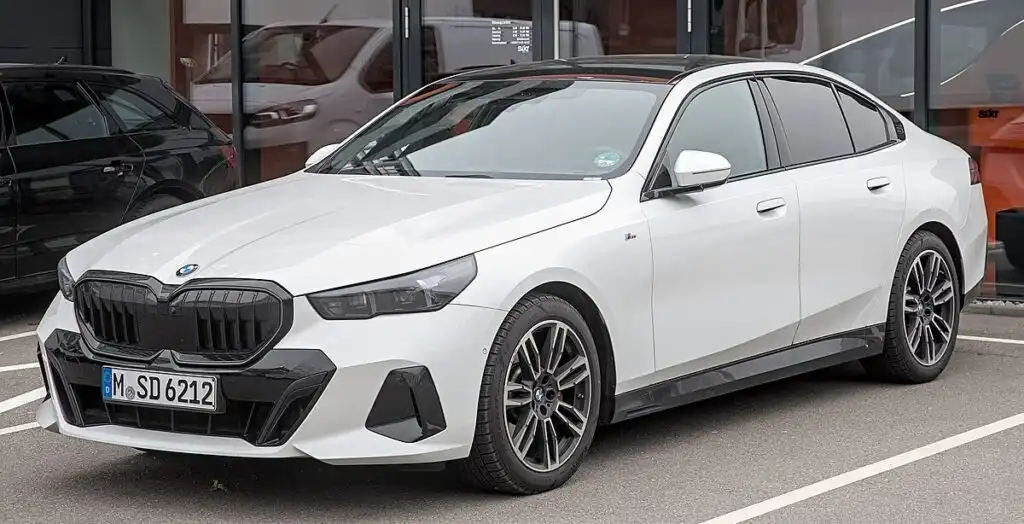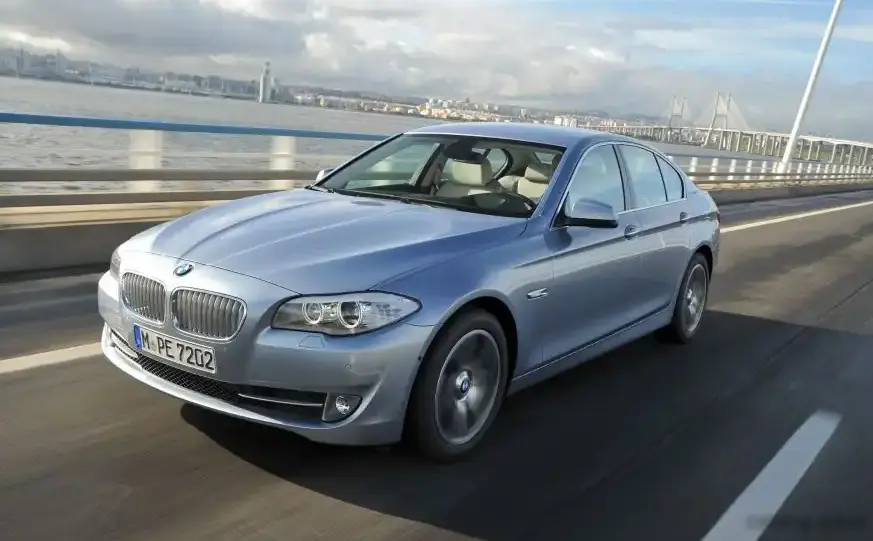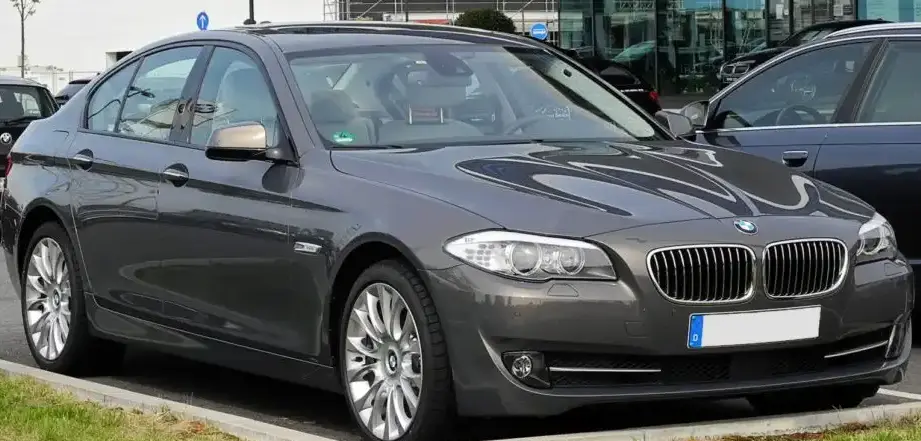
The BMW 5 Series Sedan (F10) 530d, produced from 2011 to 2013, represented a significant offering in the mid-size luxury sedan segment. Positioned as a diesel-powered variant within the broader F10 5 Series range (which spanned 2010-2017), the 530d aimed to deliver a blend of performance, efficiency, and refinement. It occupied a middle ground in the lineup, offering a step up in power and torque compared to the 520d, while remaining more accessible than the flagship 550i models. The F10 generation itself was a pivotal model for BMW, introducing a new design language and a host of technological advancements.
Technical Specifications
| Brand | BMW |
| Model | 5 Series |
| Generation | 5 Series Sedan (F10) |
| Type (Engine) | 530d (258 Hp) |
| Start of production | 2011 |
| End of production | 2013 |
| Powertrain Architecture | Internal Combustion engine |
| Body type | Sedan |
| Seats | 5 |
| Doors | 4 |
| Fuel consumption (urban) | 7.3-7.4 l/100 km (32.2 – 31.8 US mpg) |
| Fuel consumption (extra urban) | 4.7-5.1 l/100 km (50 – 46.1 US mpg) |
| Fuel consumption (combined) | 5.7-5.9 l/100 km (41.3 – 39.9 US mpg) |
| CO2 emissions | 149-155 g/km |
| Fuel Type | Diesel |
| Acceleration 0 – 100 km/h | 6.1 sec |
| Acceleration 0 – 62 mph | 6.1 sec |
| Acceleration 0 – 60 mph | 5.8 sec |
| Maximum speed | 250 km/h (155.34 mph) |
| Emission standard | Euro 5 |
| Weight-to-power ratio | 6.5 kg/Hp |
| Weight-to-torque ratio | 3.1 kg/Nm |
| Power | 258 Hp @ 4000 rpm |
| Torque | 540 Nm @ 1500-3000 rpm (398.28 lb.-ft.) |
| Engine layout | Front, Longitudinal |
| Engine Model/Code | N57D30A |
| Engine displacement | 2993 cm3 (182.64 cu. in.) |
| Number of cylinders | 6 |
| Engine configuration | Inline |
| Cylinder Bore | 84 mm (3.31 in.) |
| Piston Stroke | 90 mm (3.54 in.) |
| Compression ratio | 16.5:1 |
| Number of valves per cylinder | 4 |
| Fuel injection system | Diesel Commonrail |
| Engine aspiration | Twin-power turbo, Intercooler |
| Engine oil capacity | 6.5 l (6.87 US qt | 5.72 UK qt) |
| Coolant | 10 l (10.57 US qt | 8.8 UK qt) |
| Kerb Weight | 1685 kg (3714.79 lbs.) |
| Max. weight | 2295 kg (5059.61 lbs.) |
| Max load | 610 kg (1344.82 lbs.) |
| Trunk (boot) space – minimum | 520 l (18.36 cu. ft.) |
| Fuel tank capacity | 70 l (18.49 US gal | 15.4 UK gal) |
| Max. roof load | 100 kg (220.46 lbs.) |
| Permitted trailer load with brakes (12%) | 2000 kg (4409.25 lbs.) |
| Permitted trailer load without brakes | 750 kg (1653.47 lbs.) |
| Permitted towbar download | 90 kg (198.42 lbs.) |
| Length | 4899 mm (192.87 in.) |
| Width | 1860 mm (73.23 in.) |
| Height | 1464 mm (57.64 in.) |
| Wheelbase | 2968 mm (116.85 in.) |
| Front track | 1600 mm (62.99 in.) |
| Rear (Back) track | 1627 mm (64.06 in.) |
| Ride height (ground clearance) | 141 mm (5.55 in.) |
| Drag coefficient (Cd) | 0.28 |
| Minimum turning circle (turning diameter) | 11.95 m (39.21 ft.) |
| Drivetrain Architecture | Rear wheel drive |
| Drive wheel | Rear wheel drive |
| Number of gears and type of gearbox | 6 gears, manual transmission |
| Front suspension | Double wishbone |
| Rear suspension | Independent multi-link suspension |
| Front brakes | Ventilated discs |
| Rear brakes | Ventilated discs |
| Assisting systems | ABS (Anti-lock braking system) |
| Steering type | Steering rack and pinion |
| Power steering | Electric Steering |
| Tires size | 225/55 R17; 245/45 R18; 275/40 R18; 245/40 R19; 275/35 R19; 245/35 R20; 275/30 R20 |
| Wheel rims size | 8J x 17; 8J x 18; 9J x 18; 8.5J x 19; 9J x 19; 8.5J x 20; 9J x 20 |
Powertrain & Engine Architecture
The heart of the 530d was the N57D30A, a 3.0-liter inline-six diesel engine. This engine was a cornerstone of BMW’s diesel offerings during the early 2010s, known for its robust construction and sophisticated technology. The N57 featured a common-rail direct injection system, delivering fuel at extremely high pressures for optimized combustion. Crucially, the 530d utilized a twin-turbocharger setup – a smaller turbo for quick response at low engine speeds and a larger turbo for sustained power at higher RPMs. This configuration minimized turbo lag and provided a broad, usable torque curve. The engine produced 258 horsepower at 4,000 rpm and a substantial 540 Nm (398 lb-ft) of torque between 1,500 and 3,000 rpm. The 6-speed manual transmission was standard, offering precise shifts and driver engagement. An 8-speed automatic transmission was also available as an option, further enhancing fuel efficiency and providing smoother gear changes.
Driving Characteristics
The 530d, even with the manual transmission, offered a refined and capable driving experience. The abundant low-end torque from the N57 engine meant strong acceleration from a standstill and effortless overtaking. While not as overtly sporty as the gasoline-powered 535i or 550i, the 530d provided ample power for most driving situations. The manual gearbox, while engaging, had a slightly longer throw compared to some competitors. The optional 8-speed automatic was a popular choice, offering seamless shifts and contributing to improved fuel economy. The rear-wheel-drive configuration provided a balanced feel, although traction could be a concern in slippery conditions. The steering was precise and well-weighted, typical of BMW’s engineering philosophy.
Equipment & Trim Levels
The 530d typically came well-equipped, reflecting its position as a premium sedan. Standard features included leather upholstery, automatic climate control, a multi-function steering wheel, and a BMW iDrive infotainment system. Optional extras were plentiful, including navigation, premium sound systems (Harman Kardon or Bang & Olufsen), adaptive cruise control, and a head-up display. Interior trim options ranged from wood veneers to aluminum accents, allowing buyers to personalize the cabin. Exterior styling was relatively understated, with subtle badging differentiating the 530d from other 5 Series models.
Chassis & Braking
The F10 5 Series utilized a double-wishbone front suspension and an independent multi-link rear suspension, providing a comfortable ride and precise handling. The 530d, being a mid-range model, typically featured ventilated disc brakes on all four wheels. Anti-lock braking system (ABS) and electronic stability control (ESC) were standard safety features. The suspension tuning was geared towards comfort, but still offered a reasonable level of body control in corners. The weight distribution was nearly 50/50, contributing to balanced handling characteristics.
Market Reception & Comparison
The 530d was generally well-received by automotive critics. It was praised for its fuel efficiency, strong performance, and refined driving experience. Compared to the 520d, the 530d offered a noticeable power upgrade, making it a more compelling choice for drivers who frequently undertook long journeys or required more responsive acceleration. Against the 535i, the 530d offered comparable torque but less overall horsepower, and a significant fuel economy advantage. The 530d’s diesel engine also provided a longer range between fill-ups. Reliability was generally good, although some owners reported issues with the diesel particulate filter (DPF) and turbocharger over the long term.
Legacy
The BMW F10 530d has proven to be a durable and relatively reliable vehicle in the used car market. The N57 engine, while complex, is generally considered robust when properly maintained. Regular servicing, including oil changes and DPF regeneration, is crucial for long-term reliability. Today, the F10 530d represents a good value proposition for buyers seeking a comfortable, efficient, and well-equipped luxury sedan. Its blend of performance and economy continues to appeal to a wide range of drivers, and its reputation for build quality ensures its continued presence on roads for years to come.