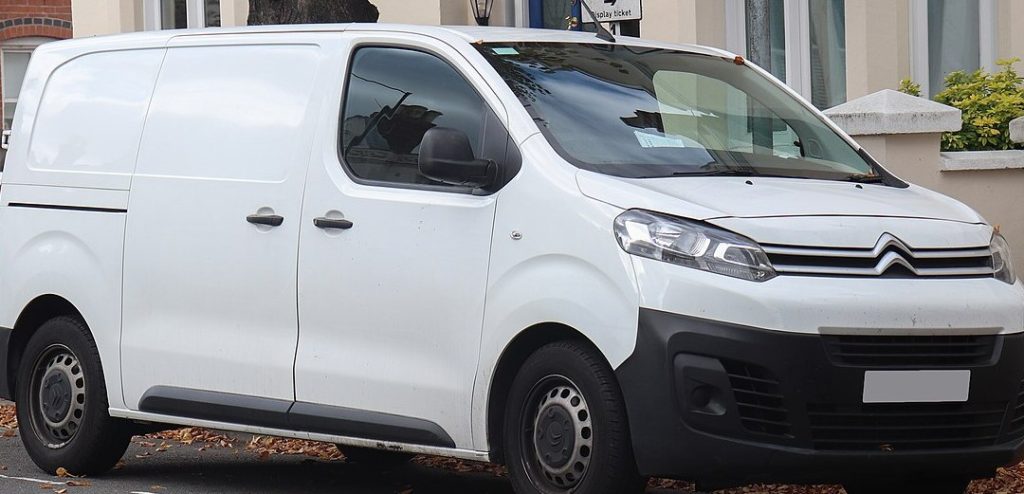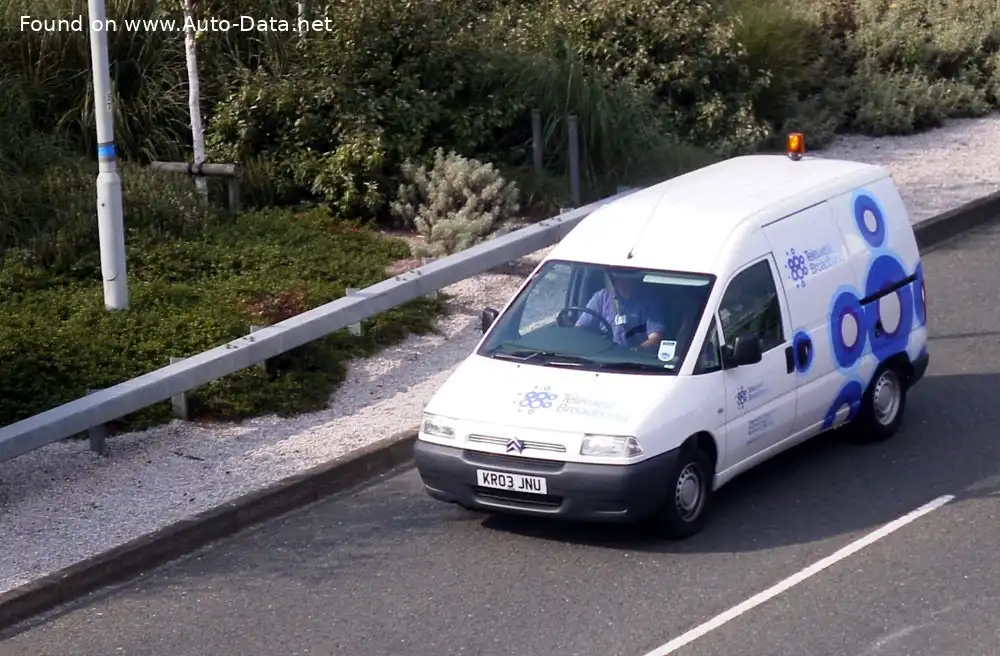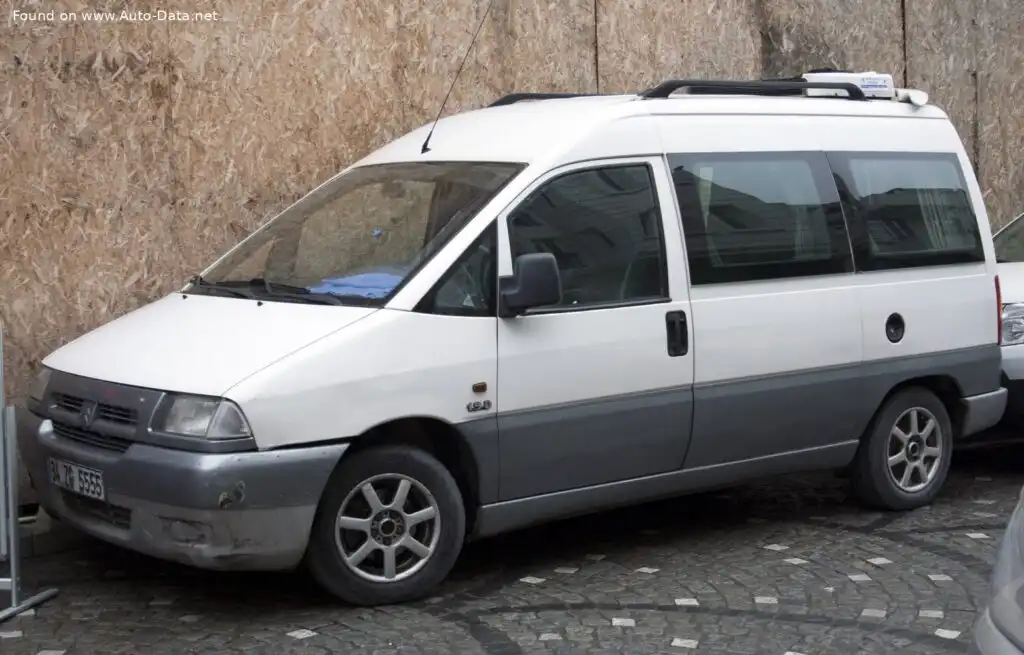
The Citroen Jumpy I, marketed in the UK as the Dispatch, was a light commercial vehicle and passenger van produced from 1995 to 2006. The first generation, designated as the Jumpy I (and X81/X82 internally), was a collaborative effort between Citroen, Peugeot, and Fiat, resulting in the Peugeot Expert and Fiat Scudo being nearly identical vehicles. Production of the 2.0 HDi (109 hp) variant ran from 2000 to 2003, representing a significant upgrade in terms of fuel efficiency and performance compared to earlier petrol engine options. This version occupied a mid-range position within the Jumpy lineup, offering a balance between affordability, practicality, and reasonable running costs for commercial and family users alike.
Technical Specifications
| Brand | Citroen |
| Model | Jumpy |
| Generation | Jumpy I Dispatch |
| Type (Engine) | 2.0 HDi (109 Hp) |
| Start of production | 2000 year |
| End of production | 2003 year |
| Powertrain Architecture | Internal Combustion engine |
| Body type | Minivan |
| Seats | 5-6 |
| Doors | 5 |
| Fuel consumption (urban) | 8.4 l/100 km (28 US mpg, 33.6 UK mpg, 11.9 km/l) |
| Fuel consumption (extra urban) | 5.8 l/100 km (40.6 US mpg, 48.7 UK mpg, 17.2 km/l) |
| Fuel consumption (combined) | 6.8 l/100 km (34.6 US mpg, 41.5 UK mpg, 14.7 km/l) |
| Fuel Type | Diesel |
| Acceleration 0 – 100 km/h | 14.2 sec |
| Acceleration 0 – 62 mph | 14.2 sec |
| Acceleration 0 – 60 mph | 13.5 sec |
| Maximum speed | 165 km/h (102.53 mph) |
| Emission standard | Euro 2 |
| Weight-to-power ratio | 14 kg/Hp, 71.5 Hp/tonne |
| Weight-to-torque ratio | 6.1 kg/Nm, 164 Nm/tonne |
| Power | 109 Hp @ 4000 rpm |
| Power per litre | 54.6 Hp/l |
| Torque | 250 Nm @ 1750 rpm (184.39 lb.-ft. @ 1750 rpm) |
| Engine layout | Front, Transverse |
| Engine Model/Code | RHZ DW10ATED |
| Engine displacement | 1997 cm3 (121.86 cu. in.) |
| Number of cylinders | 4 |
| Engine configuration | Inline |
| Cylinder Bore | 85 mm (3.35 in.) |
| Piston Stroke | 88 mm (3.46 in.) |
| Number of valves per cylinder | 2 |
| Fuel injection system | Diesel Commonrail |
| Engine aspiration | Turbocharger, Intercooler |
| Valvetrain | SOHC |
| Engine oil capacity | 4.7 l (4.97 US qt | 4.14 UK qt) |
| Coolant | 9 l (9.51 US qt | 7.92 UK qt) |
| Kerb Weight | 1524 kg (3359.84 lbs.) |
| Max. weight | 2330 kg (5136.77 lbs.) |
| Max load | 806 kg (1776.93 lbs.) |
| Fuel tank capacity | 80 l (21.13 US gal | 17.6 UK gal) |
| Max. roof load | 100 kg (220.46 lbs.) |
| Permitted trailer load with brakes (8%) | 1800 kg (3968.32 lbs.) |
| Permitted trailer load with brakes (12%) | 1300 kg (2866.01 lbs.) |
| Permitted trailer load without brakes | 750 kg (1653.47 lbs.) |
| Permitted towbar download | 60 kg (132.28 lbs.) |
| Length | 4440 mm (174.8 in.) |
| Width | 1810 mm (71.26 in.) |
| Width including mirrors | 2134 mm (84.02 in.) |
| Height | 1927 mm (75.87 in.) |
| Wheelbase | 2824 mm (111.18 in.) |
| Front track | 1540 mm (60.63 in.) |
| Rear track | 1540 mm (60.63 in.) |
| Front overhang | 846 mm (33.31 in.) |
| Rear overhang | 770 mm (30.31 in.) |
| Minimum turning circle | 12.35 m (40.52 ft.) |
| Drivetrain Architecture | Front wheel drive |
| Drive wheel | Front wheel drive |
| Number of gears | 5 gears, manual transmission |
| Front suspension | Independent, type McPherson with coil spring and anti-roll bar |
| Rear suspension | Trailing arm, Torsion |
| Front brakes | Ventilated discs |
| Rear brakes | Drum |
| Assisting systems | ABS (Anti-lock braking system) |
| Steering type | Steering rack and pinion |
| Power steering | Hydraulic Steering |
| Tires size | 205/65 R15 |
| Wheel rims size | 6.5J x 15 |
Powertrain & Engine Architecture
The heart of this Jumpy variant is the 2.0 HDi engine, specifically the RHZ/DW10ATED code. This engine is a four-cylinder, inline diesel utilizing a turbocharger with an intercooler to boost power and efficiency. The introduction of common rail direct injection was a key feature, allowing for more precise fuel delivery and improved combustion. The engine produces 109 horsepower at 4000 rpm and 250 Nm (184 lb-ft) of torque at a relatively low 1750 rpm. This torque curve made the Jumpy I 2.0 HDi well-suited for carrying loads and providing adequate acceleration even when fully laden. The engine features a single overhead camshaft (SOHC) valvetrain with two valves per cylinder. The transmission is a five-speed manual gearbox, chosen for its durability and cost-effectiveness in a commercial vehicle application.
Driving Characteristics
The 2.0 HDi 109 hp engine, paired with the five-speed manual transmission, provided a practical, if not particularly sporty, driving experience. Acceleration from 0-60 mph took around 13.5 seconds, and top speed was approximately 102.5 mph. The engine’s strength lay in its mid-range torque, making it capable of hauling passengers or cargo without excessive strain. The gear ratios were geared towards maximizing fuel economy and providing sufficient pulling power. Compared to the more powerful 2.0 HDi 120 hp or 2.0 HDi 160 hp versions, this variant felt less responsive, especially at higher speeds. However, it offered a noticeable improvement in fuel economy and a lower purchase price, making it attractive to budget-conscious buyers.
Equipment & Trim Levels
The Jumpy I 2.0 HDi (109 hp) typically came with a fairly basic level of equipment, reflecting its commercial vehicle origins. Standard features included power steering, ABS brakes, and a driver’s airbag. Interior trim was functional and durable, with cloth upholstery and a simple dashboard layout. Options available included air conditioning, electric windows, and a radio/CD player. Higher trim levels, if selected, might have added features like central locking, upgraded upholstery, and alloy wheels. The passenger-carrying versions often featured additional seating configurations and rear windows.
Chassis & Braking
The Jumpy I utilized a McPherson strut front suspension with a torsion beam rear suspension. This setup provided a reasonable balance between ride comfort and handling. The front brakes were ventilated discs, offering good stopping power, while the rear brakes were drums, a cost-saving measure common in this class of vehicle. The steering was a hydraulic rack and pinion system, providing relatively light and precise steering feel. The vehicle’s weight distribution and suspension tuning were optimized for carrying loads, resulting in a stable and predictable driving experience even when heavily laden.
Market Reception & Comparison
The Citroen Jumpy I 2.0 HDi (109 hp) was generally well-received as a practical and reliable workhorse. Critics praised its fuel efficiency, spacious interior, and load-carrying capacity. However, some noted its relatively basic interior and lack of refinement compared to more passenger-focused vehicles. Compared to the more powerful Jumpy variants, the 109 hp version offered a lower price point and better fuel economy, making it a popular choice for businesses and families seeking a cost-effective van. The Fiat Scudo and Peugeot Expert, being mechanically identical, offered similar performance and features.
Legacy
The 2.0 HDi engine proved to be a durable and reliable unit, and many Jumpy I models with this engine are still in service today. While not known for blistering performance, the engine’s longevity and relatively low maintenance costs have contributed to its enduring popularity. The Jumpy I, and its Peugeot and Fiat counterparts, established a strong reputation in the light commercial vehicle segment, paving the way for subsequent generations of these vans. In the used car market, the 2.0 HDi 109 hp variant represents a good value proposition for those seeking a practical and affordable van for work or leisure.