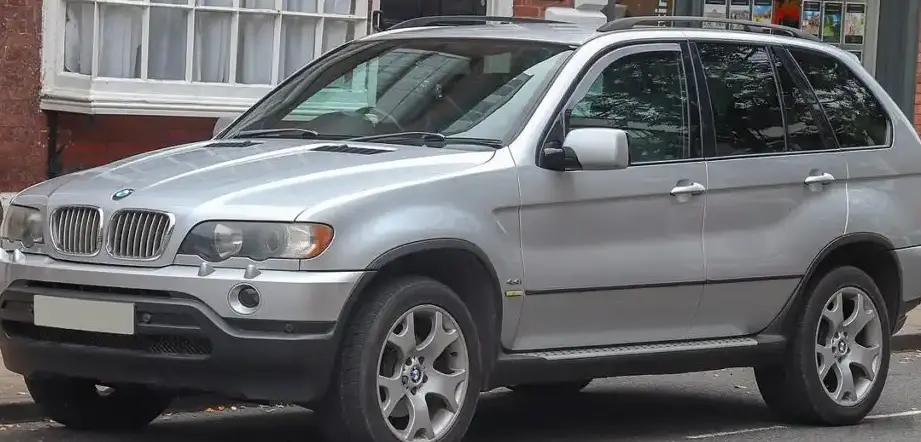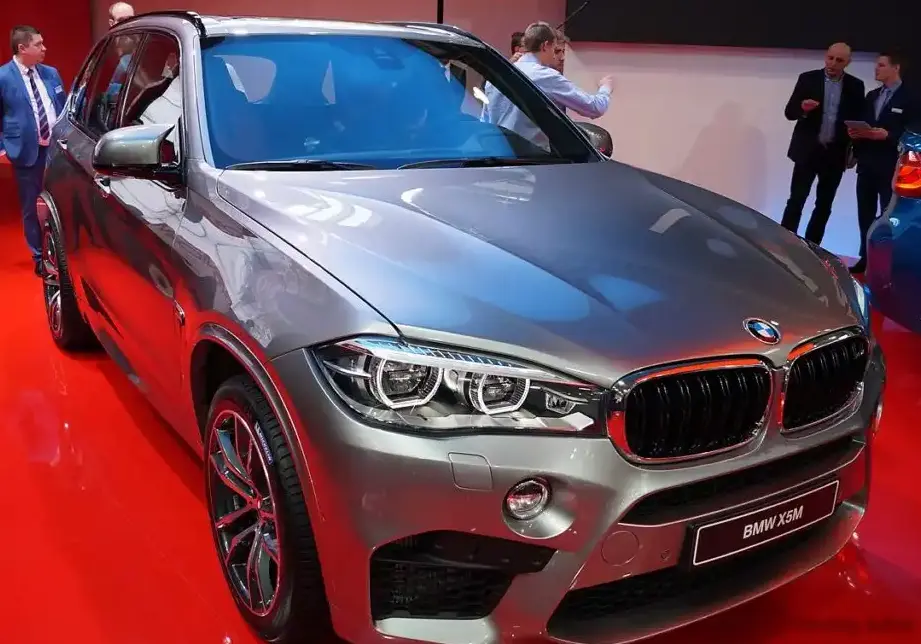
The BMW X5 (E70 LCI) 35d xDrive Steptronic, produced from March 2010 to 2013, represents a significant iteration of BMW’s popular mid-size luxury SUV. This variant, part of the E70 Life Cycle Impulse (LCI) facelift, offered a diesel-powered option aimed at European markets and increasingly, North American buyers seeking fuel efficiency without sacrificing performance or luxury. Positioned as a mid-range offering within the X5 lineup, it slotted between the entry-level xDrive30i and the higher-performance xDrive50i models. The 35d combined BMW’s renowned all-wheel-drive system with a potent six-cylinder diesel engine and a six-speed automatic transmission, creating a versatile vehicle suited for both daily commuting and long-distance travel.
Technical Specifications
| Brand | BMW |
| Model | X5 |
| Generation | X5 (E70 LCI, facelift 2010) |
| Type (Engine) | 35d (265 Hp) xDrive Steptronic |
| Start of production | March, 2010 |
| End of production | 2013 |
| Powertrain Architecture | Internal Combustion engine |
| Body type | SUV |
| Seats | 5-7 |
| Doors | 5 |
| Fuel consumption (economy) – urban (EPA) | 12.4 l/100 km (19 US mpg, 22.8 UK mpg, 8.1 km/l) |
| Fuel consumption (economy) – extra urban (EPA) | 9 l/100 km (26.1 US mpg, 31.4 UK mpg, 11.1 km/l) |
| Fuel consumption (economy) – combined (EPA) | 10.7-11.2 l/100 km (22 – 21 US mpg, 26.4 – 25.2 UK mpg, 9.3 – 8.9 km/l) |
| Fuel Type | Diesel |
| Acceleration 0 – 100 km/h | 7.4 sec |
| Acceleration 0 – 62 mph | 7.4 sec |
| Acceleration 0 – 60 mph | 6.9 sec |
| Maximum speed | 210 km/h (130.49 mph) – Electronically limited |
| Weight-to-power ratio | 8.9 kg/Hp, 112.5 Hp/tonne |
| Weight-to-torque ratio | 4.1 kg/Nm, 244.6 Nm/tonne |
| Power | 265 Hp @ 4200 rpm |
| Power per litre | 88.5 Hp/l |
| Torque | 576 Nm @ 1750-2250 rpm (424.84 lb.-ft. @ 1750-2250 rpm) |
| Engine layout | Front, Longitudinal |
| Engine Model/Code | M57D30T2 |
| Engine displacement | 2993 cm3 (182.64 cu. in.) |
| Number of cylinders | 6 |
| Engine configuration | Inline |
| Cylinder Bore | 84 mm (3.31 in.) |
| Piston Stroke | 90 mm (3.54 in.) |
| Compression ratio | 17:1 |
| Number of valves per cylinder | 4 |
| Fuel injection system | Diesel Commonrail |
| Engine aspiration | Twin-Turbo, Intercooler |
| Valvetrain | DOHC |
| Engine oil capacity | 7.2 l (7.61 US qt | 6.34 UK qt) |
| Coolant | 10.4 l (10.99 US qt | 9.15 UK qt) |
| Kerb Weight | 2355 kg (5191.89 lbs.) |
| Max. weight | 2985 kg (6580.8 lbs.) |
| Max load | 630 kg (1388.91 lbs.) |
| Trunk (boot) space – minimum | 620 l (21.9 cu. ft.) |
| Trunk (boot) space – maximum | 1750 l (61.8 cu. ft.) |
| Fuel tank capacity | 85 l (22.45 US gal | 18.7 UK gal) |
| Max. roof load | 100 kg (220.46 lbs.) |
| Length | 4857 mm (191.22 in.) |
| Width | 1933 mm (76.1 in.) |
| Width including mirrors | 2197 mm (86.5 in.) |
| Height | 1776 mm (69.92 in.) |
| Wheelbase | 2933 mm (115.47 in.) |
| Front track | 1644 mm (64.72 in.) |
| Rear (Back) track | 1650 mm (64.96 in.) |
| Front overhang | 864 mm (34.02 in.) |
| Rear overhang | 1060 mm (41.73 in.) |
| Ride height (ground clearance) | 222 mm (8.74 in.) |
| Drag coefficient (Cd) | 0.35 |
| Minimum turning circle (turning diameter) | 12.8 m (41.99 ft.) |
| Drivetrain Architecture | The Internal combustion engine (ICE) drives permanently the four wheels of the vehicle. |
| Drive wheel | All wheel drive (4×4) |
| Number of gears and type of gearbox | 6 gears, automatic transmission Steptronic |
| Front suspension | Coil spring, Double wishbone, Transverse stabilizer |
| Rear suspension | Independent multi-link spring suspension with stabilizer |
| Front brakes | Ventilated discs, 348×30 mm |
| Rear brakes | Ventilated discs, 320×20 mm |
| Assisting systems | ABS (Anti-lock braking system) |
| Steering type | Steering rack and pinion |
| Power steering | Hydraulic Steering |
| Tires size | Front wheel tires: 255/55 R18; 255/50 R19; 275/40 R20Rear wheel tires: 255/55 R18; 255/50 R19; 315/35 R20 |
| Wheel rims size | Front wheel rims: 8.5J x 18; 9J x 19; 10J x 20Rear wheel rims: 8.5J x 18; 9J x 19; 11J x 20 |
Powertrain & Engine Architecture
The heart of the X5 35d is the M57D30T2, a 3.0-liter inline-six diesel engine. This engine is a product of BMW’s extensive diesel technology development, featuring common-rail direct injection and a sophisticated twin-turbocharger system. The twin-turbo setup utilizes a small, variable geometry turbocharger for quick response at low engine speeds, paired with a larger turbocharger for increased power at higher RPMs. This configuration effectively minimizes turbo lag and delivers a broad, usable torque curve. The engine boasts a compression ratio of 17:1, contributing to its efficiency. The six-speed Steptronic automatic transmission, while not the most modern by today’s standards, was known for its smooth shifts and reliability. It was programmed to prioritize fuel economy while still providing responsive gear changes when needed.
Driving Characteristics
The X5 35d xDrive Steptronic offered a compelling blend of performance and efficiency. The 265 horsepower and 424 lb-ft of torque provided ample power for everyday driving and confident overtaking maneuvers. While not as quick as the gasoline-powered X5 variants, the 35d’s torque advantage meant it felt strong and responsive from low speeds. The automatic transmission, with its six gears, was well-matched to the engine’s characteristics, providing smooth and predictable shifts. Compared to the manual transmission options available on other X5 models, the automatic prioritized comfort and ease of use. The xDrive all-wheel-drive system provided excellent traction in all weather conditions, enhancing stability and control.
Equipment & Trim Levels
The X5 35d typically came well-equipped, reflecting its position as a luxury SUV. Standard features included leather upholstery, power-adjustable front seats with memory function, automatic climate control, a premium sound system, and BMW’s iDrive infotainment system. Optional extras included navigation, a panoramic sunroof, heated seats, and various driver-assistance systems. Trim levels were relatively straightforward, with most customization options available as individual selections rather than distinct packages. The interior design was typical of BMW at the time, emphasizing a driver-focused layout with high-quality materials and a refined aesthetic.
Chassis & Braking
The E70 X5 featured a robust chassis with a double-wishbone front suspension and an independent multi-link rear suspension. This setup provided a comfortable ride while maintaining good handling characteristics. Stabilizer bars were fitted to both axles to reduce body roll during cornering. The braking system consisted of ventilated discs on all four wheels, providing ample stopping power. The 35d variant, due to its weight, utilized slightly larger rear rotors compared to some of the lighter X5 models. ABS (Anti-lock Braking System) was standard, enhancing safety and control during emergency braking situations.
Market Reception & Comparison
The X5 35d was generally well-received by automotive critics, who praised its fuel efficiency, strong torque output, and comfortable ride. It was often compared to other diesel-powered luxury SUVs, such as the Porsche Cayenne Diesel and the Mercedes-Benz ML350 BlueTEC. The X5 35d typically offered a more engaging driving experience than its competitors, thanks to BMW’s focus on handling and dynamics. Fuel economy was a key selling point, with the 35d achieving significantly better mileage than its gasoline-powered counterparts. However, some critics noted that the automatic transmission could feel slightly dated compared to the newer eight-speed automatics offered by some competitors.
Legacy
The M57D30T2 engine, found in the X5 35d, has proven to be a durable and reliable powerplant when properly maintained. While diesel engines generally require more diligent maintenance than their gasoline counterparts, the M57D30T2 is known for its longevity. On the used car market, the X5 35d represents a good value proposition for buyers seeking a capable and fuel-efficient luxury SUV. However, potential buyers should be aware of the potential for diesel particulate filter (DPF) issues and the importance of regular maintenance to ensure long-term reliability. The E70 X5 35d remains a popular choice for those who appreciate the combination of BMW’s driving dynamics and the efficiency of a diesel engine.