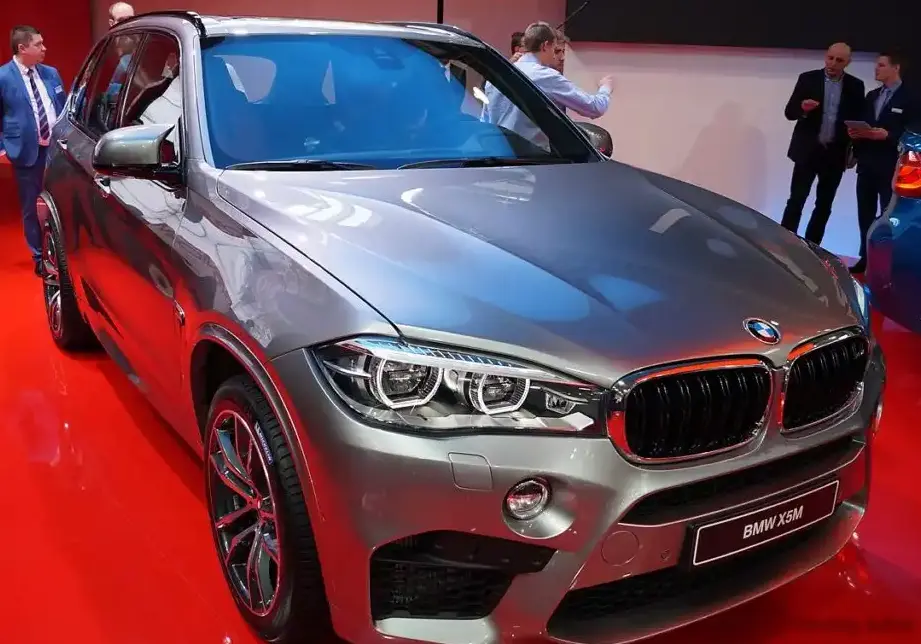
The BMW X5 (E70 LCI) M50d xDrive Steptronic, produced for the 2013 model year, represented a significant offering in the luxury SUV segment. This variant, part of the E70 LCI (Life Cycle Impulse – or facelift) generation of the X5, combined a powerful diesel engine with BMW’s xDrive all-wheel-drive system and an eight-speed automatic transmission. It was positioned as a high-performance, efficient alternative to gasoline-powered X5 models, targeting buyers who desired strong torque and respectable fuel economy. The E70 X5, launched in 2006, was BMW’s first foray into the mid-size luxury SUV market, and the M50d trim aimed to elevate the model’s performance credentials.
Technical Specifications
| Brand | BMW |
| Model | X5 |
| Generation | X5 (E70 LCI, facelift 2010) |
| Type (Engine) | M50d (381 Hp) xDrive Steptronic |
| Start of production | 2013 |
| End of production | 2013 |
| Powertrain Architecture | Internal Combustion engine |
| Body type | SUV |
| Seats | 5 |
| Doors | 5 |
| Fuel consumption (urban) | 8.8 l/100 km (26.7 US mpg, 32.1 UK mpg, 11.4 km/l) |
| Fuel consumption (extra urban) | 6.8 l/100 km (34.6 US mpg, 41.5 UK mpg, 14.7 km/l) |
| Fuel consumption (combined) | 7.5 l/100 km (31.4 US mpg, 37.7 UK mpg, 13.3 km/l) |
| Fuel Type | Diesel |
| Acceleration 0 – 100 km/h | 5.4 sec |
| Acceleration 0 – 62 mph | 5.4 sec |
| Acceleration 0 – 60 mph | 5.1 sec |
| Maximum speed | 250 km/h (155.34 mph) |
| Weight-to-power ratio | 5.8 kg/Hp, 171.2 Hp/tonne |
| Weight-to-torque ratio | 3 kg/Nm, 332.6 Nm/tonne |
| Power | 381 Hp @ 4000-4400 rpm |
| Power per litre | 127.3 Hp/l |
| Torque | 740 Nm @ 2000-3000 rpm (545.8 lb.-ft. @ 2000-3000 rpm) |
| Engine layout | Front, Longitudinal |
| Engine Model/Code | N57D30C |
| Engine displacement | 2993 cm3 (182.64 cu. in.) |
| Number of cylinders | 6 |
| Engine configuration | Inline |
| Cylinder Bore | 84 mm (3.31 in.) |
| Piston Stroke | 90 mm (3.54 in.) |
| Compression ratio | 16:1 |
| Number of valves per cylinder | 4 |
| Fuel injection system | Diesel Commonrail |
| Engine aspiration | Turbocharger, Intercooler |
| Engine oil capacity | 6.5 l (6.87 US qt | 5.72 UK qt) |
| Coolant | 13 l (13.74 US qt | 11.44 UK qt) |
| Kerb Weight | 2225 kg (4905.29 lbs.) |
| Max. weight | 2830 kg (6239.08 lbs.) |
| Max load | 605 kg (1333.8 lbs.) |
| Fuel tank capacity | 85 l (22.45 US gal | 18.7 UK gal) |
| Length | 4857 mm (191.22 in.) |
| Width | 2010 mm (79.13 in.) |
| Height | 1766 mm (69.53 in.) |
| Wheelbase | 2933 mm (115.47 in.) |
| Front track | 1662 mm (65.43 in.) |
| Rear track | 1702 mm (67.01 in.) |
| Drive wheel | All wheel drive (4×4) |
| Number of gears | 8 |
| Gearbox type | Automatic transmission |
| Front brakes | Ventilated discs |
| Rear brakes | Ventilated discs |
| Assisting systems | ABS (Anti-lock braking system) |
| Steering type | Steering rack and pinion |
| Tires size | 255/50 R19 107W; 285/45 R19 111W |
| Wheel rims size | 9J x 19; 10J x 19 |
Powertrain & Engine Architecture
The heart of the X5 M50d is the N57D30C engine, a 3.0-liter inline-six diesel engine. This engine utilizes a sophisticated common-rail direct injection system, delivering fuel at extremely high pressures for optimized combustion. A variable geometry turbocharger (VGT) with intercooling is employed to maximize power and torque across a broad RPM range. The N57 engine family is known for its robust construction and ability to handle significant power upgrades. The M50d variant featured a tri-turbo setup – a small turbo for immediate response, a larger turbo for mid-range power, and another turbo to assist at higher engine speeds. This configuration contributed to the engine’s impressive 740 Nm (545.8 lb-ft) of torque. The engine is longitudinally mounted in the engine bay. The eight-speed automatic transmission (8HP70) is a crucial component, providing smooth and quick shifts. It features a torque converter lock-up clutch for improved efficiency at cruising speeds. The transmission is programmed for both comfort and performance, adapting to the driver’s style.
Driving Characteristics
The X5 M50d offered a unique driving experience. The abundant torque from the diesel engine provided effortless acceleration, making overtaking and highway cruising a breeze. While not as outright sporty as the X5 M (powered by a gasoline V8), the M50d delivered a surprisingly engaging driving experience. The xDrive all-wheel-drive system provided excellent traction in all weather conditions. The eight-speed automatic transmission was well-matched to the engine’s characteristics, offering smooth shifts and contributing to good fuel economy. Compared to the X5 35i (with its inline-six gasoline engine), the M50d offered significantly more torque and a more relaxed driving experience, albeit with a slightly heavier feel. Compared to the X5 30d (another diesel variant), the M50d provided a substantial power increase and a more premium feel.
Equipment & Trim Levels
The M50d trim typically came standard with a high level of equipment. This included leather upholstery, power-adjustable front seats with memory function, a premium sound system, navigation system, and a panoramic sunroof. Standard safety features included multiple airbags, ABS, stability control, and traction control. Optional extras included adaptive cruise control, a head-up display, and upgraded interior trim options. The interior design was typical of BMW at the time, with a driver-focused layout and high-quality materials. The dashboard featured a prominent iDrive infotainment system.
Chassis & Braking
The X5 M50d featured a robust chassis designed to handle the engine’s power and torque. The suspension system consisted of double wishbones at the front and a multi-link setup at the rear. The M50d typically came equipped with larger brakes than the base X5 models, featuring ventilated discs on all four wheels. ABS (Anti-lock Braking System) was standard, along with electronic stability control. The suspension was tuned to provide a balance between comfort and handling, offering a relatively compliant ride without sacrificing cornering stability.
Market Reception & Comparison
The X5 M50d was generally well-received by automotive critics. It was praised for its powerful engine, smooth transmission, and comfortable ride. The fuel economy was also considered impressive for a vehicle of its size and performance. Some critics noted that the diesel engine lacked the aural excitement of a gasoline engine, but the overall driving experience was highly regarded. Compared to other luxury SUVs in its class, such as the Porsche Cayenne and Range Rover Sport, the X5 M50d offered a compelling combination of performance, efficiency, and value.
Legacy
The N57 engine family, including the N57D30C found in the X5 M50d, has proven to be remarkably reliable. While diesel engines can be susceptible to issues with the diesel particulate filter (DPF) and turbocharger, the N57 engine has generally held up well over time. Today, used X5 M50d models are sought after by buyers who appreciate their performance and fuel efficiency. Proper maintenance, including regular oil changes and DPF regeneration, is crucial for ensuring the long-term reliability of these vehicles. The X5 M50d represents a significant step in BMW’s diesel SUV offerings, demonstrating the potential for combining performance and efficiency in a luxury package.