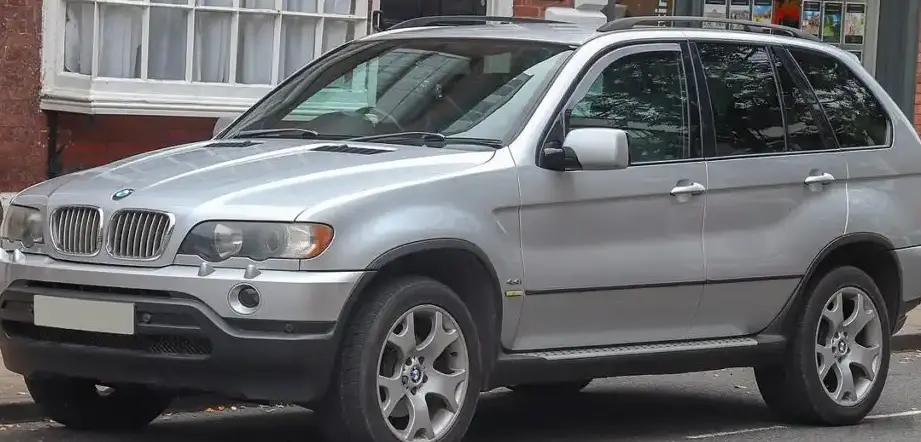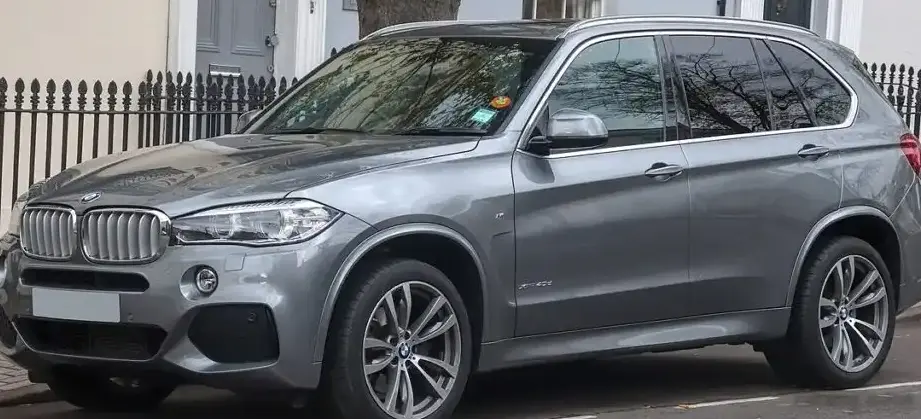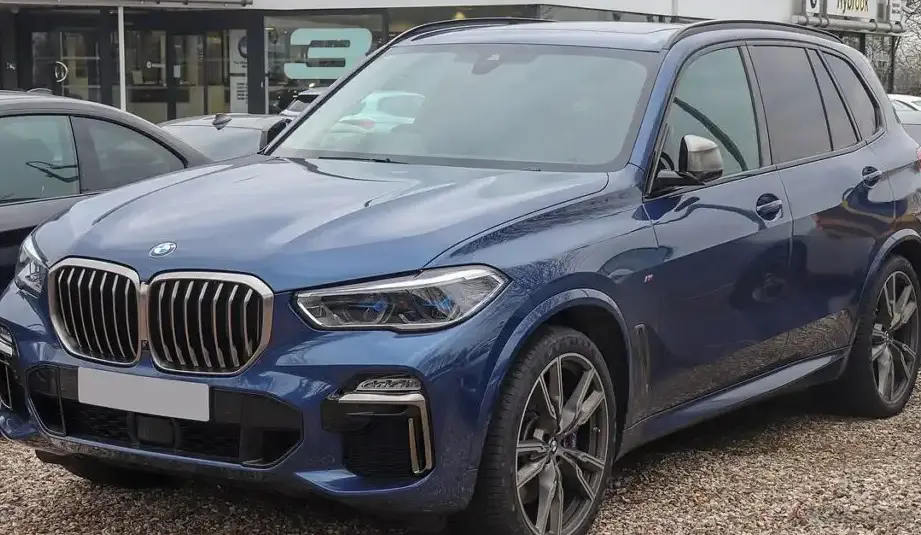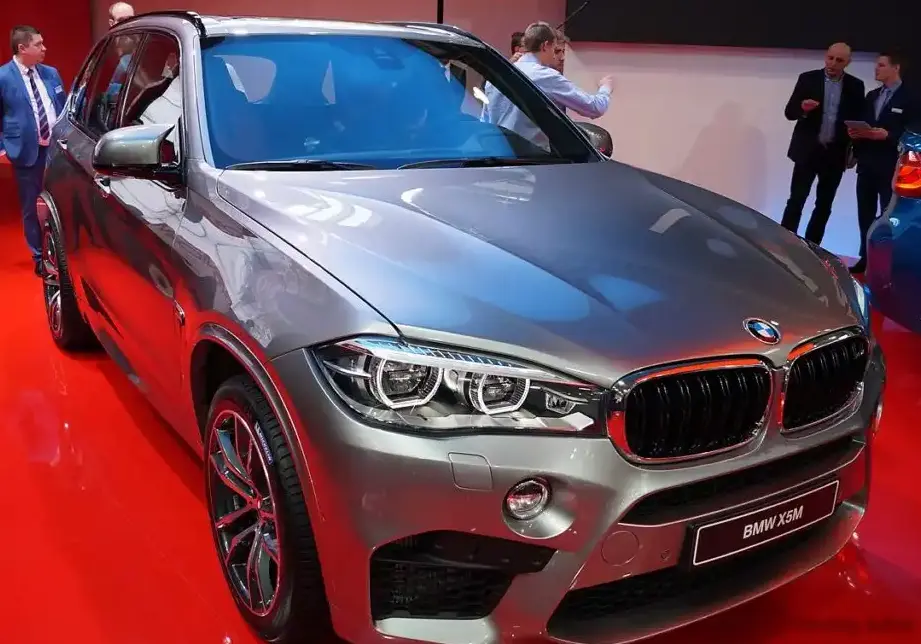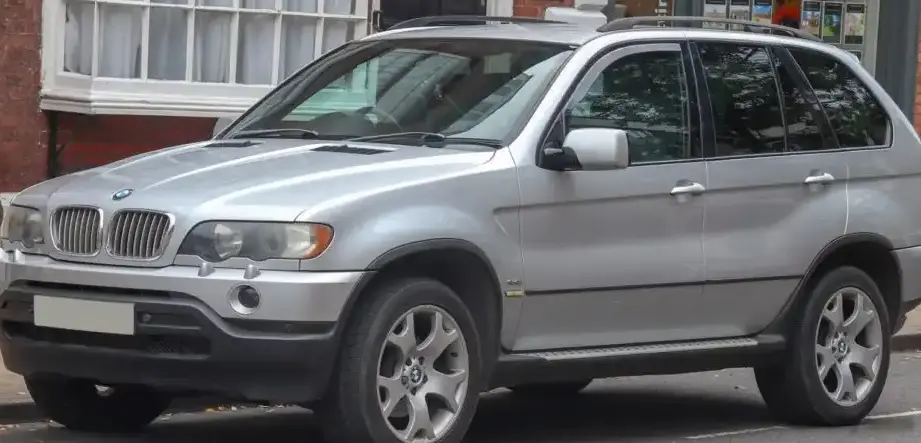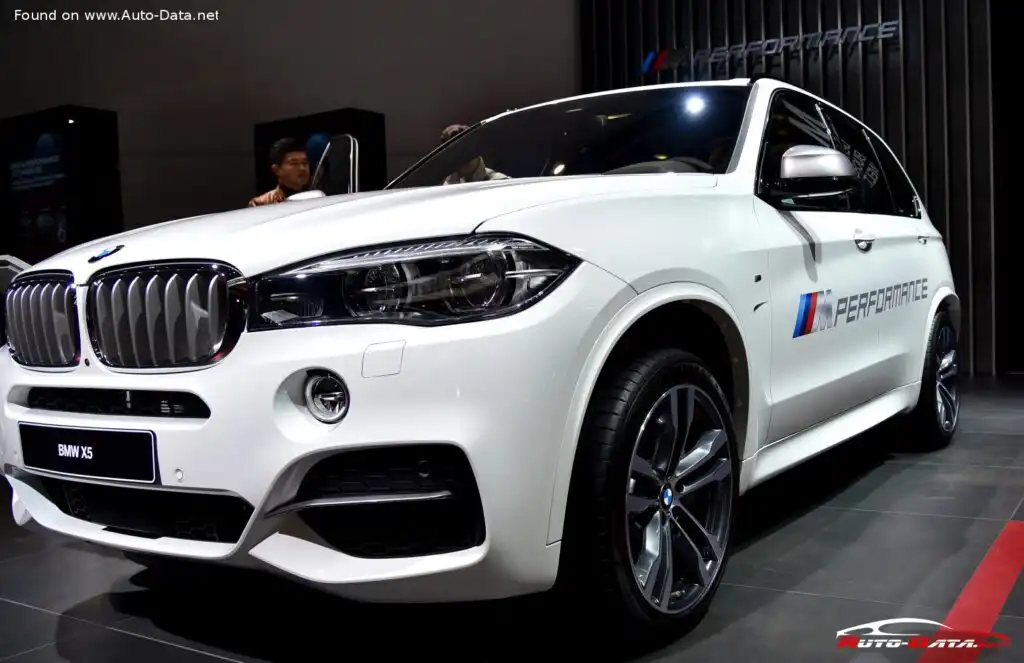
The BMW X5 (F15) 30d xDrive Steptronic, produced from 2013 to 2018, represents a significant offering in the mid-size luxury SUV segment. This variant, powered by a 3.0-liter inline-six diesel engine producing 258 horsepower, was positioned as a balance between performance and fuel efficiency within the broader F15 X5 lineup. It served as a popular choice for European buyers seeking a capable and refined SUV with lower running costs than the gasoline-powered alternatives, and gained some traction in other markets as well. The “30d” designation signifies the engine’s approximate power output (30 being roughly equivalent to 300 PS, a common metric in Europe) and “d” denoting diesel fuel.
Technical Specifications
| Brand | BMW |
| Model | X5 |
| Generation | X5 (F15) |
| Type (Engine) | 30d (258 Hp) xDrive Steptronic |
| Start of production | 2013 |
| End of production | 2018 |
| Powertrain Architecture | Internal Combustion engine |
| Body type | SAV (Sports Activity Vehicle) |
| Seats | 5-7 |
| Doors | 5 |
| Fuel consumption (urban) | 7.0-7.1 l/100 km (33.6 – 33.1 US mpg) |
| Fuel consumption (extra urban) | 5.7 l/100 km (41.3 US mpg) |
| Fuel consumption (combined) | 6.2 l/100 km (37.9 US mpg) |
| CO2 emissions | 162-164 g/km |
| Fuel Type | Diesel |
| Acceleration 0 – 100 km/h | 6.9 sec |
| Acceleration 0 – 62 mph | 6.9 sec |
| Acceleration 0 – 60 mph | 6.6 sec |
| Maximum speed | 230 km/h (142.92 mph) |
| Emission standard | Euro 6 |
| Weight-to-power ratio | 8 kg/Hp, 124.6 Hp/tonne |
| Weight-to-torque ratio | 3.7 kg/Nm, 270.5 Nm/tonne |
| Power | 258 Hp @ 4000 rpm |
| Torque | 560 Nm @ 1500-3000 rpm (413.03 lb.-ft. @ 1500-3000 rpm) |
| Engine layout | Front, Longitudinal |
| Engine Model/Code | N57D30A |
| Engine displacement | 2993 cm3 (182.64 cu. in.) |
| Number of cylinders | 6 |
| Engine configuration | Inline |
| Cylinder Bore | 84 mm (3.31 in.) |
| Piston Stroke | 90 mm (3.54 in.) |
| Compression ratio | 16.5:1 |
| Number of valves per cylinder | 4 |
| Fuel injection system | Diesel Commonrail |
| Engine aspiration | Twin-power turbo, Intercooler |
| Engine oil capacity | 6.5 l (6.87 US qt | 5.72 UK qt) |
| Coolant | 12.6 l (13.31 US qt | 11.09 UK qt) |
| Kerb Weight | 2070 kg (4563.57 lbs.) |
| Max. weight | 2780 kg (6128.85 lbs.) |
| Max load | 710 kg (1565.28 lbs.) |
| Trunk (boot) space – minimum | 650 l (22.95 cu. ft.) |
| Trunk (boot) space – maximum | 1870 l (66.04 cu. ft.) |
| Fuel tank capacity | 85 l (22.45 US gal | 18.7 UK gal) |
| Max. roof load | 100 kg (220.46 lbs.) |
| Permitted trailer load with brakes (12%) | 2700 kg (5952.48 lbs.) |
| Permitted trailer load without brakes | 750 kg (1653.47 lbs.) |
| Permitted towbar download | 140 kg (308.65 lbs.) |
| Length | 4886 mm (192.36 in.) |
| Width | 1938 mm (76.3 in.) |
| Width including mirrors | 2184 mm (85.98 in.) |
| Height | 1762 mm (69.37 in.) |
| Wheelbase | 2933 mm (115.47 in.) |
| Front track | 1644 mm (64.72 in.) |
| Rear (Back) track | 1650 mm (64.96 in.) |
| Front overhang | 890 mm (35.04 in.) |
| Rear overhang | 1063 mm (41.85 in.) |
| Ride height (ground clearance) | 209 mm (8.23 in.) |
| Drag coefficient (Cd) | 0.31 |
| Minimum turning circle (turning diameter) | 12.7 m (41.67 ft.) |
| Approach angle | 25° |
| Departure angle | 20° |
| Ramp-over (brakeover) angle | 20° |
| Wading depth | 500 mm (19.69 in.) |
| Drive wheel | All wheel drive (4×4) |
| Number of gears and type of gearbox | 8 gears, automatic transmission Steptronic |
| Front brakes | Ventilated discs |
| Rear brakes | Ventilated discs |
Powertrain & Engine Architecture
The heart of the X5 30d is the BMW N57D30A engine, a 3.0-liter inline-six diesel. This engine is renowned for its robust construction and sophisticated technology. It features a common-rail direct fuel injection system, delivering fuel at extremely high pressure for optimized combustion. The N57D30A utilizes a variable geometry turbocharger (VGT) and an intercooler to enhance power and efficiency. The twin-power turbo setup, a hallmark of BMW’s diesel engines, contributes to the engine’s strong low-end torque. The engine’s valvetrain employs four valves per cylinder, further optimizing breathing and performance. Paired with this engine is the ZF 8HP80 eight-speed automatic transmission, known for its smooth shifts and efficiency. This transmission, designated “Steptronic” by BMW, offers both automatic and manual shift modes.
Driving Characteristics
The X5 30d xDrive Steptronic delivers a refined and capable driving experience. While not as overtly sporty as the higher-powered X5 variants, the 258 horsepower and 413 lb-ft of torque provide ample power for everyday driving and comfortable highway cruising. The eight-speed automatic transmission is well-tuned, offering smooth and quick gear changes. The xDrive all-wheel-drive system provides excellent traction in various conditions. Compared to the manual transmission options available on some X5 models, the automatic prioritizes comfort and ease of use. Acceleration from 0-60 mph takes approximately 6.6 seconds, making it competitive within its class. The engine’s peak torque, available from 1500-3000 rpm, ensures strong pulling power at lower speeds, making it ideal for towing or navigating challenging terrain.
Equipment & Trim Levels
The X5 30d typically came well-equipped as standard. Common features included leather upholstery, power-adjustable front seats, a premium sound system, dual-zone automatic climate control, and a navigation system. Optional extras included a panoramic sunroof, upgraded leather options, rear-seat entertainment, and various driver-assistance systems such as adaptive cruise control and lane departure warning. Trim levels varied by market, but generally offered packages that bundled popular options together. The interior design was typical of BMW at the time, emphasizing a driver-focused layout with high-quality materials.
Chassis & Braking
The F15 X5 utilizes a MacPherson strut front suspension and a multi-link rear suspension. The suspension is tuned to provide a balance between comfort and handling. The 30d variant typically featured slightly softer spring rates compared to the higher-performance models. Braking duties are handled by ventilated disc brakes on all four wheels. The X5 also incorporates ABS (Anti-lock Braking System), electronic stability control, and traction control to enhance safety. Steering is via a rack-and-pinion system with electric power assistance.
Market Reception & Comparison
The X5 30d was generally well-received by automotive critics. It was praised for its fuel efficiency, comfortable ride, and refined interior. Compared to the X5 35i (gasoline) and X5 M50d (higher-output diesel), the 30d offered a more affordable entry point into the X5 range. While the 35i provided more outright performance, the 30d excelled in fuel economy. The M50d, with its tri-turbo diesel engine, offered significantly more power but came at a higher price. The 30d’s fuel economy figures of around 37.9 US mpg combined were a significant selling point for buyers prioritizing running costs.
Legacy
The N57D30A engine has proven to be remarkably durable and reliable, with many examples exceeding high mileage with proper maintenance. The eight-speed automatic transmission is also known for its longevity. On the used car market, the X5 30d represents a good value proposition, offering a luxurious and capable SUV at a relatively affordable price. However, potential buyers should be aware of the potential for diesel particulate filter (DPF) issues, particularly on vehicles that have primarily been used for short trips. Regular servicing and the use of high-quality diesel fuel are crucial for maintaining the long-term health of this powertrain.