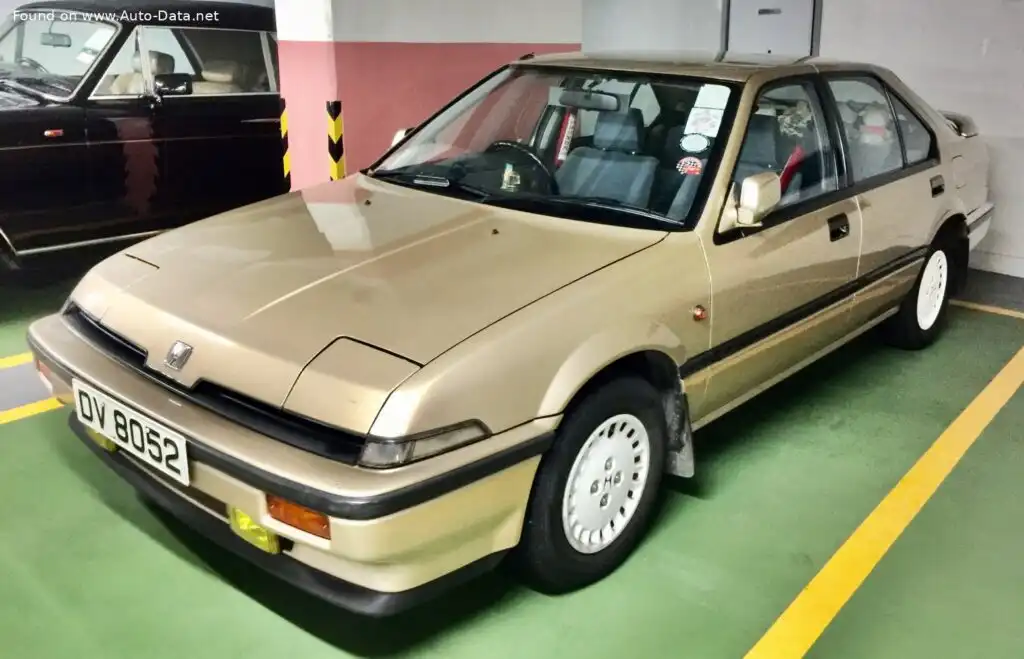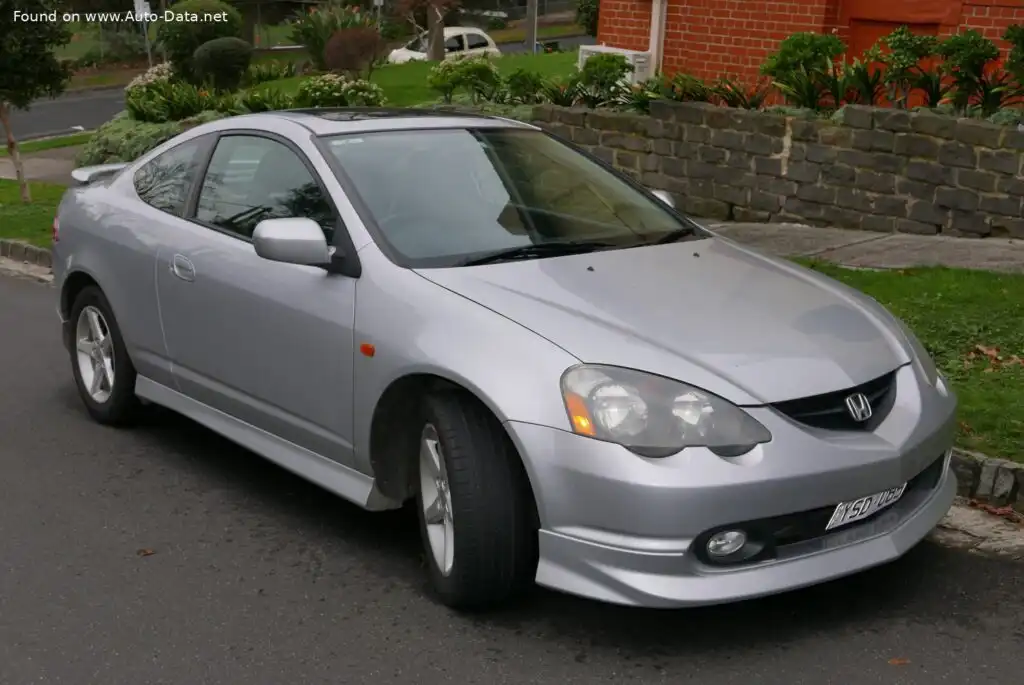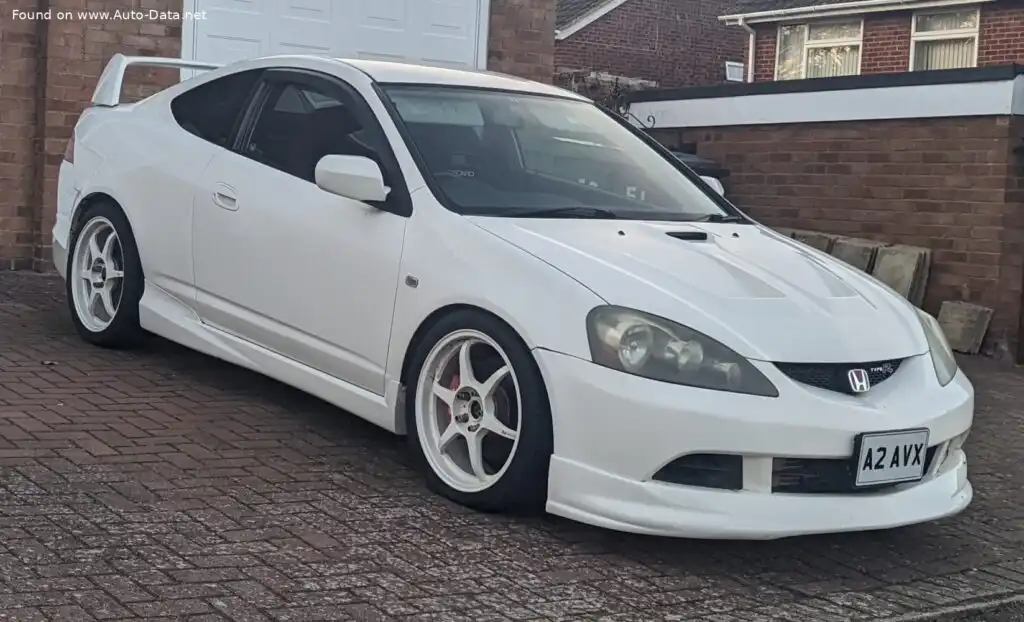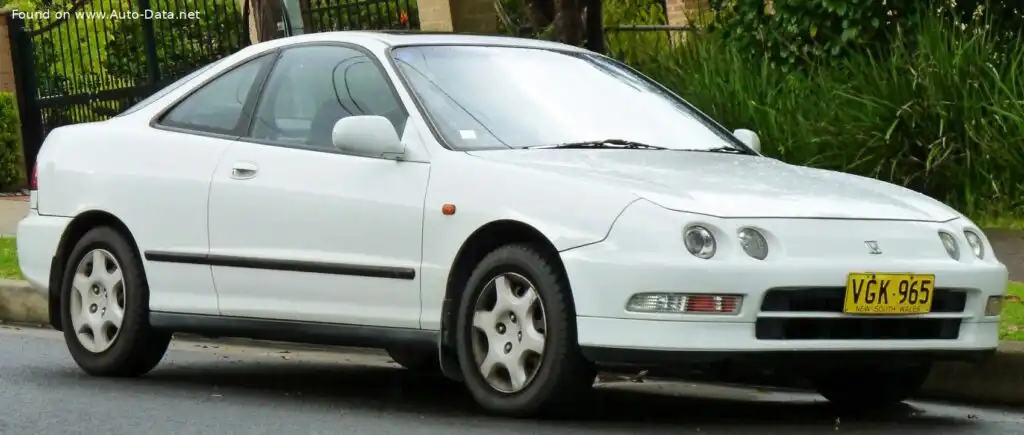
The Honda Integra Type R (DC2) 1.8i, produced between 1995 and 2001, represents a pivotal generation in the Integra lineage. Positioned as a performance-oriented variant within the broader DC2 chassis family, it aimed to deliver a compelling blend of handling, power, and everyday usability. This liftback coupe, exclusive to the Japanese domestic market (JDM) initially, quickly gained a following internationally due to its reputation for being a driver’s car. The DC2 Integra built upon the success of its predecessors, offering a more refined and technologically advanced package while retaining the sporty character that defined the Integra nameplate. It served as a direct competitor to other compact performance cars like the Acura RSX and various European hatchbacks.
Technical Specifications
| Brand | Honda |
| Model | Integra |
| Generation | Integra III (DC2) |
| Type (Engine) | 1.8i (142 Hp) |
| Start of production | 1995 year |
| End of production | 2001 year |
| Powertrain Architecture | Internal Combustion engine |
| Body type | Liftback |
| Seats | 4 |
| Doors | 2 |
| Fuel consumption (economy) – combined | 8.6 l/100 km |
| Fuel consumption (economy) – combined | 27.4 US mpg |
| Fuel consumption (economy) – combined | 32.8 UK mpg |
| Fuel consumption (economy) – combined | 11.6 km/l |
| Fuel Type | Petrol (Gasoline) |
| Weight-to-power ratio | 8.2 kg/Hp |
| Weight-to-power ratio | 121.4 Hp/tonne |
| Weight-to-torque ratio | 6.8 kg/Nm |
| Weight-to-torque ratio | 147 Nm/tonne |
| Power | 142 Hp @ 6300 rpm |
| Power per litre | 77.4 Hp/l |
| Torque | 172 Nm @ 5200 rpm |
| Torque | 126.86 lb.-ft. @ 5200 rpm |
| Engine layout | Front, Transverse |
| Engine Model/Code | B18B1 |
| Engine displacement | 1834 cm3 |
| Engine displacement | 111.92 cu. in. |
| Number of cylinders | 4 |
| Engine configuration | Inline |
| Cylinder Bore | 81 mm |
| Cylinder Bore | 3.19 in. |
| Piston Stroke | 89 mm |
| Piston Stroke | 3.5 in. |
| Compression ratio | 9.2:1 |
| Number of valves per cylinder | 4 |
| Fuel injection system | Multi-port manifold injection |
| Engine aspiration | Naturally aspirated engine |
| Valvetrain | DOHC |
| Engine oil capacity | 3.8 l |
| Engine oil capacity | 4.02 US qt |
| Engine oil capacity | 3.34 UK qt |
| Coolant | 4.7 l |
| Coolant | 4.97 US qt |
| Coolant | 4.14 UK qt |
| Kerb Weight | 1170 kg |
| Kerb Weight | 2579.41 lbs |
| Trunk (boot) space – minimum | 224 l |
| Trunk (boot) space – minimum | 7.91 cu. ft. |
| Fuel tank capacity | 50 l |
| Fuel tank capacity | 13.21 US gal |
| Fuel tank capacity | 11 UK gal |
| Length | 4380 mm |
| Length | 172.44 in. |
| Width | 1710 mm |
| Width | 67.32 in. |
| Height | 1290 mm |
| Height | 50.79 in. |
| Wheelbase | 2570 mm |
| Wheelbase | 101.18 in. |
| Front track | 1475 mm |
| Front track | 58.07 in. |
| Rear (Back) track | 1470 mm |
| Rear (Back) track | 57.87 in. |
| Drivetrain Architecture | The Internal combustion engine (ICE) drives the front wheels of the vehicle. |
| Drive wheel | Front wheel drive |
| Number of gears and type of gearbox | 5 gears, manual transmission |
| Front suspension | Coil spring |
| Rear suspension | Coil spring |
| Front brakes | Ventilated discs |
| Rear brakes | Disc |
| Assisting systems | ABS (Anti-lock braking system) |
| Steering type | Steering rack and pinion |
| Power steering | Hydraulic Steering |
| Tires size | 195/60 R14 |
| Wheel rims size | 14 |
Powertrain & Engine Architecture
The heart of the DC2 Integra 1.8i is the B18B1 engine, a 1.8-liter inline-four cylinder powerplant. This engine utilizes a single overhead camshaft (SOHC) design, a departure from the more advanced double overhead camshaft (DOHC) found in the Type R variant. Fuel delivery is managed by a multi-point fuel injection system, ensuring efficient combustion and smooth power delivery. The B18B1 produces 142 horsepower at 6,300 rpm and 126.86 lb-ft of torque at 5,200 rpm. The engine’s relatively conservative tuning prioritized reliability and fuel economy over outright performance. The engine is transversely mounted, driving the front wheels. The standard transmission for this variant was a 5-speed manual, offering a direct and engaging driving experience.
Driving Characteristics
The 1.8i Integra offers a balanced driving experience. While not as aggressively tuned as the Type R, it provides ample power for everyday driving and spirited backroad excursions. The 5-speed manual transmission allows for precise gear selection, and the engine responds well to throttle inputs. The gear ratios are tuned for a blend of acceleration and fuel efficiency. Compared to the Type R, the 1.8i feels less urgent in its acceleration, but it remains a capable and enjoyable car to drive. The suspension provides a comfortable ride while still maintaining good body control.
Equipment & Trim Levels
The Integra 1.8i typically came equipped with features such as power windows, power locks, and air conditioning. Interior upholstery was usually cloth, with a relatively simple dashboard layout. Optional extras included a sunroof, upgraded audio systems, and alloy wheels. The trim level generally sat in the mid-range of the Integra lineup, offering a step up in features and refinement compared to the base models, but lacking the performance-focused upgrades of the Type R.
Chassis & Braking
The DC2 Integra utilizes a MacPherson strut front suspension and a double-wishbone rear suspension, providing a stable and predictable handling platform. The 1.8i variant typically featured ventilated disc brakes on the front wheels and solid disc brakes on the rear, providing adequate stopping power for its weight and performance. An anti-lock braking system (ABS) was standard, enhancing safety and control during emergency braking situations. The chassis is relatively lightweight, contributing to the car’s nimble handling characteristics.
Market Reception & Comparison
The Integra 1.8i was well-received by automotive critics for its blend of practicality, reliability, and driving enjoyment. It offered a compelling alternative to other compact cars in its class. Compared to the higher-performance Type R, the 1.8i was more affordable and fuel-efficient, making it a more accessible option for a wider range of buyers. However, it lacked the Type R’s razor-sharp handling and exhilarating acceleration. Fuel economy was generally rated around 27.4 mpg (US), making it a relatively efficient choice for a performance-oriented vehicle.
Legacy
The DC2 Integra 1.8i has maintained a strong following among enthusiasts. The B18B1 engine is known for its durability and reliability, and the car’s simple design makes it relatively easy to maintain and modify. Today, well-maintained examples of the DC2 Integra 1.8i are sought after by collectors and enthusiasts alike. While not as highly valued as the Type R, it remains a popular choice for those seeking a fun-to-drive and reliable compact car with a rich heritage. The DC2 Integra, in all its variants, cemented Honda’s reputation for building high-quality, performance-oriented vehicles.