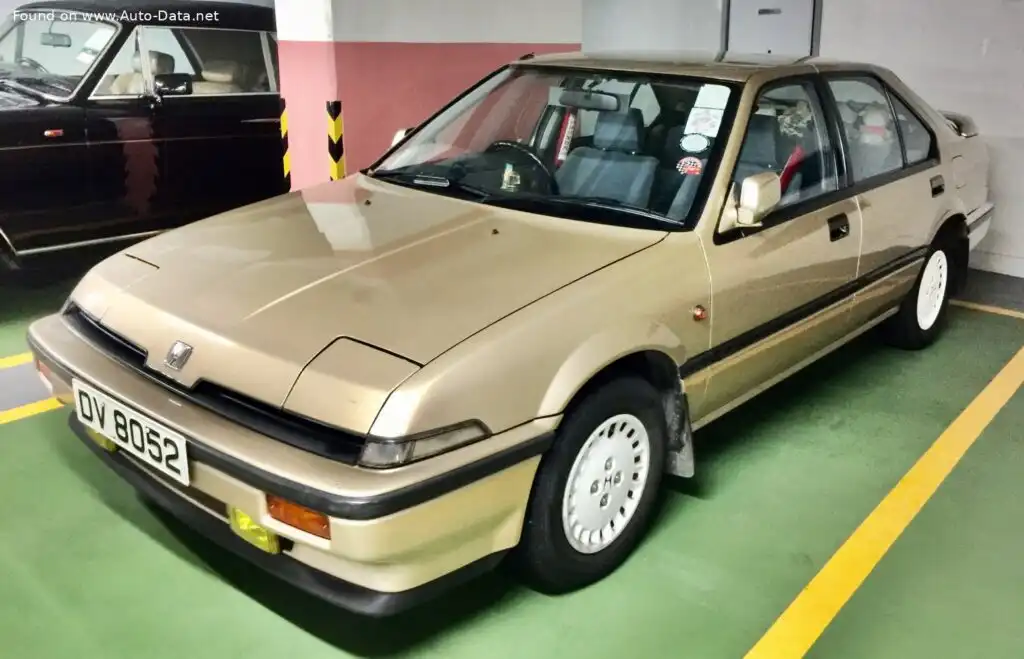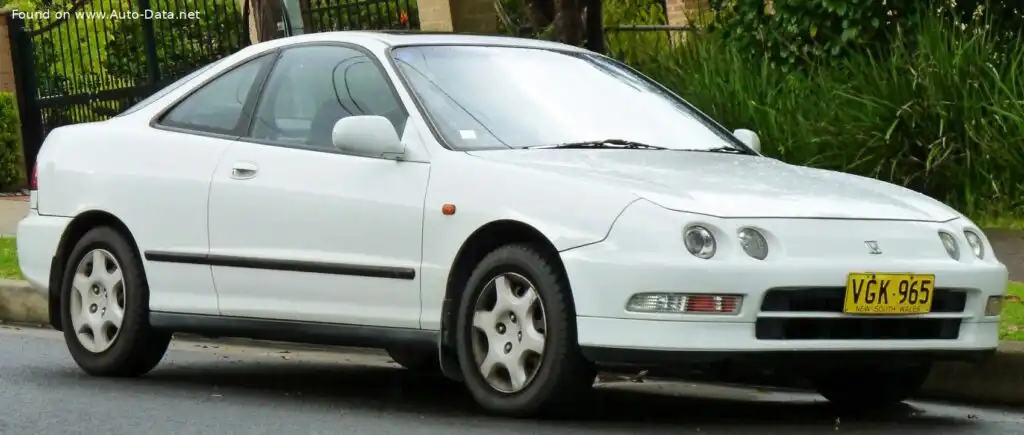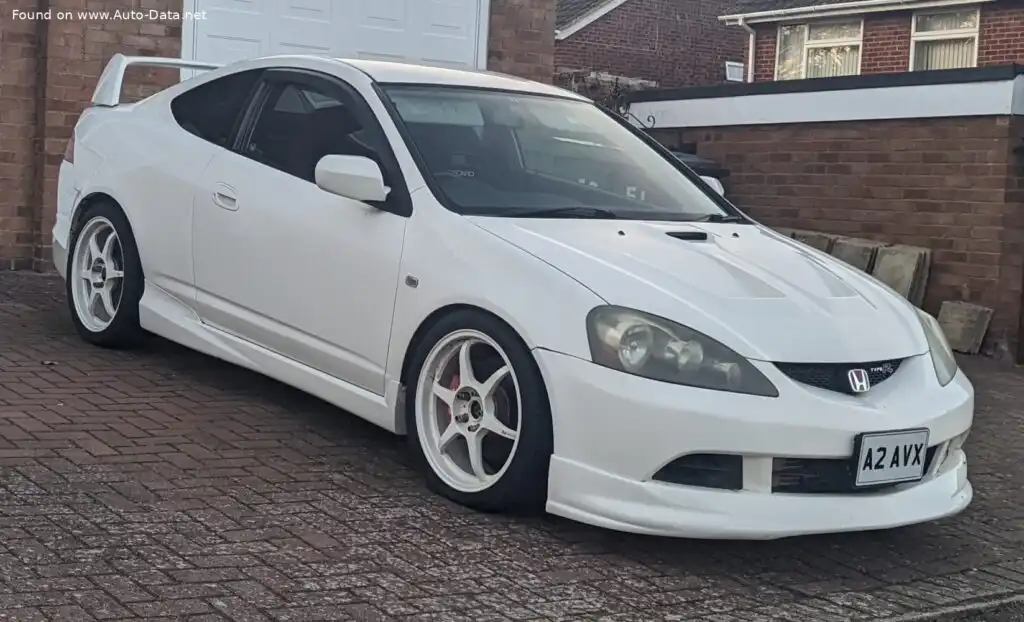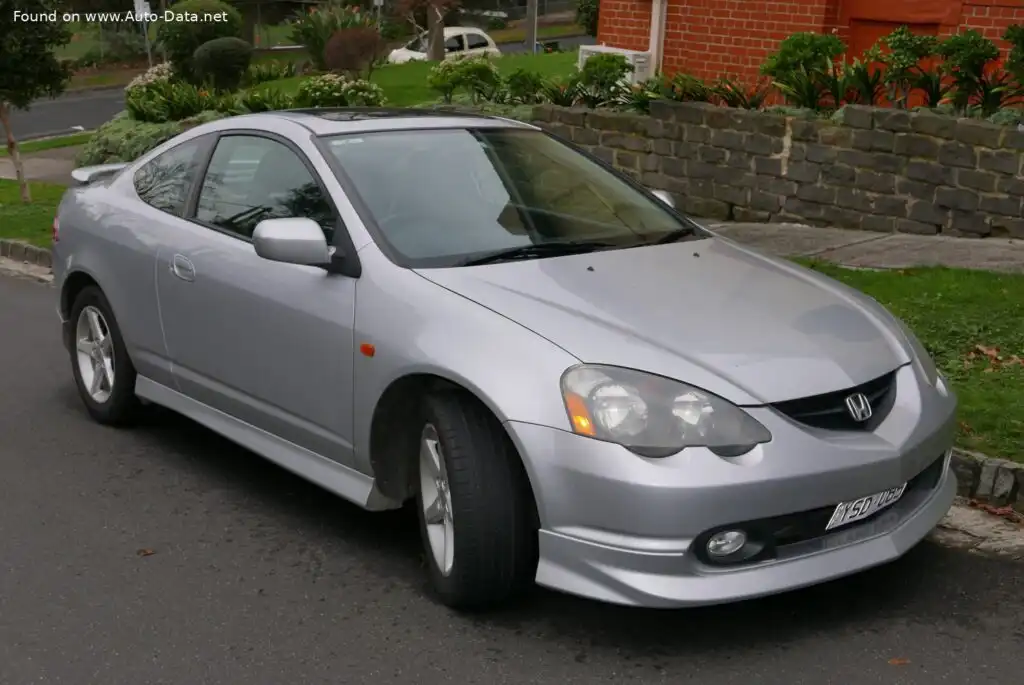
The Honda Integra Type R (DC5), produced from 2001 to 2004, represents the pinnacle of the fourth-generation Integra line. Positioned as a high-performance, driver-focused variant, the DC5 Type R continued Honda’s tradition of offering naturally aspirated, high-revving engines and precise handling. Built on the DC5 platform, which shared components with the Acura RSX in North America, the Integra Type R was primarily sold in Japan, Europe, and other select markets. It was never officially offered for sale in the United States. The DC5 marked a shift in the Integra’s character, moving away from the more grand-touring focus of earlier models towards a dedicated track and spirited driving experience.
Technical Specifications
| Brand | Honda |
| Model | Integra |
| Generation | Integra IV (DC5) |
| Type (Engine) | Type R 2.0 (220 Hp) |
| Start of production | 2001 year |
| End of production | 2004 year |
| Powertrain Architecture | Internal Combustion engine |
| Body type | Liftback |
| Seats | 4 |
| Doors | 3 |
| Fuel Type | Petrol (Gasoline) |
| Maximum speed | 240 km/h (149.13 mph) |
| Weight-to-power ratio | 5.3 kg/Hp, 188 Hp/tonne |
| Weight-to-torque ratio | 5.7 kg/Nm, 176.1 Nm/tonne |
| Power | 220 Hp @ 8000 rpm |
| Power per litre | 110.1 Hp/l |
| Torque | 206 Nm @ 7000 rpm (151.94 lb.-ft. @ 7000 rpm) |
| Engine layout | Front, Transverse |
| Engine Model/Code | K20A |
| Engine displacement | 1998 cm3 (121.93 cu. in.) |
| Number of cylinders | 4 |
| Engine configuration | Inline |
| Cylinder Bore | 86 mm (3.39 in.) |
| Piston Stroke | 86 mm (3.39 in.) |
| Compression ratio | 11.5:1 |
| Number of valves per cylinder | 4 |
| Fuel injection system | Multi-port manifold injection |
| Engine aspiration | Naturally aspirated engine |
| Valvetrain | DOHC |
| Engine oil capacity | 4.7 l (4.97 US qt | 4.14 UK qt) |
| Kerb Weight | 1170 kg (2579.41 lbs.) |
| Max. weight | 1400 kg (3086.47 lbs.) |
| Max load | 230 kg (507.06 lbs.) |
| Trunk (boot) space – minimum | 504 l (17.8 cu. ft.) |
| Fuel tank capacity | 50 l (13.21 US gal | 11 UK gal) |
| Length | 4385 mm (172.64 in.) |
| Width | 1695 mm (66.73 in.) |
| Height | 1380 mm (54.33 in.) |
| Wheelbase | 2570 mm (101.18 in.) |
| Front track | 1490 mm (58.66 in.) |
| Rear (Back) track | 1490 mm (58.66 in.) |
| Drivetrain Architecture | The Internal combustion engine (ICE) drives the front wheels of the vehicle. |
| Drive wheel | Front wheel drive |
| Number of gears and type of gearbox | 6 gears, manual transmission |
| Front suspension | Coil spring |
| Rear suspension | Coil spring |
| Front brakes | Ventilated discs |
| Rear brakes | Disc |
| Assisting systems | ABS (Anti-lock braking system) |
| Steering type | Steering rack and pinion |
| Power steering | Hydraulic Steering |
| Tires size | 215/45 ZR17 |
| Wheel rims size | 17 |
Powertrain & Engine Architecture
The heart of the Integra Type R is the K20A engine, a 2.0-liter, naturally aspirated inline-four cylinder. This engine is renowned for its high-revving nature and impressive power output. The K20A featured a high compression ratio of 11.5:1, lightweight connecting rods, and optimized intake and exhaust ports. Fuel delivery was handled by a multi-point fuel injection system, ensuring precise fuel metering for optimal combustion. The engine utilized a double overhead camshaft (DOHC) valvetrain with 16 valves, contributing to its high-flow characteristics. The engine was paired exclusively with a close-ratio 6-speed manual transmission, designed to maximize the engine’s performance potential. This transmission featured shorter gear ratios than the standard Integra, allowing for quicker acceleration and more responsive driving.
Driving Characteristics
The DC5 Type R offered a driving experience markedly different from other Integra variants. The combination of the high-output K20A engine and the close-ratio gearbox resulted in exhilarating acceleration and a willingness to rev. While 220 horsepower might seem modest by modern standards, the car’s lightweight construction (approximately 2,579 lbs) and precise chassis tuning resulted in a power-to-weight ratio that felt significantly higher. The steering was direct and communicative, providing excellent feedback to the driver. The suspension, tuned for performance, offered a firm but controlled ride, minimizing body roll during cornering. Compared to the standard Integra, the Type R’s suspension was stiffer and its brakes were larger and more powerful, providing enhanced stopping performance. The 6-speed transmission demanded precise shifting, but rewarded the driver with a connected and engaging driving experience.
Equipment & Trim Levels
The Integra Type R was relatively spartan in terms of luxury features, prioritizing performance over comfort. Standard equipment included sport seats with aggressive bolstering, a leather-wrapped steering wheel, and a unique Type R instrument cluster with red accents. Air conditioning and power windows were typically standard, but options were limited. The interior focused on functionality and driver engagement, with minimal extraneous trim. Exterior features included a distinctive front bumper with a large air intake, a rear spoiler, and unique alloy wheels. The color palette was typically limited to a few performance-oriented hues, such as Championship White, Milano Red, and Nighthawk Black.
Chassis & Braking
The DC5 Type R benefited from a reinforced chassis and a revised suspension setup compared to the standard Integra. The chassis featured additional spot welds and thicker sheet metal in key areas, increasing rigidity and improving handling. The suspension utilized stiffer springs and dampers, along with a larger diameter stabilizer bar, to reduce body roll and enhance cornering stability. Braking duties were handled by ventilated discs at the front and solid discs at the rear, providing ample stopping power. An Anti-lock Braking System (ABS) was standard. The car rode on 17-inch alloy wheels fitted with 215/45 ZR17 tires, providing a good balance of grip and ride comfort.
Market Reception & Comparison
The Integra Type R was widely praised by automotive journalists and enthusiasts for its exceptional handling, responsive engine, and overall driving experience. It was often compared favorably to other performance cars of its era, such as the Subaru WRX and the Mitsubishi Lancer Evolution. Critics noted the car’s lack of sound insulation and relatively firm ride, but these were generally considered acceptable trade-offs for its performance capabilities. Compared to the standard Integra, the Type R offered a significantly more engaging and rewarding driving experience, but at the expense of some comfort and refinement. The Type R also commanded a higher price than other Integra variants, reflecting its performance-oriented features and limited production numbers.
Legacy
The Honda Integra Type R (DC5) has become a highly sought-after vehicle among collectors and enthusiasts. Its reputation for reliability, combined with its exceptional driving dynamics, has ensured its continued popularity in the used car market. The K20A engine is considered one of Honda’s finest creations, and its durability and tunability have made it a favorite among performance enthusiasts. While finding a well-maintained, unmodified example can be challenging, the DC5 Type R remains a benchmark for front-wheel-drive performance cars. Its influence can be seen in subsequent Honda performance models, and it continues to be celebrated as a true driver’s car.