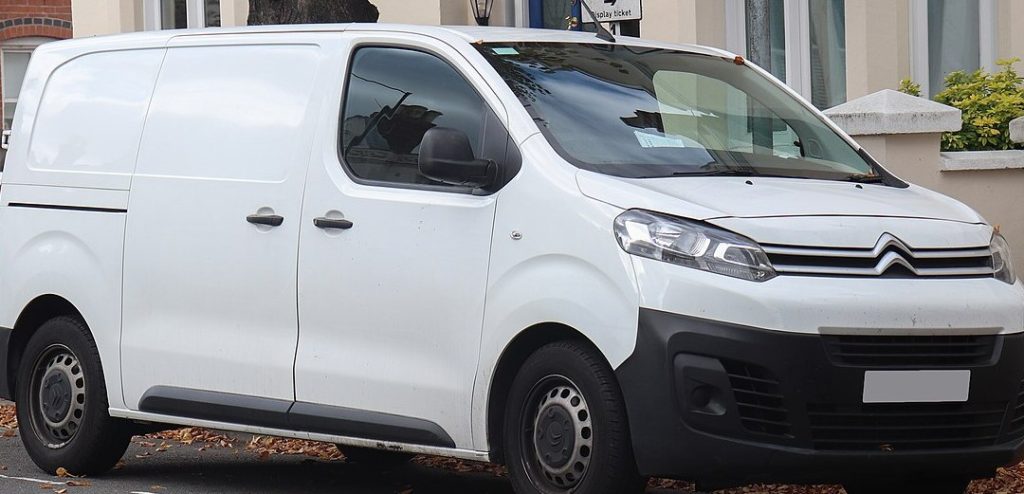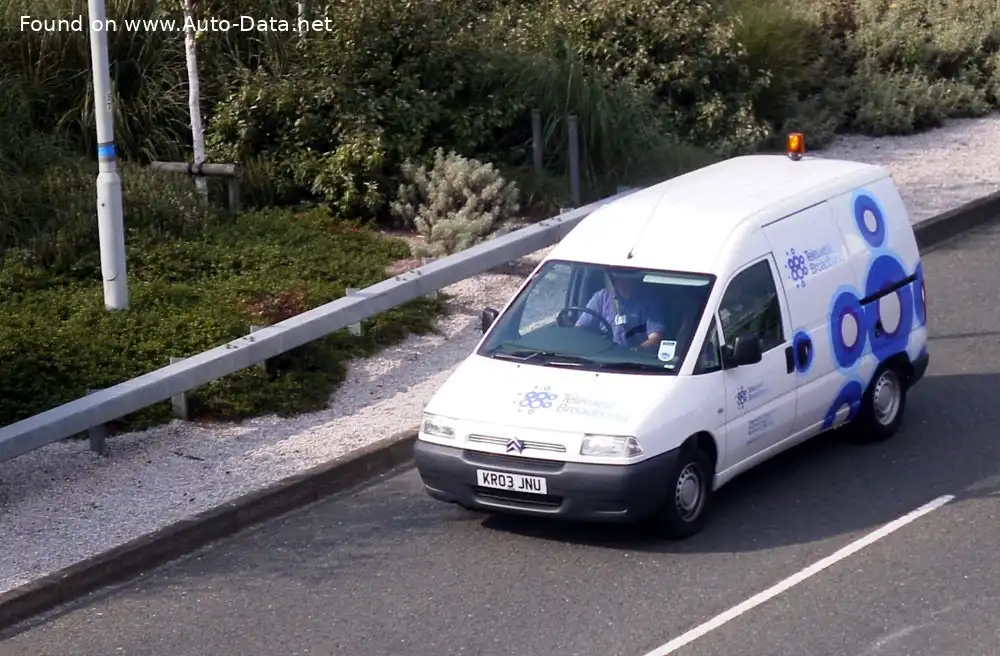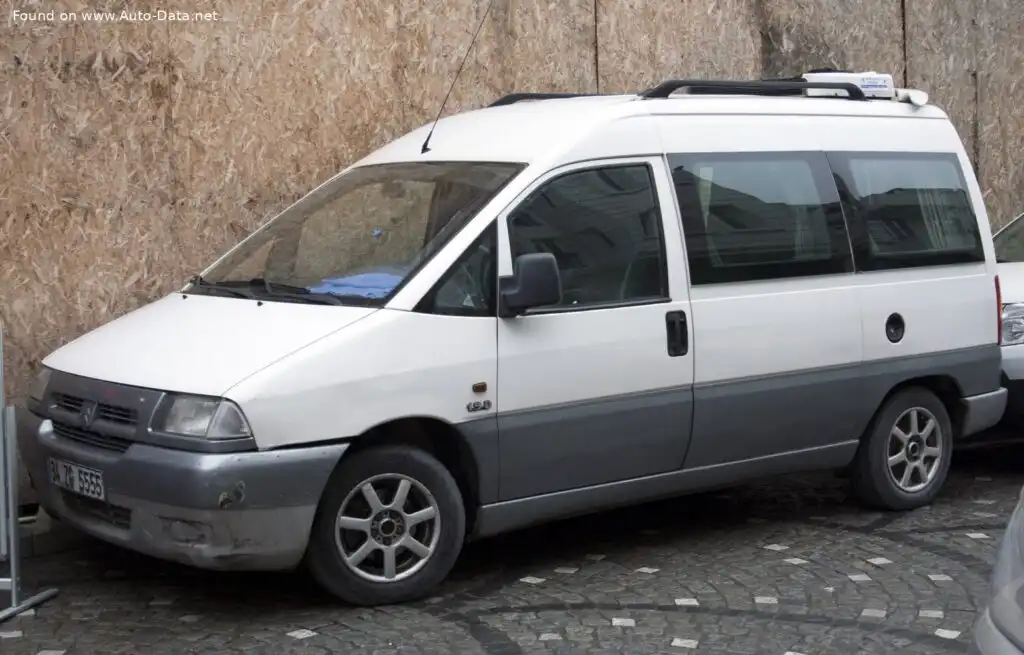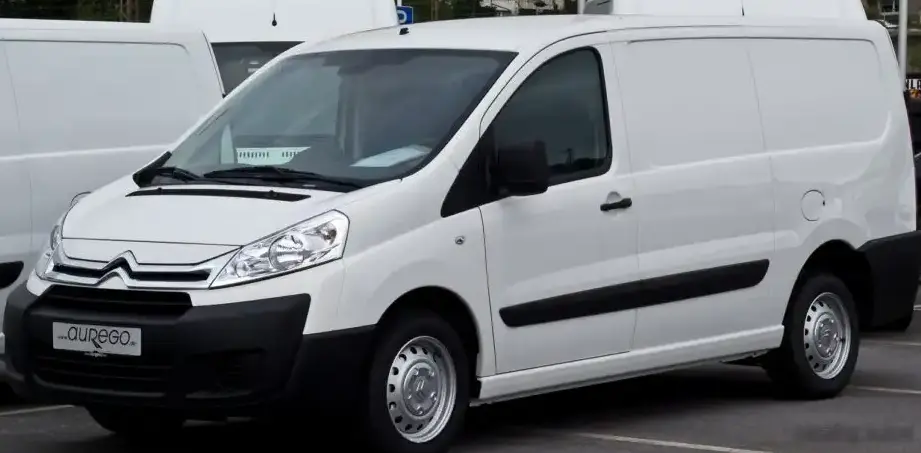
The Citroen Jumpy II, specifically the 2.0 HDi 128 horsepower variant in the L2H1 6-seat configuration produced from 2012 to 2015, represents a significant update to Citroen’s popular light commercial vehicle line. This iteration, part of the facelifted second generation (introduced in 2007), aimed to balance practicality, fuel efficiency, and a more refined driving experience within the competitive European van and people-mover market. The Jumpy II, and its Peugeot Expert and Fiat Scudo siblings (developed under a joint venture), served as a crucial workhorse for businesses and families alike, offering a versatile platform for both cargo and passenger transport. This particular 128 hp version occupied a middle ground in the Jumpy II lineup, offering a compromise between the lower-powered engines and the more expensive, higher-output options.
Technical Specifications
| Brand | Citroen |
| Model | Jumpy |
| Generation | Jumpy II (facelift 2012) |
| Type | 2.0 HDi (128 Hp) L2H1 6 Seat |
| Start of production | 2012 |
| End of production | 2015 |
| Powertrain Architecture | Internal Combustion engine |
| Body type | Minivan |
| Seats | 6 |
| Doors | 4 |
| Fuel consumption (urban) | 8.2 l/100 km (28.7 US mpg, 34.4 UK mpg, 12.2 km/l) |
| Fuel consumption (extra urban) | 6.3 l/100 km (37.3 US mpg, 44.8 UK mpg, 15.9 km/l) |
| Fuel consumption (combined) | 7.0 l/100 km (33.6 US mpg, 40.4 UK mpg, 14.3 km/l) |
| CO2 emissions | 183 g/km |
| Fuel Type | Diesel |
| Maximum speed | 170 km/h (105.63 mph) |
| Emission standard | Euro 5 |
| Weight-to-power ratio | 14.6 kg/Hp, 68.4 Hp/tonne |
| Weight-to-torque ratio | 5.8 kg/Nm, 171.1 Nm/tonne |
| Power | 128 Hp @ 4000 rpm |
| Power per litre | 64.1 Hp/l |
| Torque | 320 Nm @ 2000 rpm (236.02 lb.-ft. @ 2000 rpm) |
| Engine layout | Front, Transverse |
| Engine Model/Code | AHZ DW10CD |
| Engine displacement | 1997 cm3 (121.86 cu. in.) |
| Number of cylinders | 4 |
| Engine configuration | Inline |
| Cylinder Bore | 85 mm (3.35 in.) |
| Piston Stroke | 88 mm (3.46 in.) |
| Number of valves per cylinder | 4 |
| Fuel injection system | Diesel Commonrail |
| Engine aspiration | Turbocharger, Intercooler |
| Engine oil capacity | 5 l (5.28 US qt | 4.4 UK qt) |
| Kerb Weight | 1870 kg (4122.64 lbs.) |
| Max. weight | 2880 kg (6349.31 lbs.) |
| Max load | 1010 kg (2226.67 lbs.) |
| Trunk (boot) space – maximum | 3600 l (127.13 cu. ft.) |
| Fuel tank capacity | 80 l (21.13 US gal | 17.6 UK gal) |
| Max. roof load | 170 kg (374.79 lbs.) |
| Permitted trailer load with brakes (12%) | 2000 kg (4409.25 lbs.) |
| Permitted trailer load without brakes | 750 kg (1653.47 lbs.) |
| Permitted towbar download | 80 kg (176.37 lbs.) |
| Length | 5135 mm (202.17 in.) |
| Width | 1895 mm (74.61 in.) |
| Width with mirrors folded | 1986 mm (78.19 in.) |
| Width including mirrors | 2194 mm (86.38 in.) |
| Height | 1880 mm (74.02 in.) |
| Wheelbase | 3122 mm (122.91 in.) |
| Front track | 1562 mm (61.5 in.) |
| Rear (Back) track | 1596 mm (62.83 in.) |
| Front overhang | 975 mm (38.39 in.) |
| Rear overhang | 1038 mm (40.87 in.) |
| Drivetrain Architecture | Front wheel drive |
| Number of gears and type of gearbox | 6 gears, manual transmission |
| Front suspension | Independent, type McPherson with coil spring and anti-roll bar |
| Rear suspension | Semi-dependent beam with stabilizer lateral stability |
| Front brakes | Ventilated discs, 304×28 mm |
| Rear brakes | Disc, 290×14 mm |
| Assisting systems | ABS (Anti-lock braking system) |
| Steering type | Steering rack and pinion |
| Tires size | 215/60 R16 |
| Wheel rims size | 16 |
INTRODUCTION
The Citroen Jumpy II facelift, launched in 2012, represented a refinement of the already popular second-generation model. Built on the 1HX0/A3 platform shared with the Peugeot Expert and Fiat Scudo, the Jumpy II aimed to provide a practical and versatile solution for commercial and family transport. The 2.0 HDi engine, in its 128 horsepower guise, was a key component of this update, offering a balance between performance, fuel economy, and cost. The L2H1 designation indicates a medium-length body (L2) and a standard roof height (H1), while the “6 Seat” configuration signifies its use as a passenger vehicle rather than a pure cargo van. This variant was particularly popular in Europe as a family vehicle, shuttle, or for businesses requiring flexible passenger and cargo capacity.
Powertrain & Engine Architecture
At the heart of the Jumpy II 2.0 HDi 128 is the DW10CD engine, a 1.997-liter, four-cylinder diesel engine. This engine, often referred to by its PSA engine code AHZ, utilizes a common rail direct injection system, delivering fuel at extremely high pressure for optimized combustion. The engine features a single overhead camshaft (SOHC) operating four valves per cylinder. A turbocharger with an intercooler is employed to increase power output and improve efficiency. The 128 hp output is achieved at 4,000 rpm, while peak torque of 320 Nm (236 lb-ft) is available from just 2,000 rpm, providing strong low-end pulling power. The engine is transversely mounted in the front of the vehicle. The transmission is a 6-speed manual gearbox, chosen for its efficiency and driver control. While an automatic transmission was offered on some Jumpy II models, it was not typically paired with this specific 128 hp engine.
Driving Characteristics
The 128 hp 2.0 HDi engine, coupled with the 6-speed manual transmission, provides adequate performance for everyday driving. Acceleration is not particularly brisk, but the strong low-end torque makes it well-suited for carrying loads or navigating urban environments. The gear ratios are tuned for fuel efficiency, with a relatively long sixth gear for comfortable highway cruising. Compared to the higher-output 163 hp version of the 2.0 HDi, the 128 hp model feels noticeably less powerful, especially when fully loaded. However, it offers a more relaxed driving experience and better fuel economy. The manual transmission allows for precise control, but the shift quality can feel somewhat notchy compared to more modern gearboxes.
Equipment & Trim Levels
The 2.0 HDi 128 L2H1 6-seat Jumpy II typically came with a reasonable level of standard equipment. This included air conditioning, power steering, electric front windows, and a basic audio system. Safety features such as ABS, driver and passenger airbags, and electronic stability control were also standard. Higher trim levels offered options such as rear parking sensors, a more advanced audio system with Bluetooth connectivity, cruise control, and upgraded interior trim. The 6-seat configuration featured individual seats in the second and third rows, offering flexibility for passengers and cargo. Interior upholstery was typically cloth, with durable and practical materials used throughout the cabin.
Chassis & Braking
The Jumpy II utilizes a McPherson strut front suspension with a coil spring and anti-roll bar, providing a comfortable ride and predictable handling. The rear suspension employs a semi-dependent beam axle with a stabilizer bar, offering a good balance between ride comfort and load-carrying capacity. The braking system consists of ventilated discs on the front wheels (304x28mm) and solid discs on the rear wheels (290x14mm). ABS (Anti-lock Braking System) is standard, enhancing braking performance and stability. The steering is rack and pinion, providing precise and responsive control.
Market Reception & Comparison
The Citroen Jumpy II 2.0 HDi 128 was generally well-received by critics as a practical and efficient workhorse. It was praised for its spacious interior, comfortable ride, and fuel economy. However, some reviewers noted that the engine could feel underpowered when fully loaded, and the interior trim was somewhat basic. Compared to the 163 hp version, the 128 hp model offered a lower purchase price and better fuel economy, making it an attractive option for budget-conscious buyers. The Jumpy II also faced competition from the Peugeot Expert and Fiat Scudo, which were essentially the same vehicle with different branding and minor trim variations.
Legacy
The Citroen Jumpy II 2.0 HDi 128 has proven to be a reliable and durable vehicle, with many examples still in service today. The DW10CD engine is known for its longevity, provided it is properly maintained. Common issues include turbocharger wear and potential problems with the diesel particulate filter (DPF), particularly on vehicles that have spent a lot of time in urban driving conditions. On the used car market, the Jumpy II 2.0 HDi 128 represents a good value proposition, offering a practical and affordable solution for those needing a versatile van or people-mover. Its relatively simple mechanical design and readily available parts contribute to its continued popularity.