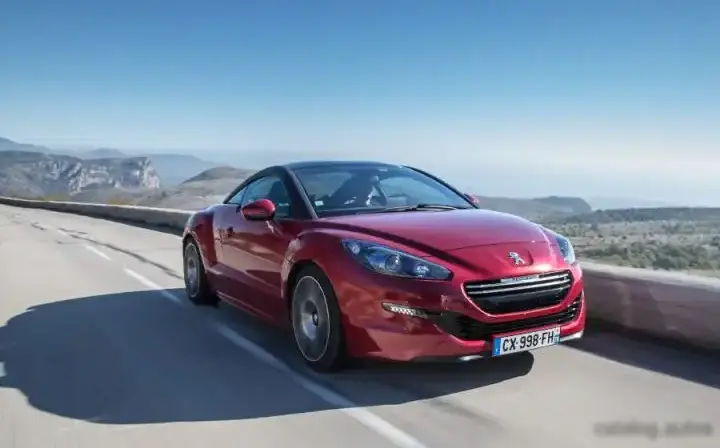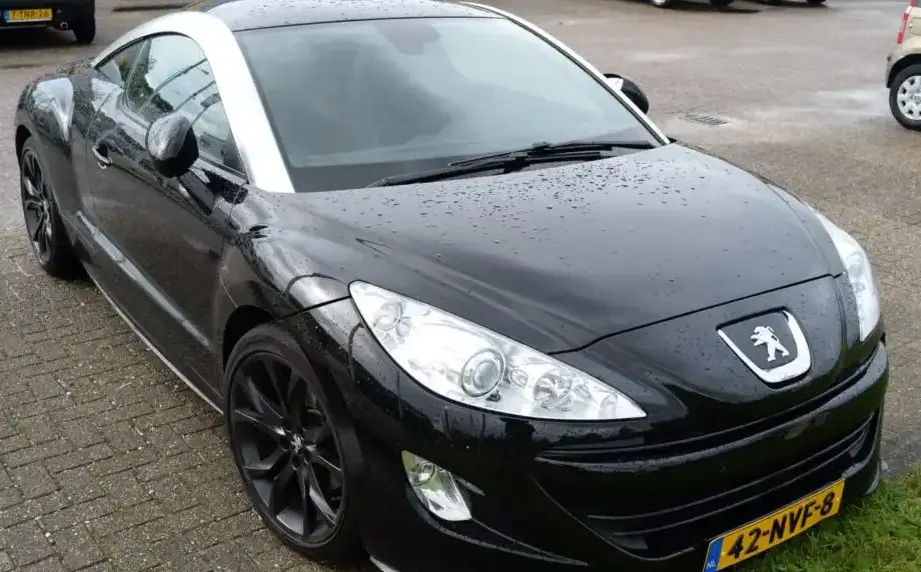
The Peugeot RCZ 2.0 HDI (163 hp) FAP was a coupe produced by the French automaker Peugeot between 2010 and 2013. It represented a departure for Peugeot, aiming for a more sporty and stylish image than many of their traditionally practical offerings. This diesel-powered variant occupied a middle ground within the RCZ lineup, offering a balance between performance and fuel economy. It was positioned as an alternative to petrol-powered versions, appealing to buyers seeking lower running costs without sacrificing driving enjoyment. The RCZ itself was built on the Peugeot 308 platform, but with a significantly reworked body and chassis to create its distinctive coupe profile.
Technical Specifications
| Brand | Peugeot |
| Model | RCZ |
| Generation | RCZ |
| Type (Engine) | 2.0 HDI (163 Hp) FAP |
| Start of production | 2010 |
| End of production | 2013 |
| Powertrain Architecture | Internal Combustion engine |
| Body type | Coupe |
| Seats | 4 |
| Doors | 2 |
| Fuel consumption (urban) | 6.8 l/100 km (34.6 US mpg) |
| Fuel consumption (extra urban) | 4.5 l/100 km (52.3 US mpg) |
| Fuel consumption (combined) | 5.3 l/100 km (44.4 US mpg) |
| Fuel Type | Diesel |
| Acceleration 0 – 100 km/h | 8.2 sec |
| Acceleration 0 – 62 mph | 8.2 sec |
| Acceleration 0 – 60 mph | 7.8 sec |
| Maximum speed | 220 km/h (136.7 mph) |
| Emission standard | Euro 5 |
| Weight-to-power ratio | 8.4 kg/Hp |
| Weight-to-torque ratio | 4 kg/Nm |
| Power | 163 Hp @ 4000 rpm |
| Torque | 340 Nm @ 2000 rpm (250.77 lb.-ft. @ 2000 rpm) |
| Engine layout | Front, Transverse |
| Engine Model/Code | RHH DW10CTED4 |
| Engine displacement | 1997 cm3 (121.86 cu. in.) |
| Number of cylinders | 4 |
| Engine configuration | Inline |
| Number of valves per cylinder | 4 |
| Fuel injection system | Diesel Commonrail |
| Engine aspiration | Turbocharger, Intercooler |
| Engine oil capacity | 5 l (5.28 US qt | 4.4 UK qt) |
| Coolant capacity | 8 l (8.45 US qt | 7.04 UK qt) |
| Kerb Weight | 1370 kg (3020.33 lbs.) |
| Max. weight | 1825 kg (4023.44 lbs.) |
| Max load | 455 kg (1003.1 lbs.) |
| Trunk (boot) space – minimum | 321 l (11.34 cu. ft.) |
| Trunk (boot) space – maximum | 639 l (22.57 cu. ft.) |
| Fuel tank capacity | 55 l (14.53 US gal | 12.1 UK gal) |
| Length | 4290 mm (168.9 in.) |
| Width | 1958 mm (77.09 in.) |
| Height | 1362 mm (53.62 in.) |
| Wheelbase | 2612 mm (102.83 in.) |
| Minimum turning circle | 9.9 m (32.48 ft.) |
| Drivetrain Architecture | Front wheel drive |
| Number of gears | 6 gears, manual transmission |
| Front suspension | Independent type McPherson |
| Rear suspension | Elastic beam |
| Front brakes | Ventilated discs |
| Rear brakes | Disc |
| Tire size | 235/45 R18 |
| Wheel rims size | 18 |
Introduction
The RCZ 2.0 HDI FAP, launched in 2010, was a key variant in the RCZ range. It aimed to broaden the car’s appeal by offering a more economical and torque-rich engine option. The RCZ, as a whole, was a significant design exercise for Peugeot, moving away from the more conservative styling of previous models. Its distinctive “double-bubble” roofline, inspired by the Peugeot 402 of the 1930s, immediately set it apart. The 2.0 HDI version was produced until 2013, coinciding with the end of the RCZ’s initial production run.
Powertrain & Engine Architecture
The heart of the RCZ 2.0 HDI FAP is the DW10CTED4 engine, a 2.0-liter four-cylinder diesel. This engine is a common sight in various PSA Group (Peugeot-Citroën) vehicles. It features a common rail direct injection system, delivering fuel at extremely high pressure for optimized combustion. The engine utilizes a variable geometry turbocharger (VGT) and an intercooler to boost power and efficiency. The ‘FAP’ designation indicates the presence of a Diesel Particulate Filter, a crucial component for meeting Euro 5 emission standards. The engine code ‘RHH’ is often associated with this specific output level. The engine produces 163 horsepower at 4000 rpm and a substantial 340 Nm (250 lb-ft) of torque at just 2000 rpm. This torque output is a key characteristic of modern diesel engines, providing strong pulling power at low engine speeds. The RCZ 2.0 HDI was exclusively offered with a 6-speed manual transmission, prioritizing driver engagement over the convenience of an automatic.
Driving Characteristics
The RCZ 2.0 HDI FAP offers a surprisingly engaging driving experience for a diesel-powered coupe. The high torque output means strong acceleration in everyday driving situations, with the car feeling responsive and effortless. While not as outright quick as the petrol-powered RCZ models, the diesel delivers a more relaxed and refined cruising experience. The 6-speed manual gearbox is well-matched to the engine, offering precise shifts and allowing the driver to make the most of the available power. The gear ratios are tuned for a balance between acceleration and fuel economy. Compared to the 1.6L THP petrol versions, the HDI offers significantly more low-end torque, making it easier to drive in urban environments and when carrying passengers or luggage. However, it lacks the high-revving excitement of the petrol engine.
Equipment & Trim Levels
The RCZ 2.0 HDI FAP typically came equipped with a generous level of standard equipment. This included features such as air conditioning, alloy wheels, a CD stereo with MP3 compatibility, electric windows and mirrors, and remote central locking. Higher trim levels, such as the Sport trim, added features like leather upholstery, sports seats, automatic headlights and wipers, and a more sophisticated audio system. Optional extras included a panoramic glass roof, satellite navigation, and parking sensors. The interior design of the RCZ was focused on creating a sporty and driver-focused environment, with a compact steering wheel and well-placed controls.
Chassis & Braking
The RCZ’s chassis was specifically tuned to provide a more dynamic driving experience than the standard Peugeot 308. It features a McPherson strut front suspension and an elastic beam rear suspension. The suspension setup was revised to lower the ride height and stiffen the springs and dampers, resulting in improved handling and reduced body roll. The RCZ 2.0 HDI FAP was equipped with ventilated front disc brakes and solid rear disc brakes, providing adequate stopping power for its weight and performance. Anti-lock Braking System (ABS) was standard, enhancing safety and stability during emergency braking.
Market Reception & Comparison
The RCZ 2.0 HDI FAP was generally well-received by automotive critics. It was praised for its stylish design, engaging driving dynamics, and impressive fuel economy. However, some critics noted that the interior space was somewhat limited, particularly in the rear seats. Compared to other diesel coupes on the market, the RCZ offered a unique combination of style, performance, and practicality. Against the petrol RCZ variants, the HDI offered superior fuel economy and torque, but at the expense of outright speed and engine responsiveness. Its fuel economy figures of around 44.4 US mpg combined were a significant selling point for buyers prioritizing running costs.
Legacy
The Peugeot RCZ, including the 2.0 HDI FAP variant, has become a popular choice among used car buyers. The DW10CTED4 engine is known for its reliability and durability, provided it is properly maintained. Regular servicing, including oil changes and filter replacements, is crucial for ensuring the longevity of the engine and the FAP system. The RCZ’s distinctive styling continues to appeal to buyers looking for a stylish and affordable coupe. While the RCZ is no longer in production, it remains a well-regarded and sought-after vehicle in the used car market, representing a bold and innovative chapter in Peugeot’s history.