
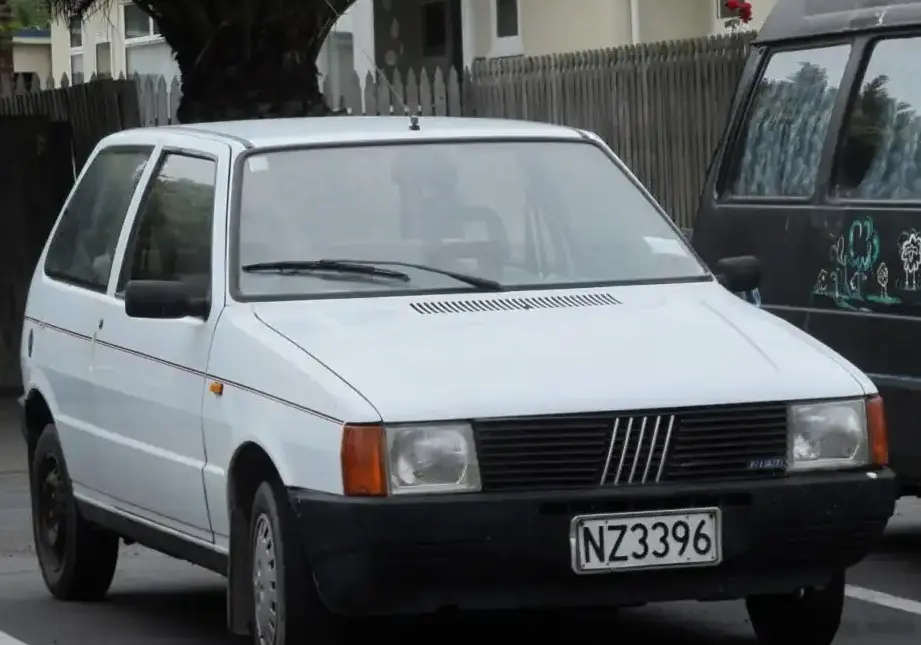
The Fiat Uno 50 1.1, produced between 1986 and 1989, represents the entry-level variant of the 146A series, the first generation of the Fiat Uno. Launched as a replacement for the Fiat 127, the Uno was designed to be a modern, efficient, and affordable supermini, embodying Giorgetto Giugiaro’s functional and space-efficient design philosophy. The 50 1.1 model served as the foundational offering, targeting budget-conscious buyers and establishing the Uno as a popular choice in the European automotive market, particularly in Italy, France, and Spain. It was a key component in Fiat’s strategy to offer a contemporary and economical vehicle in a rapidly evolving automotive landscape.
Technical Specifications
| Brand | Fiat |
| Model | UNO |
| Generation | UNO (146A) |
| Type (Engine) | 50 1.1 (50 Hp) |
| Start of production | 1986 |
| End of production | 1989 |
| Powertrain Architecture | Internal Combustion engine |
| Body type | Hatchback |
| Fuel Type | Petrol (Gasoline) |
| Power | 50 Hp |
| Engine Model/Code | 146 A4.044 |
| Engine aspiration | Naturally aspirated engine |
| Engine oil capacity | 4 l (4.23 US qt | 3.52 UK qt) |
Powertrain & Engine Architecture
The Fiat Uno 50 1.1 is powered by the 146 A4.044 engine, a 1.1-liter (1089 cc) inline-four cylinder gasoline engine. This engine is characterized by its simplicity and durability, reflecting Fiat’s engineering focus on reliability and cost-effectiveness. The engine utilizes a single overhead camshaft (SOHC) valvetrain operating two valves per cylinder. Fuel delivery is managed by a single-point fuel injection system, a relatively basic setup for the time, but sufficient for the engine’s modest power output. The engine’s compression ratio is 9.2:1. The 50 1.1 was exclusively offered with a four-speed manual transmission, designed to maximize fuel efficiency and provide adequate performance for urban driving. The engine block is constructed from cast iron, contributing to its robustness, while the cylinder head is made of aluminum alloy to reduce weight. The engine’s relatively low specific output (50 horsepower from 1.1 liters) meant it wasn’t stressed, contributing to its longevity.
Driving Characteristics
The driving experience in the Uno 50 1.1 is defined by its light weight and nimble handling. With a curb weight of around 780 kg (1720 lbs), the 50 horsepower engine provides adequate, though not exhilarating, acceleration. The four-speed manual transmission offers a straightforward driving experience, with gear ratios optimized for fuel economy rather than outright performance. Acceleration from 0 to 60 mph takes approximately 16-18 seconds, and the top speed is around 90 mph, though sustained high-speed driving is not recommended. The Uno’s suspension, consisting of independent front suspension with MacPherson struts and a twist-beam rear axle, provides a comfortable ride on most road surfaces. Steering is light and responsive, making it easy to maneuver in city traffic. Compared to later Uno variants with larger engines, such as the 1.3 or 1.4-liter models, the 50 1.1 feels noticeably slower, particularly when fully loaded or climbing hills. However, its simplicity and ease of use make it an appealing option for novice drivers or those seeking a basic, economical mode of transportation.
Equipment & Trim Levels
The Uno 50 1.1 was positioned as the base model, and as such, it featured a relatively sparse equipment list. Standard features typically included black plastic bumpers, steel wheels with hubcaps, cloth upholstery, and basic instrumentation consisting of a speedometer, fuel gauge, and temperature gauge. Power steering, central locking, and electric windows were not typically offered on this trim level. Interior trim was functional and utilitarian, with hard-wearing plastics used throughout the cabin. Optional extras were limited, but could include a radio, rear window wiper, and upgraded seat upholstery. The interior space was surprisingly generous for a car of its size, thanks to the Uno’s efficient packaging and tall roofline. The rear seats could be folded down to increase cargo capacity, making it a practical choice for small families or those needing to transport occasional bulky items.
Chassis & Braking
The Fiat Uno 146A utilizes a monocoque chassis construction, providing a good balance of rigidity and weight. The front suspension features independent MacPherson struts with a stabilizer bar, while the rear suspension employs a twist-beam axle. This setup provides a comfortable ride and predictable handling. Braking on the Uno 50 1.1 typically consisted of front disc brakes and rear drum brakes. The braking system is hydraulically operated, providing adequate stopping power for the car’s weight and performance. The steering is a rack-and-pinion system, offering light and precise control. The Uno’s relatively small turning circle makes it easy to maneuver in tight spaces. The tires were typically 135/80 R13, prioritizing fuel efficiency and ride comfort over ultimate grip.
Market Reception & Comparison
The Fiat Uno 50 1.1 was generally well-received by critics as an affordable and practical supermini. It was praised for its fuel efficiency, spacious interior, and nimble handling. However, its modest power output and basic equipment level were also noted. Compared to competitors such as the Renault 5, Peugeot 205, and Volkswagen Polo, the Uno offered a compelling value proposition, particularly in terms of price. The 1.3 and 1.4-liter Uno variants offered significantly more performance, but at a higher cost. The 50 1.1’s fuel economy was a key selling point, averaging around 45-50 mpg in real-world driving conditions. Reliability was generally good, although the single-point fuel injection system could occasionally require maintenance. The Uno’s simple design and robust construction contributed to its longevity.
Legacy
The Fiat Uno 50 1.1, while the entry-level variant, played a crucial role in establishing the Uno as a successful and popular supermini. Its affordability and practicality made it accessible to a wide range of buyers, and its fuel efficiency was particularly appealing during a period of rising fuel prices. The 146A Uno platform proved to be remarkably durable, and many examples are still on the road today. In the used car market, the 50 1.1 is often sought after by enthusiasts looking for a simple, reliable, and inexpensive classic car. Parts availability is generally good, and maintenance is relatively straightforward. While not a performance icon, the Uno 50 1.1 represents a significant chapter in Fiat’s history and a testament to the enduring appeal of a well-designed and affordable automobile. Its simple powertrain, while lacking in power, has proven to be remarkably resilient over time, making it a surprisingly reliable choice for those seeking a classic Italian hatchback.

