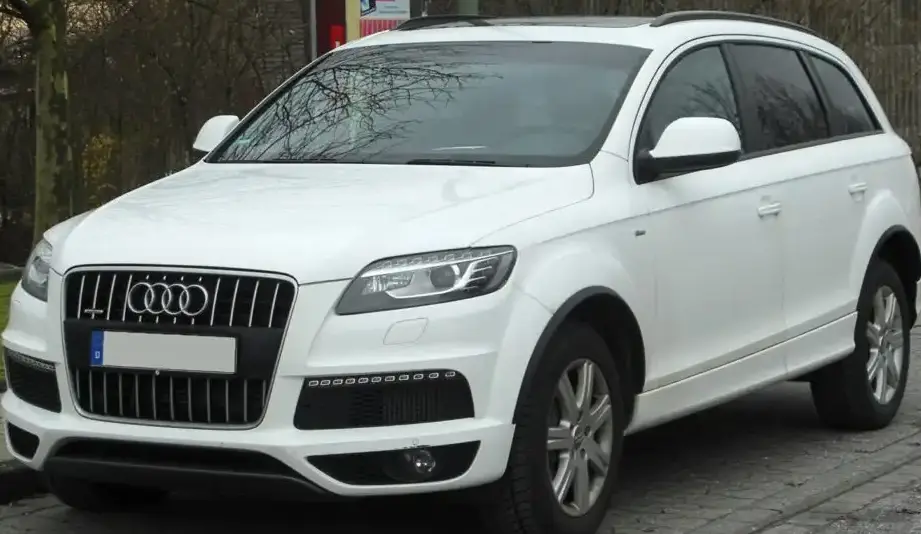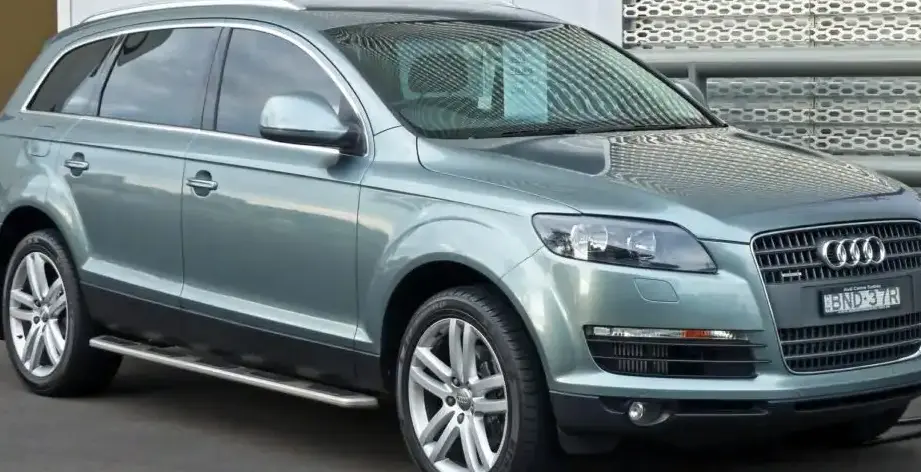
The Audi Q7 (Typ 4L) 4.2 FSI V8 quattro tiptronic was a high-performance variant of the first-generation Q7, produced between November 2005 and 2008. Positioned as the flagship engine option, it represented the pinnacle of performance and luxury within the 4L Q7 range. This model combined Audi’s renowned quattro all-wheel-drive system with a naturally aspirated 4.2-liter V8 engine and a six-speed tiptronic automatic transmission, offering a blend of power, refinement, and practicality in a seven-seat SUV package. The 4L Q7 was Audi’s first foray into the full-size luxury SUV segment, aiming to compete with established rivals like the BMW X5 and Mercedes-Benz GL-Class.
Technical Specifications
| Brand | Audi |
| Model | Q7 |
| Generation | Q7 (Typ 4L) |
| Type (Engine) | 4.2 FSI V8 (350 Hp) quattro tiptronic |
| Start of production | November, 2005 |
| End of production | 2008 |
| Powertrain Architecture | Internal Combustion engine |
| Body type | SUV |
| Seats | 7 |
| Doors | 5 |
| Fuel consumption (urban) | 18.1 l/100 km (13 US mpg, 15.6 UK mpg, 5.5 km/l) |
| Fuel consumption (extra urban) | 13.1 l/100 km (18 US mpg, 21.6 UK mpg, 7.6 km/l) |
| CO2 emissions | 326 g/km |
| Fuel Type | Petrol (Gasoline) |
| Acceleration 0 – 100 km/h | 7.4 sec |
| Acceleration 0 – 62 mph | 7.4 sec |
| Acceleration 0 – 60 mph | 7 sec |
| Maximum speed | 244 km/h (151.61 mph) |
| Emission standard | Euro 4 |
| Weight-to-power ratio | 6.4 kg/Hp, 156.3 Hp/tonne |
| Weight-to-torque ratio | 5.1 kg/Nm, 196.4 Nm/tonne |
| Power | 350 Hp @ 6800 rpm |
| Power per litre | 84.1 Hp/l |
| Torque | 440 Nm @ 3500 rpm (324.53 lb.-ft. @ 3500 rpm) |
| Engine layout | Front, Longitudinal |
| Engine Model/Code | BAR |
| Engine displacement | 4163 cm3 (254.04 cu. in.) |
| Number of cylinders | 8 |
| Engine configuration | V-engine |
| Cylinder Bore | 84.5 mm (3.33 in.) |
| Piston Stroke | 92.8 mm (3.65 in.) |
| Compression ratio | 12.5:1 |
| Number of valves per cylinder | 4 |
| Fuel injection system | Direct injection |
| Engine aspiration | Naturally aspirated engine |
| Valvetrain | DOHC |
| Engine oil capacity | 9.1 l (9.62 US qt | 8.01 UK qt) |
| Kerb Weight | 2240 kg (4938.35 lbs.) |
| Max. weight | 2935 kg (6470.57 lbs.) |
| Max load | 695 kg (1532.21 lbs.) |
| Trunk (boot) space – minimum | 775 l (27.37 cu. ft.) |
| Trunk (boot) space – maximum | 2035 l (71.87 cu. ft.) |
| Fuel tank capacity | 100 l (26.42 US gal | 22 UK gal) |
| Length | 5086 mm (200.24 in.) |
| Width | 1983 mm (78.07 in.) |
| Width including mirrors | 2177 mm (85.71 in.) |
| Height | 1737 mm (68.39 in.) |
| Wheelbase | 3002 mm (118.19 in.) |
| Front track | 1651 mm (65 in.) |
| Rear (Back) track | 1676 mm (65.98 in.) |
| Front overhang | 965 mm (37.99 in.) |
| Rear overhang | 1119 mm (44.06 in.) |
| Ride height (ground clearance) | 240-205 mm (9.45 – 8.07 in.) |
| Drag coefficient (Cd) | 0.37 |
| Minimum turning circle | 12 m (39.37 ft.) |
| Drive wheel | All wheel drive (4×4) |
| Number of gears and type of gearbox | 6 gears, automatic transmission Tiptronic |
| Front suspension | Double wishbone |
| Rear suspension | Independent coil spring |
| Front brakes | Ventilated discs |
| Rear brakes | Ventilated discs |
| Assisting systems | ABS (Anti-lock braking system) |
| Steering type | Steering rack and pinion |
| Tires size | 255/55 R18 |
| Wheel rims size | 18 |
Powertrain & Engine Architecture
The heart of the Q7 4.2 FSI was the BAR engine code, a 4.2-liter naturally aspirated V8. This engine utilized Audi’s FSI (Fuel Stratified Injection) direct injection technology, which allowed for precise fuel delivery and improved combustion efficiency. The engine featured a double overhead camshaft (DOHC) valvetrain with four valves per cylinder, contributing to its high power output. The 4.2 FSI produced 350 horsepower at 6800 rpm and 440 Nm (324.53 lb-ft) of torque at 3500 rpm. The engine’s longitudinal mounting and the quattro all-wheel-drive system provided optimal weight distribution and traction. Paired with the engine was a six-speed tiptronic automatic transmission. This transmission offered both fully automatic operation and manual gear selection via steering wheel-mounted paddles or the gear selector, providing drivers with a degree of control over the powertrain.
Driving Characteristics
The Q7 4.2 FSI tiptronic delivered a noticeably different driving experience compared to the lower-powered variants, such as the 3.6 FSI or the diesel models. The V8 engine provided strong and readily available power across the rev range, resulting in brisk acceleration. The 0-60 mph sprint was achieved in around 7 seconds, and the top speed was electronically limited to 151.61 mph. While the tiptronic transmission offered smooth and refined shifts, it wasn’t as responsive as a manual gearbox or some of the newer dual-clutch transmissions. The quattro all-wheel-drive system provided excellent grip and stability in all weather conditions, enhancing the Q7’s handling characteristics. However, the vehicle’s considerable weight (2240 kg / 4938.35 lbs) was noticeable, particularly during cornering. The gear ratios were tuned for a balance between performance and fuel economy, but the V8 engine’s thirst for fuel meant that achieving good mileage was challenging.
Equipment & Trim Levels
The 4.2 FSI quattro tiptronic typically came with a high level of standard equipment. This included leather upholstery, power-adjustable front seats with memory function, a premium audio system, dual-zone automatic climate control, and a sunroof. Optional extras included a navigation system, rear-seat entertainment system, adaptive air suspension, and various cosmetic enhancements. The interior trim was generally well-appointed, with high-quality materials and a focus on comfort. The Q7’s seven-seat configuration provided ample space for passengers, although the third-row seats were best suited for children or shorter adults.
Chassis & Braking
The Q7 4.2 FSI featured a robust chassis designed to handle the weight and power of the V8 engine. The suspension consisted of double wishbones at the front and an independent coil spring setup at the rear. The suspension was tuned for a comfortable ride, but it also provided reasonable handling capabilities. Braking duties were handled by ventilated discs on all four wheels, coupled with an Anti-lock Braking System (ABS). The braking performance was adequate for the vehicle’s weight and power, but some drivers found the brake pedal feel to be somewhat soft.
Market Reception & Comparison
The Audi Q7 4.2 FSI quattro tiptronic was generally well-received by automotive critics. It was praised for its powerful engine, luxurious interior, and all-weather capability. However, it was also criticized for its high fuel consumption, considerable weight, and relatively high price tag. Compared to the 3.6 FSI model, the 4.2 FSI offered significantly more performance but came at a substantial cost increase. The diesel-powered Q7 models (such as the 3.0 TDI) provided better fuel economy and comparable torque, making them a more practical choice for many buyers. The 4.2 FSI appealed to buyers who prioritized performance and luxury over fuel efficiency.
Legacy
The 4.2 FSI V8 engine proved to be relatively reliable, although preventative maintenance is crucial. Common issues include oil leaks, carbon buildup on the intake valves (a characteristic of direct injection engines), and occasional problems with the timing chain tensioners. The tiptronic transmission is generally durable but requires regular fluid changes to ensure smooth operation. Today, the Q7 4.2 FSI represents a compelling option in the used luxury SUV market, offering a unique combination of performance, space, and refinement. However, potential buyers should be prepared for higher running costs due to the V8 engine’s fuel consumption and the potential for age-related maintenance issues.