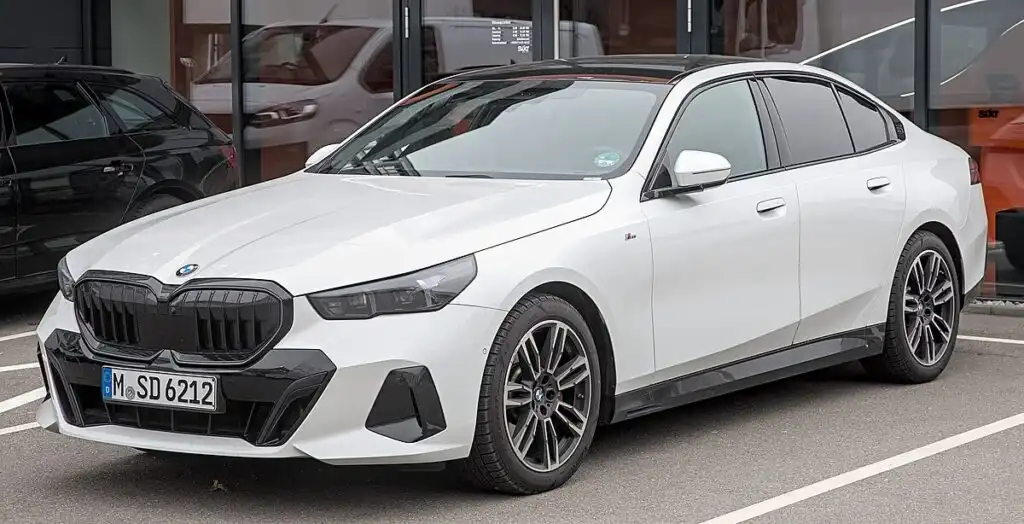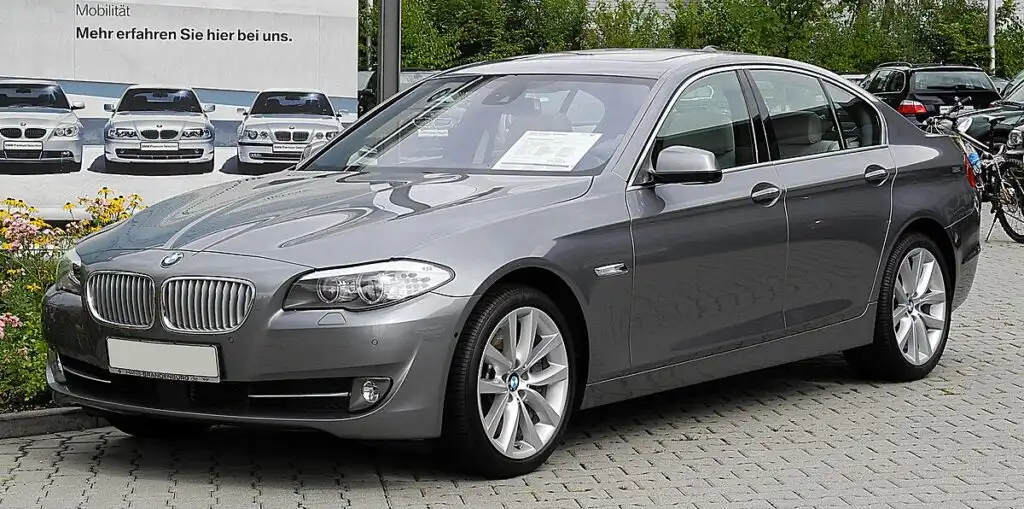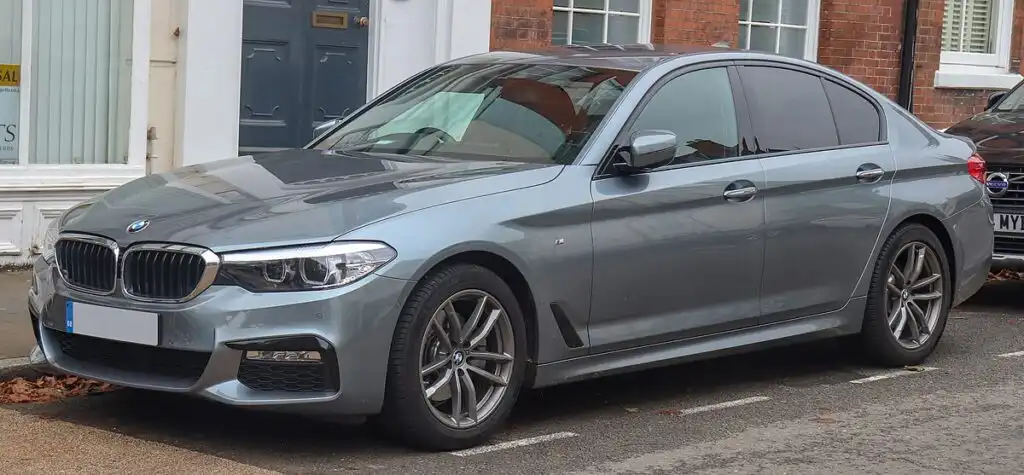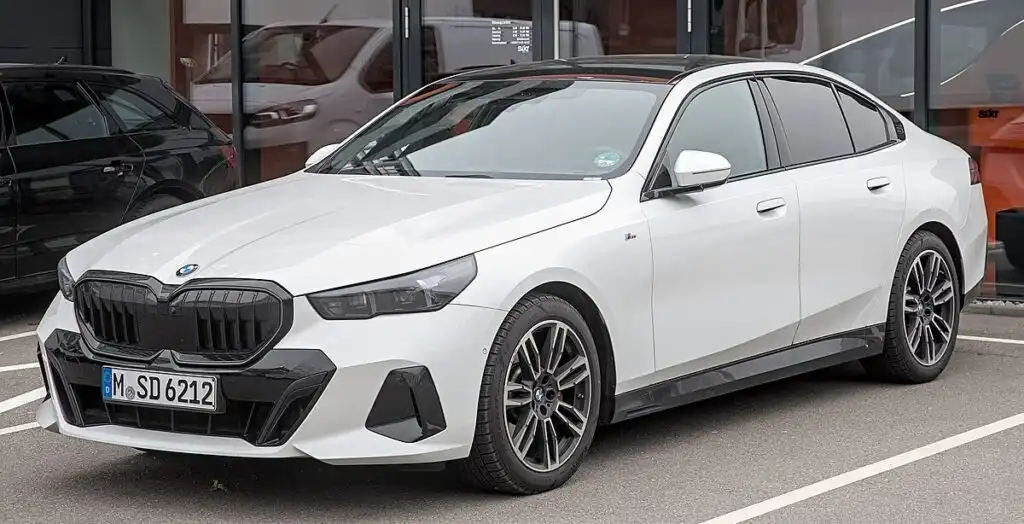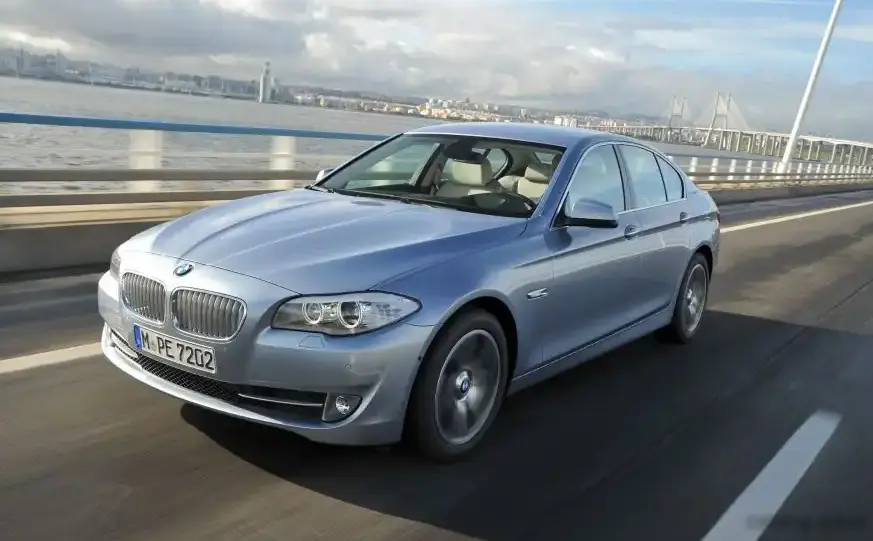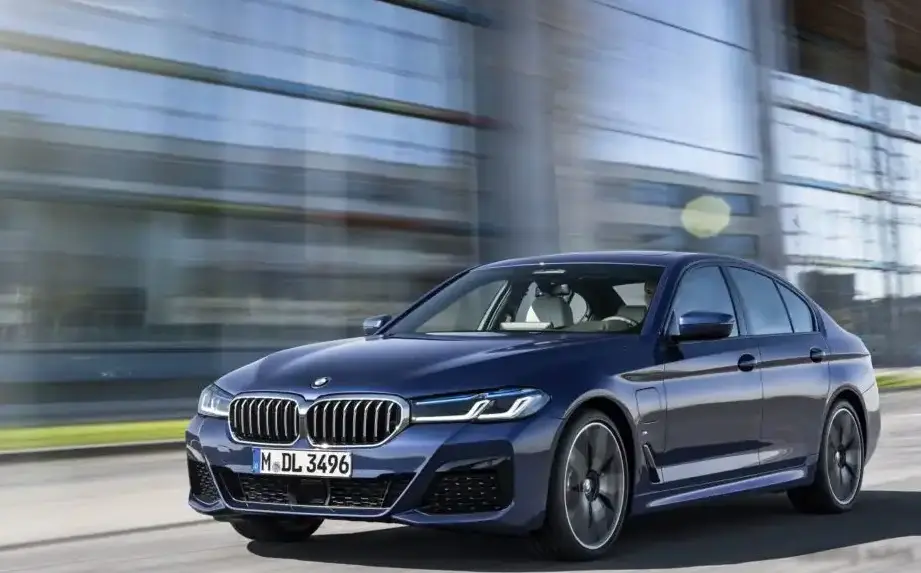
The BMW 530e xDrive, introduced in May 2020 as part of the G30 5 Series facelift (LCI), represents BMW’s foray into plug-in hybrid technology within its executive sedan lineup. This variant combined a 2.0-liter turbocharged four-cylinder gasoline engine with an electric motor, offering a balance of performance and efficiency. Positioned as a mid-range offering within the 5 Series range, the 530e aimed to appeal to buyers seeking a premium driving experience with reduced emissions and the convenience of electric-only driving for shorter commutes. Production continued through 2023, solidifying its place as a key model in BMW’s electrification strategy.
Technical Specifications
| Brand | BMW |
| Model | 5 Series |
| Generation | 5 Series Sedan (G30 LCI, facelift 2020) |
| Type (Engine) | 530e (292 Hp) Plug-in Hybrid xDrive Steptronic |
| Start of production | May, 2020 |
| End of production | 2023 |
| Powertrain Architecture | PHEV (Plug-in Hybrid Electric Vehicle) |
| Body type | Sedan |
| Seats | 5 |
| Doors | 4 |
| Fuel consumption (combined) | 2.0-2.1 l/100 km (117.6 – 112 US mpg, 141.2 – 134.5 UK mpg, 50 – 47.6 km/l) |
| CO2 emissions | 46-49 g/km |
| Fuel Type | Petrol / electricity |
| Acceleration 0 – 100 km/h | 5.9 sec |
| Acceleration 0 – 62 mph | 5.9 sec |
| Acceleration 0 – 60 mph | 5.6 sec |
| Maximum speed | 230 km/h (142.92 mph) |
| Emission standard | EURO 6d |
| Weight-to-power ratio | 6.5 kg/Hp, 154.1 Hp/tonne |
| Weight-to-torque ratio | 4.5 kg/Nm, 221.6 Nm/tonne |
| Gross battery capacity | 12 kWh |
| Battery voltage | 354 V |
| Battery technology | Lithium-ion (Li-Ion) |
| Battery location | Under the rear seats |
| All-electric range | 56-58 km (34.8 – 36.04 mi) |
| Average Energy consumption | 15.9-16.4 kWh/100 km (25.59 – 26.39 kWh/100 mi, 132 – 128 MPGe, 6.3 – 6.1 km/kWh, 3.9 – 3.8 mi/kWh) |
| Max speed (electric) | 140 km/h (86.99 mph) |
| Electric motor power | 109 Hp @ 3140 rpm (195.45 lb.-ft. @ 100-2500 rpm) |
| System power | 292 Hp |
| System torque | 420 Nm (309.78 lb.-ft.) |
| Engine Power | 184 Hp @ 5000-6500 rpm |
| Engine Torque | 300 Nm @ 1350-4000 rpm (221.27 lb.-ft. @ 1350-4000 rpm) |
| Engine layout | Front, Longitudinal |
| Engine Model/Code | B48B20A |
| Engine displacement | 1998 cm3 (121.93 cu. in.) |
| Number of cylinders | 4 |
| Engine configuration | Inline |
| Cylinder Bore | 82 mm (3.23 in.) |
| Piston Stroke | 94.6 mm (3.72 in.) |
| Compression ratio | 11:1 |
| Number of valves per cylinder | 4 |
| Fuel injection system | Direct injection |
| Engine aspiration | Twin-power turbo, Intercooler |
| Valvetrain | VALVETRONIC |
| Engine oil capacity | 5.25 l (5.55 US qt | 4.62 UK qt) |
| Coolant | 9.9 l (10.46 US qt | 8.71 UK qt) |
| Kerb Weight | 1895 kg (4177.76 lbs.) |
| Max. weight | 2560 kg (5643.83 lbs.) |
| Max load | 665 kg (1466.07 lbs.) |
| Trunk (boot) space – minimum | 410 l (14.48 cu. ft.) |
| Fuel tank capacity | 46 l (12.15 US gal | 10.12 UK gal) |
| Max. roof load | 100 kg (220.46 lbs.) |
| Permitted trailer load with brakes (12%) | 2000 kg (4409.25 lbs.) |
| Permitted trailer load without brakes | 750 kg (1653.47 lbs.) |
| Permitted towbar download | 80 kg (176.37 lbs.) |
| Length | 4963 mm (195.39 in.) |
| Width | 1868 mm (73.54 in.) |
| Height | 1483 mm (58.39 in.) |
| Wheelbase | 2975 mm (117.13 in.) |
| Front track | 1604 mm (63.15 in.) |
| Rear (Back) track | 1631 mm (64.21 in.) |
| Ride height (ground clearance) | 146 mm (5.75 in.) |
| Drag coefficient (Cd) | 0.24 |
| Minimum turning circle (turning diameter) | 12.4 m (40.68 ft.) |
| Drivetrain Architecture | The Internal combustion engine (ICE) and the electric motor permanently drive the four wheels of the car with the ability to work in full electric or mixed mode. |
| Drive wheel | All wheel drive (4×4) |
| Number of gears and type of gearbox | 8 gears, automatic transmission Steptronic |
| Front suspension | Double wishbone |
| Rear suspension | Independent multi-link suspension |
| Front brakes | Ventilated discs |
| Rear brakes | Ventilated discs |
| Assisting systems | ABS (Anti-lock braking system) |
| Steering type | Steering rack and pinion |
| Power steering | Electric Steering |
| Tires size | 225/55 R17 |
| Wheel rims size | 7.5J x 17 |
Powertrain & Engine Architecture
At the heart of the 530e lies BMW’s B48B20A 2.0-liter inline-four cylinder engine. This engine, a member of BMW’s modular engine family, utilizes direct fuel injection and a twin-scroll turbocharger to produce 184 horsepower and 221 lb-ft of torque. The engine features BMW’s VALVETRONIC technology, which allows for precise control of valve lift and timing, optimizing efficiency and responsiveness. Integrated with the engine is a 109 horsepower electric motor, drawing power from a 12 kWh lithium-ion battery pack located under the rear seats. The electric motor delivers 195 lb-ft of torque. Combined, the powertrain generates a total system output of 292 horsepower and 309 lb-ft of torque. Power is delivered to all four wheels via BMW’s xDrive all-wheel-drive system and an eight-speed Steptronic automatic transmission. The transmission is specifically tuned to work seamlessly with both the gasoline engine and the electric motor, providing smooth and efficient gear changes.
Driving Characteristics
The 530e xDrive offers a distinct driving experience compared to its gasoline-only counterparts. In electric mode, the car provides near-silent acceleration and a range of approximately 35-36 miles, sufficient for many daily commutes. Switching to hybrid mode allows the engine and electric motor to work in tandem, providing brisk acceleration – 0-60 mph in around 5.6 seconds. The electric motor provides instant torque, filling in gaps in the gasoline engine’s power delivery. The eight-speed automatic transmission is well-programmed, offering smooth shifts and contributing to the car’s overall refinement. While the 530e carries additional weight due to the battery pack, the xDrive system maintains excellent handling balance and stability. Compared to the 540i, the 530e offers less outright performance, but its fuel efficiency and electric driving capability provide a different kind of appeal.
Equipment & Trim Levels
The 530e xDrive typically came well-equipped, reflecting its position as a premium model. Standard features included BMW’s iDrive infotainment system with a 12.3-inch touchscreen display, navigation, Apple CarPlay and Android Auto compatibility, and a premium sound system. Leather upholstery, power-adjustable front seats with memory function, and automatic climate control were also standard. Optional extras included a head-up display, adaptive cruise control, a panoramic sunroof, and upgraded interior trim options. The exterior styling was largely consistent with other 5 Series models, with subtle “eDrive” badging to denote its plug-in hybrid status.
Chassis & Braking
The 530e xDrive utilizes a double-wishbone front suspension and an independent multi-link rear suspension, providing a comfortable and controlled ride. The suspension is tuned to manage the added weight of the battery pack without compromising handling. Ventilated disc brakes are fitted on all four wheels, providing ample stopping power. The car is equipped with BMW’s ABS (Anti-lock Braking System), stability control, and traction control systems. The electric steering system offers precise and responsive steering feel.
Market Reception & Comparison
The 530e xDrive was generally well-received by automotive critics. Reviewers praised its fuel efficiency, smooth electric driving experience, and refined interior. However, some noted that the added weight of the battery pack slightly diminished the car’s handling agility compared to the standard 5 Series models. Compared to the 530i, the 530e offered significantly better fuel economy and the ability to drive in electric mode, but at a higher initial cost. Against competitors like the Mercedes-Benz E350e and the Volvo S90 Recharge, the 530e offered a compelling combination of performance, luxury, and efficiency.
Legacy
The BMW 530e xDrive represents an important step in BMW’s transition towards electrification. The B48 engine and the electric powertrain have proven to be relatively reliable, with few widespread issues reported. On the used car market, the 530e offers a good value proposition for buyers seeking a premium plug-in hybrid sedan. The battery pack’s capacity and longevity are key considerations for potential buyers, but with proper maintenance, the 530e is expected to provide many years of reliable service. The model paved the way for future BMW plug-in hybrid offerings, demonstrating the brand’s commitment to sustainable mobility.