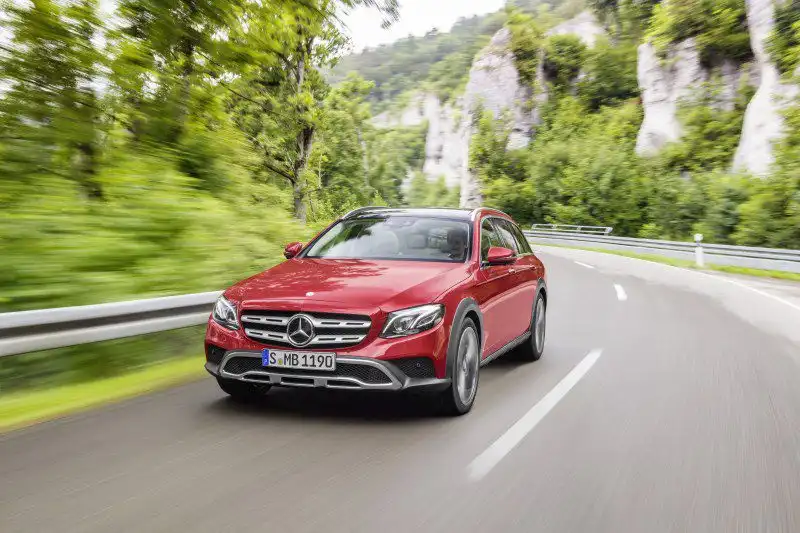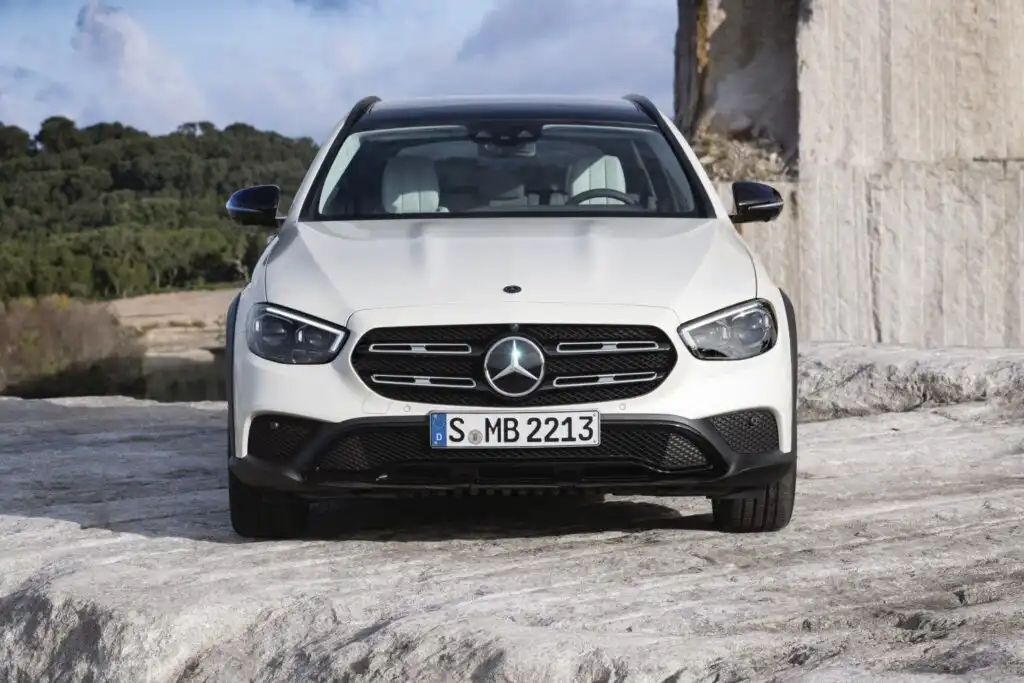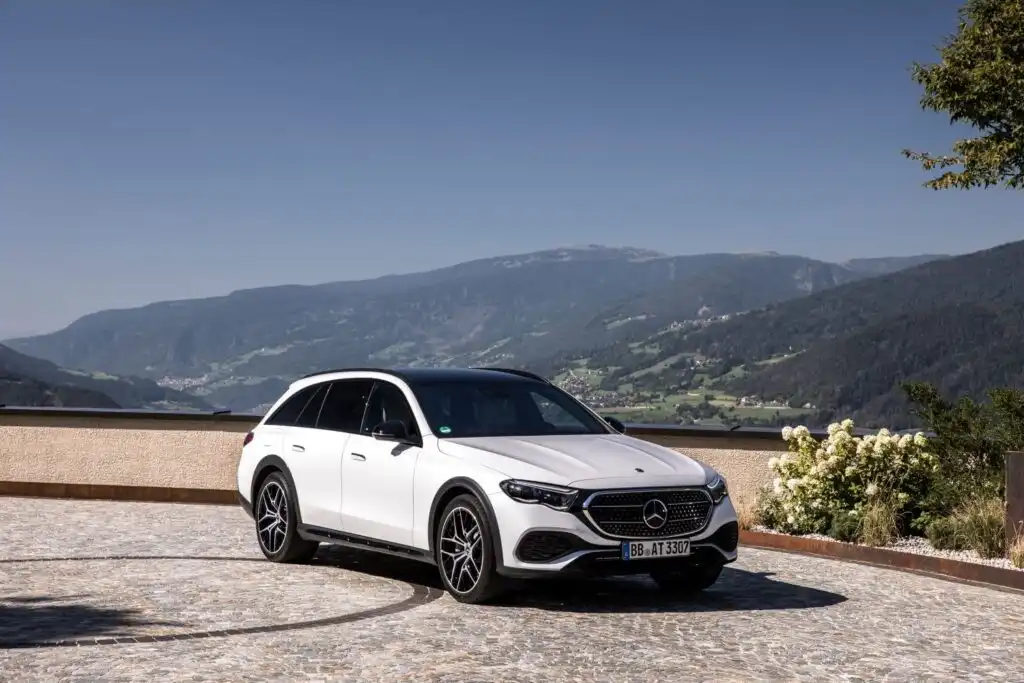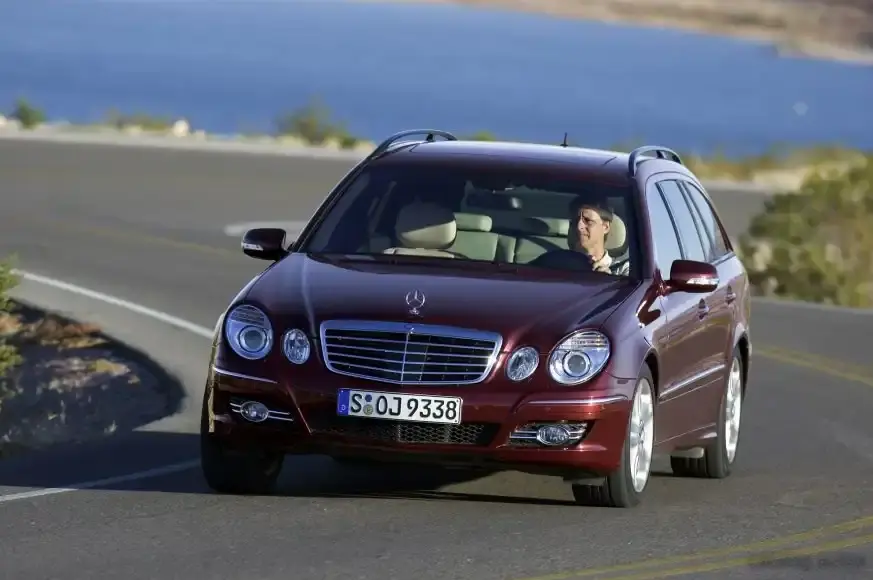
The Mercedes-Benz E-Class T-modell (S211) facelift, produced from 2006 to 2009, represented a significant update to the second-generation E-Class wagon. The E 280 V6, equipped with the 7G-TRONIC automatic transmission, occupied a middle-ground position within the lineup, offering a balance of performance, luxury, and practicality. This variant aimed to appeal to buyers seeking a refined estate car with ample power for touring and everyday use, without the outright performance focus of the AMG models or the fuel economy emphasis of the four-cylinder diesels.
Technical Specifications
| Brand | Mercedes-Benz |
| Model | E-Class |
| Generation | E-Class T-modell (S211, facelift 2006) |
| Type (Engine) | E 280 V6 (231 Hp) 7G-TRONIC |
| Start of production | 2006 |
| End of production | 2009 |
| Powertrain Architecture | Internal Combustion engine |
| Body type | Station wagon (estate) |
| Seats | 5 |
| Doors | 5 |
| Fuel consumption (urban) | 13.8 l/100 km (17 US mpg, 20.5 UK mpg) |
| Fuel consumption (extra urban) | 7.3 l/100 km (32.2 US mpg, 38.7 UK mpg) |
| Fuel consumption (combined) | 9.7 l/100 km (24.2 US mpg, 29.1 UK mpg) |
| CO2 emissions | 232-239 g/km |
| Fuel Type | Petrol (Gasoline) |
| Acceleration 0 – 100 km/h | 7.9 sec |
| Acceleration 0 – 62 mph | 7.9 sec |
| Acceleration 0 – 60 mph | 7.5 sec |
| Maximum speed | 238 km/h (147.89 mph) |
| Emission standard | Euro 4 |
| Weight-to-power ratio | 7.4 kg/Hp |
| Weight-to-torque ratio | 5.7 kg/Nm |
| Power | 231 Hp @ 6000 rpm |
| Torque | 300 Nm @ 2500-5000 rpm (221.27 lb.-ft. @ 2500-5000 rpm) |
| Engine layout | Front, Longitudinal |
| Engine Model/Code | M 272.943 |
| Engine displacement | 2996 cm3 (182.83 cu. in.) |
| Number of cylinders | 6 |
| Engine configuration | V-engine |
| Cylinder Bore | 88 mm (3.46 in.) |
| Piston Stroke | 82.1 mm (3.23 in.) |
| Compression ratio | 11.1:1 |
| Number of valves per cylinder | 4 |
| Fuel injection system | Multi-port manifold injection |
| Engine aspiration | Naturally aspirated engine |
| Engine oil capacity | 8 l (8.45 US qt | 7.04 UK qt) |
| Coolant | 10 l (10.57 US qt | 8.8 UK qt) |
| Kerb Weight | 1710 kg (3769.9 lbs.) |
| Max. weight | 2360 kg (5202.91 lbs.) |
| Max load | 650 kg (1433 lbs.) |
| Trunk (boot) space – minimum | 690 l (24.37 cu. ft.) |
| Trunk (boot) space – maximum | 1950 l (68.86 cu. ft.) |
| Fuel tank capacity | 70 l (18.49 US gal | 15.4 UK gal) |
| Length | 4888 mm (192.44 in.) |
| Width | 1822 mm (71.73 in.) |
| Width including mirrors | 2063 mm (81.22 in.) |
| Height | 1506 mm (59.29 in.) |
| Wheelbase | 2854 mm (112.36 in.) |
| Front track | 1559 mm (61.38 in.) |
| Rear (Back) track | 1552 mm (61.1 in.) |
| Front overhang | 869 mm (34.21 in.) |
| Rear overhang | 1165 mm (45.87 in.) |
| Minimum turning circle | 11.4 m (37.4 ft.) |
| Drivetrain Architecture | Rear wheel drive |
| Drive wheel | Rear wheel drive |
| Number of gears | 7 |
| Gearbox type | Automatic transmission G-TRONIC |
| Front suspension | Double wishbone |
| Rear suspension | Independent multi-link spring suspension with stabilizer |
| Front brakes | Ventilated discs |
| Rear brakes | Disc |
| Assisting systems | ABS (Anti-lock braking system) |
| Steering type | Steering rack and pinion |
| Power steering | Hydraulic Steering |
| Tires size | 225/55 R16 |
| Wheel rims size | 7.5J X 16 |
INTRODUCTION
The S211 E-Class T-modell, introduced in 2003, brought a modern and luxurious estate car option to the Mercedes-Benz lineup. The 2006 facelift refined the design with updated front and rear styling, interior enhancements, and revised engine options. The E 280 V6, powered by the M272 engine and paired with the 7G-TRONIC transmission, was a key variant in this generation. It offered a compelling blend of performance and efficiency, targeting buyers who desired a premium wagon experience without the higher costs associated with the more powerful E 320 or E 500 models. It sat comfortably in the mid-range of the T-modell offerings, above the base 1.8L Kompressor models and below the flagship V8 variants.
Powertrain & Engine Architecture
The heart of the E 280 V6 is the M272.943 3.0-liter naturally aspirated V6 engine. This engine is a 60-degree V-engine featuring all-aluminum construction, including the cylinder heads and block. It utilizes a four-valve-per-cylinder design and a multi-port fuel injection system. The M272 engine family was known for its smooth operation and relatively high power output for its displacement. The 7G-TRONIC automatic transmission, a seven-speed unit, was a significant advancement over previous Mercedes-Benz automatics. It offered smoother shifts, improved fuel efficiency, and a wider gear ratio spread. The transmission features a torque converter lock-up clutch that engages in most gears, further enhancing efficiency. The engine produces 231 horsepower at 6000 rpm and 300 Nm (221 lb-ft) of torque between 2500 and 5000 rpm. This configuration provided ample power for comfortable highway cruising and confident overtaking.
Driving Characteristics
The E 280 V6 T-modell offered a refined and comfortable driving experience. The 7G-TRONIC transmission contributed to smooth and almost imperceptible gear changes, enhancing the sense of effortless progress. While not a sports car, the E 280 V6 provided adequate acceleration, achieving 0-60 mph in approximately 7.5 seconds. Compared to the manual transmission versions (which were less common), the 7G-TRONIC offered greater convenience and ease of use, particularly in city driving. Compared to the more powerful E 320, the E 280 V6 felt less urgent in its acceleration, but the difference was often negligible in real-world driving scenarios. The engine’s torque curve provided good responsiveness, making it easy to maintain speed on inclines or execute passing maneuvers. The rear-wheel-drive configuration contributed to balanced handling, although it wasn’t particularly sporty.
Equipment & Trim Levels
The E 280 V6 T-modell came standard with a generous array of features, reflecting its position as a premium vehicle. Standard equipment typically included automatic climate control, power-adjustable front seats, a multi-function steering wheel, and a high-quality audio system. Leather upholstery was often standard, or a readily available option. Optional extras included a sunroof, navigation system, premium sound system, parking sensors, and heated seats. Trim levels varied depending on the market, but generally offered packages that bundled popular options together. The interior design was characterized by Mercedes-Benz’s signature blend of luxury and functionality, with high-quality materials and a well-laid-out dashboard.
Chassis & Braking
The S211 E-Class T-modell featured a robust chassis designed to provide a comfortable ride and stable handling. The front suspension utilized a double wishbone design, while the rear suspension employed an independent multi-link setup with a stabilizer bar. This configuration minimized body roll and provided a controlled ride. The E 280 V6 typically came equipped with ventilated disc brakes at the front and solid disc brakes at the rear. Anti-lock braking system (ABS) was standard, enhancing safety and control during emergency braking. The steering system was a rack-and-pinion setup with hydraulic power assistance, providing precise and responsive steering feel.
Market Reception & Comparison
The E 280 V6 T-modell was generally well-received by automotive critics. It was praised for its comfortable ride, refined engine, and spacious interior. The 7G-TRONIC transmission was also a highlight, earning positive reviews for its smoothness and efficiency. Compared to the E 320, the E 280 V6 offered a more affordable entry point into the E-Class wagon range, while still providing a satisfying level of performance and luxury. Fuel economy was respectable for a V6 engine of this size, averaging around 24.2 US mpg in combined driving. However, some critics noted that the engine lacked the outright punch of the larger V8 models.
Legacy
The M272 engine family, including the 3.0-liter V6 used in the E 280 V6, has proven to be relatively reliable, although preventative maintenance is crucial. Common issues include oil leaks from the valve cover gaskets and potential problems with the balance shaft. The 7G-TRONIC transmission is also generally durable, but requires regular fluid changes to ensure smooth operation. Today, the S211 E-Class T-modell, including the E 280 V6 variant, remains a popular choice among buyers seeking a well-built and practical estate car. Values for well-maintained examples have remained relatively stable, reflecting the enduring appeal of the Mercedes-Benz brand and the practicality of the wagon body style. Finding examples with complete service histories is key to ensuring long-term reliability.