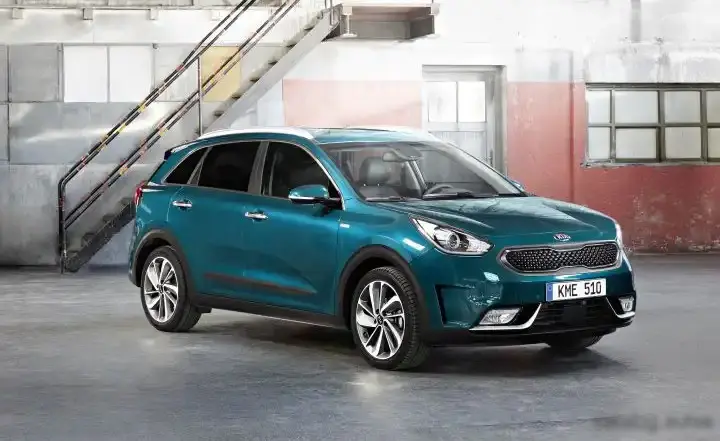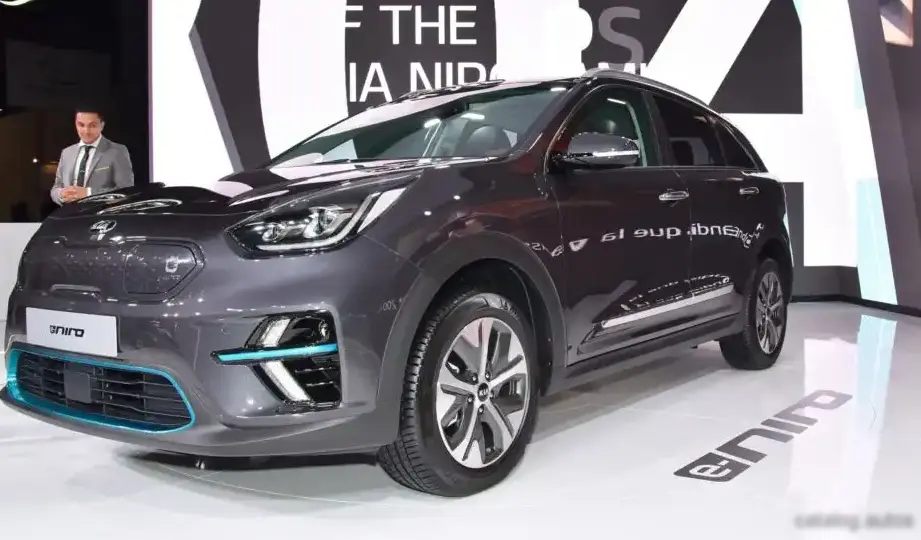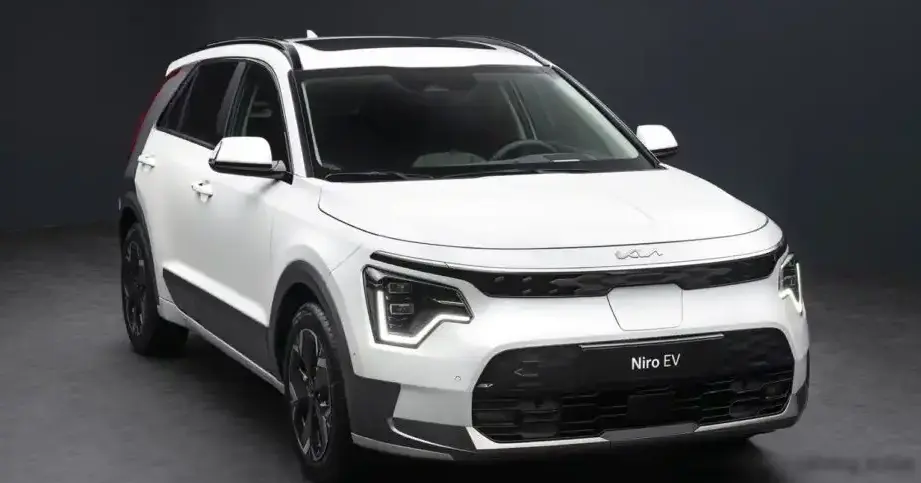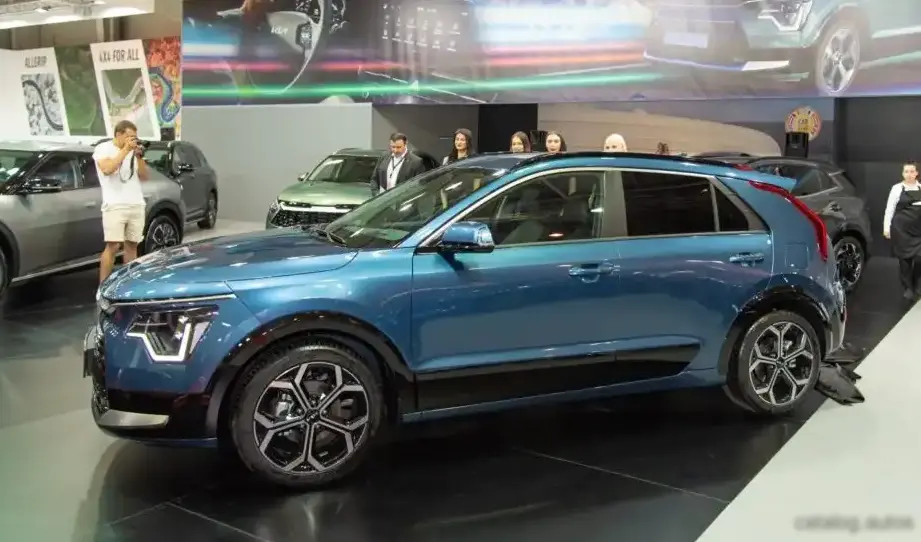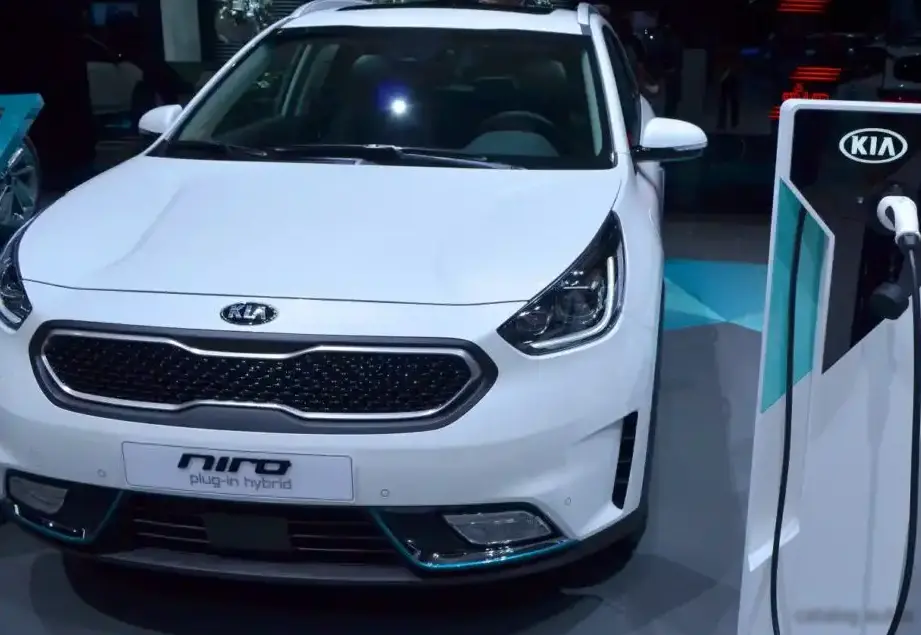
The Kia Niro Plug-in Hybrid, specifically the 1.6 GDI variant producing 141 horsepower, was introduced in August 2017 and remained in production through 2019. This model represents Kia’s entry into the growing plug-in hybrid SUV market, designed to offer a balance of fuel efficiency, practicality, and all-electric driving range. Positioned as a mid-range offering within the first-generation Niro (LX, EX, and Touring trims), it aimed to attract buyers seeking a more environmentally conscious vehicle without sacrificing the convenience of a traditional gasoline engine. The Niro I, built on Kia’s 1HX0 platform, shared its underpinnings with the Hyundai Ioniq, but distinguished itself with a more traditional SUV body style.
Technical Specifications
| Brand | Kia |
| Model | Niro |
| Generation | Niro I |
| Type (Engine) | 1.6 GDI (141 Hp) Plug-in Hybrid DCT |
| Start of production | August, 2017 |
| End of production | 2019 |
| Powertrain Architecture | PHEV (Plug-in Hybrid Electric Vehicle) |
| Body type | SUV |
| Seats | 5 |
| Doors | 5 |
| Fuel consumption (economy) – combined (NEDC) | 1.3 l/100 km (180.9 US mpg, 217.3 UK mpg, 76.9 km/l) |
| CO2 emissions (NEDC) | 29 g/km |
| Fuel Type | Petrol / electricity |
| Acceleration 0 – 100 km/h | 10.8 sec |
| Acceleration 0 – 62 mph | 10.8 sec |
| Acceleration 0 – 60 mph | 10.3 sec |
| Maximum speed | 172 km/h (106.88 mph) |
| Emission standard | Euro 6 |
| Weight-to-power ratio | 10.8 kg/Hp, 92.8 Hp/tonne |
| Weight-to-torque ratio | 5.7 kg/Nm, 174.5 Nm/tonne |
| Gross battery capacity | 8.9 kWh |
| Net (usable) battery capacity | 7.1 kWh |
| Battery voltage | 360 V |
| Battery technology | Lithium-polymer (LiPo) |
| Battery weight | 117 kg (257.94 lbs.) |
| Battery location | Under the rear seats / Under the trunk |
| All-electric range (NEDC) | 58 km (36.04 mi) |
| Average Energy consumption (NEDC) | 9.8 kWh/100 km (15.77 kWh/100 mi, 214 MPGe, 10.2 km/kWh, 6.3 mi/kWh) |
| Max speed (electric) | 120 km/h (74.56 mph) |
| Electric motor power | 61 Hp @ 1798-2500 rpm |
| Electric motor Torque | 170 Nm @ 0-1798 rpm (125.39 lb.-ft. @ 0-1798 rpm) |
| Electric motor location | Between the combustion engine and the transmission |
| System power | 141 Hp @ 5700 rpm |
| System torque | 265 Nm @ 1000-2400 rpm (195.45 lb.-ft. @ 1000-2400 rpm) |
| Power | 105 Hp @ 5700 rpm |
| Torque | 147 Nm @ 4000 rpm (108.42 lb.-ft. @ 4000 rpm) |
| Engine layout | Front, Transverse |
| Engine Model/Code | Smartstream / G4LE |
| Engine displacement | 1580 cm3 (96.42 cu. in.) |
| Number of cylinders | 4 |
| Engine configuration | Inline |
| Cylinder Bore | 72 mm (2.83 in.) |
| Piston Stroke | 97 mm (3.82 in.) |
| Compression ratio | 13:1 |
| Number of valves per cylinder | 4 |
| Fuel injection system | Direct injection |
| Engine aspiration | Naturally aspirated engine |
| Valvetrain | DOHC |
| Engine oil capacity | 3.8 l (4.02 US qt | 3.34 UK qt) |
| Coolant | 6 l (6.34 US qt | 5.28 UK qt) |
| Kerb Weight | 1519-1576 kg (3348.82 – 3474.49 lbs.) |
| Max. weight | 2000 kg (4409.25 lbs.) |
| Max load | 424-481 kg (934.76 – 1060.42 lbs.) |
| Trunk (boot) space – minimum | 324 l (11.44 cu. ft.) |
| Trunk (boot) space – maximum | 1322 l (46.69 cu. ft.) |
| Fuel tank capacity | 43 l (11.36 US gal | 9.46 UK gal) |
| Permitted trailer load with brakes (12%) | 1300 kg (2866.01 lbs.) |
| Permitted trailer load without brakes | 600 kg (1322.77 lbs.) |
| Permitted towbar download | 100 kg (220.46 lbs.) |
| Length | 4355 mm (171.46 in.) |
| Width | 1805 mm (71.06 in.) |
| Width including mirrors | 2035 mm (80.12 in.) |
| Height | 1545 mm (60.83 in.) |
| Wheelbase | 2700 mm (106.3 in.) |
| Front track | 1555-1565 mm (61.22 – 61.61 in.) |
| Rear (Back) track | 1569-1579 mm (61.77 – 62.17 in.) |
| Front overhang | 870 mm (34.25 in.) |
| Rear overhang | 785 mm (30.91 in.) |
| Ride height (ground clearance) | 160 mm (6.3 in.) |
| Drag coefficient (Cd) | 0.29 |
| Minimum turning circle (turning diameter) | 10.6 m (34.78 ft.) |
| Drivetrain Architecture | The Internal combustion engine (ICE) and electric motor drive the front wheels of the car with the ability to work in full electric or mixed mode. |
| Drive wheel | Front wheel drive |
| Number of gears and type of gearbox | 6 gears, automatic transmission DCT |
| Front suspension | Independent, type McPherson with coil spring and anti-roll bar |
| Rear suspension | Independent multi-link spring suspension with stabilizer |
| Front brakes | Ventilated discs |
| Rear brakes | Disc |
| Assisting systems | ABS (Anti-lock braking system) |
| Steering type | Steering rack and pinion |
| Power steering | Electric Steering |
| Tires size | 205/60 R16; 225/45 R18 |
| Wheel rims size | 6.5J x 16; 7.5J x 18 |
Powertrain & Engine Architecture
The Niro Plug-in Hybrid utilizes a parallel hybrid system, combining a 1.6-liter naturally aspirated gasoline engine (G4LE) with an electric motor. The gasoline engine produces 105 horsepower and 147 Nm of torque, while the electric motor contributes 61 horsepower and 170 Nm of torque. Combined, the system delivers a total output of 141 horsepower and 265 Nm of torque. The engine features direct fuel injection and a double overhead camshaft (DOHC) valvetrain. The electric motor is positioned between the engine and the dual-clutch transmission (DCT), allowing for seamless transitions between electric, gasoline, and combined power. The 8.9 kWh lithium-polymer battery pack is located under the rear seats and in the trunk, impacting cargo space. The DCT, a six-speed unit, was chosen for its efficiency and responsiveness, contributing to the vehicle’s overall fuel economy.
Driving Characteristics
The 1.6 GDI Plug-in Hybrid Niro offers a comfortable and refined driving experience. In pure electric mode, the vehicle provides quiet and smooth acceleration, suitable for short commutes and city driving. The all-electric range of 58 km (36 miles) allows for significant emissions-free operation. When the battery is depleted or requires additional power, the gasoline engine seamlessly engages, providing a combined output that delivers adequate performance for highway driving and overtaking. The DCT transmission offers quick and precise gear changes, although some drivers may notice a slight hesitation during low-speed maneuvers. Compared to the standard Niro hybrid, the plug-in hybrid variant offers a more noticeable electric driving experience and improved fuel economy when regularly charged. Compared to higher-output Niro trims, this variant prioritizes efficiency over outright performance.
Equipment & Trim Levels
The 1.6 GDI Plug-in Hybrid Niro typically came standard with features such as automatic climate control, a touchscreen infotainment system with Apple CarPlay and Android Auto compatibility, rear parking sensors, and a suite of safety features including automatic emergency braking and lane departure warning. Higher trim levels added features like leather upholstery, a premium audio system, and a panoramic sunroof. The interior design was functional and modern, with a focus on practicality and ease of use. The dashboard layout was similar to other Niro models, with a clear and intuitive instrument cluster.
Chassis & Braking
The Niro Plug-in Hybrid features a McPherson strut front suspension and a multi-link rear suspension, providing a comfortable ride and stable handling. The suspension was tuned to balance ride comfort with handling performance. Disc brakes are used on all four wheels, providing adequate stopping power. The electronic stability control (ESC) system and anti-lock braking system (ABS) enhance safety and control in various driving conditions. The steering is electrically assisted, offering a light and responsive feel.
Market Reception & Comparison
The Kia Niro Plug-in Hybrid was generally well-received by critics for its fuel efficiency, practicality, and value. It offered a compelling alternative to other plug-in hybrid SUVs, such as the Toyota Prius Prime and the Hyundai Ioniq Plug-in Hybrid. While the 1.6 GDI variant wasn’t the quickest Niro model, it provided a good balance of performance and efficiency. Fuel economy was a major selling point, with the vehicle achieving a combined fuel consumption of 1.3 l/100 km (180.9 US mpg) and a CO2 emission of 29 g/km. Compared to the standard Niro hybrid, the plug-in hybrid variant offered lower running costs for drivers who could regularly charge the battery.
Legacy
The Kia Niro Plug-in Hybrid has proven to be a reliable and durable vehicle, with many owners reporting few major issues. The powertrain, while not particularly powerful, is generally considered to be robust and long-lasting. On the used car market, the Niro Plug-in Hybrid remains a popular choice for buyers seeking a fuel-efficient and environmentally friendly SUV. The availability of affordable replacement parts and a strong warranty contribute to its continued appeal. The first-generation Niro established Kia as a serious contender in the plug-in hybrid segment, paving the way for future electric and hybrid models.