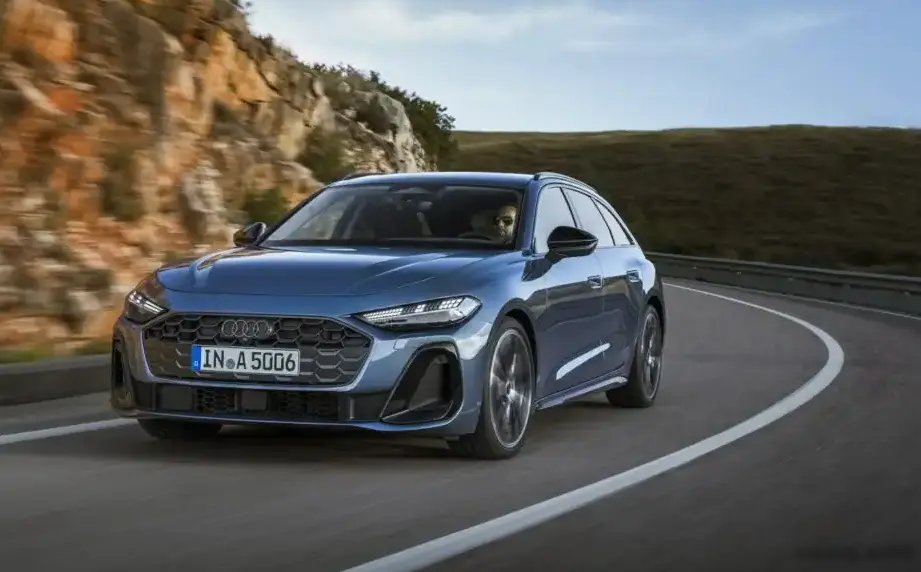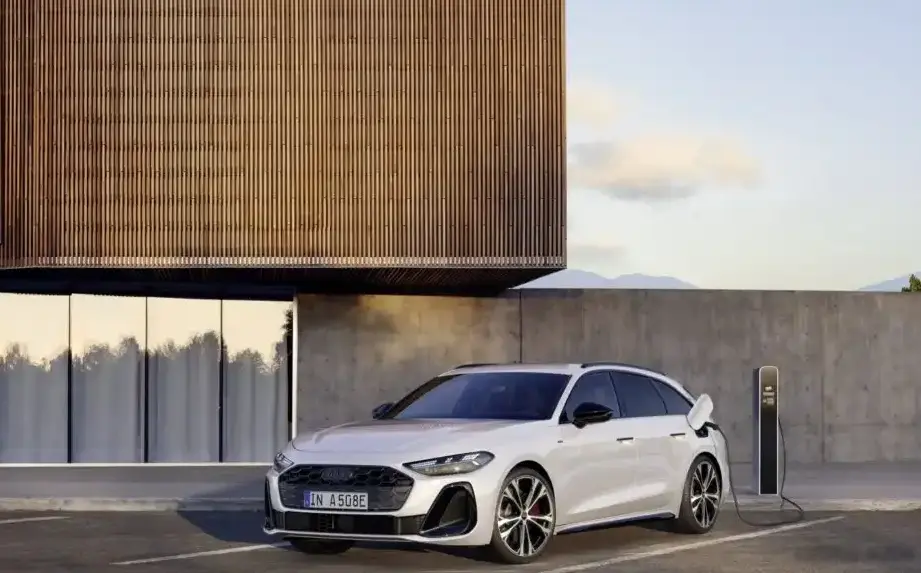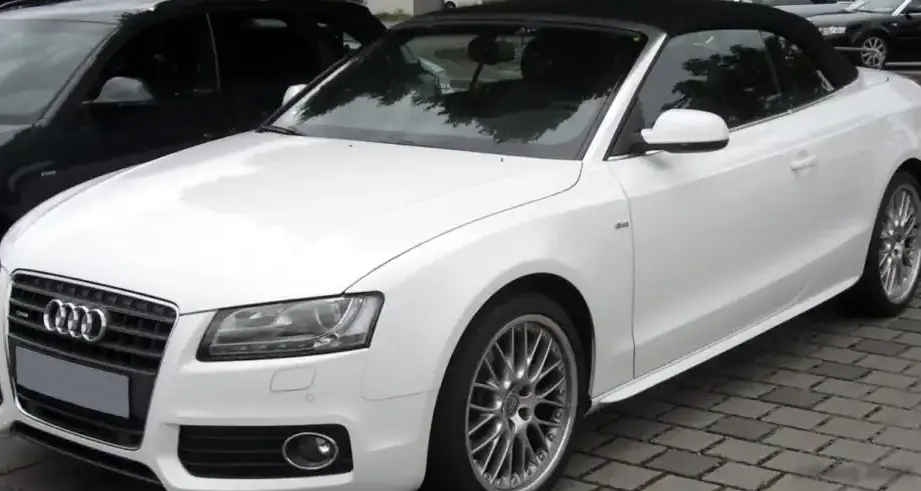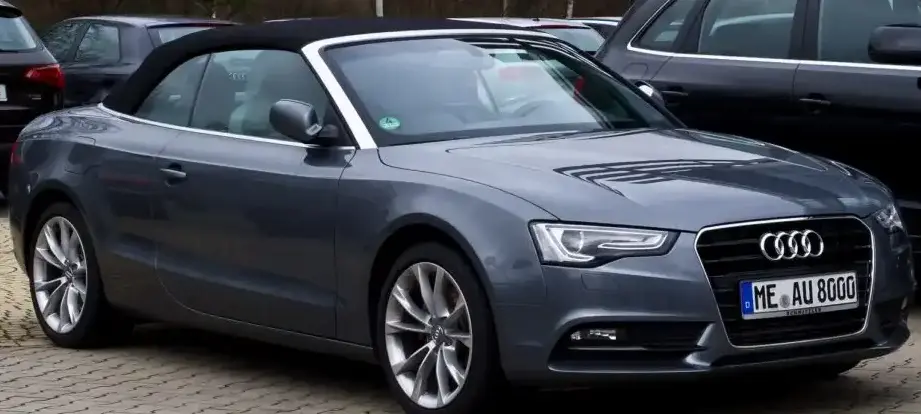
The Audi A5 Cabriolet, specifically the 8F7 facelift model produced from 2014 to 2016, offered a compelling blend of open-air motoring and sophisticated German engineering. This variant featured a 2.0-liter TDI clean diesel engine producing 190 horsepower, positioned as a mid-range offering within the A5 Cabriolet lineup. It catered to buyers seeking a balance between performance, fuel efficiency, and refinement, particularly in European markets where diesel engines were highly prevalent. The 8F7 facelift brought styling updates and technological enhancements to the A5 range, solidifying its position as a desirable premium convertible.
Technical Specifications
| Brand | Audi |
| Model | A5 |
| Generation | A5 Cabriolet (8F7, facelift 2011) |
| Type (Engine) | 2.0 TDI clean diesel (190 Hp) |
| Start of production | 2014 |
| End of production | 2016 |
| Powertrain Architecture | Internal Combustion engine |
| Body type | Cabriolet |
| Seats | 4 |
| Doors | 2 |
| Fuel consumption (urban) | 5.7 l/100 km (41.3 US mpg, 49.6 UK mpg, 17.5 km/l) |
| Fuel consumption (extra urban) | 4.3 l/100 km (54.7 US mpg, 65.7 UK mpg, 23.3 km/l) |
| Fuel consumption (combined) | 4.8 l/100 km (49 US mpg, 58.9 UK mpg, 20.8 km/l) |
| CO2 emissions | 125 g/km |
| Fuel Type | Diesel |
| Acceleration 0 – 100 km/h | 8.2 sec |
| Acceleration 0 – 62 mph | 8.2 sec |
| Acceleration 0 – 60 mph | 7.8 sec |
| Maximum speed | 234 km/h (145.4 mph) |
| Emission standard | Euro 6 |
| Weight-to-power ratio | 9 kg/Hp, 111.1 Hp/tonne |
| Weight-to-torque ratio | 4.3 kg/Nm, 233.9 Nm/tonne |
| Power | 190 Hp @ 3800-4200 rpm |
| Power per litre | 96.5 Hp/l |
| Torque | 400 Nm @ 1750-3000 rpm (295.02 lb.-ft. @ 1750-3000 rpm) |
| Engine layout | Front, Longitudinal |
| Engine Model/Code | CDDA, CNHA |
| Engine displacement | 1968 cm3 (120.09 cu. in.) |
| Number of cylinders | 4 |
| Engine configuration | Inline |
| Cylinder Bore | 81 mm (3.19 in.) |
| Piston Stroke | 95.5 mm (3.76 in.) |
| Compression ratio | 18:1 |
| Number of valves per cylinder | 4 |
| Fuel injection system | Diesel Commonrail |
| Engine aspiration | Turbocharger, Intercooler |
| Valvetrain | DOHC |
| Engine oil capacity | 4.7 l (4.97 US qt | 4.14 UK qt) |
| Kerb Weight | 1710 kg (3769.9 lbs.) |
| Max. weight | 2210 kg (4872.22 lbs.) |
| Max load | 500 kg (1102.31 lbs.) |
| Trunk (boot) space – minimum | 320 l (11.3 cu. ft.) |
| Trunk (boot) space – maximum | 750 l (26.49 cu. ft.) |
| Fuel tank capacity | 63 l (16.64 US gal | 13.86 UK gal) |
| AdBlue tank | 20 l (5.28 US gal | 4.4 UK gal) |
| Permitted trailer load with brakes (8%) | 1800 kg (3968.32 lbs.) |
| Permitted trailer load with brakes (12%) | 1600 kg (3527.4 lbs.) |
| Permitted trailer load without brakes | 750 kg (1653.47 lbs.) |
| Permitted towbar download | 80 kg (176.37 lbs.) |
| Length | 4626 mm (182.13 in.) |
| Width | 1854 mm (72.99 in.) |
| Width including mirrors | 2020 mm (79.53 in.) |
| Height | 1383 mm (54.45 in.) |
| Wheelbase | 2751 mm (108.31 in.) |
| Front track | 1590 mm (62.6 in.) |
| Rear (Back) track | 1577 mm (62.09 in.) |
| Front overhang | 861 mm (33.9 in.) |
| Rear overhang | 1014 mm (39.92 in.) |
| Drag coefficient (Cd) | 0.31 |
| Minimum turning circle (turning diameter) | 11.4 m (37.4 ft.) |
| Drivetrain Architecture | The Internal combustion engine (ICE) drives the front wheels of the vehicle. |
| Drive wheel | Front wheel drive |
| Number of gears and type of gearbox | 6 gears, manual transmission |
| Front suspension | Independent multi-link suspension |
| Rear suspension | Independent on trapezoidal lever |
| Front brakes | Ventilated discs |
| Rear brakes | Disc |
| Assisting systems | ABS (Anti-lock braking system) |
| Steering type | Steering rack and pinion |
| Power steering | Electric Steering |
| Tires size | 225/50 R17 |
| Wheel rims size | 7.5J x 17 |
INTRODUCTION
The Audi A5 Cabriolet 8F7, facelifted in 2011 and produced through 2016, represented Audi’s entry into the premium mid-size convertible market. The 2.0 TDI clean diesel variant, generating 190 horsepower, was a popular choice, particularly in Europe, where diesel fuel was more affordable and readily available. This model sat comfortably in the middle of the A5 Cabriolet range, offering a balance between the more economical base models and the higher-performance petrol variants. Built on the Audi A4 (B8) platform – internally designated 8F7 – the A5 Cabriolet aimed to deliver a refined driving experience with the added enjoyment of open-top motoring.
Powertrain & Engine Architecture
The heart of this A5 Cabriolet is the 2.0-liter four-cylinder diesel engine, identified by engine codes CDDA or CNHA. This engine is a turbocharged common rail direct injection diesel, benefiting from advancements in diesel technology aimed at reducing emissions and improving efficiency. The engine utilizes a single turbocharger with an intercooler to boost power output. The common rail system, operating at extremely high pressures, ensures precise fuel delivery and optimized combustion. The engine features a Double Overhead Camshaft (DOHC) valvetrain with four valves per cylinder, enhancing breathing and contributing to its power delivery. The 6-speed manual transmission was standard, offering precise gear changes and a direct connection to the engine. This transmission was chosen for its balance of efficiency and driver engagement.
Driving Characteristics
The 190 hp 2.0 TDI in the A5 Cabriolet provided a respectable level of performance, achieving 0-60 mph in approximately 7.8 seconds. While not a sports car, it offered sufficient power for comfortable cruising and overtaking. The engine’s peak torque of 400 Nm (295 lb-ft) available from 1750-3000 rpm meant strong acceleration in everyday driving situations. Compared to the more powerful petrol variants (like the 2.0 TFSI), the TDI offered less outright speed but significantly better fuel economy. The manual transmission’s gear ratios were tuned for a balance between acceleration and fuel efficiency. The driving experience was characterized by a smooth and refined ride, typical of Audi’s engineering philosophy. The front-wheel-drive configuration provided good traction in most conditions, although it lacked the all-weather capability of Audi’s quattro all-wheel-drive system.
Equipment & Trim Levels
The 2.0 TDI A5 Cabriolet typically came equipped with a generous level of standard features. These included automatic climate control, a multi-function steering wheel, an Audi Concert audio system, and electrically adjustable front seats. Interior upholstery was typically cloth, with leather options available as an upgrade. Optional extras included Audi’s MMI navigation system, heated seats, a wind deflector (to reduce wind buffeting with the roof down), and various driver assistance systems. Trim levels varied by market, but generally offered progressively more luxurious appointments and technology features as you moved up the range. The exterior styling featured Audi’s signature Singleframe grille and distinctive LED daytime running lights.
Chassis & Braking
The A5 Cabriolet’s chassis was designed to provide a comfortable yet engaging driving experience. The front suspension utilized an independent multi-link setup, while the rear employed an independent trapezoidal link design. This configuration provided excellent ride quality and handling characteristics. The braking system consisted of ventilated discs at the front and solid discs at the rear, providing ample stopping power. Anti-lock Braking System (ABS) was standard, enhancing safety and control. The steering was a rack-and-pinion system with electric power assistance, offering precise and responsive steering feel.
Market Reception & Comparison
The Audi A5 Cabriolet 2.0 TDI was generally well-received by automotive critics. It was praised for its stylish design, refined interior, and fuel-efficient engine. Compared to other premium convertibles in its class, such as the BMW 3 Series Convertible and Mercedes-Benz C-Class Cabriolet, the A5 offered a compelling combination of value and performance. The TDI variant was particularly attractive to buyers prioritizing fuel economy and low running costs. However, some critics noted that the front-wheel-drive configuration didn’t offer the same level of dynamic engagement as rear-wheel-drive competitors. Reliability was generally good, although diesel particulate filter (DPF) issues could occur with infrequent long-distance driving.
Legacy
The Audi A5 Cabriolet 2.0 TDI has proven to be a relatively reliable and durable vehicle. The 2.0 TDI engine, while complex, is generally robust when properly maintained. On the used car market, these models remain popular due to their attractive styling, comfortable ride, and fuel efficiency. Regular maintenance, including timely servicing of the DPF and fuel system, is crucial to ensure long-term reliability. The A5 Cabriolet represents a significant step forward in Audi’s convertible offerings, establishing a benchmark for quality and refinement in the premium mid-size segment. It continues to be a desirable option for buyers seeking a stylish and practical open-top car.