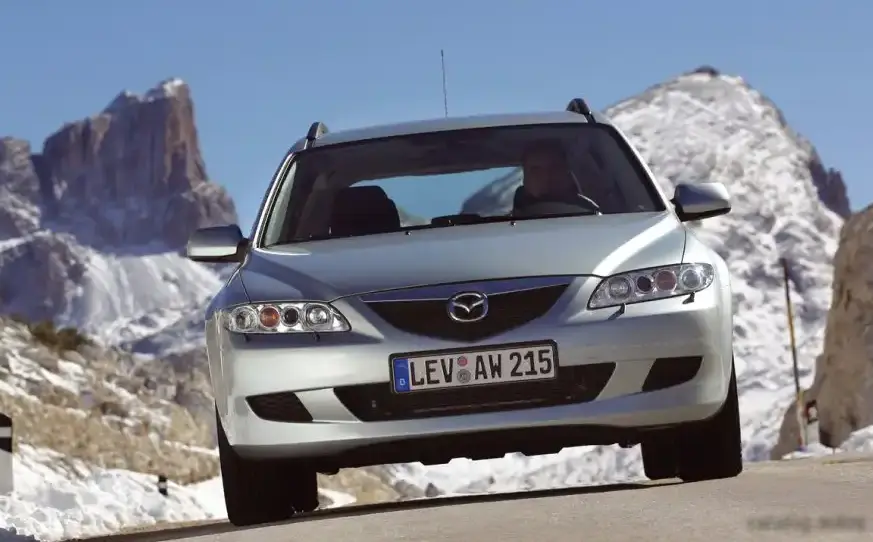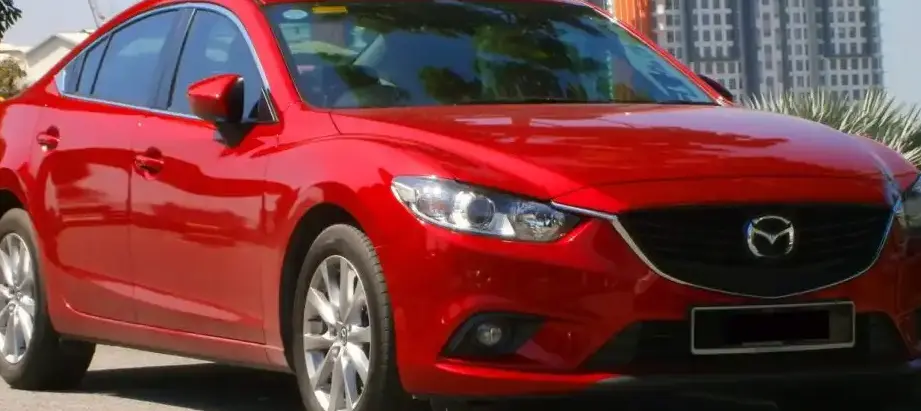
The Mazda 6 III Sedan (GJ) 2.0 SKYACTIV-G (145 hp) represents a significant iteration in Mazda’s mid-size sedan lineup, produced from 2012 to 2015. This variant occupied a central position within the GJ generation, offering a balance between fuel efficiency, performance, and affordability. It was a key model for Mazda in global markets, including North America, Europe, and Asia, embodying the company’s “SKYACTIV” technology philosophy aimed at maximizing combustion efficiency and reducing emissions. The 2.0-liter engine and six-speed manual transmission combination was a popular choice for drivers seeking a more engaging driving experience compared to the automatic options.
Technical Specifications
| Brand | Mazda |
| Model | 6 |
| Generation | 6 III Sedan (GJ) |
| Type (Engine) | 2.0 SKYACTIV-G (145 Hp) |
| Start of production | 2012 |
| End of production | 2015 |
| Powertrain Architecture | Internal Combustion engine |
| Body type | Sedan |
| Seats | 5 |
| Doors | 4 |
| Fuel consumption (urban) | 7.1 l/100 km (33.1 US mpg) |
| Fuel consumption (extra urban) | 4.6 l/100 km (51.1 US mpg) |
| Fuel consumption (combined) | 5.5 l/100 km (42.8 US mpg) |
| Fuel Type | Petrol (Gasoline) |
| Acceleration 0 – 100 km/h | 9.5 sec |
| Acceleration 0 – 62 mph | 9.5 sec |
| Acceleration 0 – 60 mph | 9 sec |
| Maximum speed | 208 km/h (129.25 mph) |
| Emission standard | Euro 5 |
| Weight-to-power ratio | 9 kg/Hp |
| Weight-to-torque ratio | 6.2 kg/Nm |
| Power | 145 Hp @ 6000 rpm |
| Torque | 210 Nm @ 4000 rpm (154.89 lb.-ft. @ 4000 rpm) |
| Engine layout | Front, Transverse |
| Engine displacement | 1998 cm3 (121.93 cu. in.) |
| Number of cylinders | 4 |
| Engine configuration | Inline |
| Compression ratio | 14:1 |
| Number of valves per cylinder | 4 |
| Fuel injection system | Direct injection |
| Engine oil capacity | 4.2 l (4.44 US qt | 3.7 UK qt) |
| Coolant capacity | 6.6 l (6.97 US qt | 5.81 UK qt) |
| Kerb Weight | 1300 kg (2866.01 lbs.) |
| Trunk (boot) space – minimum | 489 l (17.27 cu. ft.) |
| Fuel tank capacity | 62 l (16.38 US gal | 13.64 UK gal) |
| Length | 4865 mm (191.54 in.) |
| Width | 1840 mm (72.44 in.) |
| Height | 1450 mm (57.09 in.) |
| Wheelbase | 2830 mm (111.42 in.) |
| Drivetrain Architecture | Front wheel drive |
| Number of gears and type of gearbox | 6 gears, manual transmission |
| Assisting systems | ABS (Anti-lock braking system) |
| Steering type | Steering rack and pinion |
Powertrain & Engine Architecture
At the heart of the Mazda 6 2.0 SKYACTIV-G is the PE-VPH engine, a 1998cc inline-four cylinder gasoline engine. This engine is a cornerstone of Mazda’s SKYACTIV technology, designed to achieve high compression (14:1) without requiring premium fuel. This was accomplished through a combination of optimized combustion chamber design, precise fuel injection, and reduced internal friction. The engine utilizes direct injection, delivering fuel directly into the combustion chamber for improved efficiency and power. The valvetrain employs dual overhead camshafts (DOHC) and four valves per cylinder, enhancing breathing and contributing to the engine’s responsive nature. The six-speed manual transmission was specifically designed to complement the engine’s characteristics, offering precise shifts and efficient power delivery.
Driving Characteristics
The 145 hp output, coupled with the six-speed manual, provided a reasonably engaging driving experience. While not a performance-oriented trim, the 2.0-liter engine delivered adequate power for everyday driving situations. Acceleration from 0-60 mph took approximately 9 seconds, making it competitive within its class. The manual transmission allowed drivers to maintain control over the engine’s revs, maximizing efficiency or extracting more power when needed. Compared to the higher-output 2.5-liter SKYACTIV-G engine, the 2.0-liter version felt less powerful, particularly during highway overtaking maneuvers. However, it offered a noticeable improvement in fuel economy. The gear ratios were well-matched to the engine’s torque curve, providing good responsiveness in most driving scenarios.
Equipment & Trim Levels
The 2.0 SKYACTIV-G trim typically came standard with features such as air conditioning, power windows and locks, a basic audio system with auxiliary input, and steel wheels with wheel covers. Higher trim levels, such as the Touring and Grand Touring, added features like alloy wheels, a more advanced infotainment system with a touchscreen display, automatic climate control, and upgraded interior materials. Optional extras included a sunroof, leather upholstery, and a premium sound system. Interior upholstery was typically cloth, with a focus on durability and practicality. The dashboard layout was clean and functional, prioritizing ease of use.
Chassis & Braking
The Mazda 6 GJ utilized a front-wheel-drive platform with a MacPherson strut suspension in the front and a multi-link suspension in the rear. This suspension setup provided a good balance between ride comfort and handling. The 2.0-liter models typically featured disc brakes in the front and drum brakes in the rear. Anti-lock Braking System (ABS) was standard equipment. Stabilizer bars were included both front and rear to reduce body roll during cornering. The chassis was designed to be lightweight yet rigid, contributing to the car’s overall handling characteristics.
Market Reception & Comparison
The Mazda 6 2.0 SKYACTIV-G was generally well-received by automotive critics. It was praised for its fuel efficiency, comfortable ride, and engaging handling. However, some reviewers noted that the 2.0-liter engine could feel underpowered, especially when fully loaded or driving uphill. Compared to the 2.5-liter SKYACTIV-G variant, the 2.0-liter offered better fuel economy but less performance. The 2.2-liter SKYACTIV-D diesel engine, available in some markets, provided even better fuel economy but came with a higher price tag. In terms of reliability, the SKYACTIV engines have proven to be generally robust, with few major issues reported.
Legacy
The Mazda 6 GJ 2.0 SKYACTIV-G has established a reputation as a reliable and fuel-efficient mid-size sedan. On the used car market, these models are often sought after for their affordability and practicality. The SKYACTIV powertrain has proven to be durable, with many examples exceeding 150,000 miles with proper maintenance. While not a particularly exciting or sporty variant, the 2.0-liter SKYACTIV-G offers a compelling combination of value, efficiency, and reliability, making it a popular choice for budget-conscious buyers.