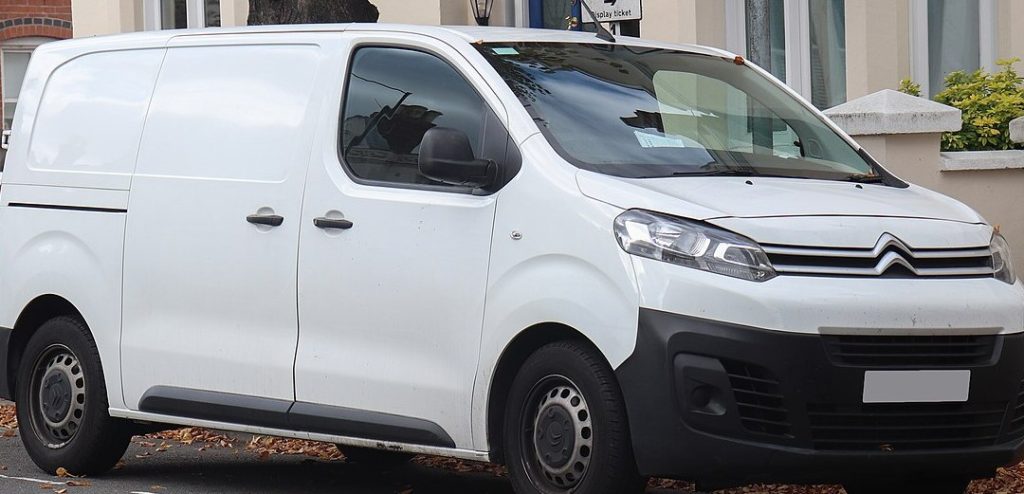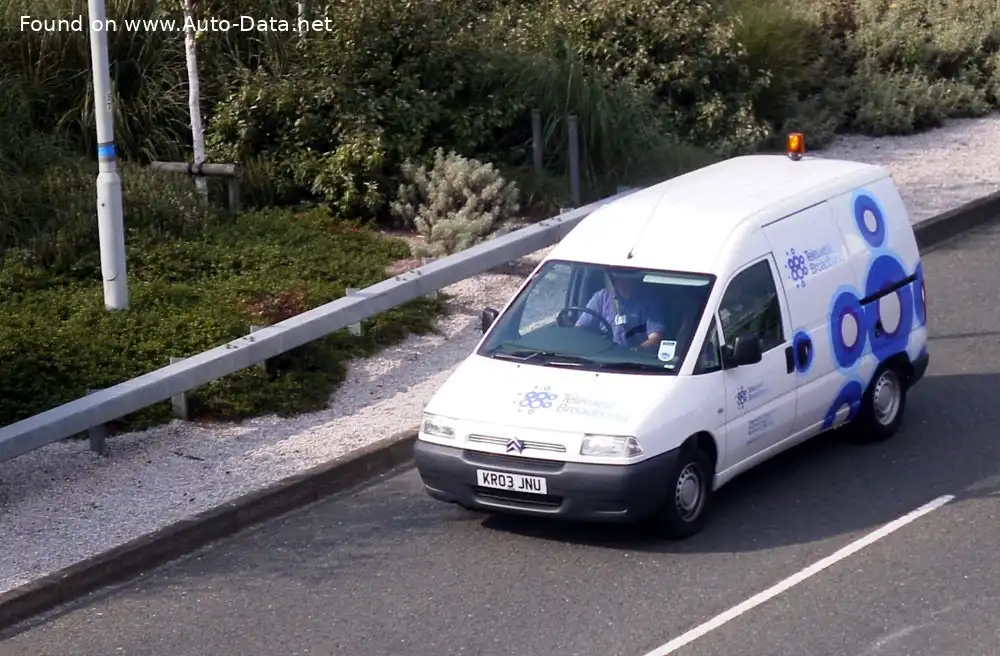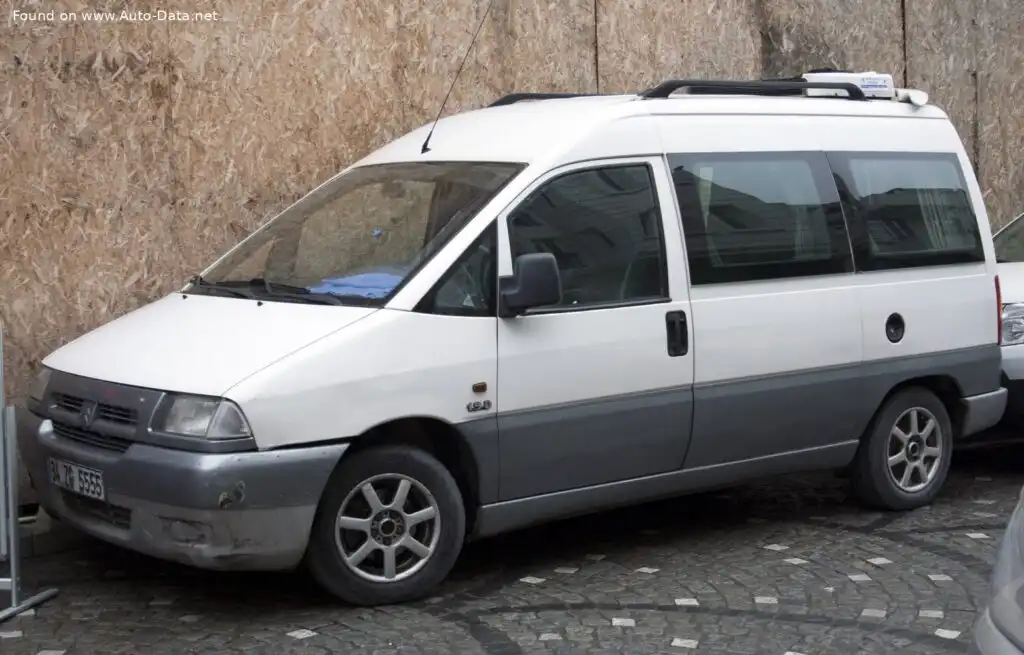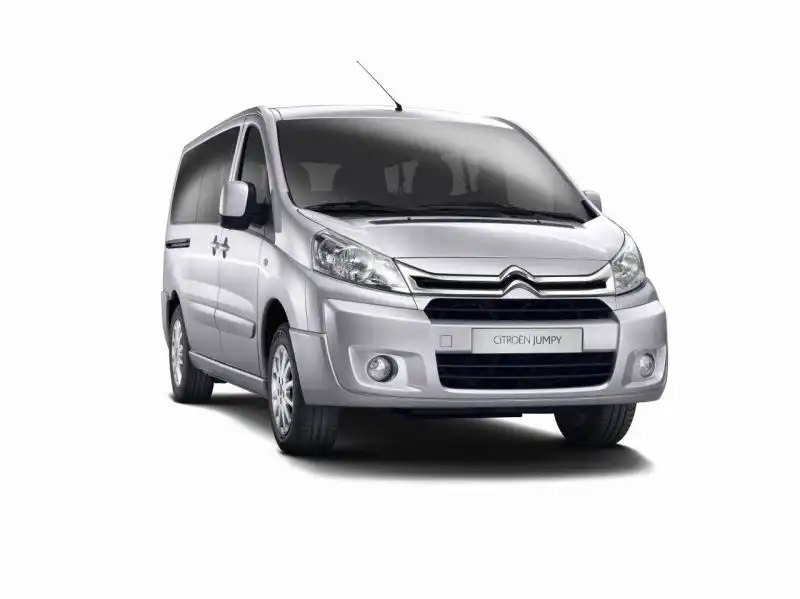
The Citroen Jumpy II Multispace, specifically the facelifted version produced from 2012 to 2015, represented Citroen’s entry into the mid-size passenger van segment. This variant, equipped with the 2.0 HDi 163 horsepower engine and a six-speed automatic transmission, was positioned as a comfortable and practical option for families and those requiring flexible space. The “L2” designation indicates a longer wheelbase version, offering increased cargo capacity compared to the standard length Jumpy. This model was primarily sold in European markets, where multi-purpose vehicles of this type are highly popular, offering a blend of commercial vehicle practicality and passenger car comfort.
Technical Specifications
| Brand | Citroen |
| Model | Jumpy |
| Generation | Jumpy II Multispace (facelift 2012) |
| Type (Engine) | 2.0 HDi (163 Hp) L2 Automatic |
| Start of production | 2012 |
| End of production | 2015 |
| Powertrain Architecture | Internal Combustion engine |
| Body type | Minivan |
| Seats | 5-6 |
| Doors | 5 |
| Fuel consumption (urban) | 9.0 l/100 km (26.1 US mpg, 31.4 UK mpg, 11.1 km/l) |
| Fuel consumption (extra urban) | 6.8 l/100 km (34.6 US mpg, 41.5 UK mpg, 14.7 km/l) |
| Fuel consumption (combined) | 7.6 l/100 km (30.9 US mpg, 37.2 UK mpg, 13.2 km/l) |
| CO2 emissions | 199 g/km |
| Fuel Type | Diesel |
| Acceleration 0 – 100 km/h | 12 sec |
| Acceleration 0 – 62 mph | 12 sec |
| Acceleration 0 – 60 mph | 11.4 sec |
| Maximum speed | 170 km/h (105.63 mph) |
| Emission standard | Euro 5 |
| Weight-to-power ratio | 12.1 kg/Hp, 82.7 Hp/tonne |
| Weight-to-torque ratio | 5.8 kg/Nm, 172.4 Nm/tonne |
| Power | 163 Hp @ 3750 rpm |
| Power per litre | 81.6 Hp/l |
| Torque | 340 Nm @ 2000 rpm (250.77 lb.-ft. @ 2000 rpm) |
| Engine layout | Front, Transverse |
| Engine Model/Code | RHH DW10CTED4 |
| Engine displacement | 1997 cm3 (121.86 cu. in.) |
| Number of cylinders | 4 |
| Engine configuration | Inline |
| Cylinder Bore | 85 mm (3.35 in.) |
| Piston Stroke | 88 mm (3.46 in.) |
| Number of valves per cylinder | 4 |
| Fuel injection system | Diesel Commonrail |
| Engine aspiration | Turbocharger, Intercooler |
| Engine oil capacity | 5 l (5.28 US qt | 4.4 UK qt) |
| Kerb Weight | 1972 kg (4347.52 lbs.) |
| Max. weight | 2810 kg (6194.99 lbs.) |
| Max load | 838 kg (1847.47 lbs.) |
| Trunk (boot) space – maximum | 4124 l (145.64 cu. ft.) |
| Fuel tank capacity | 80 l (21.13 US gal | 17.6 UK gal) |
| Max. roof load | 170 kg (374.79 lbs.) |
| Permitted trailer load with brakes (12%) | 2000 kg (4409.25 lbs.) |
| Permitted trailer load without brakes | 750 kg (1653.47 lbs.) |
| Permitted towbar download | 80 kg (176.37 lbs.) |
| Length | 5135 mm (202.17 in.) |
| Width | 1895 mm (74.61 in.) |
| Width with mirrors folded | 1986 mm (78.19 in.) |
| Width including mirrors | 2194 mm (86.38 in.) |
| Height | 1880 mm (74.02 in.) |
| Wheelbase | 3122 mm (122.91 in.) |
| Front track | 1562 mm (61.5 in.) |
| Rear (Back) track | 1596 mm (62.83 in.) |
| Front overhang | 975 mm (38.39 in.) |
| Rear overhang | 1038 mm (40.87 in.) |
| Minimum turning circle | 12.6 m (41.34 ft.) |
| Drivetrain Architecture | Front wheel drive |
| Number of gears and type of gearbox | 6 gears, automatic transmission |
| Front suspension | Independent, type McPherson with coil spring and anti-roll bar |
| Rear suspension | Semi-dependent beam with stabilizer lateral stability |
| Front brakes | Ventilated discs |
| Rear brakes | Disc |
| Steering type | Steering rack and pinion |
| Tires size | 215/60 R16 |
| Wheel rims size | 16 |
Powertrain & Engine Architecture
The heart of this Jumpy variant is the DW10CTED4 engine, a 2.0-liter four-cylinder diesel engine. This engine falls under the HDi (High-Pressure Diesel Injection) family developed by PSA Group (Peugeot Citroen). The ‘RHH’ engine code specifically denotes this configuration. The DW10CTED4 utilizes a common rail direct injection system, delivering fuel at extremely high pressure for optimized combustion. A turbocharger with an intercooler is employed to boost power output and improve efficiency. The engine produces 163 horsepower at 3750 rpm and a substantial 340 Nm (250.77 lb-ft) of torque at 2000 rpm. This torque figure is particularly important for a vehicle of this type, providing strong pulling power and effortless cruising. The six-speed automatic transmission, while not known for being particularly sporty, provides smooth shifts and enhances ease of driving, especially in urban environments.
Driving Characteristics
The 163 hp 2.0 HDi automatic Jumpy offers a comfortable and relaxed driving experience. Acceleration is adequate, with a 0-60 mph time of around 11.4 seconds, but it’s not designed for outright speed. The automatic transmission prioritizes fuel efficiency and smooth operation over rapid gear changes. The abundance of low-end torque makes it well-suited for carrying passengers and cargo, even on inclines. Compared to the lower-powered 1.6 HDi versions, this engine provides a noticeable performance boost. However, it doesn’t match the responsiveness of a manual transmission or the higher performance of potential gasoline engine options (if available in certain markets). The longer L2 wheelbase contributes to a more stable ride, particularly at highway speeds.
Equipment & Trim Levels
The Jumpy II Multispace facelift typically came with a reasonable level of standard equipment. This included air conditioning, electric front windows, central locking, and a basic audio system. Higher trim levels, often denoted by names like “Exclusive” or “Intensive”, added features such as alloy wheels, rear parking sensors, cruise control, and upgraded interior trim. Interior upholstery was typically cloth, with options for leather available on higher-spec models. The dashboard layout was functional and straightforward, prioritizing practicality over luxury. Optional extras included a panoramic sunroof, navigation system, and various safety features.
Chassis & Braking
The Jumpy II Multispace utilizes a McPherson strut front suspension and a semi-independent beam rear suspension. This setup provides a good balance between ride comfort and handling. The front suspension incorporates a stabilizer bar to reduce body roll. Braking duties are handled by ventilated discs at the front and solid discs at the rear. The braking system is adequate for the vehicle’s weight and performance, but it’s not particularly powerful. Steering is via a rack and pinion system, providing reasonable precision and feedback.
Market Reception & Comparison
The Citroen Jumpy II Multispace 2.0 HDi Automatic was generally well-received by critics as a practical and versatile vehicle. It was praised for its spacious interior, comfortable ride, and fuel efficiency. However, some reviewers noted that the automatic transmission could feel sluggish at times, and the interior materials were not particularly luxurious. Compared to other vehicles in its class, such as the Renault Scenic or Volkswagen Touran, the Jumpy offered a more utilitarian approach, prioritizing space and practicality over style and refinement. Fuel economy was a strong point, with combined figures around 30.9 US mpg being competitive for its size and type.
Legacy
The 2.0 HDi engine, in various iterations, proved to be a reliable and durable powerplant. While not immune to issues like diesel particulate filter (DPF) clogging, particularly with frequent short journeys, the DW10CTED4 is generally considered a robust engine. The automatic transmission, while not a performance-oriented unit, is also reasonably reliable with proper maintenance. Today, used examples of the Jumpy II Multispace 2.0 HDi Automatic are readily available and represent a relatively affordable option for those seeking a spacious and practical vehicle. Maintenance costs are generally reasonable, and parts availability is good. However, potential buyers should be aware of the potential for DPF issues and ensure the vehicle has been properly serviced.