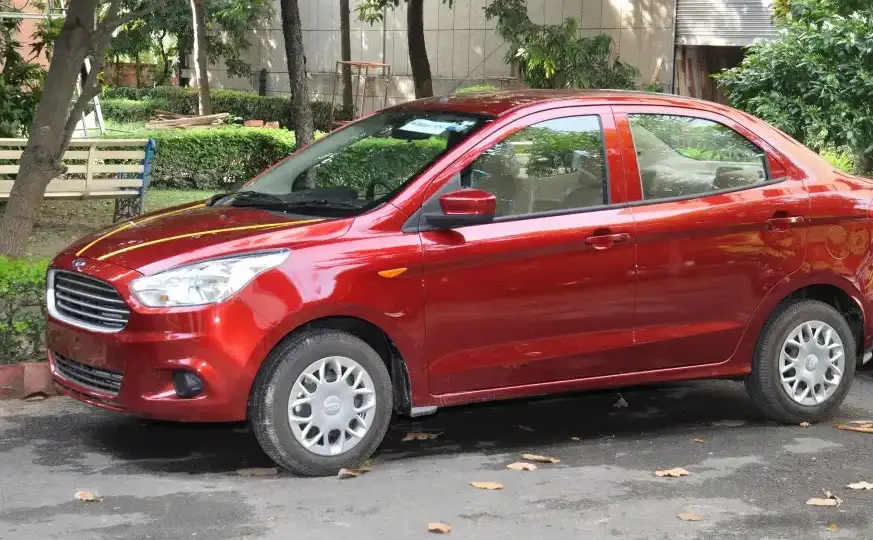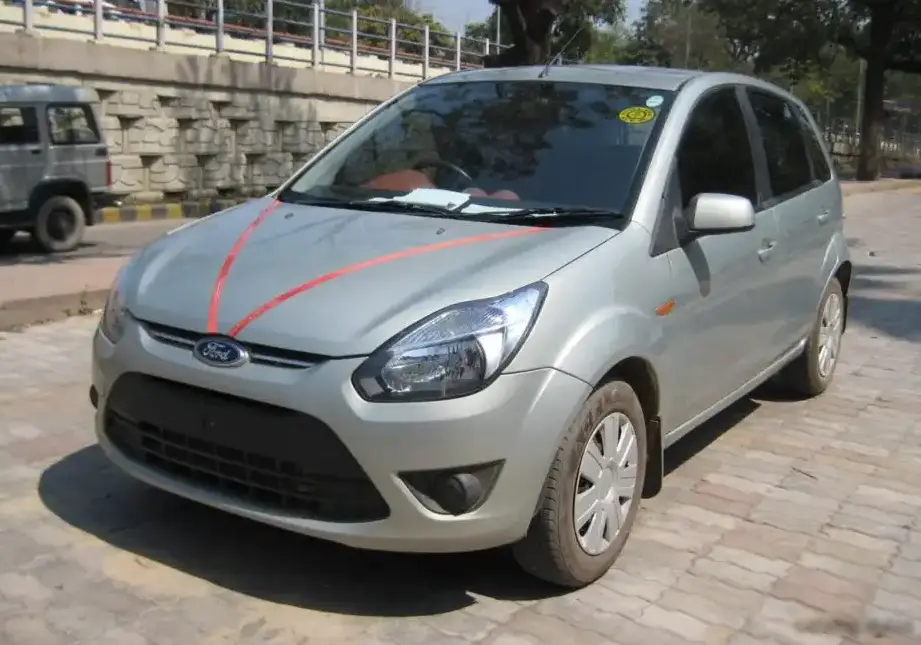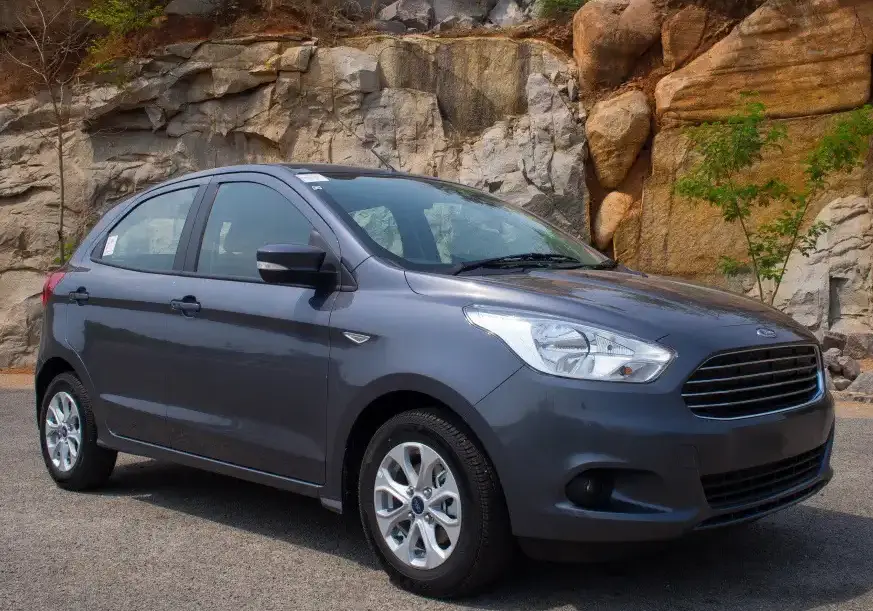
The Ford Figo II 1.5 Ti-VCT (112 hp) was a popular subcompact hatchback produced by Ford between 2015 and 2018. Positioned as a mid-range offering within the Figo II lineup, it aimed to provide a balance between affordability, fuel efficiency, and performance. This model was primarily targeted at the Indian and South African markets, where the subcompact hatchback segment is particularly competitive. It represented Ford’s attempt to capture a larger share of these markets with a modern, feature-rich vehicle. The Figo II itself was a significant update over the original Figo, built on the global Ford B-platform.
Technical Specifications
| Brand | Ford |
| Model | Figo |
| Generation | Figo II |
| Type (Engine) | 1.5 Ti-VCT (112 Hp) |
| Start of production | 2015 |
| End of production | 2018 |
| Powertrain Architecture | Internal Combustion engine |
| Body type | Hatchback |
| Seats | 5 |
| Doors | 5 |
| Fuel consumption (combined) | 5.9 l/100 km (39.9 US mpg, 47.9 UK mpg, 16.9 km/l) |
| CO2 emissions | 141 g/km |
| Fuel Type | Petrol (Gasoline) |
| Acceleration 0 – 100 km/h | 11.8 sec |
| Acceleration 0 – 62 mph | 11.8 sec |
| Acceleration 0 – 60 mph | 11.2 sec |
| Maximum speed | 175 km/h (108.74 mph) |
| Power | 112 Hp @ 6300 rpm |
| Power per litre | 74.7 Hp/l |
| Torque | 136 Nm @ 4250 rpm (100.31 lb.-ft. @ 4250 rpm) |
| Engine layout | Front, Transverse |
| Engine displacement | 1499 cm3 (91.47 cu. in.) |
| Number of cylinders | 4 |
| Engine configuration | Inline |
| Compression ratio | 11:1 |
| Number of valves per cylinder | 4 |
| Fuel injection system | Multi-port manifold injection |
| Engine aspiration | Naturally aspirated engine |
| Engine oil capacity | 4.05 l (4.28 US qt | 3.56 UK qt) |
| Coolant capacity | 6.3 l (6.66 US qt | 5.54 UK qt) |
| Trunk (boot) space – minimum | 257 l (9.08 cu. ft.) |
| Fuel tank capacity | 42 l (11.1 US gal | 9.24 UK gal) |
| Length | 3886 mm (152.99 in.) |
| Width | 1695 mm (66.73 in.) |
| Height | 1525 mm (60.04 in.) |
| Wheelbase | 2491 mm (98.07 in.) |
| Front track | 1492 mm (58.74 in.) |
| Rear track | 1484 mm (58.43 in.) |
| Ride height (ground clearance) | 174 mm (6.85 in.) |
| Minimum turning circle | 9.8 m (32.15 ft.) |
| Drivetrain Architecture | Front wheel drive |
| Number of gears and type of gearbox | 5 gears, manual transmission |
| Front suspension | Independent, type McPherson with coil spring and anti-roll bar |
| Rear suspension | Semi-independent, coil spring |
| Front brakes | Ventilated discs |
| Rear brakes | Drum |
| Assisting systems | ABS (Anti-lock braking system) |
| Steering type | Steering rack and pinion |
| Power steering | Electric Steering |
| Tires size | 175/65 R14 |
| Wheel rims size | 14 |
Powertrain & Engine Architecture
The heart of the Figo II 1.5 Ti-VCT was the 1.5-liter inline-four cylinder gasoline engine. This engine, part of Ford’s Ti-VCT (Twin Independent Variable Camshaft Timing) family, was designed to offer a good balance of power and fuel efficiency. The Ti-VCT system allowed for independent control of intake and exhaust valve timing, optimizing engine performance across a wider range of engine speeds. The engine utilized a multi-point fuel injection system, delivering fuel directly into the intake ports. The 112 horsepower and 136 Nm (100.31 lb-ft) of torque were respectable figures for a vehicle in this class. The engine was paired with a five-speed manual transmission, which was the standard offering for this variant. While an automatic transmission was available on other Figo II trims, it wasn’t offered with the 1.5 Ti-VCT engine.
Driving Characteristics
The 1.5 Ti-VCT engine, coupled with the five-speed manual transmission, provided adequate performance for everyday driving. Acceleration from 0-60 mph took around 11.2 seconds, which was competitive within its segment. The gear ratios were tuned for fuel economy, meaning the engine needed to be revved somewhat to achieve brisk acceleration. Compared to the higher-output 1.5-liter Dragon engine offered in later Figo models, the Ti-VCT felt less powerful, particularly at higher speeds. However, the Ti-VCT’s smoother power delivery and lighter weight made it more manageable in city traffic. The manual transmission offered a direct and engaging driving experience, allowing drivers to fully utilize the engine’s available power.
Equipment & Trim Levels
The 1.5 Ti-VCT trim of the Figo II typically included standard features such as air conditioning, power steering, power windows, and central locking. Safety features included dual airbags and ABS (Anti-lock Braking System). Higher trim levels offered additional features like alloy wheels, a more sophisticated audio system, and a multi-function steering wheel. Interior upholstery was typically cloth, with a relatively basic dashboard layout. Optional extras included a rear parking sensor and a driver information system. The Figo II aimed to provide a good level of equipment for its price point, making it an attractive option for budget-conscious buyers.
Chassis & Braking
The Figo II utilized a McPherson strut front suspension and a semi-independent coil spring rear suspension. This setup provided a comfortable ride quality, absorbing bumps and imperfections in the road reasonably well. The front brakes were ventilated discs, offering good stopping power, while the rear brakes were drums. The steering was electrically assisted, providing light and easy steering feel. The relatively lightweight construction of the Figo II contributed to its nimble handling characteristics. The 174mm (6.85 in) ground clearance was sufficient for navigating typical road conditions in India and South Africa.
Market Reception & Comparison
The Ford Figo II 1.5 Ti-VCT was generally well-received by automotive critics. It was praised for its fuel efficiency, comfortable ride, and relatively spacious interior. However, some critics noted that the engine lacked outright power, particularly when fully loaded. Compared to other trims in the Figo II lineup, such as those equipped with the more powerful Dragon engine, the 1.5 Ti-VCT offered a more affordable entry point. It competed directly with other subcompact hatchbacks in the Indian and South African markets, such as the Maruti Suzuki Swift, Hyundai Grand i10, and Volkswagen Polo. The Figo II’s competitive pricing and feature set helped it gain a foothold in these markets.
Legacy
The Ford Figo II 1.5 Ti-VCT proved to be a relatively reliable powertrain. The 1.5 Ti-VCT engine, while not particularly sophisticated, was known for its durability and relatively low maintenance costs. In the used car market, these Figos are often sought after for their affordability and fuel efficiency. Common maintenance issues include wear and tear on suspension components and occasional problems with the electrical system. However, overall, the Figo II 1.5 Ti-VCT remains a practical and economical choice for buyers looking for a reliable subcompact hatchback. While Ford has since discontinued the Figo in many markets, the model remains a popular choice among budget-conscious car buyers.