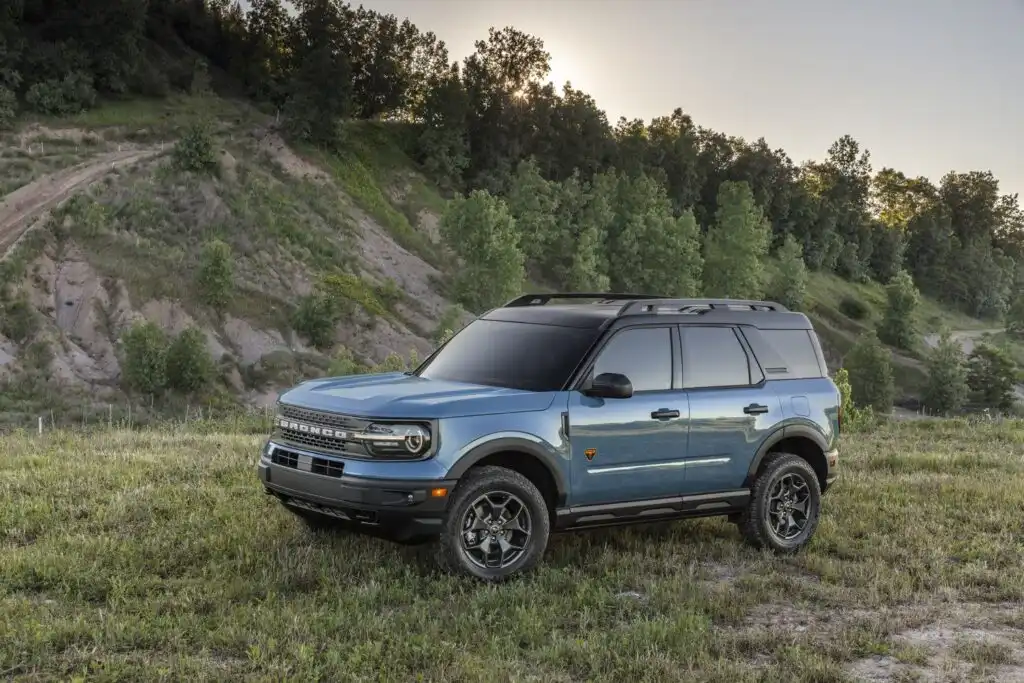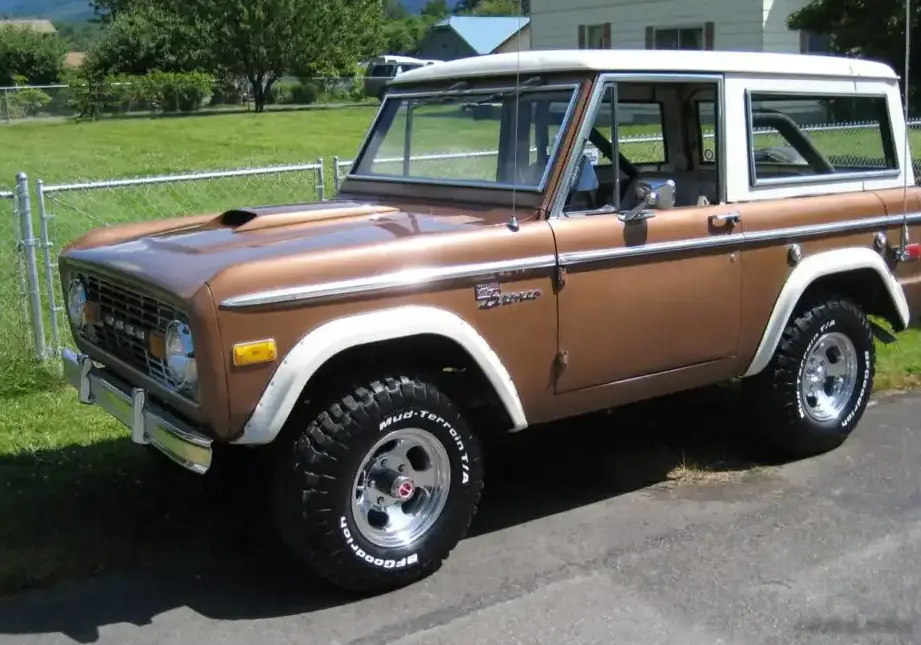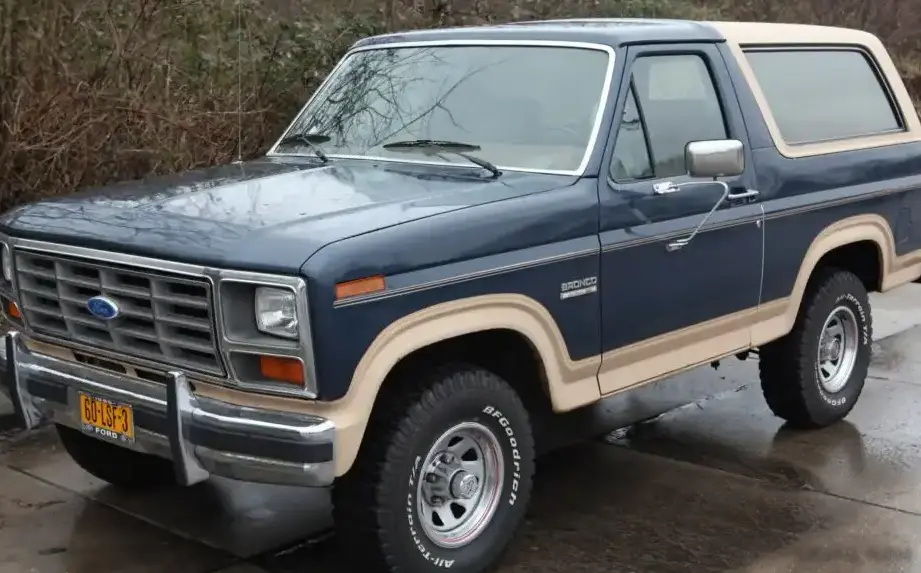
The Ford Bronco III, produced between 1980 and 1986, represented a significant downsize and redesign of the iconic Bronco lineage. Positioned as a more compact and fuel-efficient alternative to the full-size Bronco, the Bronco III aimed to capture a broader segment of the burgeoning SUV market. The 5.0 V8 (152 hp) AWD variant, while not the most common configuration, offered a compelling blend of power and off-road capability within the smaller Bronco package. It was built on a shortened Ford F-150 frame, utilizing the solid front and rear axles that were characteristic of Ford’s truck-based SUVs of the era. This generation Bronco was primarily sold in the North American market, offering a more manageable size for everyday use while retaining the ruggedness expected of the Bronco name.
Technical Specifications
| Brand | Ford |
| Model | Bronco |
| Generation | Bronco III |
| Type (Engine) | 5.0 V8 (152 Hp) AWD |
| Start of production | 1980 |
| End of production | 1986 |
| Powertrain Architecture | Internal Combustion engine |
| Body type | SUV |
| Seats | 5 |
| Doors | 3 |
| Fuel consumption (economy) – urban | 18.1 l/100 km (13 US mpg, 15.6 UK mpg, 5.5 km/l) |
| Fuel consumption (economy) – extra urban | 16.8 l/100 km (14 US mpg, 16.8 UK mpg, 6 km/l) |
| Fuel consumption (economy) – combined | 18.1 l/100 km (13 US mpg, 15.6 UK mpg, 5.5 km/l) |
| Fuel Type | Petrol (Gasoline) |
| Power | 152 Hp @ 3400 rpm |
| Power per litre | 30.8 Hp/l |
| Torque | 366 Nm @ 2000 rpm (269.95 lb.-ft. @ 2000 rpm) |
| Engine layout | Front, Longitudinal |
| Engine Model/Code | 302 |
| Engine displacement | 4942 cm3 (301.58 cu. in.) |
| Number of cylinders | 8 |
| Engine configuration | V-engine |
| Cylinder Bore | 101.6 mm (4 in.) |
| Piston Stroke | 76.2 mm (3 in.) |
| Compression ratio | 8.9:1 |
| Number of valves per cylinder | 2 |
| Fuel injection system | Multi-port manifold injection |
| Engine aspiration | Naturally aspirated engine |
| Max. weight | 2000 kg (4409.25 lbs.) |
| Length | 4511 mm (177.6 in.) |
| Width | 1961 mm (77.2 in.) |
| Height | 1852 mm (72.91 in.) |
| Wheelbase | 2659 mm (104.69 in.) |
| Front track | 1654 mm (65.12 in.) |
| Rear (Back) track | 1636 mm (64.41 in.) |
| Ride height (ground clearance) | 234 mm (9.21 in.) |
| Drag coefficient (Cd) | 0.65 |
| Minimum turning circle (turning diameter) | 11.13 m (36.52 ft.) |
| Drive wheel | All wheel drive (4×4) |
| Number of gears and type of gearbox | 4 gears, manual transmission |
| Front brakes | Disc |
| Rear brakes | Drum |
| Tires size | 235/75 R15 |
| Wheel rims size | 15 |
Powertrain & Engine Architecture
The heart of the Bronco III 5.0 V8 AWD was the Ford 302 cubic inch (4.9 liter) small-block V8 engine. This engine, internally designated as the 302, was a staple of Ford’s powertrain lineup for decades. The 1980-1986 Bronco III version produced 152 horsepower at 3400 rpm and 270 lb-ft of torque at 2000 rpm. It featured a cast iron block and cylinder heads, with a two-barrel carburetor feeding the engine. The fuel injection system was a multi-port manifold injection, a relatively advanced feature for the time, contributing to improved fuel efficiency and throttle response compared to earlier carbureted versions. The engine utilized a traditional pushrod valvetrain with two valves per cylinder. The four-speed manual transmission was a robust unit designed to handle the V8’s power and the demands of off-road driving. The transfer case provided part-time four-wheel drive, allowing the driver to select between 2H (two-wheel drive high range), 4H (four-wheel drive high range), and 4L (four-wheel drive low range) for optimal traction in various conditions.
Driving Characteristics
The 5.0 V8 equipped Bronco III offered a noticeable performance advantage over the smaller engine options. While not a sports car, the V8 provided ample torque for both on-road driving and off-road adventures. Acceleration was brisk, and the engine had enough power to comfortably handle highway speeds and towing. The four-speed manual transmission offered a good balance between usability and control. The gear ratios were tailored to provide strong low-end torque for off-roading, but this sometimes resulted in higher engine speeds at highway cruising. Compared to the six-cylinder or smaller V6 options, the V8 Bronco III felt more refined and capable, especially when fully loaded or tackling challenging terrain. However, the V8’s increased weight and fuel consumption were drawbacks for some buyers.
Equipment & Trim Levels
The Bronco III 5.0 V8 AWD was typically offered in a mid-range trim level. Standard features included a basic interior with vinyl or cloth upholstery, a functional dashboard with essential gauges, and a heater/defroster system. Power steering and power brakes were often included, but air conditioning was typically an optional extra. The Bronco III’s interior was utilitarian rather than luxurious, reflecting its intended purpose as a rugged and capable off-road vehicle. Optional extras included upgraded sound systems, enhanced interior trim packages, and various off-road accessories such as winch mounts and auxiliary lighting.
Chassis & Braking
The Bronco III utilized a body-on-frame construction, providing a robust and durable chassis. The front suspension consisted of a solid axle with coil springs, while the rear suspension featured a solid axle with leaf springs. This setup provided good articulation for off-road driving, but the ride quality on paved roads could be somewhat rough. The braking system consisted of disc brakes on the front wheels and drum brakes on the rear wheels. While adequate for most driving conditions, the braking performance was not as sophisticated as some contemporary vehicles. The 235/75 R15 tires provided a good balance between on-road comfort and off-road traction.
Market Reception & Comparison
The Bronco III 5.0 V8 AWD was generally well-received by automotive critics, who praised its combination of power, off-road capability, and relatively compact size. However, its fuel economy was a common criticism, especially compared to the smaller engine options. The V8 Bronco III was positioned as a step up from the six-cylinder models, offering more performance and towing capacity. It competed with other compact SUVs of the era, such as the Chevrolet S-10 Blazer and the Jeep CJ-7. The Bronco III offered a unique blend of Ford truck reliability and off-road prowess, making it a popular choice for buyers who wanted a versatile and capable SUV.
Legacy
The Ford Bronco III 5.0 V8 AWD has developed a loyal following among classic SUV enthusiasts. The 302 V8 engine is known for its durability and ease of maintenance, making it a relatively reliable powertrain. While fuel economy is poor by modern standards, the Bronco III’s rugged construction and off-road capability continue to appeal to collectors and off-road enthusiasts. Today, well-maintained examples of the 5.0 V8 Bronco III command a premium in the used car market, reflecting their rarity and desirability. The Bronco III represents a unique chapter in the Bronco’s history, bridging the gap between the original full-size Bronco and the modern, highly capable Bronco models of today.