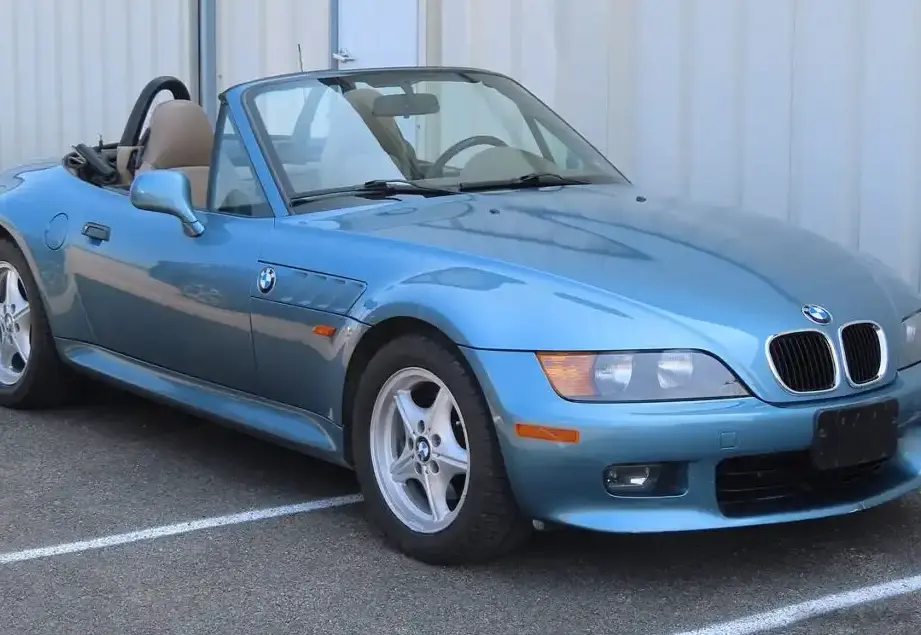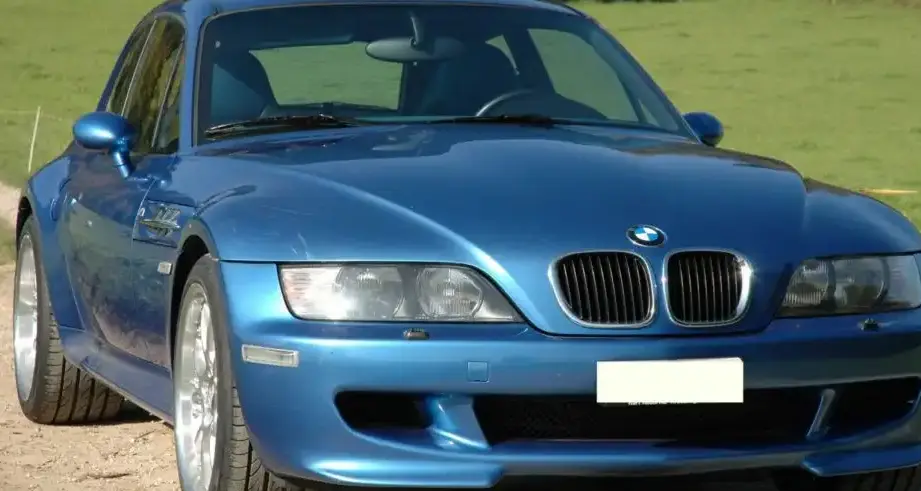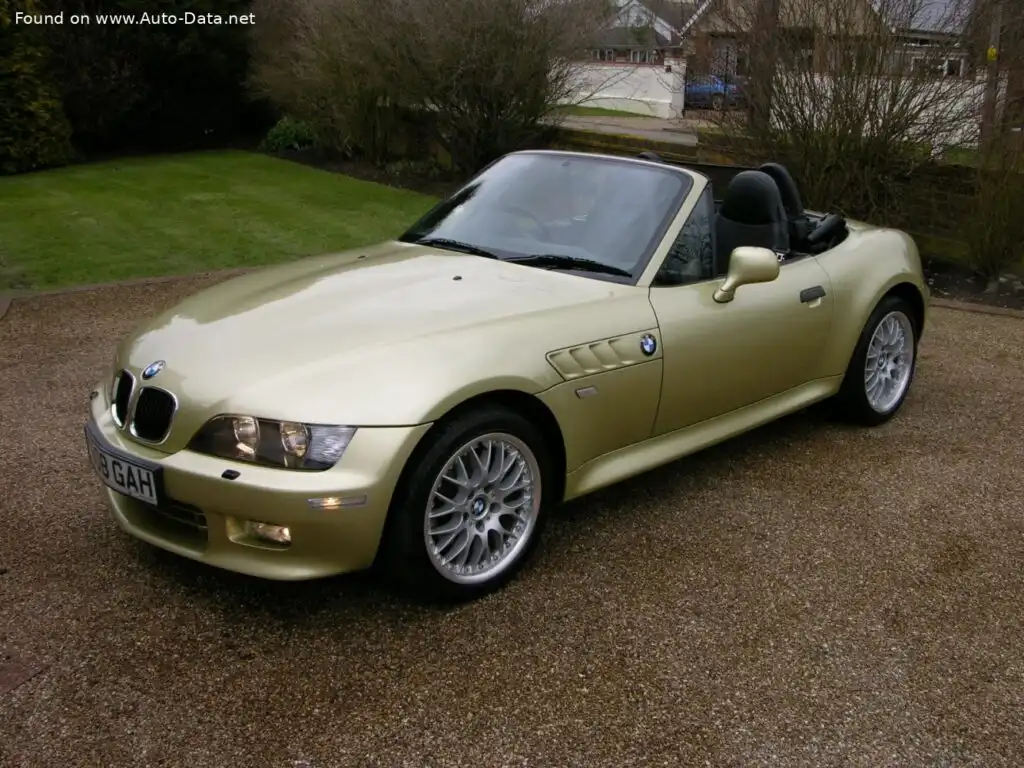
The BMW Z3 (E36/7) 2.8, produced between 1997 and 2000, represented a significant step up in performance and refinement within the first generation Z3 roadster lineup. Positioned as a mid-range offering, it bridged the gap between the entry-level 1.8 and 1.9 liter models and the more potent, and considerably more expensive, Z3 3.0 and M Roadster. The 2.8 variant aimed to deliver a balanced driving experience, combining respectable power with the convenience of an automatic transmission, appealing to buyers seeking a sporty yet comfortable open-top experience. It was built on the E36 platform, shared with the 3 Series, but uniquely tailored for the roadster configuration.
Technical Specifications
| Brand | BMW |
| Model | Z3 |
| Generation | Z3 (E36/7) |
| Type (Engine) | 2.8 (192 Hp) Automatic |
| Start of production | 1997 |
| End of production | 2000 |
| Powertrain Architecture | Internal Combustion engine |
| Body type | Roadster |
| Seats | 2 |
| Doors | 2 |
| Fuel consumption (urban) | 14.4 l/100 km (16.3 US mpg) |
| Fuel consumption (extra urban) | 8.1 l/100 km (29 US mpg) |
| Fuel Type | Petrol (Gasoline) |
| Acceleration 0 – 100 km/h | 7.2 sec |
| Acceleration 0 – 62 mph | 7.2 sec |
| Acceleration 0 – 60 mph | 6.8 sec |
| Maximum speed | 216 km/h (134.22 mph) |
| Weight-to-power ratio | 6.7 kg/Hp |
| Weight-to-torque ratio | 4.3 kg/Nm |
| Power | 192 Hp @ 5500 rpm |
| Torque | 300 Nm @ 3500 rpm (221.27 lb.-ft. @ 3500 rpm) |
| Engine layout | Front, Longitudinal |
| Engine Model/Code | M52B28 |
| Engine displacement | 2798 cm3 (170.74 cu. in.) |
| Number of cylinders | 6 |
| Engine configuration | Inline |
| Cylinder Bore | 84 mm (3.31 in.) |
| Piston Stroke | 84 mm (3.31 in.) |
| Compression ratio | 10.2:1 |
| Number of valves per cylinder | 4 |
| Fuel injection system | Multi-port manifold injection |
| Engine aspiration | Naturally aspirated engine |
| Valvetrain | DOHC |
| Engine oil capacity | 6.5 l (6.87 US qt | 5.72 UK qt) |
| Coolant capacity | 10 l (10.57 US qt | 8.8 UK qt) |
| Kerb Weight | 1285 kg (2832.94 lbs.) |
| Max. weight | 1550 kg (3417.17 lbs.) |
| Max load | 265 kg (584.22 lbs.) |
| Trunk (boot) space – minimum | 165 l (5.83 cu. ft.) |
| Fuel tank capacity | 51 l (13.47 US gal | 11.22 UK gal) |
| Length | 4050 mm (159.45 in.) |
| Width | 1740 mm (68.5 in.) |
| Height | 1293 mm (50.91 in.) |
| Wheelbase | 2446 mm (96.3 in.) |
| Front track | 1413 mm (55.63 in.) |
| Rear (Back) track | 1494 mm (58.82 in.) |
| Drivetrain Architecture | Rear wheel drive |
| Number of gears and type of gearbox | 4 gears, automatic transmission |
| Front suspension | Spring Strut |
| Rear suspension | Coil spring |
| Front brakes | Ventilated discs |
| Rear brakes | Disc |
| Assisting systems | ABS (Anti-lock braking system) |
| Steering type | Steering rack and pinion |
| Power steering | Hydraulic Steering |
| Tires size | 225/50 R16 |
| Wheel rims size | 16 |
Powertrain & Engine Architecture
The heart of the Z3 2.8 is the M52B28, a 2.8-liter inline-six engine. This engine, a descendant of the M50 and M52 families, was known for its smooth power delivery and robust construction. It featured a cast iron block with an aluminum cylinder head, employing double overhead camshafts (DOHC) and four valves per cylinder. Fuel delivery was handled by a multi-port fuel injection system, providing precise control over the air-fuel mixture. The M52B28 produced 192 horsepower at 5500 rpm and 300 Nm (221 lb-ft) of torque at 3500 rpm. Paired with this engine was a 4-speed automatic transmission, a common choice for buyers prioritizing ease of use over ultimate performance. This transmission, while not offering the quickest shifts, provided smooth and comfortable gear changes.
Driving Characteristics
The Z3 2.8 Automatic offered a distinctly different driving experience compared to its manual transmission counterparts or the higher-output 3.0 model. The automatic transmission, while convenient, did slightly diminish the sense of direct control. Acceleration from 0-60 mph took around 6.8 seconds, respectable for the era, but noticeably slower than the manual version. The automatic’s gear ratios were tuned for comfort and fuel efficiency rather than outright performance. However, the engine’s ample torque meant that the car felt responsive in everyday driving situations, with sufficient power for overtaking and cruising on the highway. The rear-wheel-drive configuration provided a balanced feel, and the relatively lightweight chassis contributed to nimble handling.
Equipment & Trim Levels
The Z3 2.8 Automatic typically came equipped with a reasonable level of standard features. Interior appointments included leatherette upholstery (leather was an option), power windows, power locks, and a basic audio system. Air conditioning was standard. Optional extras included a premium sound system, heated seats, sport seats, and a wind deflector. Trim levels were relatively simple; the 2.8 was positioned as a step above the base models, offering a more refined interior and a more powerful engine. Exterior features generally included alloy wheels, though the design varied depending on the year and optional packages.
Chassis & Braking
The Z3’s chassis was a monocoque construction, utilizing a combination of high-strength steel. Suspension consisted of MacPherson struts at the front and a semi-trailing arm coil spring setup at the rear. The 2.8 model typically featured a thicker stabilizer bar compared to the base 1.8, improving handling and reducing body roll. Braking was accomplished via ventilated discs at the front and solid discs at the rear. Anti-lock braking system (ABS) was standard, enhancing safety and control during hard braking. The steering was a rack-and-pinion system with hydraulic power assistance, providing precise and responsive steering feel.
Market Reception & Comparison
The Z3 2.8 Automatic was generally well-received by automotive critics. It was praised for its smooth engine, comfortable ride, and stylish design. However, some reviewers noted that the automatic transmission detracted from the overall driving experience, and that the 3.0 model offered a more engaging and rewarding performance. Fuel economy was reasonable for a sports car of its era, averaging around 29 mpg on the highway. Compared to the 1.8 and 1.9 models, the 2.8 offered a significant performance boost, making it a more desirable option for enthusiasts. Reliability was generally good, although preventative maintenance, particularly regarding cooling system components, was crucial.
Legacy
Today, the BMW Z3 2.8 Automatic is a popular choice among enthusiasts seeking an affordable and enjoyable classic roadster. The M52B28 engine is known for its durability and relatively simple maintenance requirements. While not as sought-after as the 3.0 or M Roadster, the 2.8 offers a compelling combination of performance, comfort, and value. Well-maintained examples are becoming increasingly collectible, and the car remains a fun and engaging driving experience. Common issues to look for include cooling system leaks, worn suspension components, and potential rust in areas prone to corrosion. The automatic transmission, if properly serviced, is generally reliable, but can be expensive to repair if major issues arise.