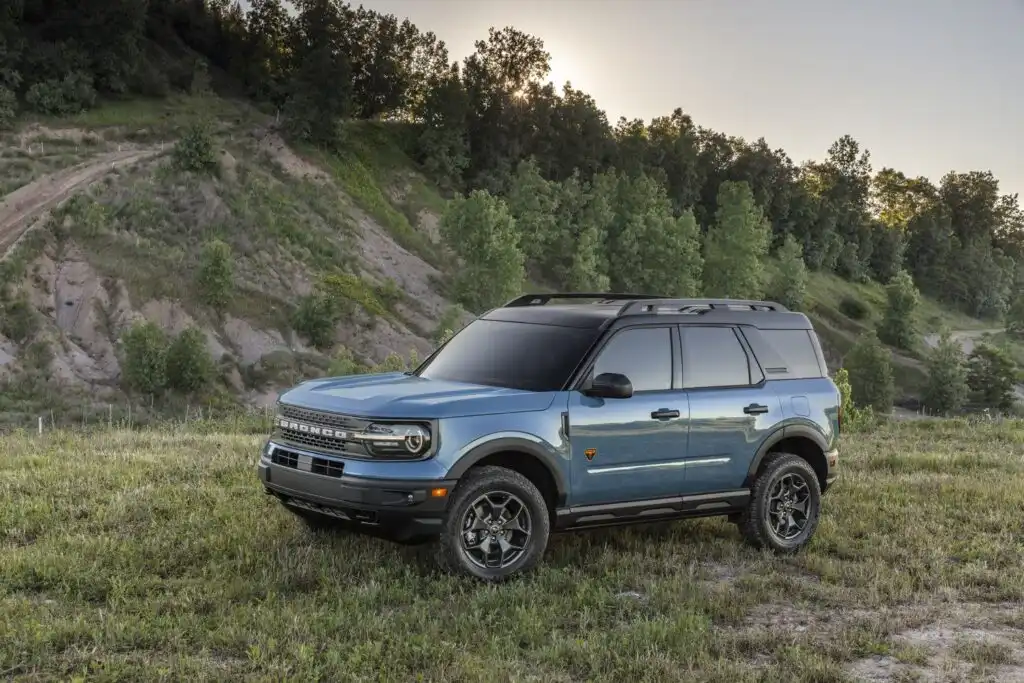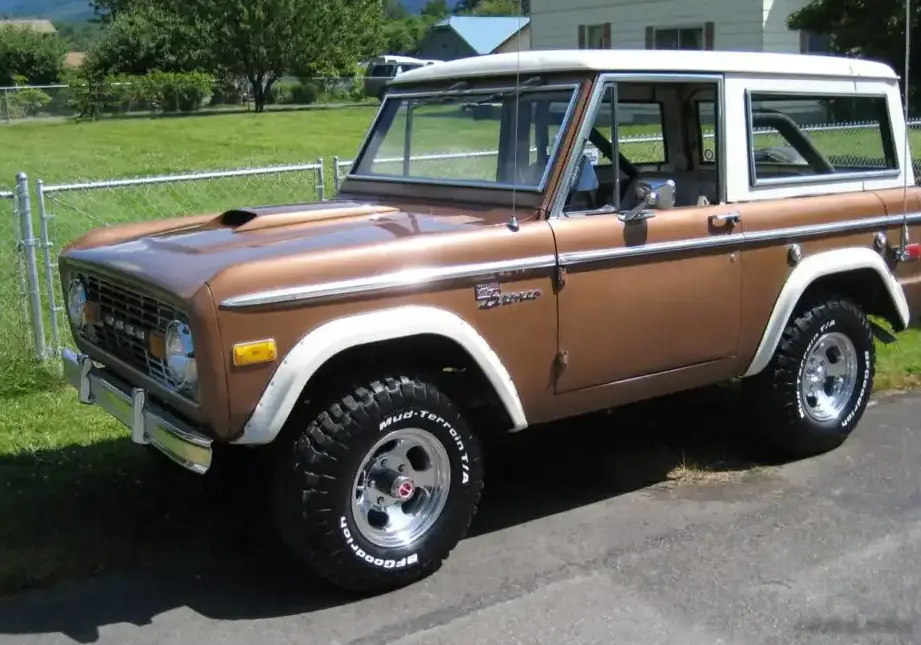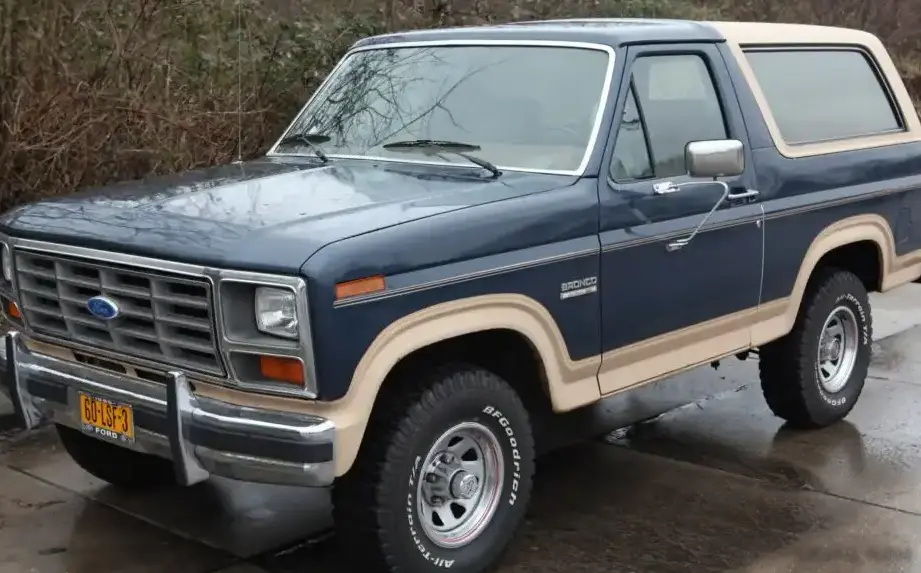
The Ford Bronco III, produced between 1980 and 1986, represented a significant downsizing and repositioning of the iconic Bronco model line. Following the larger, full-size Broncos of the 1966-1977 generation, the third generation Bronco was built on a shortened Ford F-150 chassis, aiming for a more compact and fuel-efficient SUV. The 5.8L V8 engine paired with an automatic transmission was a mid-range offering within the Bronco III lineup, positioned between the smaller six-cylinder engines and potential future high-performance options. This configuration aimed to provide a balance of power and convenience for buyers seeking a capable off-road vehicle with comfortable on-road manners.
Technical Specifications
| Brand | Ford |
| Model | Bronco |
| Generation | Bronco III |
| Type (Engine) | 5.8 V8 (156 Hp) AWD Automatic |
| Start of production | 1980 |
| End of production | 1986 |
| Powertrain Architecture | Internal Combustion engine |
| Body type | SUV |
| Seats | 5 |
| Doors | 3 |
| Fuel consumption (urban) | 19.6 l/100 km (12 US mpg, 14.4 UK mpg, 5.1 km/l) |
| Fuel consumption (extra urban) | 15.7 l/100 km (15 US mpg, 18 UK mpg, 6.4 km/l) |
| Fuel consumption (combined) | 18.1 l/100 km (13 US mpg, 15.6 UK mpg, 5.5 km/l) |
| Fuel Type | Petrol (Gasoline) |
| Power | 156 Hp @ 4000 rpm |
| Power per litre | 27.1 Hp/l |
| Engine layout | Front, Longitudinal |
| Engine Model/Code | 351M |
| Engine displacement | 5766 cm3 (351.86 cu. in.) |
| Number of cylinders | 8 |
| Engine configuration | V-engine |
| Cylinder Bore | 101.6 mm (4 in.) |
| Piston Stroke | 88.9 mm (3.5 in.) |
| Compression ratio | 8.3:1 |
| Number of valves per cylinder | 2 |
| Fuel injection system | Carburettor |
| Engine aspiration | Naturally aspirated |
| Max. weight | 2150 kg (4739.94 lbs.) |
| Fuel tank capacity | 95 l (25.1 US gal, 20.9 UK gal) |
| Length | 4511 mm (177.6 in.) |
| Width | 1980 mm (77.95 in.) |
| Height | 1859 mm (73.19 in.) |
| Wheelbase | 2659 mm (104.69 in.) |
| Front track | 1654 mm (65.12 in.) |
| Rear track | 1636 mm (64.41 in.) |
| Ride height (ground clearance) | 234 mm (9.21 in.) |
| Drag coefficient (Cd) | 0.65 |
| Minimum turning circle | 11.13 m (36.52 ft.) |
| Drive wheel | All wheel drive (4×4) |
| Number of gears and type of gearbox | 3 gears, automatic transmission |
| Front brakes | Disc |
| Rear brakes | Drum |
| Tires size | 215/75 R15 |
| Wheel rims size | 15 |
Powertrain & Engine Architecture
The heart of this Bronco III variant is the Ford 351M (Modified) V8 engine, displacing 5.8 liters (351.86 cubic inches). This engine, introduced in 1970, was a cost-effective alternative to the earlier 351 Windsor and Cleveland engines. The 351M featured a larger bore and longer stroke than its predecessors, resulting in increased low-end torque. However, it also had a reputation for being somewhat less refined and potentially prone to overheating if not properly maintained. The engine in the Bronco III utilized a two-barrel carburetor for fuel delivery, a common setup for the era, and a relatively low 8.3:1 compression ratio. The engine’s longitudinal front-mount configuration was typical for four-wheel-drive vehicles of the time. Paired with the 351M was a three-speed automatic transmission, the C6, known for its durability and simplicity. This transmission provided smooth shifts but lacked the fuel efficiency of more modern automatics.
Driving Characteristics
The 156 horsepower and substantial torque output of the 351M V8, combined with the all-wheel-drive system, made the Bronco III a capable off-road performer. However, the automatic transmission and the vehicle’s weight (approximately 4740 pounds) meant that acceleration was not particularly brisk. Real-world performance felt adequate for highway cruising and moderate towing, but it wasn’t a sports car by any means. Compared to the available six-cylinder engines, the V8 offered a noticeable improvement in power and responsiveness, especially when climbing hills or navigating challenging terrain. The three-speed automatic transmission’s gear ratios were geared more towards torque delivery than outright speed, making it well-suited for off-road use but less efficient on the highway. The automatic transmission also eliminated the need for constant clutch engagement, simplifying operation for drivers unfamiliar with manual transmissions.
Equipment & Trim Levels
The 5.8L V8/Automatic Bronco III typically came with a fairly basic level of equipment, reflecting its intended use as a rugged utility vehicle. Standard features generally included a vinyl interior, basic instrumentation (speedometer, fuel gauge, temperature gauge), and a heater. Air conditioning, power steering, and upgraded interior trim were often optional extras. The Bronco III offered various trim packages, allowing buyers to customize their vehicle to some extent. These packages could include features like upgraded upholstery, carpeting, and exterior trim. The base models were fairly spartan, while higher trim levels offered a more comfortable and refined experience. The Bronco III’s interior was functional and durable, designed to withstand the rigors of off-road use.
Chassis & Braking
The Bronco III’s chassis was based on a shortened Ford F-150 frame, providing a robust foundation for off-road adventures. The front suspension utilized independent coil springs, while the rear suspension employed leaf springs. This setup offered a good balance of ride comfort and off-road capability. The braking system consisted of disc brakes on the front wheels and drum brakes on the rear wheels. While adequate for the vehicle’s weight and intended use, the drum brakes on the rear were less effective than disc brakes, particularly in wet conditions. The Bronco III’s relatively high ground clearance (9.21 inches) allowed it to navigate obstacles with ease. A stabilizer bar was typically included in the front suspension to reduce body roll during cornering.
Market Reception & Comparison
The Bronco III, particularly the 5.8L V8 Automatic variant, received mixed reviews. Critics praised its off-road capability and the V8 engine’s torque, but many noted its relatively poor fuel economy (around 13 mpg combined) and somewhat rough ride quality. Compared to the six-cylinder versions, the V8 offered a significant performance boost but came at the cost of increased fuel consumption. The automatic transmission was generally well-received for its convenience, but some enthusiasts preferred the control offered by a manual transmission. The Bronco III faced competition from other compact SUVs of the time, such as the Chevrolet Blazer and the Jeep CJ series. The Bronco III differentiated itself with its combination of Ford truck reliability, V8 power, and relatively affordable price.
Legacy
The Ford Bronco III, while only produced for a relatively short period, has gained a loyal following among enthusiasts. The 351M V8 engine, while not known for its sophistication, is generally considered to be a durable and reliable powerplant when properly maintained. The automatic transmission, the C6, is also known for its robustness. Today, well-maintained Bronco IIIs are sought after by collectors and off-road enthusiasts. Parts availability can be a challenge, but a thriving aftermarket supports the Bronco community. The Bronco III represents a unique chapter in Ford’s Bronco history, bridging the gap between the larger, original Broncos and the modern Bronco revival. The 5.8L V8 Automatic variant remains a popular choice for those seeking a classic Ford SUV with ample power and off-road capability.