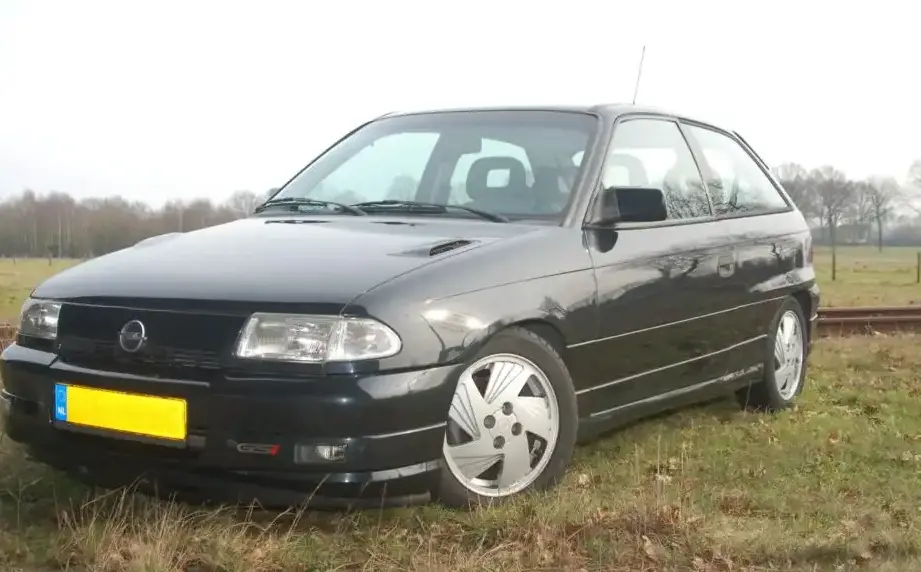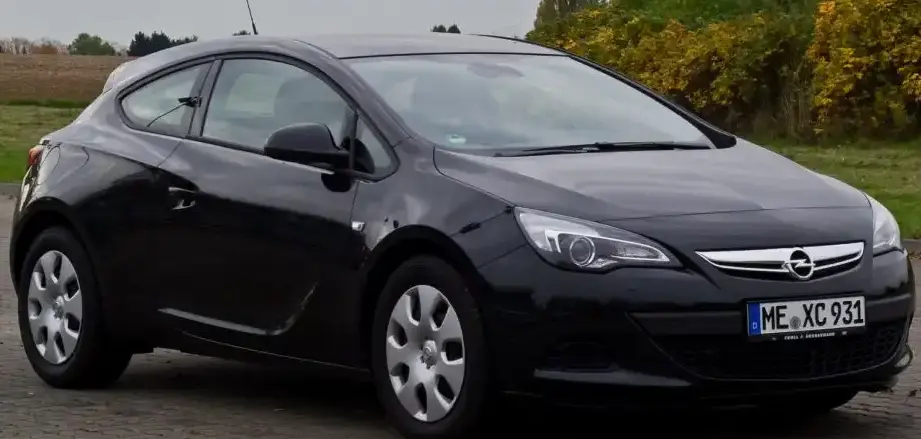
The Opel Astra J GTC 2.0 CDTI (195 hp) Ecotec start/stop, produced between 2011 and 2015, represents a performance-oriented variant within the broader Astra J GTC (Grand Tourer Coupe) range. Positioned as a sporty three-door hatchback, it aimed to deliver a blend of diesel efficiency and respectable performance. This model occupied a mid-to-high tier within the J GTC lineup, sitting above the lower-powered diesel and gasoline options, but below any potential future performance models. It was primarily marketed in Europe, leveraging the popularity of diesel engines and the desire for a more engaging driving experience than traditional family hatchbacks.
Technical Specifications
| Brand | Opel |
| Model | Astra |
| Generation | Astra J GTC |
| Type (Engine) | 2.0 CDTI (195 Hp) Ecotec start/stop |
| Start of production | 2011 |
| End of production | 2015 |
| Powertrain Architecture | Internal Combustion engine |
| Body type | Hatchback |
| Seats | 5 |
| Doors | 3 |
| Fuel consumption (urban) | 6 l/100 km (39.2 US mpg, 47.1 UK mpg, 16.7 km/l) |
| Fuel consumption (extra urban) | 4.2 l/100 km (56 US mpg, 67.3 UK mpg, 23.8 km/l) |
| Fuel consumption (combined) | 4.9 l/100 km (48 US mpg, 57.6 UK mpg, 20.4 km/l) |
| CO2 emissions | 129 g/km |
| Fuel Type | Diesel |
| Acceleration 0 – 100 km/h | 8.3 sec |
| Acceleration 0 – 62 mph | 8.3 sec |
| Acceleration 0 – 60 mph | 7.9 sec |
| Maximum speed | 225 km/h (139.81 mph) |
| Emission standard | Euro 5 |
| Weight-to-power ratio | 8.1 kg/Hp, 124.1 Hp/tonne |
| Weight-to-torque ratio | 3.9 kg/Nm, 254.6 Nm/tonne |
| Power | 195 Hp @ 4000 rpm |
| Power per litre | 99.7 Hp/l |
| Torque | 400 Nm @ 1750-2500 rpm (295.02 lb.-ft. @ 1750-2500 rpm) |
| Engine layout | Front, Transverse |
| Engine Model/Code | A20DTR |
| Engine displacement | 1956 cm3 (119.36 cu. in.) |
| Number of cylinders | 4 |
| Engine configuration | Inline |
| Cylinder Bore | 83 mm (3.27 in.) |
| Piston Stroke | 90.4 mm (3.56 in.) |
| Compression ratio | 17:1 |
| Number of valves per cylinder | 4 |
| Fuel injection system | Diesel Commonrail |
| Engine aspiration | Turbocharger, Intercooler |
| Engine oil capacity | 4.5 l (4.76 US qt | 3.96 UK qt) |
| Coolant capacity | 6.9 l (7.29 US qt | 6.07 UK qt) |
| Kerb Weight | 1571 kg (3463.46 lbs.) |
| Max. weight | 2080 kg (4585.62 lbs.) |
| Max load | 509 kg (1122.15 lbs.) |
| Trunk (boot) space – minimum | 380 l (13.42 cu. ft.) |
| Trunk (boot) space – maximum | 1165 l (41.14 cu. ft.) |
| Fuel tank capacity | 56 l (14.79 US gal | 12.32 UK gal) |
| Length | 4466 mm (175.83 in.) |
| Width | 1840 mm (72.44 in.) |
| Width including mirrors | 2020 mm (79.53 in.) |
| Height | 1482 mm (58.35 in.) |
| Wheelbase | 2695 mm (106.1 in.) |
| Front track | 1584 mm (62.36 in.) |
| Rear (Back) track | 1588 mm (62.52 in.) |
| Ride height (ground clearance) | 112 mm (4.41 in.) |
| Drag coefficient (Cd) | 0.31 |
| Minimum turning circle | 11.4 m (37.4 ft.) |
| Drivetrain Architecture | Front wheel drive |
| Number of gears | 6 |
| Gearbox type | Manual transmission |
| Front brakes | Ventilated discs |
| Rear brakes | Disc |
| Assisting systems | ABS (Anti-lock braking system) |
| Steering type | Steering rack and pinion |
| Power steering | Electric Steering |
| Tires size | 235/50 R18 |
| Wheel rims size | 18 |
Powertrain & Engine Architecture
The heart of the Astra J GTC 2.0 CDTI is the A20DTR engine, a 1.956-liter inline-four cylinder diesel. This engine is a member of Opel/Vauxhall’s ‘Ecotec’ family, emphasizing efficiency and reduced emissions. It utilizes a common rail direct injection system, delivering fuel at extremely high pressure for optimized combustion. The A20DTR features a variable geometry turbocharger (VGT) and an intercooler, boosting power output and improving throttle response. The engine’s 17:1 compression ratio is typical for a diesel engine, contributing to its thermal efficiency. The 6-speed manual transmission was the standard offering, chosen for its driver engagement and efficiency. The Start/Stop system, a key feature of this variant, automatically shuts off the engine when the vehicle is stationary (e.g., at traffic lights) to further reduce fuel consumption and emissions.
Driving Characteristics
The 195 hp and 400 Nm (295 lb-ft) of torque provided by the A20DTR engine delivered a noticeably more spirited driving experience compared to lower-powered Astra J GTC models. Acceleration from 0-60 mph in around 7.9 seconds was respectable for a front-wheel-drive hatchback. The engine’s torque curve, peaking between 1750-2500 rpm, meant that strong acceleration was available across a wide range of engine speeds. The manual transmission allowed for precise control, although the gear ratios were tuned more for fuel efficiency than outright performance. Compared to the 1.4L Turbo gasoline variants, the 2.0 CDTI offered superior mid-range punch and better fuel economy, but lacked the high-revving character of the petrol engine. The GTC’s chassis, while competent, could feel slightly overwhelmed by the engine’s torque during aggressive cornering, particularly on less-than-perfect road surfaces.
Equipment & Trim Levels
The Astra J GTC 2.0 CDTI typically came with a generous level of standard equipment. This included air conditioning, alloy wheels (usually 18-inch), a CD/MP3 stereo system with auxiliary input, electric windows and mirrors, and remote central locking. Higher trim levels, such as ‘Sport’ or ‘Elite’, added features like leather upholstery, heated front seats, a touchscreen infotainment system with navigation, automatic climate control, and parking sensors. Optional extras included a panoramic sunroof, bi-xenon headlights, and a premium sound system. The interior design featured a driver-focused cockpit with supportive seats and a generally well-built cabin, although material quality wasn’t always on par with more premium rivals.
Chassis & Braking
The Astra J GTC utilized a MacPherson strut front suspension and a multi-link rear suspension, providing a good balance between ride comfort and handling. The suspension was tuned to be slightly firmer than that of the standard Astra J hatchback, reflecting the GTC’s sporty aspirations. Braking duties were handled by ventilated discs at the front and solid discs at the rear, equipped with ABS (Anti-lock Braking System). The steering was electrically assisted, providing a reasonably precise and responsive feel. Stabilizer bars were fitted to both the front and rear axles to reduce body roll during cornering.
Market Reception & Comparison
The Astra J GTC 2.0 CDTI was generally well-received by automotive critics. It was praised for its strong performance, good fuel economy, and comfortable ride. However, some reviewers noted that the interior, while well-designed, lacked the premium feel of some competitors. Compared to rivals like the Volkswagen Scirocco or the Ford Focus ST, the Astra J GTC offered a more practical and affordable alternative, albeit with slightly less outright performance. The diesel engine provided significantly better fuel economy than the petrol-powered alternatives, making it an attractive option for drivers covering long distances. Reliability was generally good, although some owners reported issues with the diesel particulate filter (DPF) and the electronic parking brake.
Legacy
The Opel Astra J GTC 2.0 CDTI remains a relatively common sight on used car markets today. The A20DTR engine, while capable, requires regular maintenance, particularly regarding the DPF system. Proper servicing, including regular oil changes and DPF regeneration, is crucial to ensure long-term reliability. The manual transmission is generally considered robust and reliable. The Astra J GTC 2.0 CDTI offers a compelling combination of performance, economy, and practicality, making it a worthwhile consideration for buyers seeking a sporty and efficient hatchback. Its continued presence in the used car market reflects its overall build quality and the enduring appeal of diesel power in Europe.