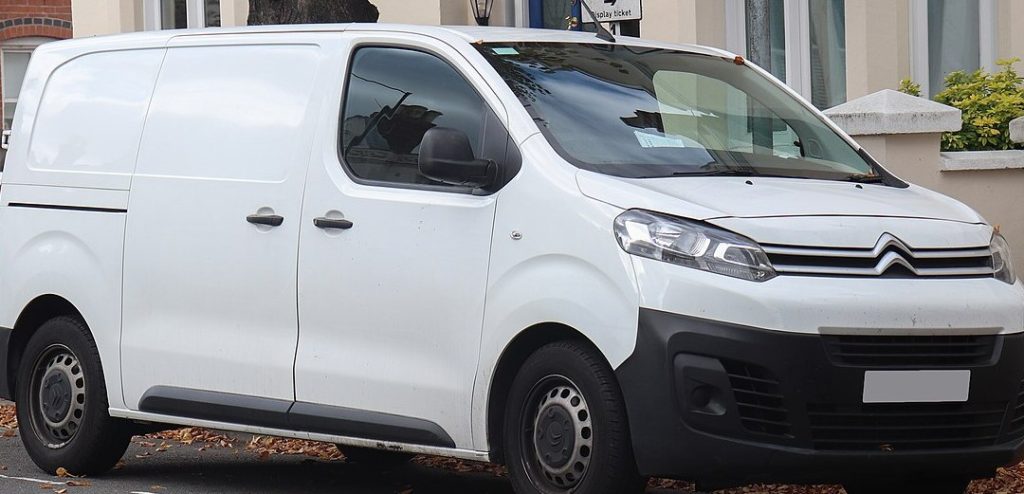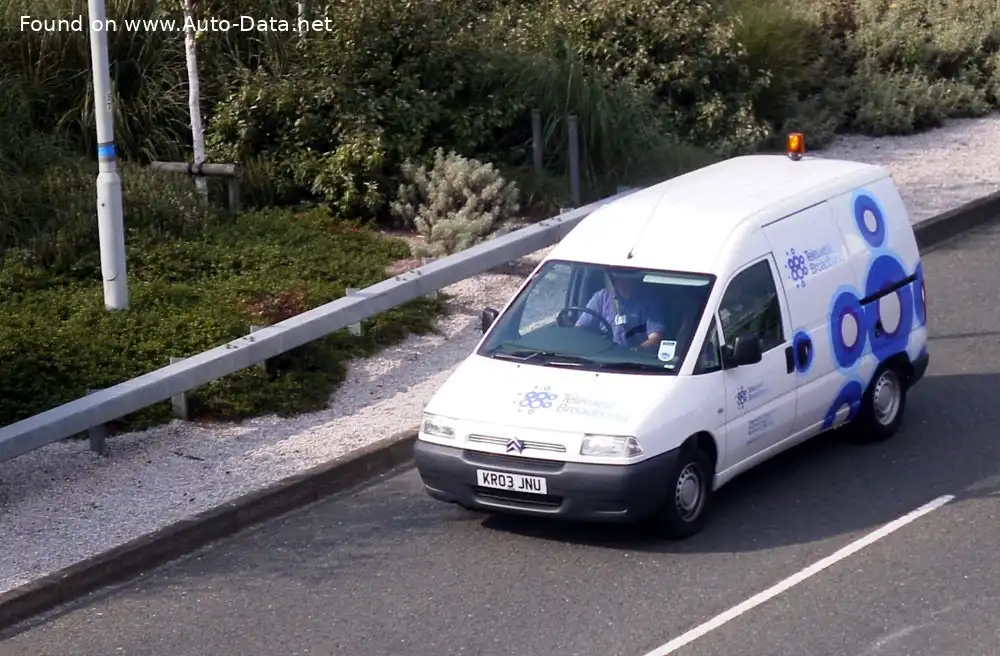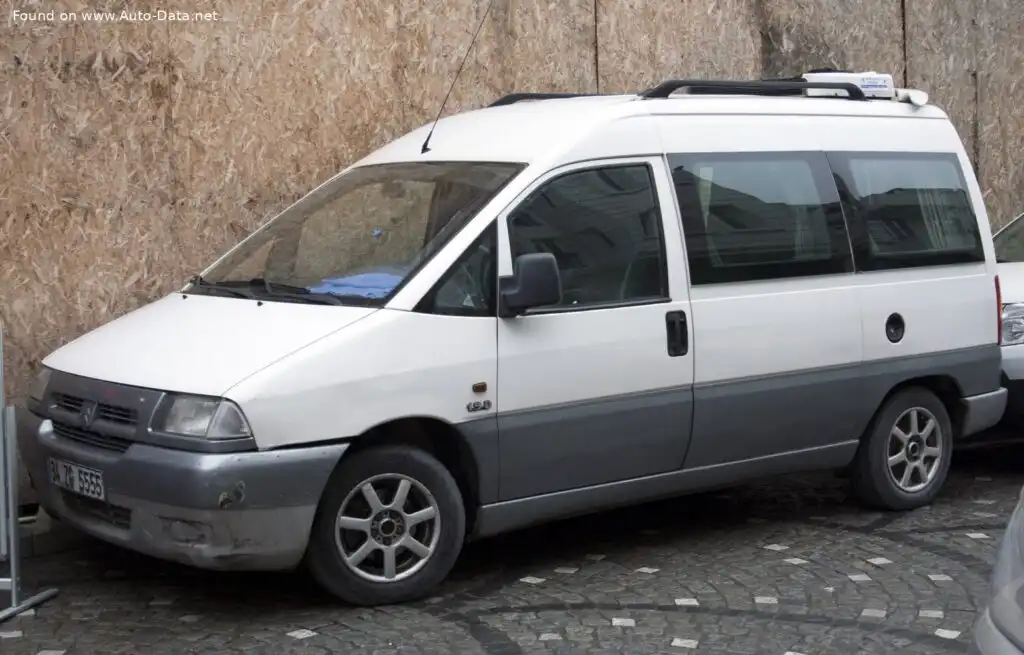
The Citroen Jumpy III XL e-Jumpy 75 kWh (136 Hp) represents Citroen’s entry into the electric commercial vehicle market, launched in October 2020. This variant is part of the Jumpy III (also known as the Dispatch in some markets and the SpaceTourer) generation, specifically the extended XL wheelbase version. Positioned as a practical and eco-friendly solution for businesses and families needing substantial cargo or passenger space, the e-Jumpy aimed to provide a zero-emission alternative to traditional diesel-powered vans. It falls within the larger Citroen light commercial vehicle range, offering a blend of utility and modern electric vehicle technology. The Jumpy III XL platform (often referred to as the P8 platform shared with Peugeot, Opel/Vauxhall, and Fiat) provides a versatile base for various configurations.
Technical Specifications
| Brand | Citroen |
| Model | Jumpy |
| Generation | Jumpy III XL |
| Type (Engine) | e-Jumpy 75 kWh (136 Hp) |
| Start of production | October, 2020 |
| Powertrain Architecture | BEV (Electric Vehicle) |
| Body type | Minivan |
| Seats | 2-3 |
| Doors | 4 |
| Fuel Type | Electricity |
| Acceleration 0 – 100 km/h | 13.3 sec |
| Acceleration 0 – 62 mph | 13.3 sec |
| Acceleration 0 – 60 mph | 12.6 sec |
| Maximum speed | 130 km/h (80.78 mph) |
| Weight-to-power ratio | 15 kg/Hp, 66.6 Hp/tonne |
| Weight-to-torque ratio | 7.9 kg/Nm, 127.4 Nm/tonne |
| Gross battery capacity | 75 kWh |
| Battery technology | Lithium-ion (Li-Ion) |
| Battery location | Below the floor |
| All-electric range (WLTP) | 316 km (196.35 mi) |
| Average Energy consumption (WLTP) | 27 kWh/100 km (43.45 kWh/100 mi) |
| MPGe | 78 |
| km/kWh | 3.7 |
| mi/kWh | 2.3 |
| Electric motor power | 136 Hp |
| Electric motor Torque | 260 Nm (191.77 lb.-ft.) |
| Electric motor model/code | ZK01 |
| Electric motor location | Front axle, Transverse |
| System power | 136 Hp |
| System torque | 260 Nm (191.77 lb.-ft.) |
| Kerb Weight | 2041-2053 kg (4499.63 – 4526.09 lbs.) |
| Max. weight | 3045 kg (6713.08 lbs.) |
| Max load | 992-1004 kg (2186.99 – 2213.44 lbs.) |
| Permitted trailer load with brakes (12%) | 1000 kg (2204.62 lbs.) |
| Permitted trailer load without brakes | 750 kg (1653.47 lbs.) |
| Permitted towbar download | 60 kg (132.28 lbs.) |
| Length | 5309 mm (209.02 in.) |
| Width | 1920 mm (75.59 in.) |
| Width including mirrors | 2204 mm (86.77 in.) |
| Height | 1877-1950 mm (73.9 – 76.77 in.) |
| Wheelbase | 3275 mm (128.94 in.) |
| Front track | 1630 mm (64.17 in.) |
| Front overhang | 881 mm (34.69 in.) |
| Rear overhang | 1153 mm (45.39 in.) |
| Drivetrain Architecture | One electric motor drives the front wheels. |
| Drive wheel | Front wheel drive |
| Number of gears and type of gearbox | 1 gears, automatic transmission |
| Front suspension | Independent type McPherson |
| Rear suspension | Wishbone |
| Front brakes | Ventilated discs |
| Rear brakes | Ventilated discs |
| Assisting systems | ABS (Anti-lock braking system) |
| Steering type | Steering rack and pinion |
| Tires size | 215/65 R16 |
Powertrain & Engine Architecture
The Citroen Jumpy e-Jumpy utilizes a fully electric powertrain. At its heart is a 75 kWh lithium-ion battery pack positioned under the vehicle floor, contributing to a lower center of gravity and maximizing interior space. The electric motor, designated ZK01, delivers 136 horsepower and 260 Nm (191.77 lb.-ft.) of torque. This motor is transversely mounted at the front axle, driving the front wheels. The single-speed automatic transmission simplifies operation, providing seamless acceleration. The e-Jumpy doesn’t employ a traditional multi-gear gearbox, relying instead on the electric motor’s broad torque curve for efficient power delivery. The charging system supports both AC and DC fast charging, allowing for flexible replenishment of the battery. The vehicle’s electronic control unit manages the battery’s thermal management system, ensuring optimal performance and longevity.
Driving Characteristics
The e-Jumpy 75 kWh offers a distinctly different driving experience compared to its diesel counterparts. The instant torque delivery of the electric motor provides brisk acceleration, particularly in urban environments. While the 0-60 mph time of around 12.6 seconds isn’t particularly sporty, it’s adequate for typical commercial and family use. The single-speed transmission means there’s no gear shifting, resulting in a smooth and linear power delivery. The vehicle’s regenerative braking system helps to recapture energy during deceleration, extending the driving range. The lower center of gravity, thanks to the battery pack’s placement, contributes to improved stability and handling. Compared to the 1.5 BlueHDi diesel versions, the e-Jumpy offers a quieter and more refined driving experience, with significantly reduced vibrations.
Equipment & Trim Levels
The Jumpy III XL e-Jumpy typically came with a respectable level of standard equipment. This included air conditioning, a touchscreen infotainment system with Bluetooth connectivity, and a range of safety features such as ABS, ESP (Electronic Stability Program), and multiple airbags. Interior upholstery was generally durable and practical, designed for commercial use. Optional extras included navigation, parking sensors, a rearview camera, and various driver-assistance systems. Trim levels varied by market, but generally offered upgrades to the interior finish, additional comfort features, and enhanced safety technology. The XL wheelbase provides a generous cargo area, making it suitable for transporting large items or accommodating multiple passengers.
Chassis & Braking
The Jumpy III XL utilizes a McPherson strut independent suspension at the front and a wishbone suspension at the rear. This setup provides a good balance between ride comfort and handling. Ventilated disc brakes are fitted on all four wheels, providing ample stopping power. The electronic stability program (ESP) helps to maintain control during emergency maneuvers. The steering is rack and pinion, offering precise and responsive handling. The vehicle’s chassis is reinforced to accommodate the weight of the battery pack, ensuring structural integrity and safety. Tire size is typically 215/65 R16, providing a good compromise between comfort and fuel efficiency.
Market Reception & Comparison
The Citroen Jumpy e-Jumpy was generally well-received by critics, who praised its practicality, zero-emission capability, and comfortable driving experience. Its range of around 196 miles (WLTP) was considered competitive for its class, although real-world range could vary depending on driving conditions and load. Compared to the diesel-powered Jumpy models, the e-Jumpy offered lower running costs due to the reduced fuel and maintenance expenses. However, the initial purchase price was higher. Compared to other electric vans in the market, such as the Peugeot e-Expert and Opel/Vauxhall Vivaro-e (which share the same platform), the Jumpy e-Jumpy offered a similar level of performance and features.
Legacy
The Citroen Jumpy e-Jumpy represents a significant step forward in Citroen’s commitment to electric mobility. The powertrain, while not without its limitations in terms of range compared to newer EVs, has proven to be relatively reliable. On the used car market, the e-Jumpy is becoming increasingly popular as businesses and individuals seek sustainable transportation solutions. The battery’s longevity is a key consideration for potential buyers, and regular maintenance of the cooling system is crucial for ensuring optimal battery performance. The Jumpy e-Jumpy paved the way for future generations of electric Citroen commercial vehicles, contributing to the growing adoption of electric vans in Europe and beyond.