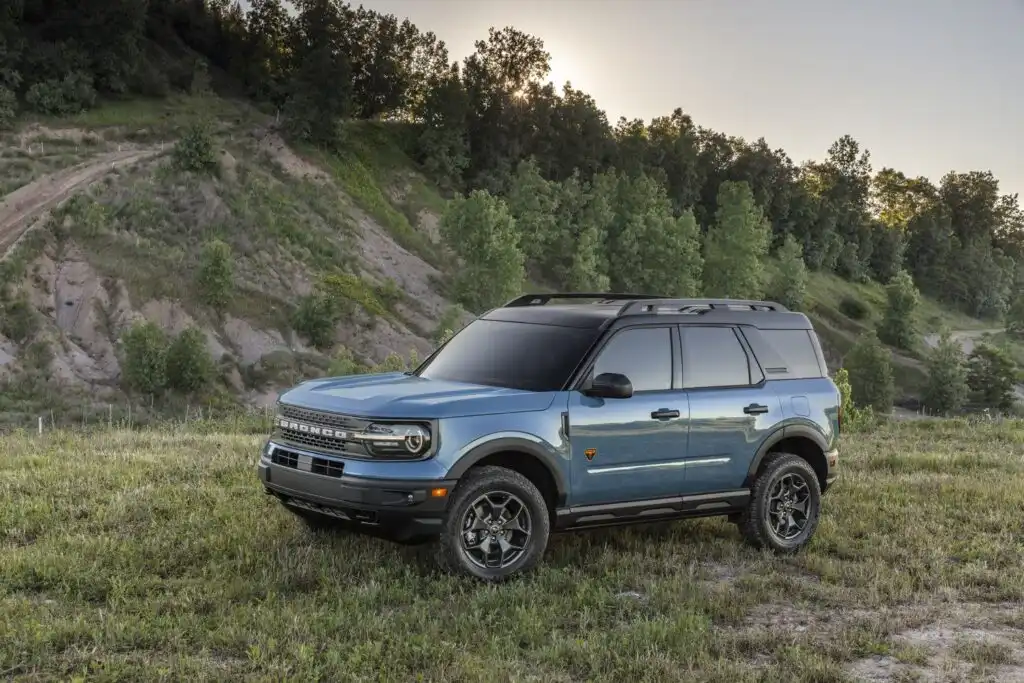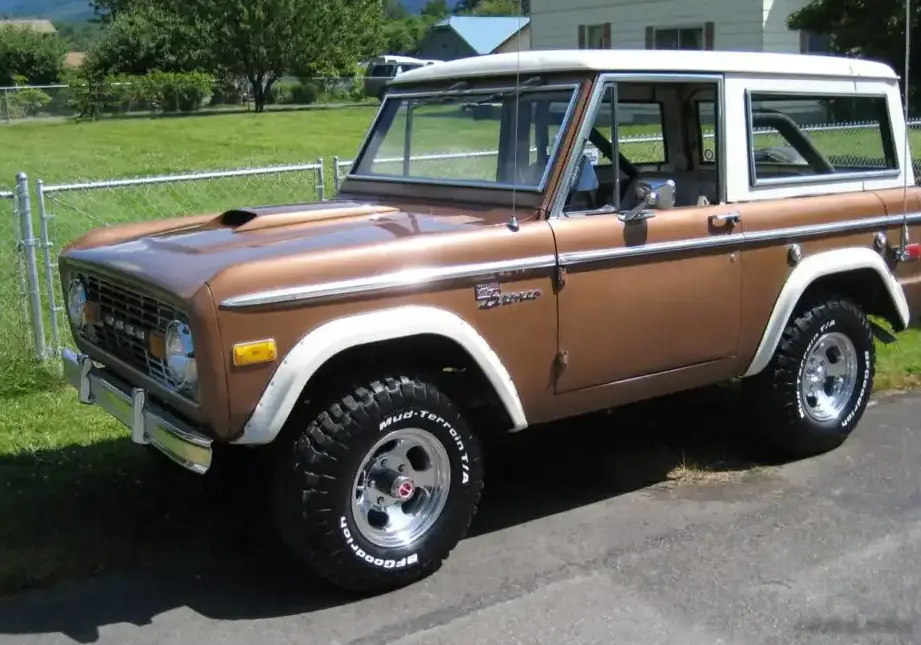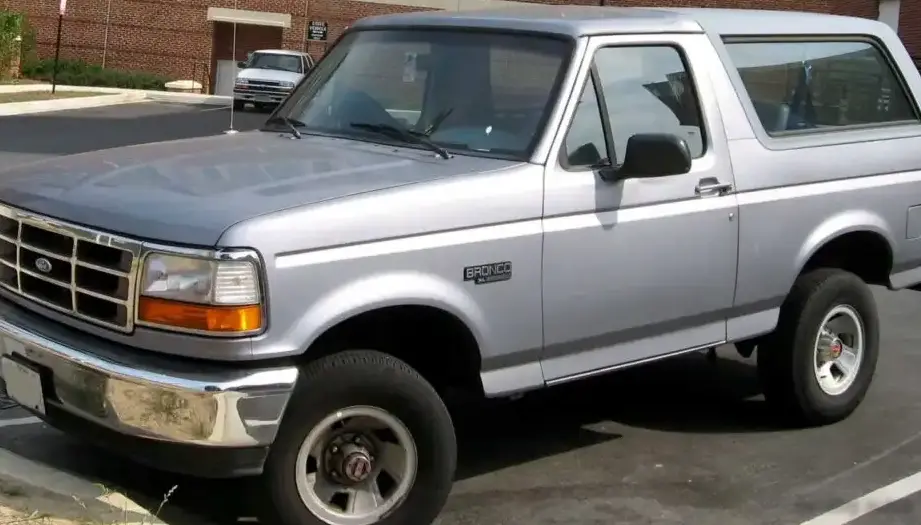
The Ford Bronco V 4.9, produced between 1992 and 1996, represented a continuation of the iconic Bronco lineage during the third generation (1980-1996). This variant, characterized by its 4.9-liter inline-six engine paired with a four-speed automatic transmission and all-wheel drive, occupied a middle ground in the Bronco lineup, offering a balance between capability and affordability. It served as a popular choice for buyers seeking a rugged SUV without the higher price tag of the V8-powered models. The Bronco, throughout its history, has been a symbol of American off-road adventure, and the 4.9L automatic version contributed to that legacy for a dedicated segment of enthusiasts.
Technical Specifications
| Brand | Ford |
| Model | Bronco |
| Generation | Bronco V |
| Type (Engine) | 4.9 (147 Hp) AWD Automatic |
| Start of production | 1992 |
| End of production | 1996 |
| Powertrain Architecture | Internal Combustion engine |
| Body type | SUV |
| Seats | 5 |
| Doors | 3 |
| Fuel consumption (economy) – urban | 16.8 l/100 km (14 US mpg, 16.8 UK mpg, 6 km/l) |
| Fuel consumption (economy) – extra urban | 13.1 l/100 km (18 US mpg, 21.6 UK mpg, 7.6 km/l) |
| Fuel consumption (economy) – combined | 15.7 l/100 km (15 US mpg, 18 UK mpg, 6.4 km/l) |
| Fuel Type | Petrol (Gasoline) |
| Power | 147 Hp @ 3400 rpm |
| Power per litre | 29.9 Hp/l |
| Torque | 360 Nm @ 2000 rpm (265.52 lb.-ft. @ 2000 rpm) |
| Engine layout | Front, Longitudinal |
| Engine displacement | 4917 cm3 (300.05 cu. in.) |
| Number of cylinders | 6 |
| Engine configuration | Inline |
| Cylinder Bore | 101.6 mm (4 in.) |
| Piston Stroke | 101.09 mm (3.98 in.) |
| Compression ratio | 8.8:1 |
| Number of valves per cylinder | 2 |
| Fuel injection system | Multi-port manifold injection |
| Engine aspiration | Naturally aspirated engine |
| Valvetrain | OHV |
| Engine oil capacity | 5.7 l (6.02 US qt | 5.02 UK qt) |
| Coolant | 14 l (14.79 US qt | 12.32 UK qt) |
| Max. weight | 2000 kg (4409.25 lbs.) |
| Trunk (boot) space – minimum | 917 l (32.38 cu. ft.) |
| Trunk (boot) space – maximum | 1857 l (65.58 cu. ft.) |
| Fuel tank capacity | 121 l (31.96 US gal | 26.62 UK gal) |
| Length | 4663 mm (183.58 in.) |
| Width | 2009 mm (79.09 in.) |
| Height | 1892 mm (74.49 in.) |
| Wheelbase | 2659 mm (104.69 in.) |
| Front track | 1654 mm (65.12 in.) |
| Rear (Back) track | 1636 mm (64.41 in.) |
| Drag coefficient (Cd) | 0.60 |
| Minimum turning circle (turning diameter) | 11.4 m (37.4 ft.) |
| Drive wheel | All wheel drive (4×4) |
| Number of gears and type of gearbox | 4 gears, automatic transmission |
| Front suspension | Several levers and rods |
| Rear suspension | Leaf spring |
| Front brakes | Disc |
| Rear brakes | Drum |
| Assisting systems | ABS (Anti-lock braking system) |
| Tires size | 235/75 R15 |
| Wheel rims size | 15 |
Powertrain & Engine Architecture
The heart of the Bronco V 4.9 was the 4.9-liter (300 cubic inch) inline-six cylinder engine. This engine, a descendant of the Ford 300 straight-six that had been in production for decades, was known for its durability and relatively simple design. It featured a cast iron block and cylinder head, a two-barrel carburetor (later replaced with multi-port fuel injection), and an overhead valve (OHV) valvetrain. The engine produced 147 horsepower at 3400 rpm and 360 Nm (265.52 lb-ft) of torque at 2000 rpm. The four-speed automatic transmission, typically the AOD (Automatic Overdrive) unit, was chosen for its ease of use and suitability for both on- and off-road driving. The AOD provided a relatively relaxed cruising experience, although it wasn’t known for particularly quick acceleration.
Driving Characteristics
The Bronco V 4.9 Automatic offered a comfortable, if not particularly sporty, driving experience. The automatic transmission smoothed out power delivery, making it easy to navigate both city streets and challenging terrain. However, the 4.9-liter engine, while torquey, lacked the outright power of the optional 5.0-liter V8. Acceleration was adequate, but not brisk. The automatic transmission’s gear ratios were geared towards fuel economy and towing capacity rather than performance. Compared to the five-speed manual transmission available on other Bronco trims, the automatic version felt less responsive. The all-wheel-drive system provided excellent traction in slippery conditions, making it a capable off-road vehicle, though not as nimble as lighter, more focused off-roaders.
Equipment & Trim Levels
The Bronco V 4.9 Automatic typically came with a fairly basic level of equipment. Standard features generally included air conditioning, a basic AM/FM radio, and cloth upholstery. Power steering and power brakes were also common. Optional extras included upgraded sound systems, cruise control, and a limited-slip differential. Interior trim levels varied, but generally featured durable, utilitarian materials designed to withstand the rigors of off-road use. The Bronco’s interior was functional rather than luxurious, prioritizing practicality and ease of cleaning.
Chassis & Braking
The Bronco V 4.9 utilized a body-on-frame construction, providing a robust and durable chassis. The front suspension consisted of a multi-link setup with coil springs, while the rear suspension employed leaf springs. This configuration provided a good balance between ride comfort and off-road capability. Braking duties were handled by disc brakes at the front and drum brakes at the rear. An anti-lock braking system (ABS) was available as an option, enhancing safety in emergency braking situations. The Bronco’s relatively heavy weight necessitated a robust braking system, but the drum brakes on the rear could sometimes feel inadequate under heavy loads or during aggressive braking.
Market Reception & Comparison
The Bronco V 4.9 Automatic was generally well-received by buyers seeking a capable and affordable SUV. Critics praised its durability and off-road prowess, but noted its relatively slow acceleration and modest fuel economy. Compared to the V8-powered Broncos, the 4.9-liter version offered a lower price point but sacrificed some performance. Against competitors like the Chevrolet Blazer and Jeep Cherokee, the Bronco V 4.9 held its own in terms of capability and value. Fuel economy, averaging around 15 mpg combined, was typical for a vehicle of its size and type in the early 1990s, but it was significantly lower than more modern SUVs.
Legacy
The Ford Bronco V 4.9 Automatic has developed a loyal following among enthusiasts. The 4.9-liter inline-six engine is known for its longevity and relative simplicity, making it a relatively easy engine to maintain and repair. While not as sought-after as the V8 models, well-maintained examples of the 4.9-liter Bronco command reasonable prices in the used car market. The Bronco’s enduring popularity is a testament to its rugged design, off-road capability, and iconic status as an American automotive classic. Today, these Broncos are often found undergoing restoration projects, preserving a piece of automotive history for future generations.