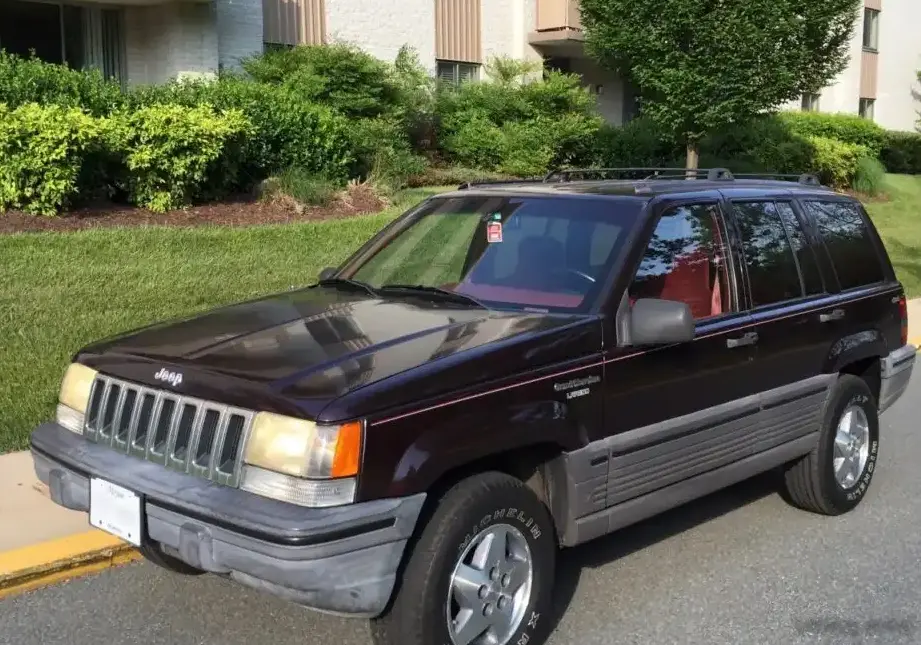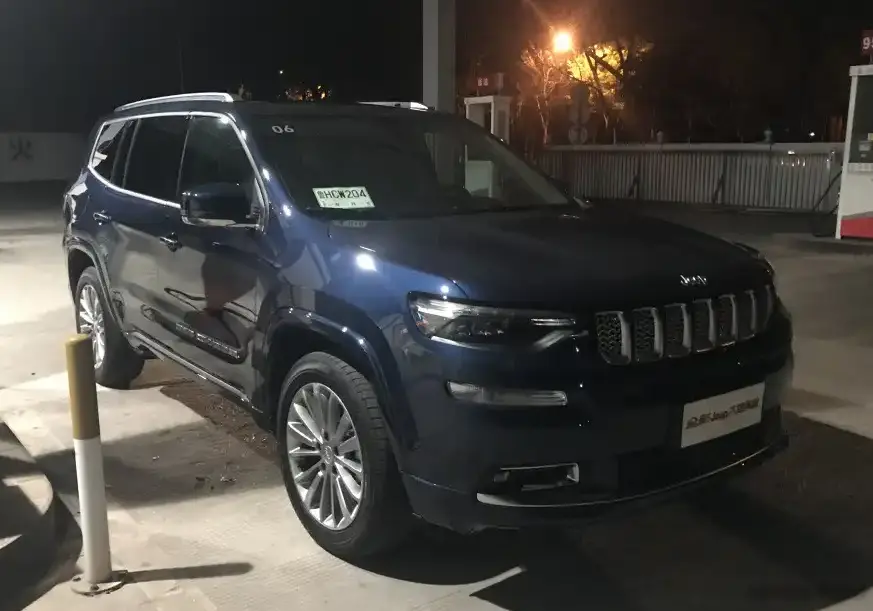
The Jeep Grand Commander 2.0T AWD Automatic, produced from April 2018 to February 2022, represents Jeep’s entry into the three-row mid-size SUV segment, primarily targeted towards markets outside of North America. This variant, equipped with a turbocharged 2.0-liter inline-four engine and a nine-speed automatic transmission, served as a key offering within the Grand Commander lineup, positioned as a balance between performance, fuel efficiency, and family practicality. It aimed to provide a more accessible price point compared to larger, more powerful Jeep models while still delivering the brand’s renowned off-road capability and comfortable ride. The Grand Commander, built on a unibody construction, was designed to compete with vehicles like the Hyundai Palisade and Kia Telluride, offering a seven-passenger seating configuration as standard.
Technical Specifications
| Brand | Jeep |
| Model | Grand Commander |
| Generation | Grand Commander |
| Type (Engine) | 2.0 T (265 Hp) AWD Automatic |
| Start of production | April, 2018 |
| End of production | February, 2022 |
| Powertrain Architecture | Internal Combustion engine |
| Body type | SUV |
| Seats | 7 |
| Doors | 5 |
| Fuel consumption (economy) – combined | 8.8 l/100 km |
| Fuel consumption (economy) – combined | 26.7 US mpg |
| Fuel consumption (economy) – combined | 32.1 UK mpg |
| Fuel consumption (economy) – combined | 11.4 km/l |
| Fuel Type | Petrol (Gasoline) |
| Weight-to-power ratio | 7.5 kg/Hp |
| Weight-to-power ratio | 132.8 Hp/tonne |
| Weight-to-torque ratio | 5 kg/Nm |
| Weight-to-torque ratio | 200.5 Nm/tonne |
| Power | 265 Hp @ 5200 rpm |
| Power per litre | 132.8 Hp/l |
| Torque | 400 Nm @ 3000-4250 rpm |
| Torque | 295.02 lb.-ft. @ 3000-4250 rpm |
| Engine displacement | 1995 cm3 |
| Engine displacement | 121.74 cu. in. |
| Number of cylinders | 4 |
| Engine configuration | Inline |
| Compression ratio | 10:1 |
| Fuel injection system | Direct injection |
| Engine aspiration | Turbocharger, Intercooler |
| Valvetrain | DOHC |
| Kerb Weight | 1995 kg |
| Kerb Weight | 4398.22 lbs |
| Fuel tank capacity | 70 l |
| Fuel tank capacity | 18.49 US gal |
| Fuel tank capacity | 15.4 UK gal |
| Length | 4873 mm |
| Length | 191.85 in |
| Width | 1892 mm |
| Width | 74.49 in |
| Height | 1738 mm |
| Height | 68.43 in |
| Wheelbase | 2800 mm |
| Wheelbase | 110.24 in |
| Drive wheel | All wheel drive (4×4) |
| Number of gears and type of gearbox | 9 gears, automatic transmission tiptronic |
| Front suspension | Independent type McPherson |
| Rear suspension | Independent multi-link suspension |
| Front brakes | Disc |
| Rear brakes | Disc |
| Assisting systems | ABS (Anti-lock braking system) |
| Tires size | 235/55 R19 |
| Wheel rims size | 19 |
Powertrain & Engine Architecture
The heart of the Grand Commander 2.0T is the GDE (Global Diesel Engines) 2.0-liter turbocharged inline-four engine, though adapted for gasoline use. This engine, part of the FCA (now Stellantis) family, utilizes direct fuel injection and a twin-scroll turbocharger with an intercooler to deliver 265 horsepower at 5200 rpm and 400 Nm (295 lb-ft) of torque between 3000 and 4250 rpm. The engine features a 10:1 compression ratio and a double overhead camshaft (DOHC) valvetrain. The nine-speed automatic transmission, sourced from ZF, is a crucial component of this powertrain. Known as the 9HP48, this transmission offers a wide gear ratio spread, contributing to both fuel efficiency and responsive acceleration. The ‘tiptronic’ function allows for manual gear selection, providing drivers with greater control. The all-wheel-drive system is typically an on-demand system, automatically engaging the rear wheels when traction is needed, enhancing stability and off-road capability.
Driving Characteristics
The 2.0T Grand Commander offers a comfortable and refined driving experience. While not as overtly powerful as larger-engined SUVs, the turbocharged engine provides adequate acceleration for everyday driving and highway cruising. The nine-speed transmission generally shifts smoothly, although some drivers have reported occasional hesitation at lower speeds. The wide gear ratio spread helps to keep the engine within its optimal torque band, resulting in decent responsiveness. Compared to potential V6 options (not widely available in all markets), the 2.0T prioritizes fuel economy over outright performance. The all-wheel-drive system provides confident handling in various weather conditions and on moderately challenging terrain. The suspension is tuned for comfort, absorbing bumps and imperfections in the road effectively.
Equipment & Trim Levels
The Grand Commander 2.0T typically came well-equipped, even in base trim levels. Standard features often included leather upholstery, a touchscreen infotainment system with Apple CarPlay and Android Auto compatibility, automatic climate control, and a suite of safety features such as ABS, electronic stability control, and multiple airbags. Higher trim levels added features like a panoramic sunroof, premium audio system, heated and ventilated front seats, and advanced driver-assistance systems (ADAS) such as adaptive cruise control and lane departure warning. Interior color options typically included black, brown, and beige. Optional extras could include upgraded wheel designs, exterior styling packages, and various accessory packages.
Chassis & Braking
The Grand Commander utilizes a unibody construction, providing a good balance of strength and weight. The front suspension features an independent McPherson strut setup, while the rear suspension employs an independent multi-link design. This configuration contributes to a comfortable ride and predictable handling. Braking duties are handled by disc brakes on all four wheels, providing adequate stopping power. The ABS (Anti-lock Braking System) helps to maintain steering control during emergency braking situations. The vehicle’s weight of approximately 1995 kg (4398 lbs) influences its handling characteristics, requiring a well-tuned suspension to manage body roll and maintain stability.
Market Reception & Comparison
The Jeep Grand Commander 2.0T was generally well-received by automotive critics, particularly for its spacious interior, comfortable ride, and available features. However, some reviewers noted that the 2.0-liter engine, while adequate, could feel strained when fully loaded or during aggressive driving. Compared to other trims in the Grand Commander lineup (if available), the 2.0T offered a more affordable entry point, appealing to buyers who prioritized fuel efficiency and value over outright performance. Fuel economy figures of around 8.8 l/100 km (26.7 US mpg) were competitive within its segment. Reliability reports have been mixed, with some owners reporting minor issues with the infotainment system and occasional turbocharger-related concerns.
Legacy
The Jeep Grand Commander 2.0T AWD Automatic, while not a long-lived model, represents an important step for Jeep in expanding its global presence and offering a more fuel-efficient and accessible SUV option. On the used car market, these models generally hold their value reasonably well, particularly those in good condition with low mileage. The 2.0-liter turbocharged engine and nine-speed transmission have proven to be relatively durable, although regular maintenance is crucial to ensure long-term reliability. The Grand Commander’s spacious interior and comfortable ride continue to appeal to families seeking a versatile and capable SUV.