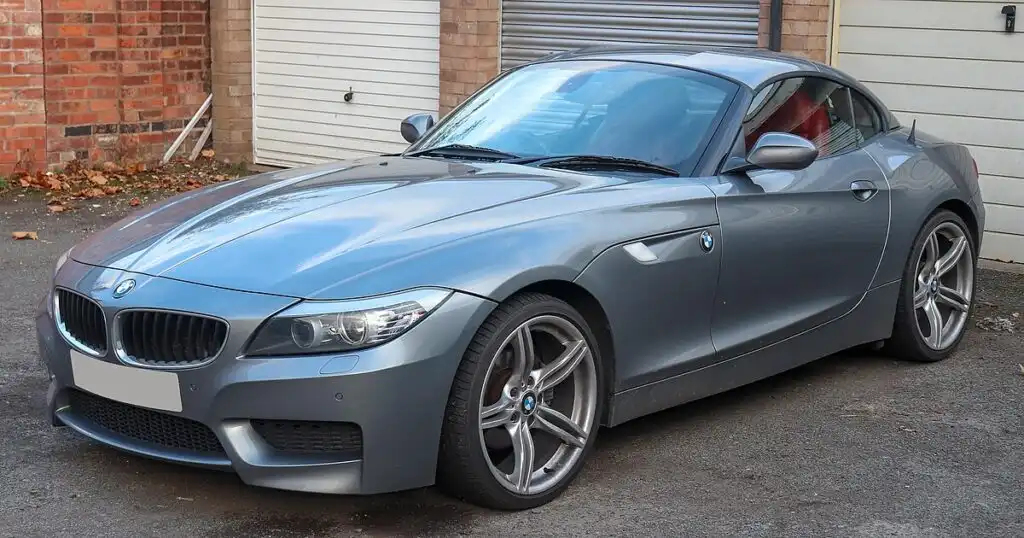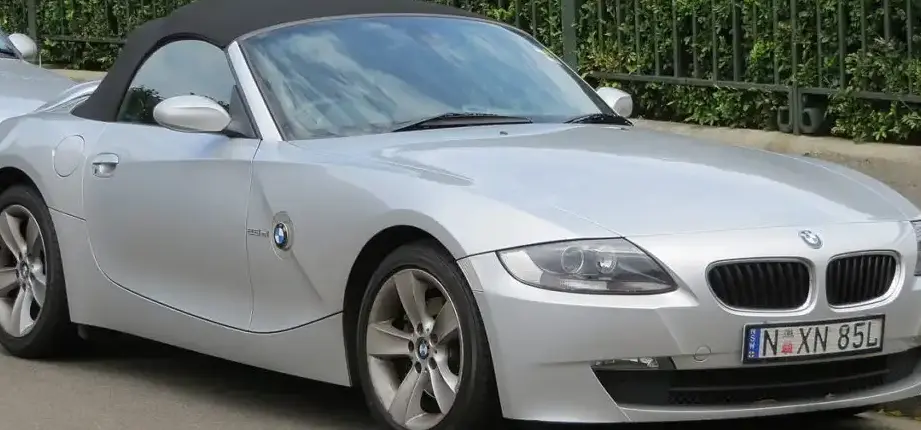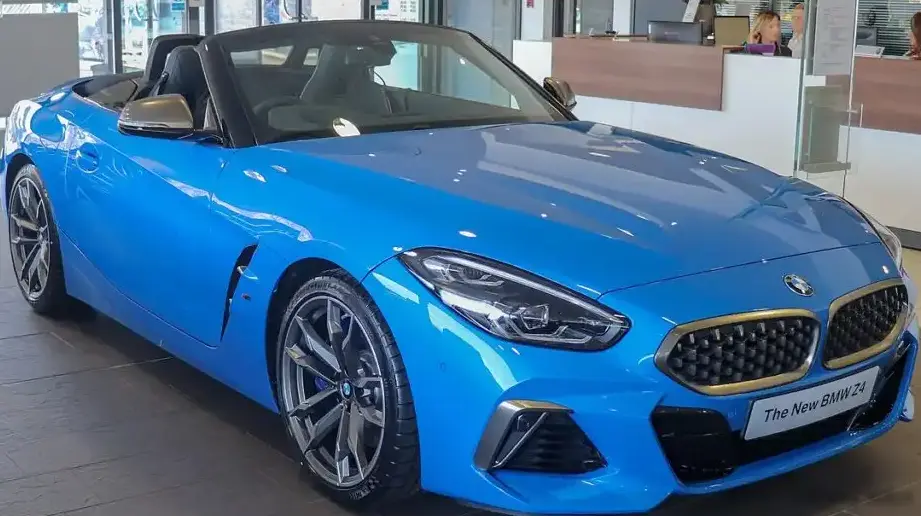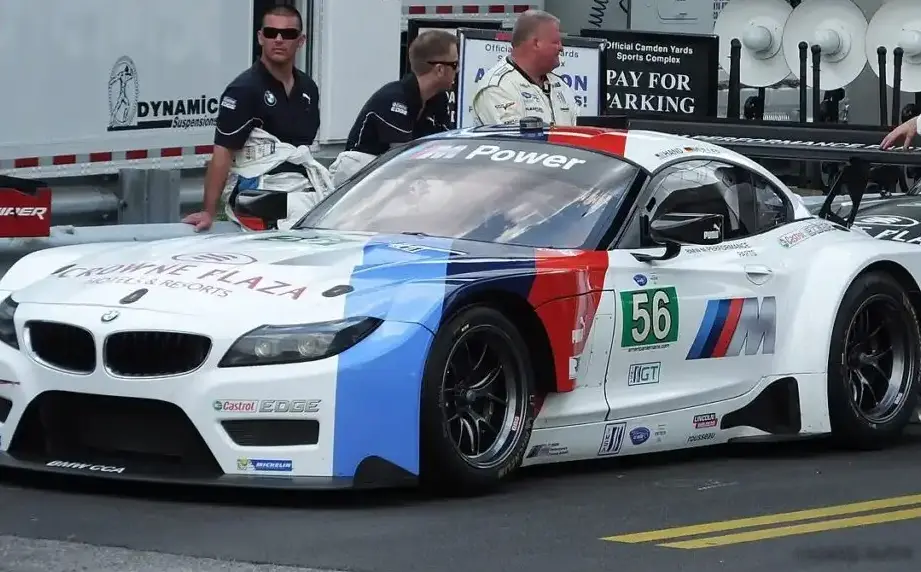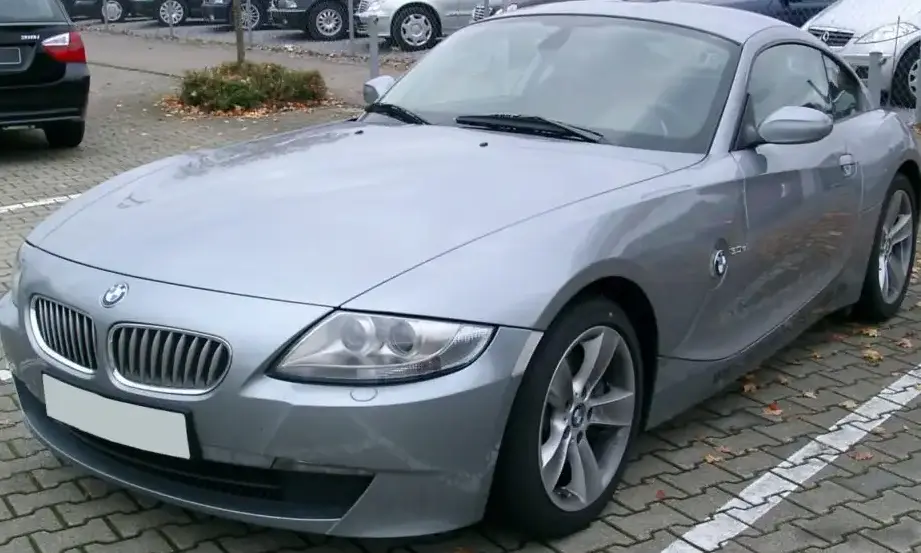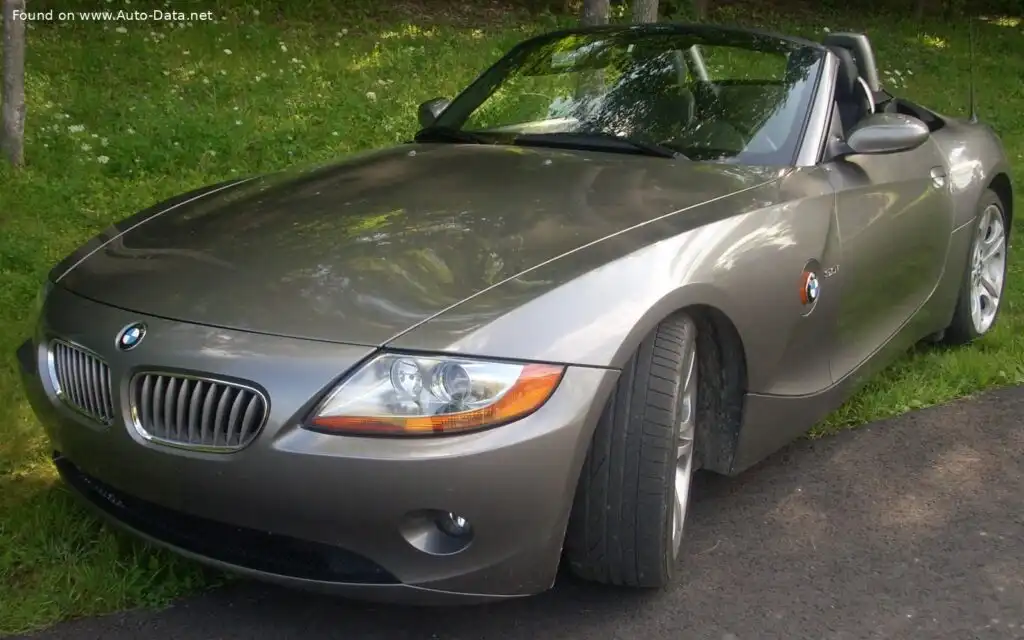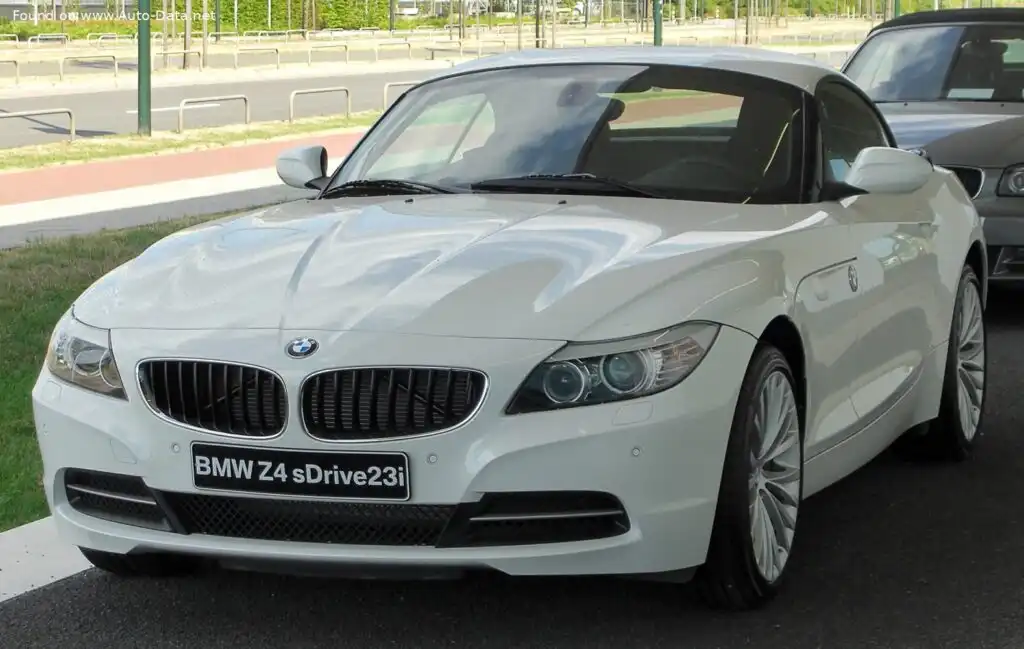
The BMW Z4 (E89) 35is, produced from 2010 to 2013, represented the performance pinnacle of the second-generation Z4 roadster. Positioned as the flagship variant, the 35is offered a significant power upgrade over the standard Z4 models, targeting enthusiasts seeking a more engaging and dynamic driving experience. It was a direct response to competitors like the Porsche Boxster and Mercedes-Benz SLK, aiming to deliver a blend of performance, luxury, and open-top motoring. The “is” designation, historically used by BMW to denote performance-oriented models, signified a substantial increase in horsepower and torque, coupled with subtle but effective chassis and aesthetic enhancements.
Technical Specifications
| Brand | BMW |
| Model | Z4 |
| Generation | Z4 (E89) |
| Type (Engine) | 35is (340 Hp) sDrive DCT |
| Start of production | 2010 |
| End of production | 2013 |
| Powertrain Architecture | Internal Combustion engine |
| Body type | Roadster |
| Seats | 2 |
| Doors | 2 |
| Fuel consumption (economy) – urban | 12.6 l/100 km (18.7 US mpg, 22.4 UK mpg, 7.9 km/l) |
| Fuel consumption (economy) – extra urban | 6.9 l/100 km (34.1 US mpg, 40.9 UK mpg, 14.5 km/l) |
| Fuel consumption (economy) – combined | 9 l/100 km (26.1 US mpg, 31.4 UK mpg, 11.1 km/l) |
| CO2 emissions | 210 g/km |
| Fuel Type | Petrol (Gasoline) |
| Acceleration 0 – 100 km/h | 4.8 sec |
| Acceleration 0 – 62 mph | 4.8 sec |
| Acceleration 0 – 60 mph | 4.6 sec |
| Maximum speed | 250 km/h (155.34 mph) |
| Weight-to-power ratio | 4.7 kg/Hp, 212.5 Hp/tonne |
| Weight-to-torque ratio | 3.6 kg/Nm, 281.3 Nm/tonne |
| Power | 340 Hp @ 5900 rpm |
| Power per litre | 114.1 Hp/l |
| Torque | 450 Nm @ 1500-4500 rpm (331.9 lb.-ft. @ 1500-4500 rpm) |
| Engine layout | Front, Longitudinal |
| Engine Model/Code | N54B30A |
| Engine displacement | 2979 cm3 (181.79 cu. in.) |
| Number of cylinders | 6 |
| Engine configuration | Inline |
| Cylinder Bore | 84 mm (3.31 in.) |
| Piston Stroke | 89.6 mm (3.53 in.) |
| Compression ratio | 10.2:1 |
| Number of valves per cylinder | 4 |
| Fuel injection system | Direct injection |
| Engine aspiration | Twin-power turbo, Intercooler |
| Engine oil capacity | 6.5 l (6.87 US qt | 5.72 UK qt) |
| Coolant | 8.2 l (8.66 US qt | 7.21 UK qt) |
| Kerb Weight | 1600 kg (3527.4 lbs.) |
| Max. weight | 1855 kg (4089.57 lbs.) |
| Max load | 255 kg (562.18 lbs.) |
| Fuel tank capacity | 55 l (14.53 US gal | 12.1 UK gal) |
| Length | 4244 mm (167.09 in.) |
| Width | 1790 mm (70.47 in.) |
| Height | 1284 mm (50.55 in.) |
| Wheelbase | 2496 mm (98.27 in.) |
| Front track | 1511 mm (59.49 in.) |
| Rear (Back) track | 1537 mm (60.51 in.) |
| Drivetrain Architecture | Rear wheel drive |
| Number of gears and type of gearbox | 7 gears, automatic transmission |
INTRODUCTION
The Z4 35is built upon the E89 Z4 platform, introduced in 2009 as a replacement for the Z4 (E85). The E89 marked a shift towards a more luxurious and grand touring-focused roadster compared to its predecessor. The 35is, launched in 2010, was the range-topping model, designed to inject a dose of performance into the lineup. It utilized the well-regarded N54 inline-six engine, previously found in the 135i and 335i models, but with revised tuning and enhancements to deliver increased power and responsiveness. The 35is was exclusively offered with BMW’s seven-speed dual-clutch transmission (DCT), further enhancing its performance credentials.
Powertrain & Engine Architecture
At the heart of the Z4 35is lies the N54B30A 3.0-liter inline-six engine. This engine is a marvel of engineering, featuring direct fuel injection, a twin-turbocharger setup, and variable valve timing (VANOS) on both the intake and exhaust camshafts. The twin-turbo system employs a smaller turbocharger for quick spool-up and reduced turbo lag, complemented by a larger turbocharger for high-end power delivery. The N54 is known for its robust construction and potential for modification, but also for its cooling system requirements. The 35is version was specifically tuned to produce 340 horsepower at 5900 rpm and 331.9 lb-ft of torque between 1500 and 4500 rpm. The seven-speed DCT transmission, a key component of the 35is, provides incredibly fast and precise gear changes, contributing significantly to the car’s acceleration and overall driving experience. It offers both fully automatic and manual shifting modes, allowing the driver to tailor the driving experience to their preferences.
Driving Characteristics
The Z4 35is delivers a thrilling driving experience. The combination of the potent N54 engine and the quick-shifting DCT results in impressive acceleration – 0 to 60 mph in around 4.6 seconds. The power delivery is remarkably linear, with minimal turbo lag, making it easy to modulate the throttle and maintain control. The chassis is well-balanced, providing a confident and engaging feel in corners. Compared to the standard Z4 models, the 35is benefits from a sport-tuned suspension, which reduces body roll and enhances handling precision. While the standard Z4 offered a more comfortable and relaxed driving experience, the 35is prioritizes performance and driver involvement. The DCT transmission, while offering convenience, can feel slightly less engaging than a traditional manual gearbox for some drivers.
Equipment & Trim Levels
The Z4 35is came generously equipped as standard. Interior features included leather upholstery, sport seats with adjustable lumbar support, automatic climate control, and a premium sound system. Standard exterior features included 18-inch alloy wheels, aerodynamic body kit, and xenon headlights. Optional extras included navigation system, park distance control, heated seats, and a retractable hardtop (which was standard on most models). The interior design was focused on a driver-centric layout, with all essential controls within easy reach. The overall ambiance was one of sporty luxury, reflecting the car’s positioning as a premium roadster.
Chassis & Braking
The Z4 35is utilized a MacPherson strut front suspension and a multi-link rear suspension. The suspension components were specifically tuned for the 35is to provide a firmer ride and improved handling. The braking system consisted of ventilated disc brakes on all four wheels, providing ample stopping power. The 35is also featured ABS (Anti-lock Braking System) and Dynamic Stability Control (DSC) as standard safety features. The chassis was reinforced in key areas to handle the increased power output of the N54 engine. The rear track was slightly wider than the standard Z4 models, further enhancing stability.
Market Reception & Comparison
The Z4 35is was generally well-received by automotive critics. It was praised for its powerful engine, responsive handling, and luxurious interior. However, some critics noted that the ride could be firm on rough roads. Compared to the standard Z4 models, the 35is offered a significant performance upgrade, but at a higher price point. It competed directly with the Porsche Boxster and Mercedes-Benz SLK, offering a compelling alternative with its blend of performance, luxury, and value. Fuel economy, while respectable for a performance roadster, was not a strong point, averaging around 26.1 US mpg in combined driving.
Legacy
The Z4 35is remains a desirable roadster in the used car market. The N54 engine, while known for potential maintenance issues (particularly related to the cooling system and fuel injectors), is a robust and capable powerplant. Regular maintenance and preventative care are crucial to ensure long-term reliability. The DCT transmission is generally reliable, but requires periodic servicing. The 35is represents a sweet spot in the E89 Z4 lineup, offering a significant performance upgrade without sacrificing too much comfort or refinement. Its combination of power, handling, and style continues to appeal to enthusiasts seeking a thrilling open-top driving experience.