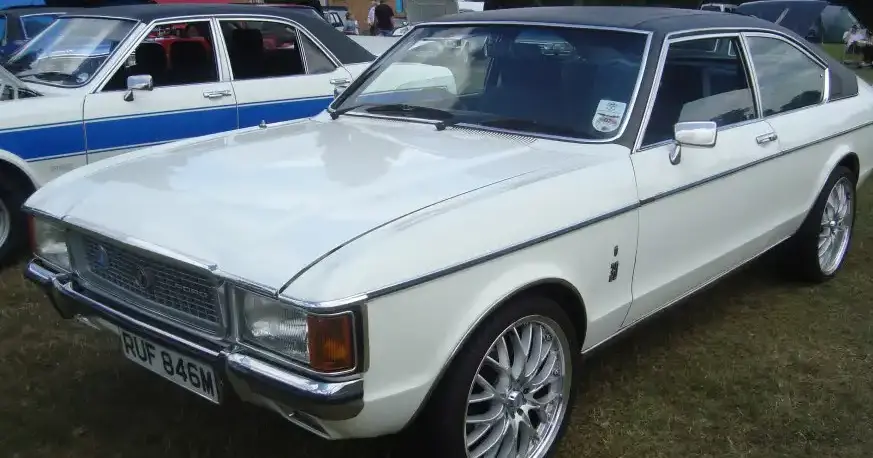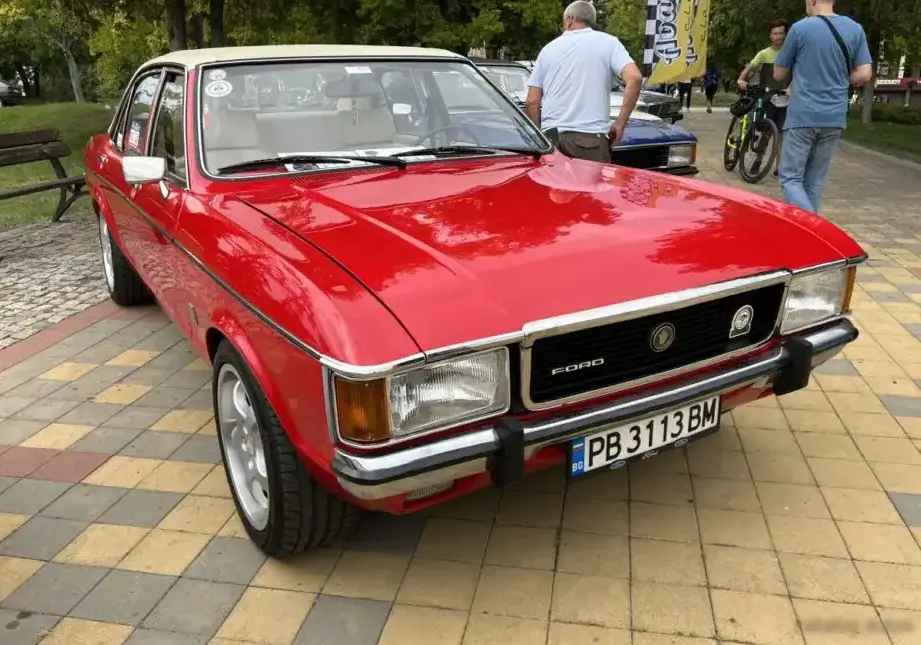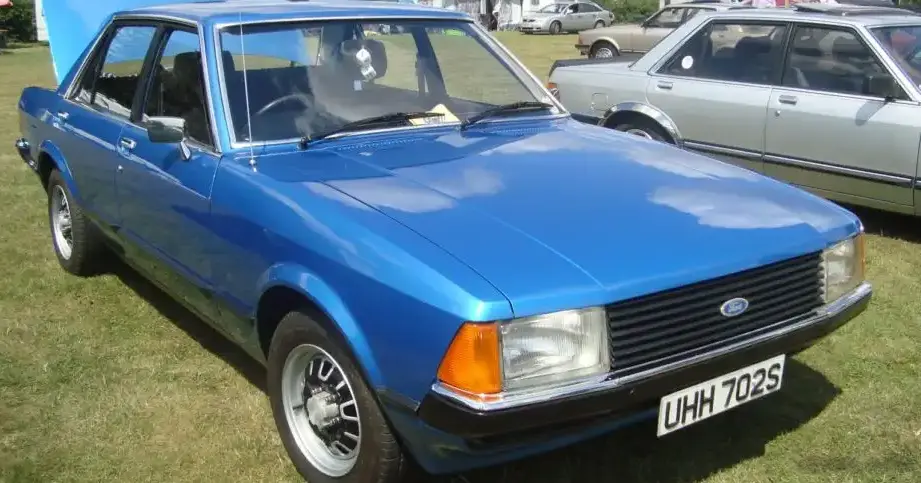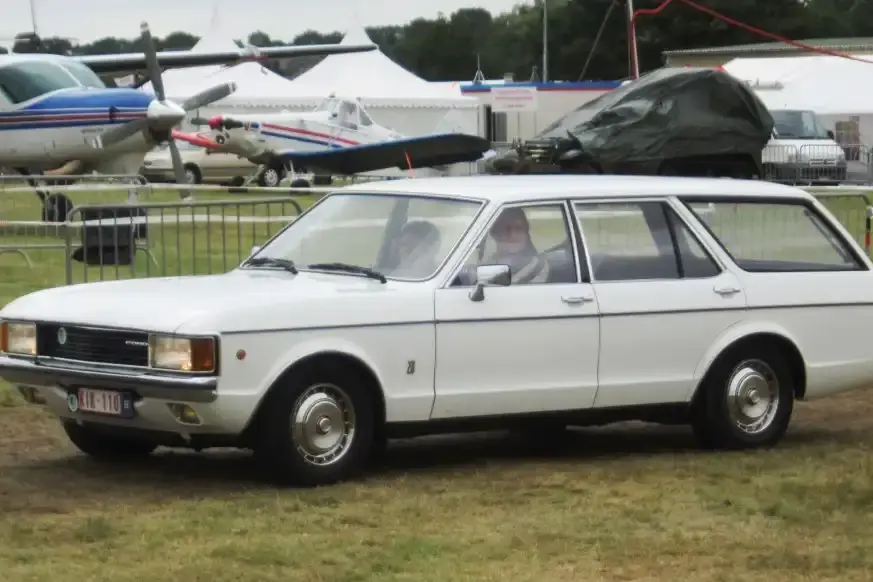
The Ford Granada Turnier 2.3, produced between 1972 and 1976, represented a significant expansion of the Granada line, offering the practicality of a station wagon (estate) body style to the traditionally executive-focused model. This variant, powered by a 2.3-liter, 107 horsepower engine, occupied a middle ground within the Granada Turnier range, providing a balance between performance, fuel economy, and affordability. It was part of the first generation of the Granada (designated GGNL), a vehicle intended to consolidate several previously disparate Ford lines into a single, modern offering for the European market. The Turnier, specifically, aimed to appeal to families and those requiring substantial cargo space without sacrificing the comfort and prestige associated with the Granada nameplate.
Technical Specifications
| Brand | Ford |
| Model | Granada |
| Generation | Granada Turnier (GGNL) |
| Type (Engine) | 2.3 (107 Hp) |
| Start of production | 1972 |
| End of production | 1976 |
| Powertrain Architecture | Internal Combustion engine |
| Body type | Station wagon (estate) |
| Fuel Type | Petrol (Gasoline) |
| Power | 107 Hp |
| Engine aspiration | Naturally aspirated engine |
Powertrain & Engine Architecture
The heart of the Granada Turnier 2.3 was the Ford Cologne engine, a four-cylinder, inline engine displacing 2.3 liters (2294 cc). This engine, designated as the 2000E, was a robust and relatively simple design, featuring a cast iron block and an aluminum cylinder head. It utilized a single overhead camshaft (SOHC) valvetrain, operating two valves per cylinder. Fuel delivery was managed by a Ford-designed carburetor, typically a Weber or Solex unit, providing adequate but not particularly sophisticated fuel atomization. The 107 horsepower output was achieved at 5,000 rpm, with peak torque of approximately 137 lb-ft (186 Nm) arriving at 3,000 rpm. While not a high-revving engine, the 2.3-liter Cologne offered a reasonable amount of low-end and mid-range torque, making it suitable for everyday driving and hauling loads. The engine was typically paired with a four-speed manual transmission, but a three-speed automatic transmission (Ford C4) was also available, and is the focus of this article. The automatic transmission, while offering convenience, did impact acceleration and fuel economy compared to the manual counterpart.
Driving Characteristics
The Granada Turnier 2.3 with the automatic transmission provided a comfortable, if not particularly sporty, driving experience. The automatic gearbox, while smooth in operation, featured relatively widely spaced gear ratios. This meant that initial acceleration from a standstill was adequate, but not brisk. The engine felt most comfortable cruising at highway speeds, where it could maintain a steady pace without excessive strain. Overtaking maneuvers required careful planning, as the transmission would need to downshift to access the engine’s limited power reserves. Compared to the larger 3.0-liter V6 versions of the Granada, the 2.3 felt noticeably less powerful, especially when fully loaded. However, it offered a significant improvement in fuel economy. The suspension, consisting of independent front suspension with MacPherson struts and a live axle with leaf springs at the rear, provided a reasonably comfortable ride, absorbing bumps and imperfections in the road surface effectively. Steering was by a recirculating ball system, offering a degree of feel but lacking the precision of more modern steering technologies.
Equipment & Trim Levels
The Granada Turnier 2.3 typically came equipped with a reasonable level of standard features for its time. These included cloth upholstery, a wood-effect dashboard trim, and basic instrumentation consisting of a speedometer, fuel gauge, and temperature gauge. Power steering and a radio were often included as standard, or available as optional extras. The Turnier’s defining feature, of course, was its spacious estate body, offering a large cargo area accessible through a rear tailgate. The rear seats could be folded down to further increase cargo capacity. Trim levels varied depending on the market, but generally, the 2.3-liter model occupied a mid-range position. Higher-spec models featured more luxurious upholstery, additional chrome trim, and more advanced features such as electric windows and central locking. Optional extras included a sunroof, air conditioning, and upgraded audio systems.
Chassis & Braking
The Granada Turnier 2.3 utilized a robust chassis designed to handle the demands of carrying passengers and cargo. The front suspension employed MacPherson struts, providing independent wheel control and a comfortable ride. The rear suspension featured a live axle with leaf springs, a traditional setup that offered good load-carrying capacity but a less refined ride compared to independent rear suspension. Braking was initially provided by disc brakes at the front and drum brakes at the rear. Later models saw the introduction of rear disc brakes on some trims, improving stopping performance. The braking system was hydraulic, with no power assistance standard on base models, though it was often included as an option. Stabilizer bars were fitted to both the front and rear axles, helping to reduce body roll during cornering.
Market Reception & Comparison
The Ford Granada Turnier 2.3 was generally well-received by critics and buyers alike. It was praised for its spaciousness, comfort, and relatively affordable price. However, the 2.3-liter engine with the automatic transmission was often criticized for its lack of outright performance, particularly when compared to the more powerful V6 versions. Fuel economy was considered reasonable for the time, but not exceptional. Compared to rivals such as the Vauxhall Cresta Estate and the Volvo 145, the Granada Turnier offered a more modern design and a higher level of refinement. The 2.3-liter engine proved to be reliable, but the automatic transmission could be prone to wear and tear if not properly maintained. The Turnier, as a whole, was seen as a practical and sensible choice for families and those needing a versatile vehicle.
Legacy
The Ford Granada Turnier 2.3, while not the most powerful or exciting variant in the Granada lineup, remains a fondly remembered classic. The Cologne engine, in its various iterations, proved to be a durable and long-lasting powerplant. Today, well-maintained examples of the Granada Turnier 2.3 are sought after by classic car enthusiasts. The automatic transmission, while requiring more diligent maintenance than the manual, can provide years of reliable service if properly cared for. The Turnier’s spacious interior and practical estate body style continue to appeal to those seeking a classic vehicle with everyday usability. Parts availability can be a challenge, but a dedicated network of classic Ford parts suppliers exists to support owners. The Granada Turnier 2.3 represents a significant chapter in Ford’s history, demonstrating the company’s commitment to providing practical and well-engineered vehicles for the European market.