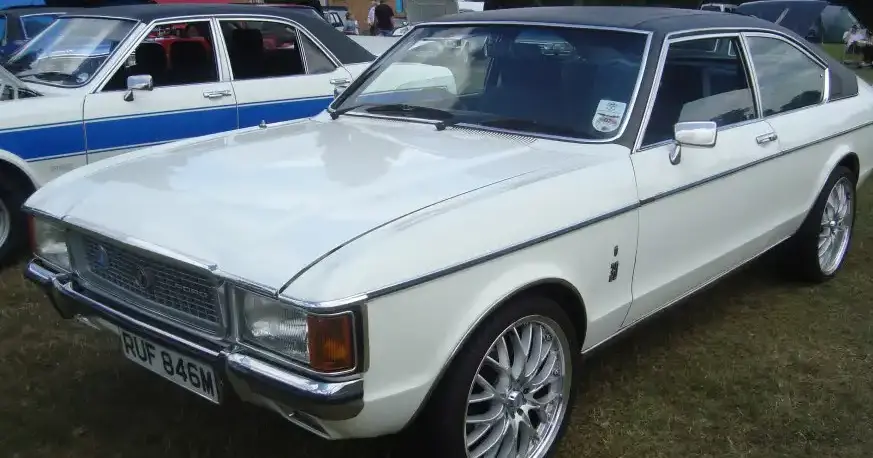
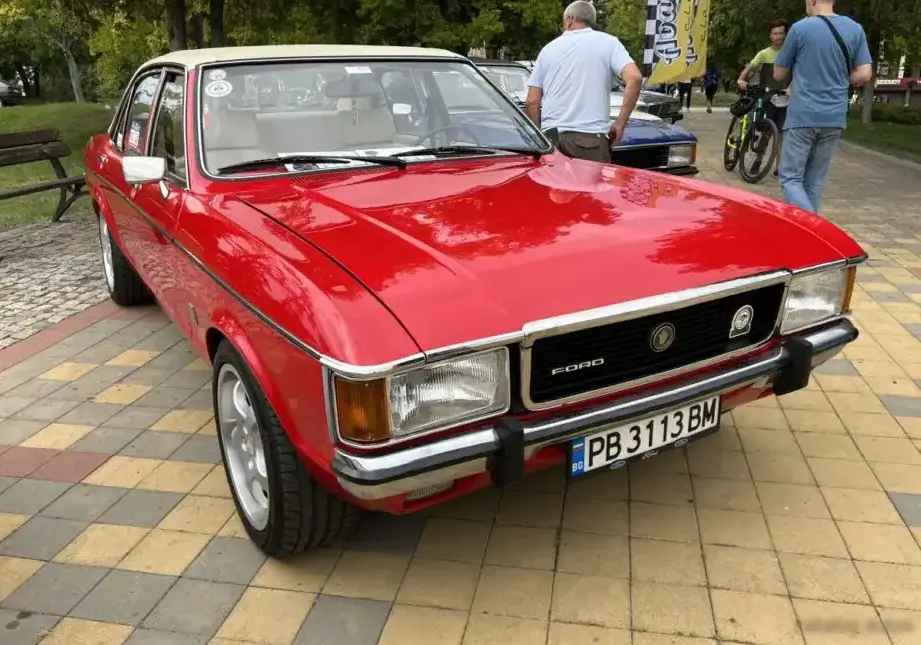
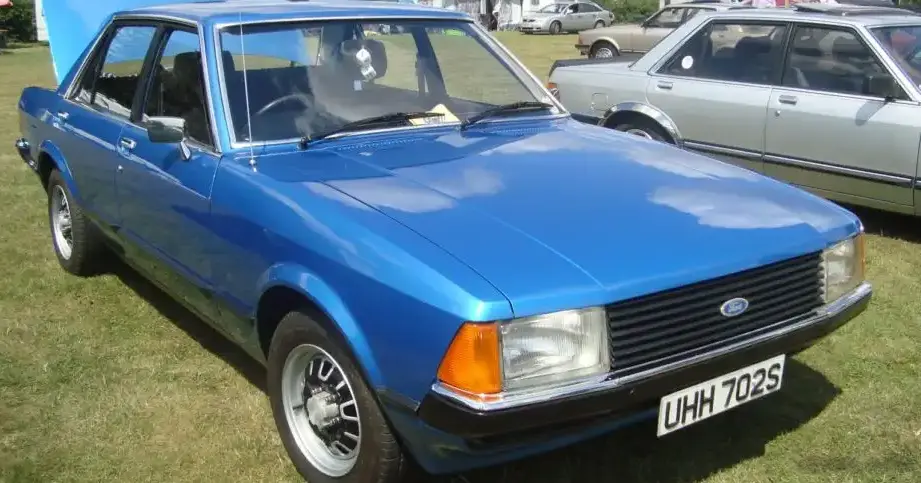
The Ford Granada Turnier 2.3, produced between 1981 and 1985, represented a practical and relatively affordable offering within the third generation (GNU) Granada lineup. Positioned as a mid-range variant, the Turnier – Ford’s designation for its station wagon or estate body style – aimed to provide family-oriented buyers with a spacious and comfortable vehicle. The 2.3-liter engine, producing 111 horsepower, offered a balance between performance and fuel economy, making it a popular choice in European markets where the Granada competed with vehicles like the Opel Commodore and Volvo 240 estate.
Technical Specifications
| Brand | Ford |
| Model | Granada |
| Generation | Granada Turnier (GNU) |
| Type (Engine) | 2.3 (111 Hp) |
| Start of production | 1981 |
| End of production | 1985 |
| Powertrain Architecture | Internal Combustion engine |
| Body type | Station wagon (estate) |
| Fuel Type | Petrol (Gasoline) |
| Power | 111 Hp |
| Engine aspiration | Naturally aspirated engine |
| Length | 4630 mm (182.28 in.) |
| Width | 1740 mm (68.5 in.) |
| Height | 1380 mm (54.33 in.) |
| Wheelbase | 2770 mm (109.06 in.) |
Powertrain & Engine Architecture
The heart of the Granada Turnier 2.3 was the Ford Cologne 2.3-liter inline-four cylinder engine. This engine, part of the Cologne engine family, was a robust and relatively simple design. It featured a cast iron block and an aluminum cylinder head, utilizing a single overhead camshaft (SOHC) valvetrain with two valves per cylinder. Fuel delivery was managed by a Bosch K-Jetronic mechanical fuel injection system, a sophisticated system for its time that offered improved fuel efficiency and reduced emissions compared to carbureted engines. The 2.3-liter engine produced 111 horsepower at 5500 rpm and 133 lb-ft of torque at 3500 rpm. The engine was typically paired with a four-speed automatic transmission, although a five-speed manual transmission was also available, though less common in the Turnier variant. The automatic transmission provided smooth shifts, prioritizing comfort over outright performance. The K-Jetronic system, while reliable, required specific maintenance and could be sensitive to fuel quality, a factor that sometimes impacted long-term reliability.
Driving Characteristics
The Granada Turnier 2.3 with the automatic transmission offered a comfortable and relaxed driving experience. Acceleration was adequate for everyday driving, with a 0-60 mph time estimated around 11-12 seconds. However, it wasn’t a particularly sporty vehicle. The automatic transmission’s gear ratios were geared towards fuel efficiency and smooth cruising, rather than rapid acceleration. The engine felt somewhat strained when pushed hard, particularly when fully loaded with passengers and luggage. Compared to the larger 2.8-liter V6 versions of the Granada, the 2.3 felt noticeably less powerful. The manual transmission version offered a more engaging driving experience, allowing the driver to better utilize the engine’s available power, but the automatic was favored by many buyers for its ease of use. The steering, while power-assisted, lacked the precision found in more modern vehicles, requiring deliberate inputs for accurate cornering. Overall, the driving experience was geared towards practicality and comfort rather than performance.
Equipment & Trim Levels
The Granada Turnier 2.3 typically came equipped with a reasonable level of standard features. Interior appointments included cloth upholstery, a basic AM/FM radio, and a heater. Power steering was often included, but air conditioning was usually an optional extra. Trim levels varied slightly depending on the market, but generally, the 2.3 Turnier occupied a mid-range position. Higher-spec models featured upgraded interior trim, including velour upholstery, electric windows, and a more sophisticated sound system. Optional extras included a sunroof, upgraded wheels, and a trip computer. The Turnier’s spacious interior and large cargo area were key selling points, making it a practical choice for families. The rear seats could be folded down to create an even larger cargo space, further enhancing its versatility. The dashboard layout was functional but somewhat dated, even for the early 1980s.
Chassis & Braking
The Granada Turnier utilized a traditional body-on-frame construction, providing a robust and durable chassis. Suspension consisted of independent front suspension with MacPherson struts and a live axle rear suspension with leaf springs. The rear suspension was often criticized for being somewhat harsh, particularly when the vehicle was unladen. Braking was initially provided by disc brakes on the front wheels and drum brakes on the rear wheels. Later models often featured disc brakes all around, improving stopping performance. Steering was power-assisted, making the car relatively easy to maneuver, despite its size. Stabilizer bars were fitted to both the front and rear axles to reduce body roll during cornering. The body-on-frame construction contributed to the car’s substantial weight, which impacted handling and fuel economy.
Market Reception & Comparison
The Ford Granada Turnier 2.3 was generally well-received by automotive critics as a practical and comfortable family car. It offered a good balance between space, comfort, and fuel economy. However, it wasn’t considered a particularly exciting vehicle to drive. Compared to the 2.8-liter V6 versions, the 2.3 offered significantly lower performance, but it also consumed less fuel. Fuel economy was a key consideration for many buyers during the early 1980s, and the 2.3 offered a noticeable improvement in this area. The Turnier also faced competition from other estate cars, such as the Opel Commodore and Volvo 240, which offered similar levels of practicality and comfort. The Granada’s relatively affordable price point made it a competitive option in its segment. The Volvo 240, in particular, was known for its exceptional durability and safety, while the Opel Commodore offered a more sporty driving experience.
Legacy
The Ford Granada Turnier 2.3 has developed a modest following among classic car enthusiasts. The Cologne 2.3-liter engine is known for its durability and relative simplicity, making it relatively easy to maintain. However, parts availability can be a challenge, particularly for specific trim components. The automatic transmission, while reliable, can be prone to wear and tear over time. Today, well-maintained examples of the Granada Turnier 2.3 are becoming increasingly rare, and values are slowly appreciating. The car represents a significant piece of Ford’s history, showcasing the company’s commitment to building practical and comfortable family vehicles. It remains a testament to a time when station wagons were a popular and essential part of the automotive landscape. The Turnier’s spaciousness and practicality continue to appeal to those seeking a classic family car with a touch of retro charm. Finding a rust-free example is a major concern for potential buyers, as corrosion was a common issue with these vehicles.