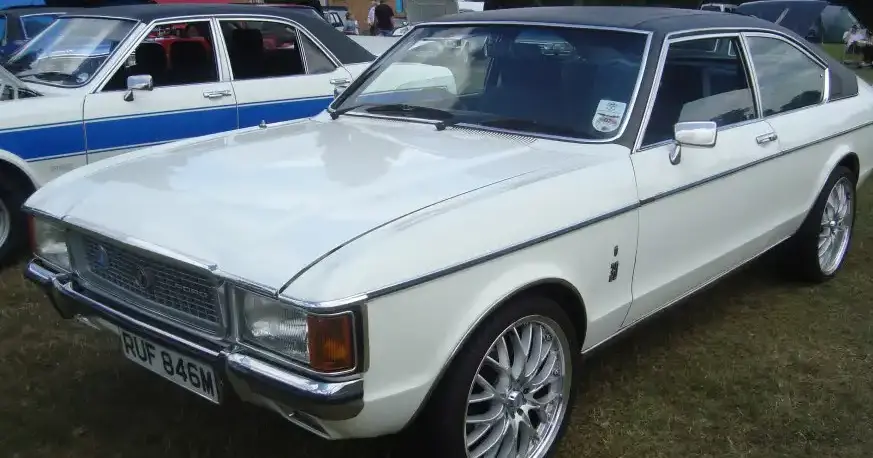
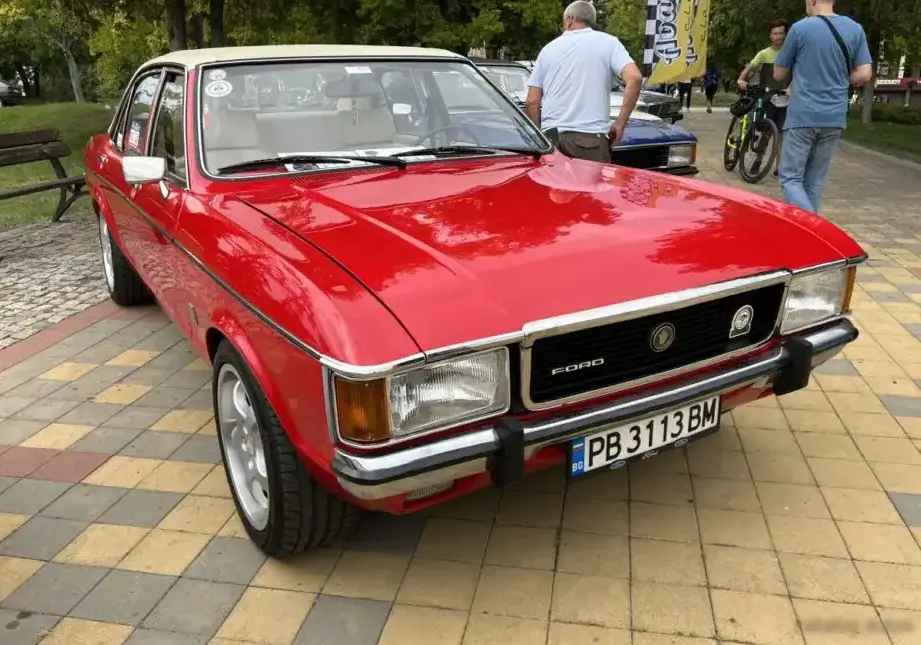
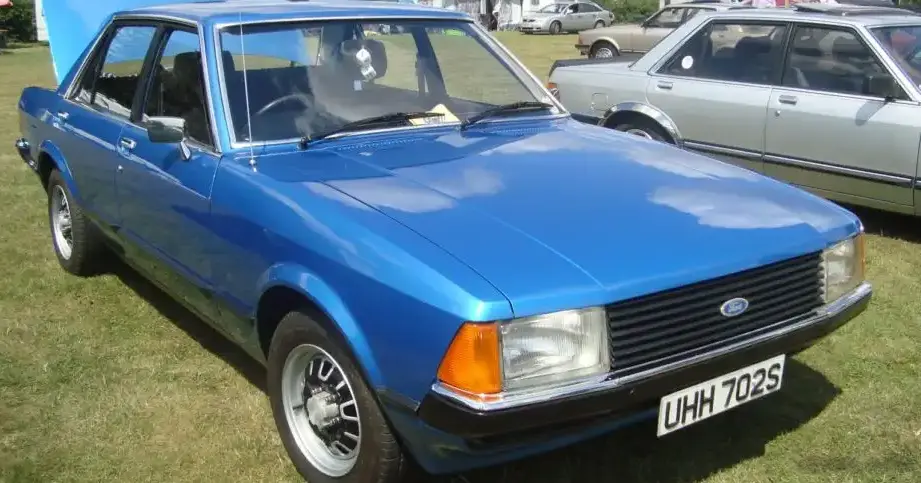
The Ford Granada Turnier 2.8, produced between 1981 and 1985, represented the top-of-the-line variant of the GNU generation Granada estate car. Positioned as a premium family vehicle, the Turnier (estate) body style offered increased practicality compared to the saloon, while the 2.8-liter engine provided a significant performance upgrade over the lower-capacity models. This version aimed to combine spaciousness, comfort, and respectable performance for long-distance family motoring, primarily targeting the UK and European markets where large estates were popular. It was the final iteration of the Granada before a significant redesign in 1985.
Technical Specifications
| Brand | Ford |
| Model | Granada |
| Generation | Granada Turnier (GNU) |
| Type (Engine) | 2.8 (132 Hp) |
| Start of production | 1981 |
| End of production | 1985 |
| Powertrain Architecture | Internal Combustion engine |
| Body type | Station wagon (estate) |
| Fuel Type | Petrol (Gasoline) |
| Power | 132 Hp |
| Engine aspiration | Naturally aspirated engine |
| Length | 4630 mm (182.28 in.) |
| Width | 1740 mm (68.5 in.) |
| Height | 1380 mm (54.33 in.) |
| Wheelbase | 2770 mm (109.06 in.) |
Powertrain & Engine Architecture
The heart of the Granada Turnier 2.8 was the Ford Cologne V6 engine, specifically the 2792cc (170.1 cubic inch) version. This engine, designated as the ‘Cologne 2.8’, was a 60-degree V6, known for its relatively smooth operation and durability. It featured a cast iron block and aluminum cylinder heads. Fuel delivery was managed by a Bosch K-Jetronic mechanical fuel injection system, a sophisticated setup for the time, offering improved fuel efficiency and reduced emissions compared to carbureted engines. The engine produced 132 horsepower (98 kW) at 5500 rpm and 198 lb-ft (268 Nm) of torque at 3500 rpm. The engine was typically paired with a four-speed automatic transmission, although a five-speed manual was also available, though less common in the Turnier variant. The automatic transmission, a Ford-built unit, was designed for smooth shifting and comfortable cruising, prioritizing ease of use over outright performance.
Driving Characteristics
The 2.8-liter engine provided a noticeable performance advantage over the four-cylinder Granadas. While not a sports car, the Turnier 2.8 offered brisk acceleration and comfortable highway cruising. The automatic transmission, while smooth, did result in some power loss compared to the manual version. Gear ratios were geared towards relaxed touring, with a focus on mid-range torque rather than high-revving power. The Turnier’s weight, inherent to its estate body style, meant that it wasn’t particularly nimble in corners, but the suspension provided a comfortable ride, absorbing bumps and imperfections in the road well. The steering was power-assisted, making maneuvering at low speeds relatively easy, but lacked significant feedback.
Equipment & Trim Levels
The Granada Turnier 2.8 typically came well-equipped, reflecting its position as the premium variant. Standard features included central locking, electric windows, a sunroof (often optional), and a high-quality interior trim. Upholstery was typically cloth, but leather options were available. The dashboard featured woodgrain trim and a comprehensive instrument cluster. Optional extras included air conditioning, a stereo system, and upgraded wheels. The Turnier trim also included roof rails for carrying luggage or other items, enhancing its practicality. The interior was designed with comfort in mind, offering ample space for passengers and luggage.
Chassis & Braking
The Granada Turnier 2.8 utilized a traditional body-on-frame construction, providing a robust and durable chassis. The front suspension consisted of independent MacPherson struts, while the rear suspension employed a live axle with leaf springs. Braking was initially provided by disc brakes on the front wheels and drum brakes on the rear, although later models often featured disc brakes all around. Power steering was standard. Stabilizer bars were fitted to both the front and rear axles to reduce body roll during cornering. The braking system, while adequate for the vehicle’s weight and performance, wasn’t particularly powerful by modern standards.
Market Reception & Comparison
The Ford Granada Turnier 2.8 was generally well-received by critics and buyers alike. It was praised for its spaciousness, comfort, and the performance offered by the V6 engine. However, some critics noted the car’s relatively high price and its somewhat dated design compared to more modern estates. Compared to the lower-capacity Granada models, the 2.8 offered a significant performance boost, but at the cost of increased fuel consumption. Compared to rivals such as the Vauxhall/Opel Commodore Estate and the Volvo 245, the Granada Turnier 2.8 offered a good balance of practicality, comfort, and performance, though the Volvo was often considered more durable and the Commodore offered a more powerful engine option. Fuel economy was typically in the range of 18-22 mpg (US gallons), depending on driving conditions.
Legacy
The Ford Granada Turnier 2.8, while now a classic car, remains a relatively reliable vehicle when properly maintained. The Cologne V6 engine is known for its durability, and parts availability is generally good. However, like all cars of this era, it is susceptible to rust, particularly in areas exposed to salt. The automatic transmission, if not serviced regularly, can be prone to issues. Today, the Granada Turnier 2.8 is sought after by classic car enthusiasts who appreciate its spaciousness, comfort, and distinctive styling. It represents a bygone era of large, comfortable family cars, and its enduring appeal lies in its blend of practicality and classic British/German engineering. Well-maintained examples command a reasonable price in the used car market, reflecting their growing popularity among collectors.