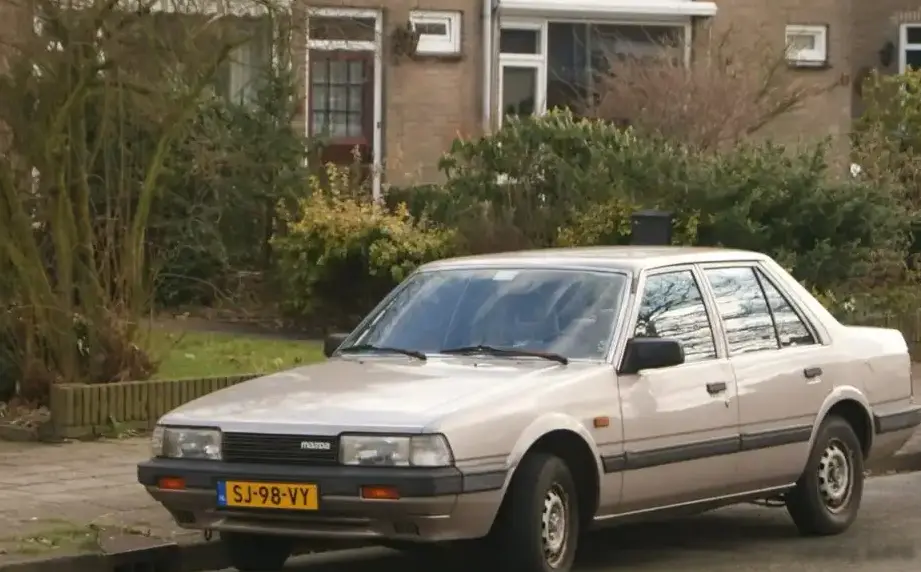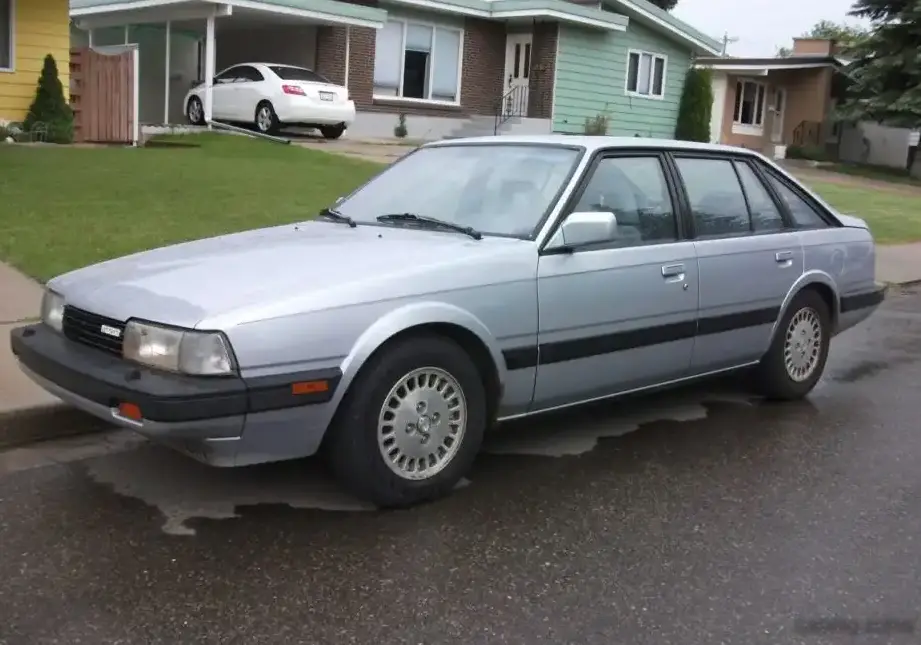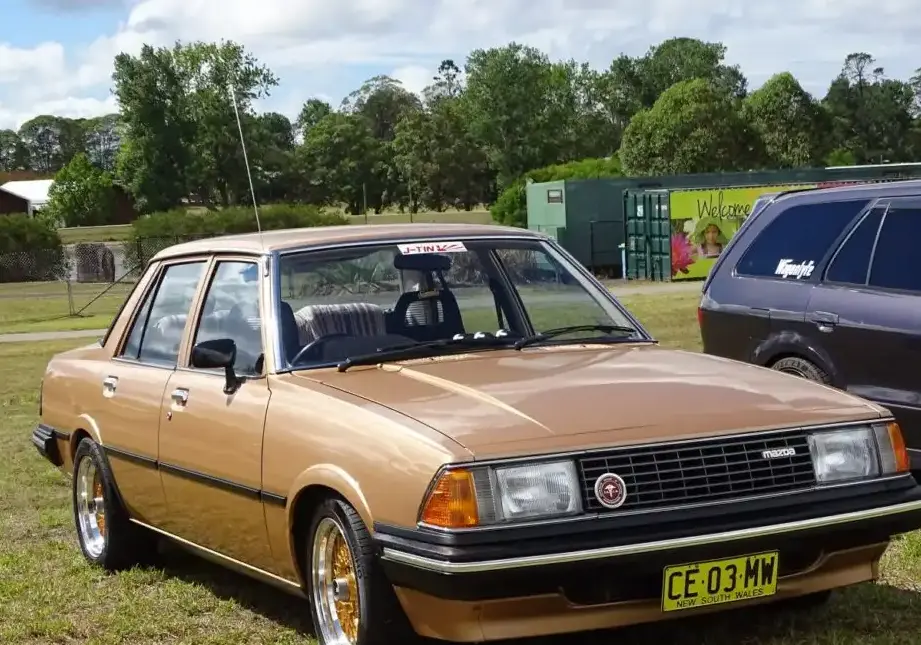
The Mazda 626 I (CB) 2.0, produced between 1979 and 1982, marked Mazda’s initial foray into the mid-size sedan segment. This first-generation 626, internally designated chassis code CB, was a pivotal vehicle for the company, aiming to deliver a comfortable, reliable family car with a touch of sporty styling. The 2.0-liter, 90 horsepower variant occupied a middle ground within the 626 lineup, balancing performance and affordability. It was positioned above the smaller-engined models and below any potentially available higher-specification trims, appealing to buyers seeking a reasonably equipped and efficient sedan.
Technical Specifications
| Brand | Mazda |
| Model | 626 |
| Generation | 626 I (CB) |
| Type (Engine) | 2.0 (90 Hp) |
| Start of production | 1979 |
| End of production | 1982 |
| Powertrain Architecture | Internal Combustion engine |
| Body type | Sedan |
| Seats | 5 |
| Doors | 4 |
| Fuel Type | Petrol (Gasoline) |
| Weight-to-power ratio | 11.8 kg/Hp, 84.9 Hp/tonne |
| Weight-to-torque ratio | 6.8 kg/Nm, 147.2 Nm/tonne |
| Power | 90 Hp @ 4800 rpm |
| Power per litre | 45.7 Hp/l |
| Torque | 156 Nm @ 2500 rpm (115.06 lb.-ft. @ 2500 rpm) |
| Engine layout | Front, Longitudinal |
| Engine displacement | 1970 cm3 (120.22 cu. in.) |
| Number of cylinders | 4 |
| Engine configuration | Inline |
| Cylinder Bore | 80 mm (3.15 in.) |
| Piston Stroke | 98 mm (3.86 in.) |
| Compression ratio | 8.2:1 |
| Number of valves per cylinder | 2 |
| Fuel injection system | Carburettor |
| Engine aspiration | Naturally aspirated engine |
| Valvetrain | SOHC |
| Engine oil capacity | 3.9 l (4.12 US qt | 3.43 UK qt) |
| Coolant | 7.5 l (7.93 US qt | 6.6 UK qt) |
| Kerb Weight | 1060 kg (2336.9 lbs.) |
| Fuel tank capacity | 55 l (14.53 US gal | 12.1 UK gal) |
| Length | 4305 mm (169.49 in.) |
| Width | 1660 mm (65.35 in.) |
| Height | 1370 mm (53.94 in.) |
| Wheelbase | 2510 mm (98.82 in.) |
| Front track | 1370 mm (53.94 in.) |
| Rear (Back) track | 1380 mm (54.33 in.) |
| Minimum turning circle | 9.7 m (31.82 ft.) |
| Drivetrain Architecture | The Internal combustion engine (ICE) drives the rear wheels of the vehicle. |
| Drive wheel | Rear wheel drive |
| Number of gears and type of gearbox | 5 gears, manual transmission |
| Front suspension | Independent, type McPherson with coil spring and anti-roll bar |
| Rear suspension | Torsion |
| Front brakes | Disc, 231 mm |
| Steering type | Cone worm with recirculation balls |
| Tires size | Front wheel tires: 185/70 R13Rear wheel tires: 185/70 R13 |
| Wheel rims size | Front wheel rims: 5.5J x 13Rear wheel rims: 5.5J x 13 |
Powertrain & Engine Architecture
The 626 2.0’s powerplant was Mazda’s FE inline-four cylinder engine. Displacing 1970cc, this engine featured a single overhead camshaft (SOHC) valvetrain with two valves per cylinder. Fuel delivery was handled by a carburetor, a common feature for vehicles of the late 1970s and early 1980s. The engine produced 90 horsepower at 4800 rpm and 156 Nm (115.06 lb-ft) of torque at 2500 rpm. The engine was mounted longitudinally in the front of the vehicle, powering the rear wheels. A 5-speed manual transmission was the standard offering, providing the driver with a reasonable degree of control. The engine’s design emphasized reliability and fuel economy over peak performance, aligning with the needs of its target demographic.
Driving Characteristics
The 626 2.0 with the 5-speed manual transmission delivered a driving experience typical of a mid-size sedan from the early 1980s. Acceleration was adequate for everyday driving, though not particularly quick. The engine’s torque peak at 2500 rpm provided reasonable responsiveness in normal driving situations. The manual gearbox allowed for driver engagement, but the gear ratios were tuned for economy rather than sporty performance. Compared to any potentially available higher-output versions, the 2.0-liter engine lacked the punch for more spirited driving. However, it offered a smoother and more refined experience than the smaller-displacement engines in the lineup. The rear-wheel drive configuration provided a balanced feel, though it wasn’t particularly dynamic.
Equipment & Trim Levels
The 626 2.0 generally came equipped with a standard set of features for its time. This included cloth upholstery, basic instrumentation consisting of a speedometer, fuel gauge, and temperature gauge, and a four-spoke steering wheel. Optional extras could include a radio, upgraded interior trim, and potentially air conditioning, depending on the specific market. The trim level of the 2.0-liter model was generally considered mid-range, offering a step up in comfort and features from the base models, but lacking the luxury appointments of any higher-end trims that might have been offered.
Chassis & Braking
The 626 I (CB) employed a conventional chassis design for its era. The front suspension utilized an independent McPherson strut setup with coil springs and an anti-roll bar, providing a reasonable balance of ride comfort and handling. The rear suspension was a simpler torsion beam arrangement. Braking was accomplished with disc brakes on the front wheels and drum brakes on the rear. The steering system was a cone worm type with recirculation balls, resulting in a somewhat indirect steering feel. The standard tire size was 185/70 R13, providing adequate grip for typical driving conditions.
Market Reception & Comparison
The Mazda 626 I (CB) 2.0 was generally well-received by automotive critics as a practical and reliable family sedan. It was praised for its comfortable ride, decent fuel economy, and relatively spacious interior. However, critics also noted the engine’s lack of significant power and the somewhat uninspired handling. Compared to competitors like the Toyota Corolla and Honda Accord, the 626 offered a slightly more stylish design and a more comfortable interior, but it didn’t quite match the reputation for exceptional reliability of its Japanese rivals. The 2.0-liter engine struck a good balance between performance and fuel economy, making it a popular choice for buyers prioritizing practicality over outright speed.
Legacy
The Mazda 626 I (CB) 2.0, while not a revolutionary vehicle, played a significant role in establishing Mazda as a viable competitor in the mid-size sedan market. The FE engine proved to be reasonably durable, and many examples remain on the road today, often as classic or enthusiast vehicles. The 626 laid the groundwork for future generations of Mazda’s popular sedan, which would become a mainstay of the brand’s lineup. In the current used car market, the 626 I (CB) 2.0 is often sought after by enthusiasts looking for a classic Japanese sedan that is relatively easy to maintain and offers a unique driving experience. Its simplicity and robust design make it a rewarding project for those interested in classic car restoration and maintenance.