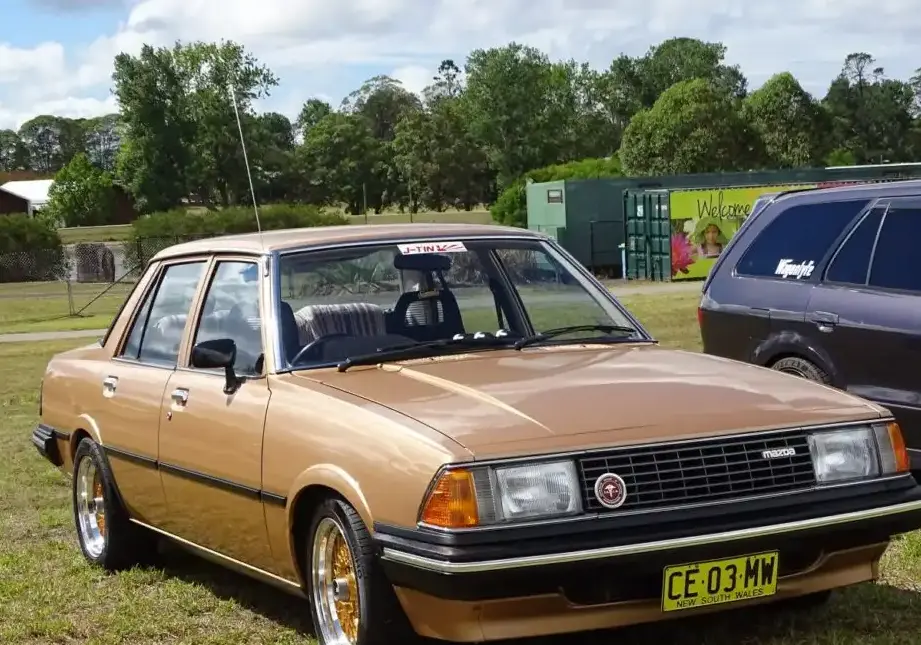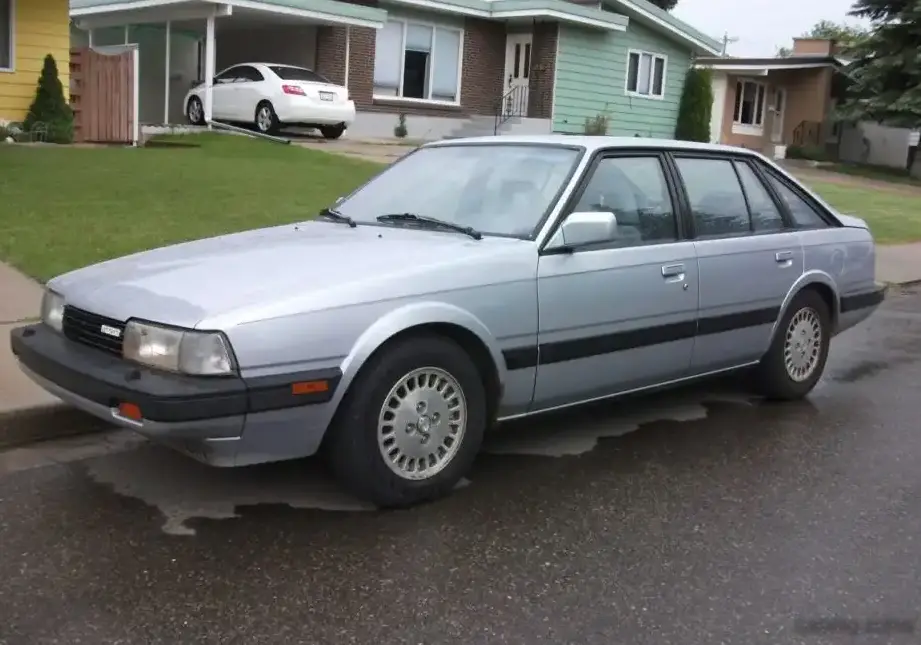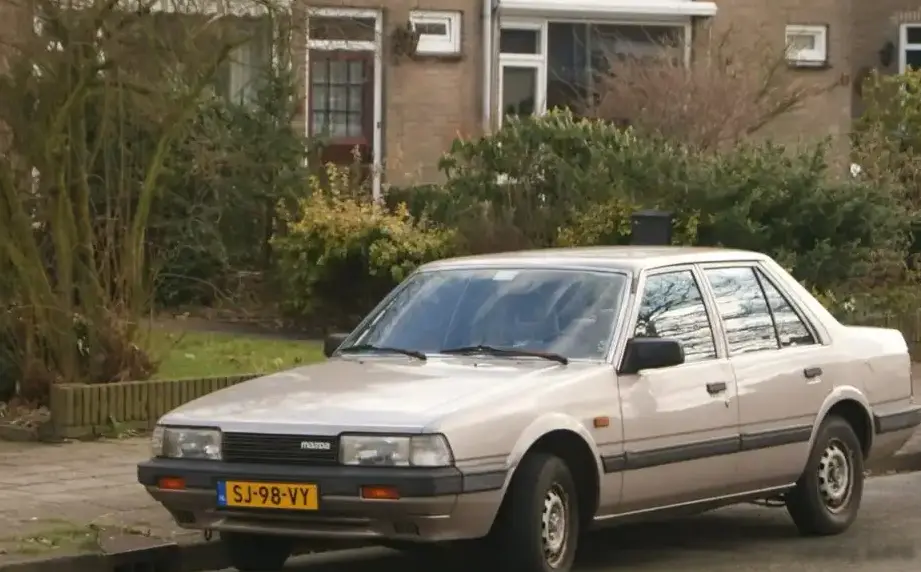
The Mazda 626 II (GC) 2.0, produced between 1983 and 1987, represented a significant step forward for Mazda in the mid-size sedan segment. Falling within the second generation of the 626, designated the GC platform, this variant was positioned as a mainstream offering, balancing affordability with reasonable performance and practicality. It served as a key model for Mazda, particularly in North American and European markets, where the demand for fuel-efficient and comfortable family sedans was growing. The 2.0-liter engine, producing 101 horsepower, was a popular choice, offering a compromise between the base engine and the more expensive, higher-performance options.
Technical Specifications
| Brand | Mazda |
| Model | 626 |
| Generation | 626 II (GC) |
| Type (Engine) | 2.0 (101 Hp) |
| Start of production | 1983 |
| End of production | 1987 |
| Powertrain Architecture | Internal Combustion engine |
| Body type | Sedan |
| Seats | 5 |
| Fuel consumption (urban) | 10.2 l/100 km (23.1 US mpg, 27.7 UK mpg, 9.8 km/l) |
| Fuel consumption (extra urban) | 7 l/100 km (33.6 US mpg, 40.4 UK mpg, 14.3 km/l) |
| Fuel consumption (combined) | 8.8 l/100 km (26.7 US mpg, 32.1 UK mpg, 11.4 km/l) |
| Fuel Type | Petrol (Gasoline) |
| Acceleration 0 – 100 km/h | 10.7 sec |
| Acceleration 0 – 62 mph | 10.7 sec |
| Acceleration 0 – 60 mph | 10.2 sec |
| Maximum speed | 185 km/h (114.95 mph) |
| Weight-to-power ratio | 11.8 kg/Hp, 84.9 Hp/tonne |
| Weight-to-torque ratio | 7.7 kg/Nm, 130.3 Nm/tonne |
| Power | 101 Hp @ 5600 rpm |
| Power per litre | 50.6 Hp/l |
| Torque | 155 Nm (114.32 lb.-ft.) |
| Engine layout | Front, Transverse |
| Engine Model/Code | FE |
| Engine displacement | 1998 cm3 (121.93 cu. in.) |
| Number of cylinders | 4 |
| Engine configuration | Inline |
| Cylinder Bore | 86 mm (3.39 in.) |
| Piston Stroke | 86 mm (3.39 in.) |
| Compression ratio | 8.6:1 |
| Number of valves per cylinder | 2 |
| Fuel injection system | Carburettor |
| Engine aspiration | Naturally aspirated |
| Kerb Weight | 1190 kg (2623.5 lbs.) |
| Max. weight | 1550 kg (3417.17 lbs.) |
| Max load | 360 kg (793.66 lbs.) |
| Fuel tank capacity | 50 l (13.21 US gal, 11 UK gal) |
| Wheelbase | 2510 mm (98.82 in.) |
| Front track | 1429 mm (56.26 in.) |
| Rear track | 1424 mm (56.06 in.) |
| Minimum turning circle | 11 m (36.09 ft.) |
| Drivetrain Architecture | Front wheel drive |
| Drive wheel | Front wheel drive |
| Number of gears | 5 gears, manual transmission |
| Front suspension | Independent type McPherson |
| Rear suspension | McPherson |
| Front brakes | Ventilated discs |
| Rear brakes | Drum |
| Steering type | Steering rack and pinion |
| Power steering | Hydraulic Steering |
| Tires size | 185/70 R14 |
| Wheel rims size | 5.5J x 14 |
Powertrain & Engine Architecture
The heart of the 626 II 2.0 was the Mazda FE engine, a 1.998-liter inline-four cylinder gasoline engine. This engine utilized a cast iron block and an aluminum cylinder head. The FE engine was notable for its relatively simple design, relying on a carburetor for fuel delivery – a common practice for the time, though fuel injection was beginning to gain traction. The engine featured a single overhead camshaft (SOHC) operating two valves per cylinder. The 101 horsepower output at 5600 rpm and 155 Nm (114 lb-ft) of torque provided adequate, if not exhilarating, performance for everyday driving. The engine’s transverse mounting within the front-wheel-drive configuration contributed to efficient packaging. The standard transmission for this variant was a five-speed manual, although a three-speed automatic transmission was also offered, impacting performance and fuel economy.
Driving Characteristics
The 626 II 2.0 with the five-speed manual transmission offered a reasonably engaging driving experience. Acceleration to 60 mph took around 10.2 seconds, and top speed was approximately 115 mph. The engine felt responsive enough for merging onto highways and passing slower traffic, but it wasn’t particularly powerful. The automatic transmission version, while offering convenience, noticeably reduced performance and increased fuel consumption. The gear ratios were tuned for economy rather than outright acceleration. Handling was generally considered safe and predictable, thanks to the McPherson strut suspension on all four wheels. However, it wasn’t a particularly sporty car, prioritizing comfort over dynamic handling.
Equipment & Trim Levels
The 626 II 2.0 typically came standard with features considered essential for a mid-size family sedan in the 1980s. These included cloth upholstery, a basic AM/FM radio, and manual windows and locks. Higher trim levels, often denoted by “LX” or “GL” designations, added features such as power windows, power locks, a more sophisticated stereo system, and upgraded interior trim. Optional extras included a sunroof, cruise control, and air conditioning. The interior design was functional and straightforward, prioritizing usability over luxury.
Chassis & Braking
The 626 II utilized a front-wheel-drive layout with an independent McPherson strut suspension in the front and a McPherson strut suspension in the rear. This setup provided a comfortable ride, absorbing bumps and irregularities in the road surface effectively. Braking consisted of ventilated discs on the front wheels and drum brakes on the rear. While adequate for normal driving conditions, the rear drum brakes were a cost-saving measure and didn’t offer the same stopping power as disc brakes on all four wheels. The steering was rack-and-pinion, providing reasonably precise control, and hydraulic power steering was standard, making maneuvering easier, especially at low speeds.
Market Reception & Comparison
The Mazda 626 II 2.0 was generally well-received by automotive critics as a practical and reliable family sedan. It offered a good balance of features, fuel economy, and price. Compared to its competitors, such as the Toyota Camry and Honda Accord, the 626 was often praised for its stylish design and comfortable ride. However, some critics noted that the engine lacked the refinement and power of some of its rivals. The automatic transmission version was often criticized for its sluggish performance. Fuel economy was respectable for the time, averaging around 27 mpg in combined driving.
Legacy
The Mazda 626 II 2.0, while not a particularly groundbreaking vehicle, played an important role in establishing Mazda as a reputable manufacturer of reliable and affordable automobiles. The FE engine, while simple, proved to be durable and relatively easy to maintain. Today, well-maintained examples of the 626 II 2.0 are becoming increasingly rare, appealing to collectors and enthusiasts seeking a nostalgic glimpse into the automotive past. The powertrain, while not known for exceptional longevity, generally held up well with regular maintenance, and parts availability remains reasonable. The 626 II 2.0 represents a solid, dependable, and representative example of 1980s Japanese automotive engineering.