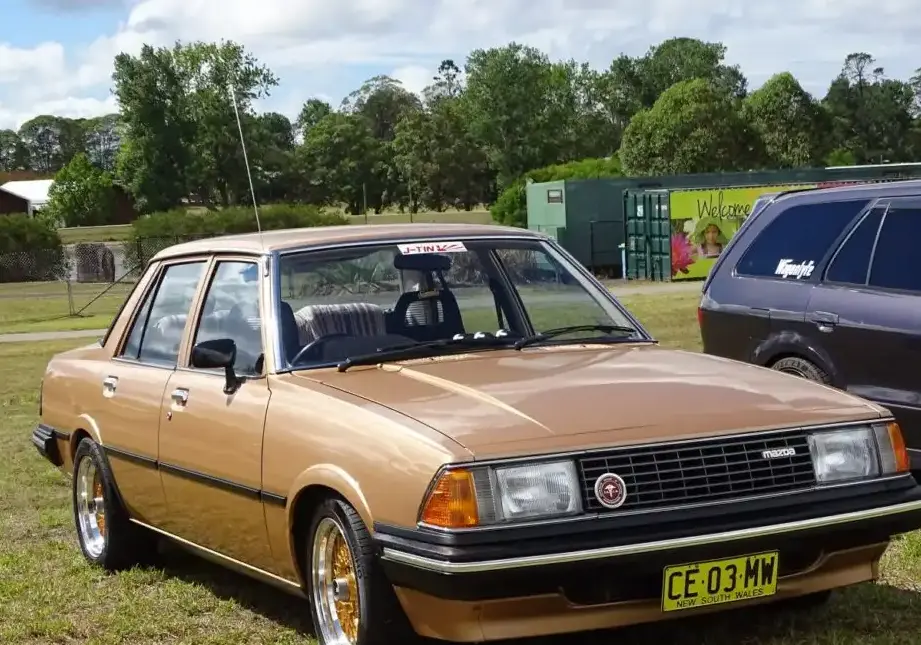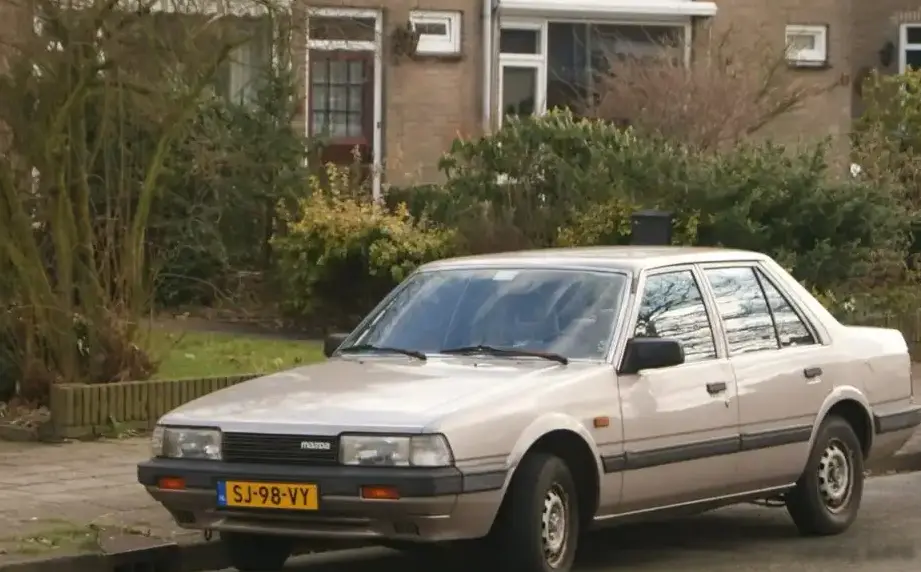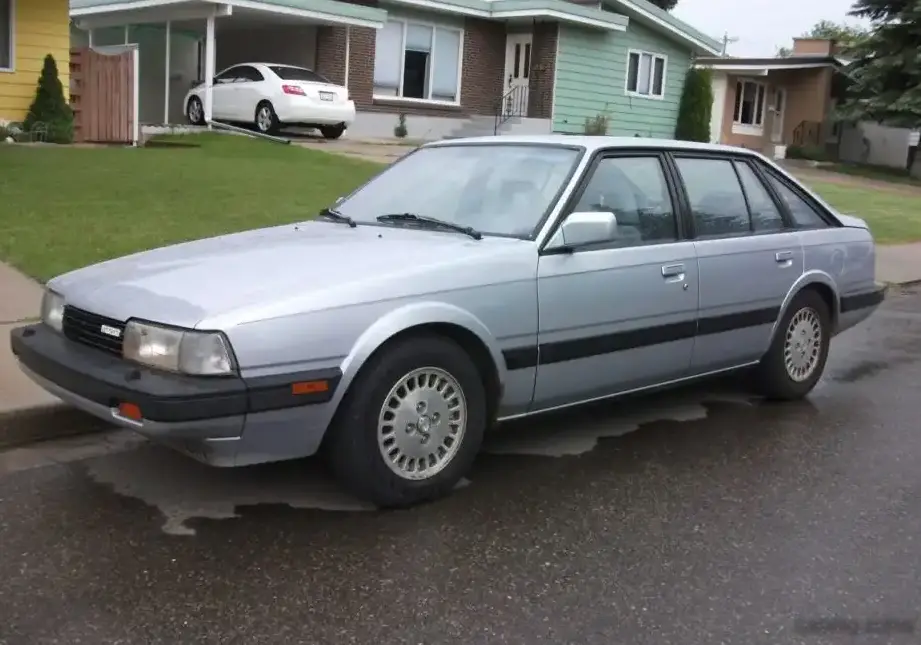
The Mazda 626 II Hatchback, specifically the 1.6-liter (80 horsepower) variant produced between 1983 and 1987 (chassis code GC), represented a significant step forward for Mazda in the mid-size family car segment. This model, part of the broader 626 second generation, offered a practical and relatively affordable option for buyers seeking a spacious hatchback with Mazda’s reputation for reliability. Positioned as the entry-level engine option within the 626 range, it catered to drivers prioritizing fuel economy and everyday usability over outright performance. The GC series 626 was a key model for Mazda, helping to establish the brand’s presence in the increasingly competitive North American and European markets, though its primary sales volume remained in Japan and Australia.
Technical Specifications
| Brand | Mazda |
| Model | 626 |
| Generation | 626 II Hatchback (GC) |
| Type (Engine) | 1.6 (80 Hp) |
| Start of production | 1983 |
| End of production | 1987 |
| Powertrain Architecture | Internal Combustion engine |
| Body type | Hatchback |
| Fuel Type | Petrol (Gasoline) |
| Power | 80 Hp |
| Engine aspiration | Naturally aspirated engine |
Powertrain & Engine Architecture
The heart of the 626 II 1.6 was the Mazda FE engine, a 1.6-liter (1586 cc) inline-four cylinder gasoline engine. This engine utilized a cast iron block and an aluminum cylinder head, a common configuration for the era. The FE engine featured a single overhead camshaft (SOHC) design operating two valves per cylinder. Fuel delivery was managed by a carburetor, specifically the Hitachi or Mikuni type, depending on the market. While not as sophisticated as fuel injection systems becoming available on some competing models, the carburetor provided adequate fuel atomization for the engine’s modest power output. The engine’s compression ratio was typically around 8.8:1. The 80 horsepower peak was achieved at approximately 6000 rpm, with a torque output of around 98 lb-ft (133 Nm) at 3000 rpm.
The 1.6-liter engine was typically paired with a four-speed automatic transmission. This transmission was a conventional hydraulic automatic, offering smooth but not particularly quick shifts. Manual transmission options were also available in some markets, offering a more engaging driving experience and slightly improved fuel economy. The automatic transmission was geared towards comfortable cruising rather than sporty acceleration.
Driving Characteristics
The 626 II 1.6 Automatic offered a comfortable, if uninspiring, driving experience. Acceleration was adequate for everyday driving, but overtaking maneuvers required careful planning. The automatic transmission’s gear ratios were optimized for fuel efficiency and smooth operation, resulting in a relatively relaxed driving style. The 0-60 mph time was estimated to be around 13-15 seconds, placing it behind more powerful variants of the 626 and its competitors. The engine’s torque curve was relatively flat, providing usable power across a reasonable rev range, but it lacked the punch of larger displacement engines. Steering was light and easy, making it well-suited for urban driving. The suspension, while not particularly sophisticated, provided a comfortable ride on most road surfaces.
Compared to the 2.0-liter versions of the 626, the 1.6-liter model felt noticeably slower and less refined. The larger engine offered significantly more power and torque, resulting in quicker acceleration and more confident overtaking. However, the 1.6-liter version excelled in fuel economy, making it a popular choice for drivers who prioritized cost savings.
Equipment & Trim Levels
The 626 II 1.6 typically came with a fairly basic level of equipment, reflecting its position as the entry-level model. Standard features generally included cloth upholstery, a basic AM/FM radio, and manual windows and door locks. Air conditioning was often an optional extra, as were power windows and central locking. Interior trim was typically functional and durable, with a focus on practicality rather than luxury. Dashboard design was relatively simple, with clearly labeled controls. The hatchback body style offered a generous amount of cargo space, making it a practical choice for families.
Higher trim levels of the 626 II, such as the LX or GLX, offered additional features like upgraded upholstery, alloy wheels, and a more comprehensive audio system. These trims were typically equipped with the larger 2.0-liter engine as well.
Chassis & Braking
The 626 II Hatchback utilized a front-engine, front-wheel-drive layout. The suspension consisted of MacPherson struts at the front and a twist-beam axle at the rear. This suspension setup provided a reasonable balance between ride comfort and handling. Steering was rack-and-pinion, offering precise and responsive control.
Braking on the 1.6-liter model typically consisted of disc brakes at the front and drum brakes at the rear. This configuration was common for cars in this price range during the 1980s. Power assistance was standard, providing adequate stopping power for everyday driving. Anti-lock brakes (ABS) were not typically available on the 1.6-liter model, but were offered on some higher trim levels.
Market Reception & Comparison
The Mazda 626 II 1.6 was generally well-received by critics as a practical and reliable family car. It was praised for its spacious interior, comfortable ride, and fuel efficiency. However, it was also criticized for its lack of performance and relatively basic equipment level. Compared to competitors like the Toyota Camry and Honda Accord, the 626 II 1.6 offered a similar level of practicality and reliability, but often at a slightly lower price point. Fuel economy was competitive, typically achieving around 28-32 mpg in combined driving conditions.
Reliability was a strong point for the 626 II 1.6. The FE engine was known for its durability and relatively low maintenance costs. However, like all cars of this era, it was susceptible to rust, particularly in regions with harsh winters.
Legacy
The Mazda 626 II 1.6 remains a relatively common sight on the used car market today, although many examples have succumbed to rust or have been scrapped. The FE engine is known for its longevity, and well-maintained examples can still provide reliable transportation. Parts availability is generally good, although some specific components may be difficult to find. The 626 II 1.6 is often appreciated by enthusiasts for its simplicity, affordability, and classic 1980s styling. It represents a significant chapter in Mazda’s history, demonstrating the brand’s commitment to building practical and reliable family cars. While not a performance icon, the 1.6-liter variant served a vital role in establishing the 626 as a popular choice for budget-conscious buyers.