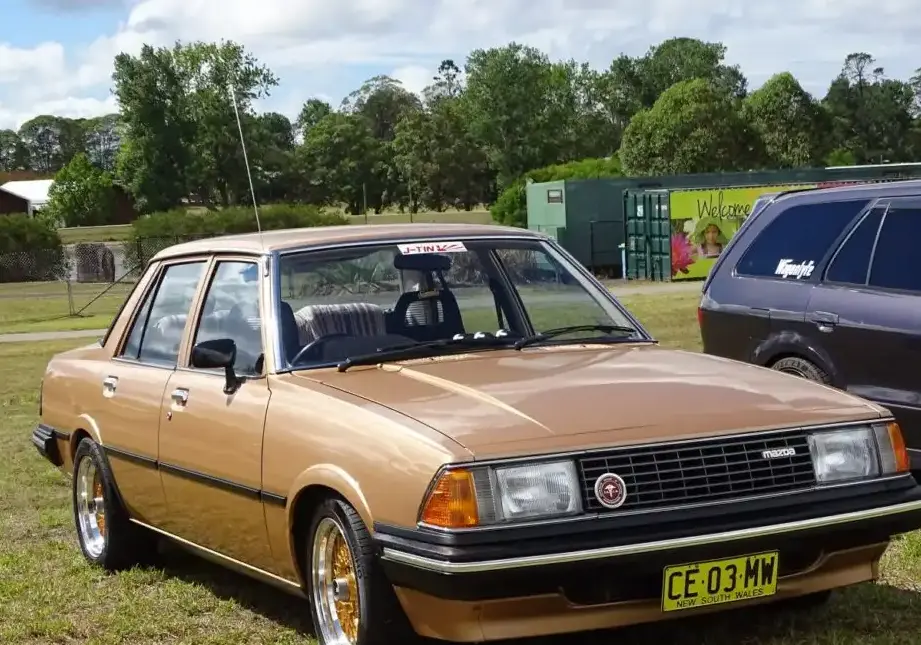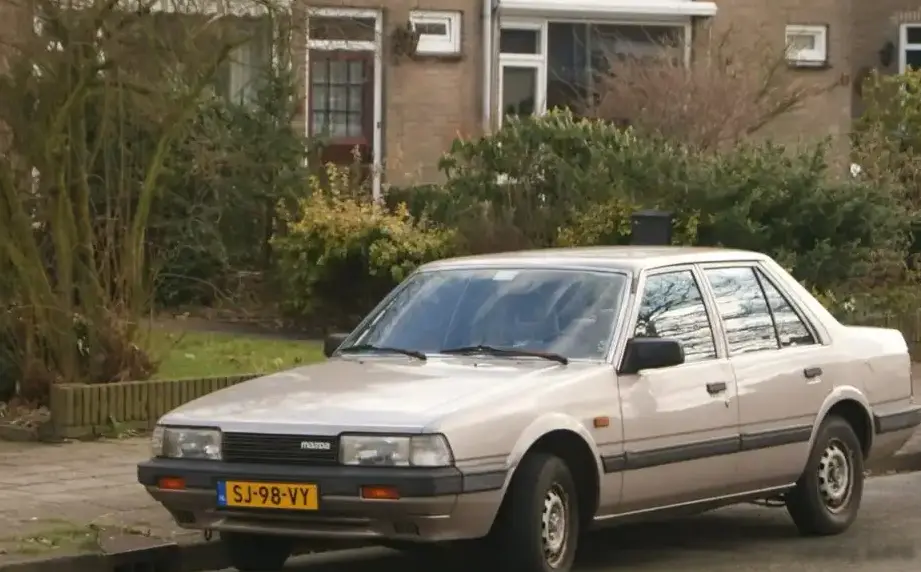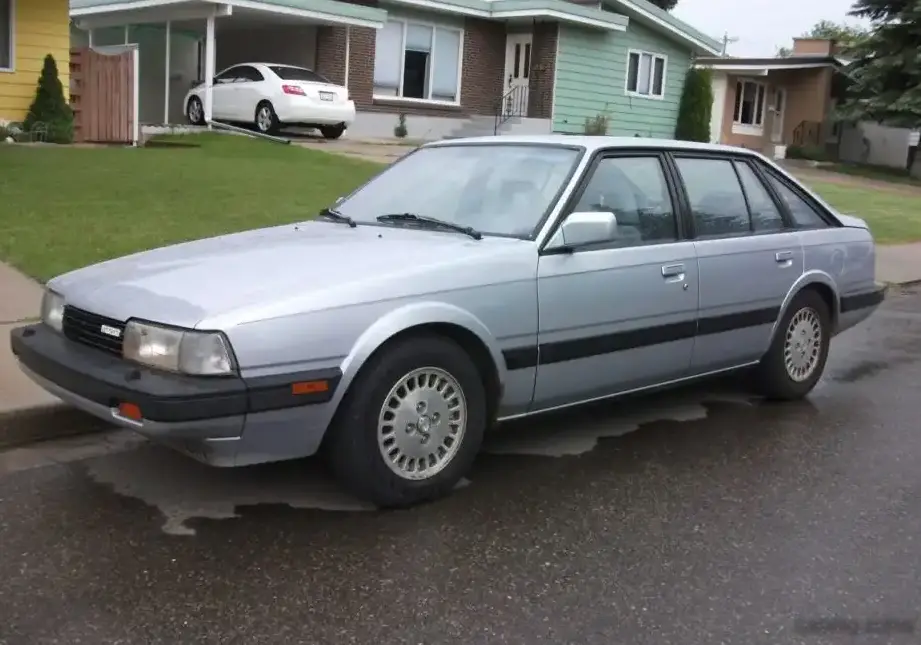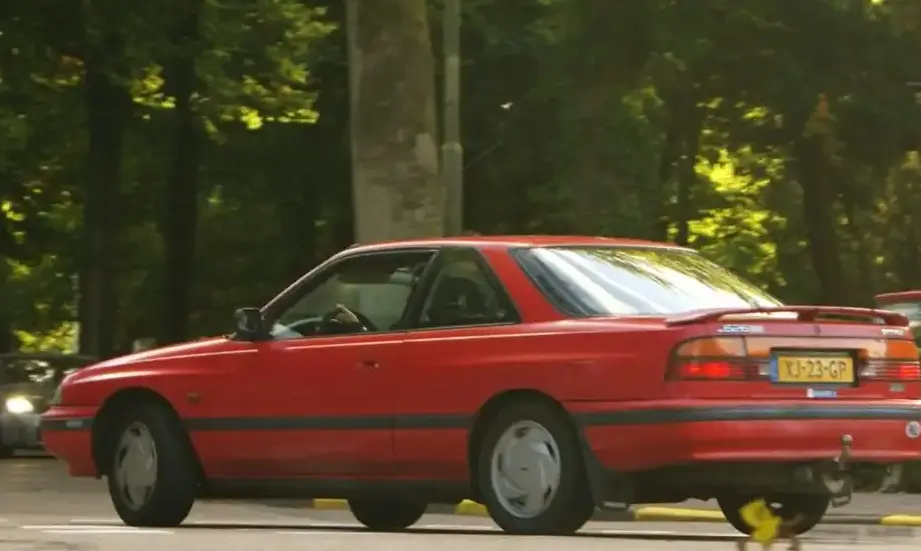
The Mazda 626 III Coupe (GD) 2.0 12V, produced from 1987 to 1988, represented a significant offering in Mazda’s lineup during the late 1980s. This two-door coupe variant of the GD generation 626 aimed to provide a more stylish and sporty alternative to the traditional sedan. Positioned as a mid-range trim, it offered a balance between affordability and features, appealing to buyers seeking a practical yet visually appealing vehicle. The GD series 626, overall, was Mazda’s entry into the competitive mid-size market, and the coupe specifically targeted those desiring a more personal and dynamic driving experience.
Technical Specifications
| Brand | Mazda |
| Model | 626 |
| Generation | 626 III Coupe (GD) |
| Type (Engine) | 2.0 12V (107 Hp) |
| Start of production | 1987 |
| End of production | 1988 |
| Powertrain Architecture | Internal Combustion engine |
| Body type | Coupe |
| Doors | 2 |
| Fuel Type | Petrol (Gasoline) |
| Acceleration 0 – 100 km/h | 9 sec |
| Acceleration 0 – 62 mph | 9 sec |
| Acceleration 0 – 60 mph | 8.6 sec |
| Maximum speed | 200 km/h (124.27 mph) |
| Power | 107 Hp @ 5500 rpm |
| Power per litre | 53.6 Hp/l |
| Torque | 170 Nm (125.39 lb.-ft.) |
| Engine layout | Front, Transverse |
| Engine displacement | 1998 cm3 (121.93 cu. in.) |
| Number of cylinders | 4 |
| Engine configuration | Inline |
| Compression ratio | 8.6:1 |
| Number of valves per cylinder | 3 |
| Fuel injection system | Multi-port manifold injection |
| Engine aspiration | Naturally aspirated engine |
| Valvetrain | ohc |
| Fuel tank capacity | 60 l (15.85 US gal | 13.2 UK gal) |
| Drivetrain Architecture | The Internal combustion engine (ICE) drives the front wheels of the vehicle. |
| Drive wheel | Front wheel drive |
| Front suspension | Independent type McPherson |
| Front brakes | Ventilated discs |
| Rear brakes | Disc |
Powertrain & Engine Architecture
The heart of the 626 III Coupe 2.0 12V was Mazda’s F2 engine, a 1.998-liter inline-four cylinder gasoline engine. This engine utilized a single overhead camshaft (SOHC) valvetrain operating three valves per cylinder – two intake and one exhaust. The engine’s 12-valve configuration, while not as sophisticated as later multi-valve designs, provided a reasonable balance of power and efficiency for its time. Fuel delivery was managed by a multi-port fuel injection system, contributing to improved throttle response and fuel economy compared to carbureted engines. The engine produced 107 horsepower at 5500 rpm and 170 Nm (125.39 lb.-ft.) of torque. The engine was transversely mounted in the front of the vehicle, driving the front wheels.
The transmission paired with the 2.0-liter engine was a three-speed automatic. While not offering the most modern gear ratios, it was designed to provide smooth and comfortable shifts, catering to the target audience who prioritized ease of driving over outright performance. The automatic transmission contributed to the car’s accessibility, making it a suitable choice for daily commuting and long-distance travel.
Driving Characteristics
The 626 III Coupe 2.0 12V with the automatic transmission delivered a comfortable, if not particularly exhilarating, driving experience. Acceleration from 0 to 60 mph took approximately 8.6 seconds, and top speed was rated at 124.27 mph. The automatic transmission, while convenient, did result in some power loss compared to the available five-speed manual transmission. The three-speed automatic’s gear ratios were optimized for fuel efficiency and smooth cruising, rather than aggressive acceleration. The McPherson strut front suspension provided decent handling, but the rear suspension, while adequate, wasn’t as refined. Overall, the driving experience was geared towards comfort and practicality, making it a suitable choice for everyday use.
Equipment & Trim Levels
The 626 III Coupe 2.0 12V typically came equipped with a reasonable level of standard features for the late 1980s. These included power steering, cloth upholstery, and an AM/FM stereo. Depending on the specific package, optional extras could include air conditioning, power windows, power locks, and a sunroof. The interior design was functional and relatively spacious for a coupe, offering comfortable seating for two adults and limited space for rear passengers. The dashboard layout was straightforward and easy to use, with clearly labeled controls.
Chassis & Braking
The 626 III Coupe utilized a front-wheel-drive chassis with an independent McPherson strut suspension in the front and a semi-independent torsion beam suspension in the rear. The front brakes were ventilated discs, providing adequate stopping power, while the rear brakes were solid discs. The steering was rack-and-pinion, offering reasonable precision and feedback. The chassis was designed to provide a comfortable ride while maintaining acceptable handling characteristics. Stabilizer bars were included to reduce body roll during cornering.
Market Reception & Comparison
The Mazda 626 III Coupe 2.0 12V was generally well-received by automotive critics as a stylish and practical coupe. It was praised for its comfortable ride, spacious interior, and reasonable fuel economy. However, some critics noted that the engine lacked significant power, especially when paired with the automatic transmission. Compared to other trims in the 626 lineup, such as the manual transmission versions or those with larger engines, the 2.0 12V automatic offered a more relaxed and accessible driving experience. It was often seen as a good value for the money, appealing to buyers who prioritized comfort and convenience over outright performance. Fuel economy was respectable for the era, averaging around 25-30 mpg in mixed driving conditions.
Legacy
The Mazda 626 III Coupe 2.0 12V, while not a high-performance icon, holds a place in automotive history as a representative of the stylish and practical coupes of the late 1980s. The F2 engine, while not known for exceptional durability, proved to be reasonably reliable with proper maintenance. Today, these cars are relatively rare and are sought after by collectors and enthusiasts who appreciate their classic styling and nostalgic appeal. The automatic transmission, while not the most desirable configuration for performance enthusiasts, remains relatively reliable if properly maintained. Finding well-preserved examples can be challenging, but the 626 III Coupe 2.0 12V continues to offer a glimpse into a bygone era of automotive design and engineering.