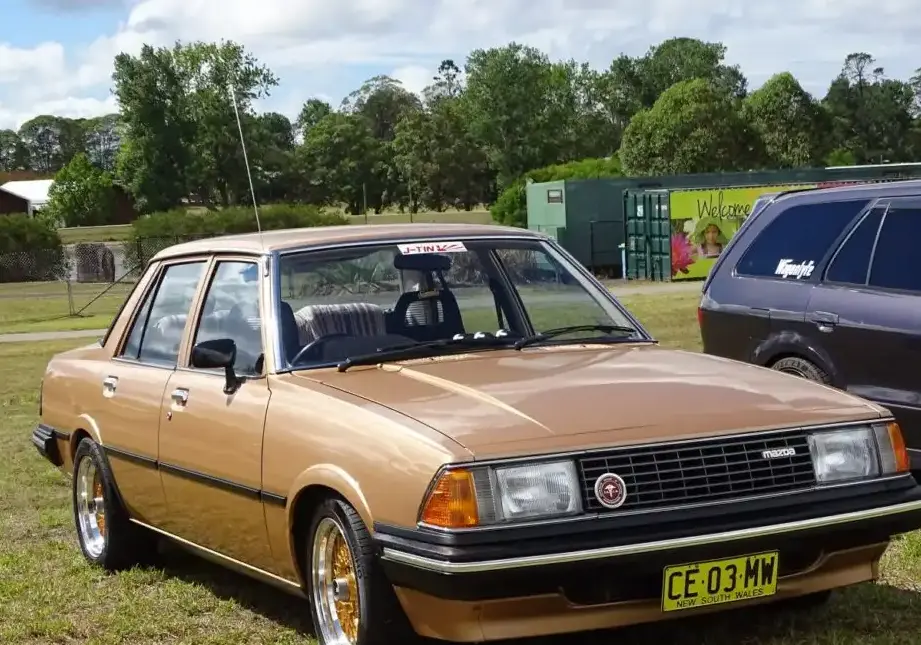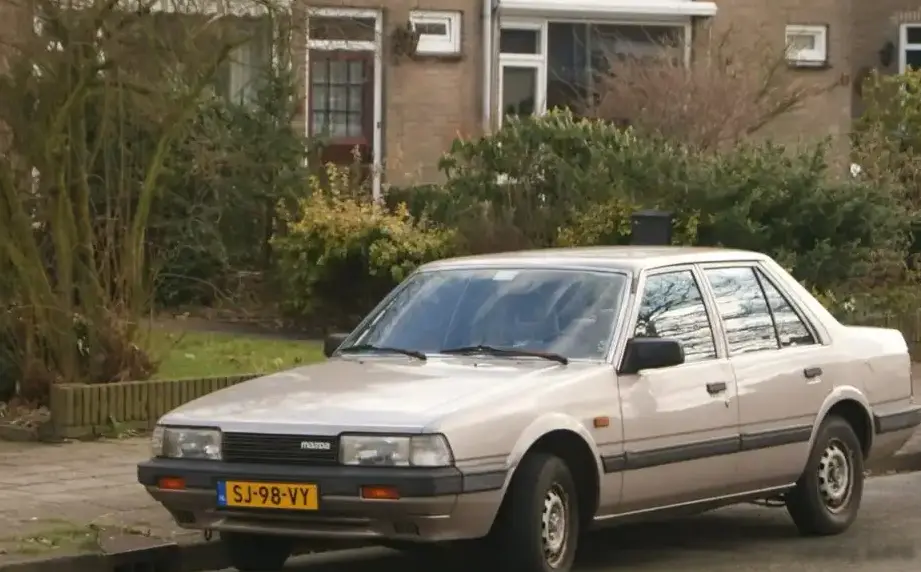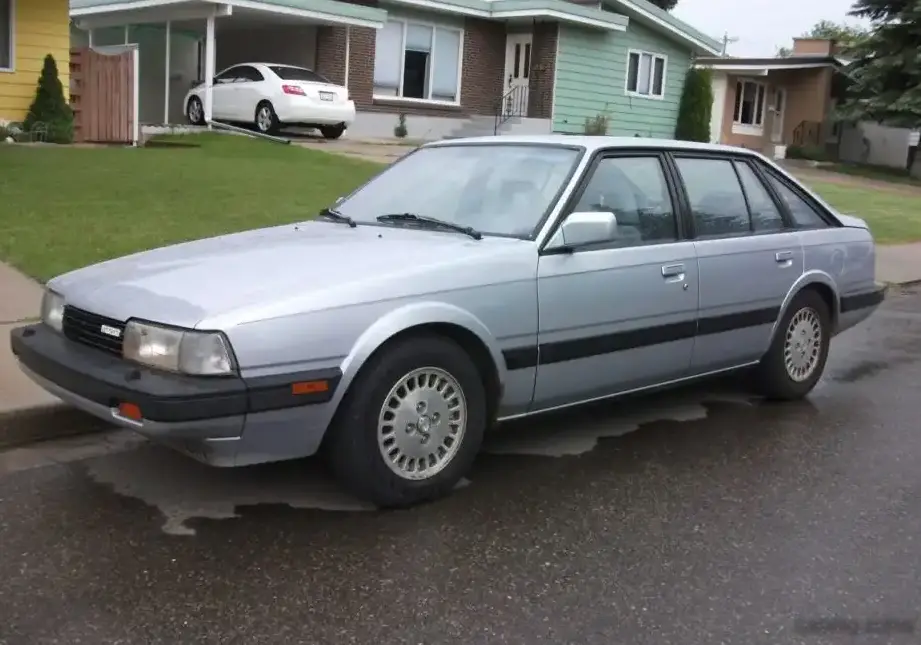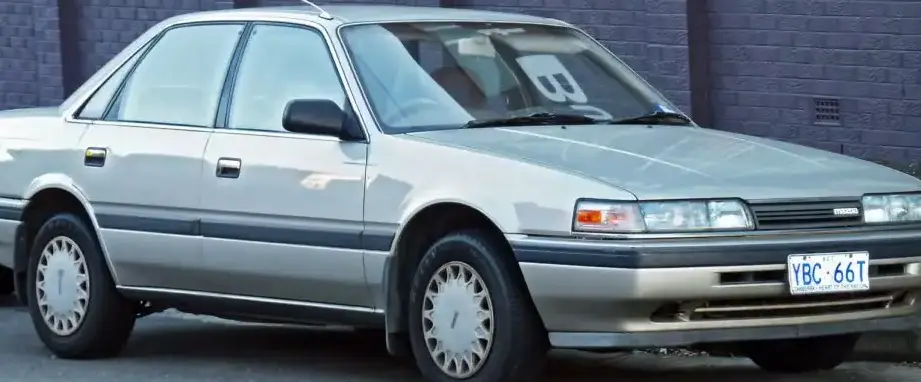
The Mazda 626 III (GD) 1.8, produced between 1987 and 1992, represented the entry-level offering in Mazda’s popular mid-size sedan lineup during that period. Part of the GD generation (1987-1992), this variant aimed to provide affordable and reliable transportation, prioritizing fuel economy and comfort over outright performance. It served as a crucial volume seller for Mazda, particularly in markets where larger engines were less common or subject to higher taxation. The 626 GD was a significant step forward for Mazda, incorporating more modern styling and engineering compared to its predecessors, and establishing a strong presence in the competitive family sedan segment.
Technical Specifications
| Brand | Mazda |
| Model | 626 |
| Generation | 626 III (GD) |
| Type (Engine) | 1.8 (88 Hp) |
| Start of production | 1987 |
| End of production | 1992 |
| Powertrain Architecture | Internal Combustion Engine |
| Body type | Sedan |
| Fuel Type | Petrol (Gasoline) |
| Power | 88 Hp |
| Engine aspiration | Naturally Aspirated |
| Engine Code | E8-DE |
| Displacement | 1.8 Liters (1798 cc) |
| Cylinders | 4 |
| Valves per Cylinder | 2 |
| Fuel System | Multi-Point Fuel Injection |
| Transmission | 4-Speed Automatic |
| Drive Type | Front-Wheel Drive |
| Weight (approx.) | 2,535 lbs (1150 kg) |
| Top Speed (approx.) | 103 mph (166 km/h) |
| 0-60 mph (approx.) | 12.5 seconds |
Powertrain & Engine Architecture
The heart of the 626 III 1.8 was the E8-DE engine, a 1.8-liter (1798 cc) inline-four cylinder gasoline engine. This engine featured a cast iron block and an aluminum cylinder head, a common configuration for engines of this era. It employed a naturally aspirated setup, meaning it didn’t utilize a turbocharger or supercharger. The E8-DE utilized a multi-point fuel injection system, a significant improvement over the carburetors found in older vehicles, contributing to better fuel efficiency and smoother operation. The engine featured a single overhead camshaft (SOHC) design with two valves per cylinder. This valvetrain configuration was a balance between simplicity, cost-effectiveness, and reasonable performance. The 4-speed automatic transmission was a typical unit for the time, designed for smooth shifts and ease of use. It wasn’t particularly sophisticated by modern standards, lacking features like overdrive or selectable driving modes. The transmission was electronically controlled, offering improved shift quality compared to earlier hydraulically controlled automatics.
Driving Characteristics
The 1.8-liter engine paired with the 4-speed automatic transmission delivered adequate, but not exhilarating, performance. Acceleration was modest, with a 0-60 mph time of around 12.5 seconds. The focus was on providing sufficient power for everyday driving situations, such as commuting and highway cruising. The automatic transmission’s gear ratios were tuned for fuel economy, resulting in a relatively relaxed driving experience. Compared to the more powerful 2.0-liter and V6 variants of the 626, the 1.8 felt noticeably slower, especially when accelerating for overtaking maneuvers. However, the automatic transmission made it a more accessible option for drivers who preferred the convenience of not having to operate a clutch and shift gears manually. The power delivery was linear, without any significant peaks or valleys, making it predictable and easy to control. The front-wheel drive configuration provided decent handling, although it wasn’t as sporty as some rear-wheel drive alternatives.
Equipment & Trim Levels
The 1.8-liter 626 typically represented the base trim level. Standard equipment generally included cloth upholstery, manual windows and door locks, and a basic AM/FM radio. Air conditioning was often an optional extra, as were power windows and locks. The interior design was functional and straightforward, prioritizing practicality over luxury. The dashboard layout was clean and easy to understand, with clearly labeled controls. Higher trim levels, such as the LX and GLX, offered additional features like upgraded upholstery, a sunroof, and a more sophisticated audio system. The 1.8 model often served as a blank canvas for buyers who wanted to add specific options to customize their vehicle. Safety features were relatively basic for the time, typically including seatbelts and a collapsible steering column.
Chassis & Braking
The Mazda 626 III utilized a MacPherson strut front suspension and a semi-independent torsion beam rear suspension. This suspension setup provided a comfortable ride quality, absorbing bumps and irregularities in the road surface effectively. The torsion beam rear suspension was a cost-effective solution that minimized complexity while still providing adequate handling. The braking system consisted of disc brakes on the front wheels and drum brakes on the rear wheels. This configuration was common for vehicles in this price range during the late 1980s and early 1990s. The brakes provided adequate stopping power for normal driving conditions, but they weren’t as powerful or fade-resistant as the all-disc brake systems found on higher-end models. A stabilizer bar was included on the front suspension to reduce body roll during cornering.
Market Reception & Comparison
The Mazda 626 III 1.8 received generally positive reviews for its reliability, fuel economy, and comfortable ride. Critics praised its spacious interior and practical design. However, the 1.8-liter engine was often criticized for its lack of power, particularly when compared to the larger engine options. Fuel economy was a strong point, with the 1.8-liter engine achieving around 25-30 mpg in combined driving conditions. Compared to competitors like the Toyota Camry and Honda Accord, the 626 offered a slightly more affordable price point, but it didn’t quite match the refinement or reputation for bulletproof reliability of those Japanese rivals. The 2.0-liter and V6 versions of the 626 offered significantly more performance, but they came at a higher cost. The 1.8 model appealed to buyers who prioritized affordability and fuel efficiency over outright performance.
Legacy
The Mazda 626 III 1.8, while not the most powerful or technologically advanced version of the 626, proved to be a durable and reliable vehicle. The E8-DE engine is known for its longevity, and many examples are still on the road today. The 4-speed automatic transmission, while not particularly sophisticated, is also generally reliable. In the used car market, these 626s are often sought after by enthusiasts looking for a classic Japanese sedan that is relatively easy to maintain and repair. Parts availability is generally good, and the simple mechanical design makes it accessible to home mechanics. The 626 III 1.8 represents a significant chapter in Mazda’s history, demonstrating the company’s commitment to providing affordable and reliable transportation to a wide range of customers. It remains a fondly remembered vehicle for many who owned and drove one during its production run.