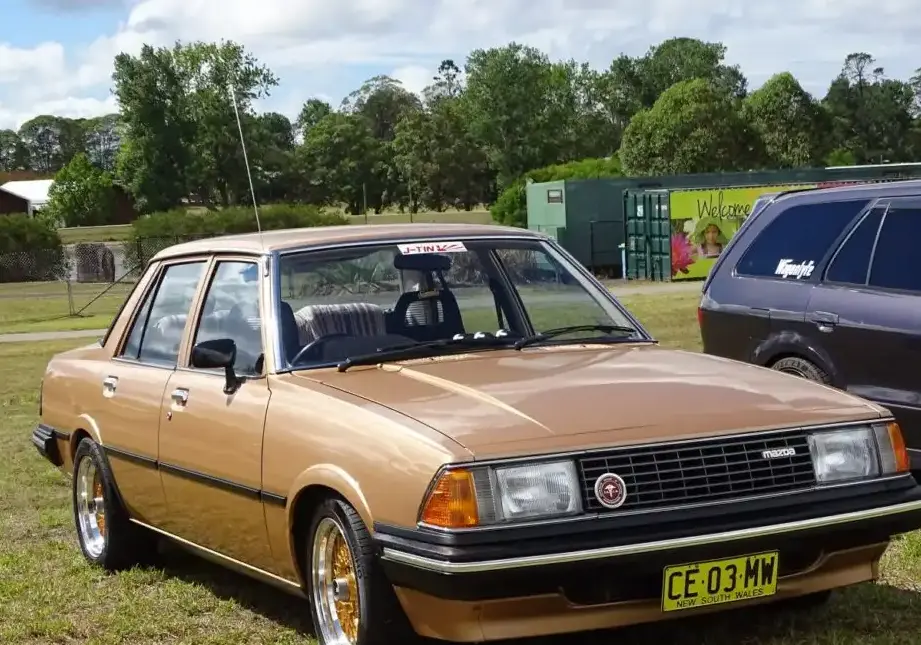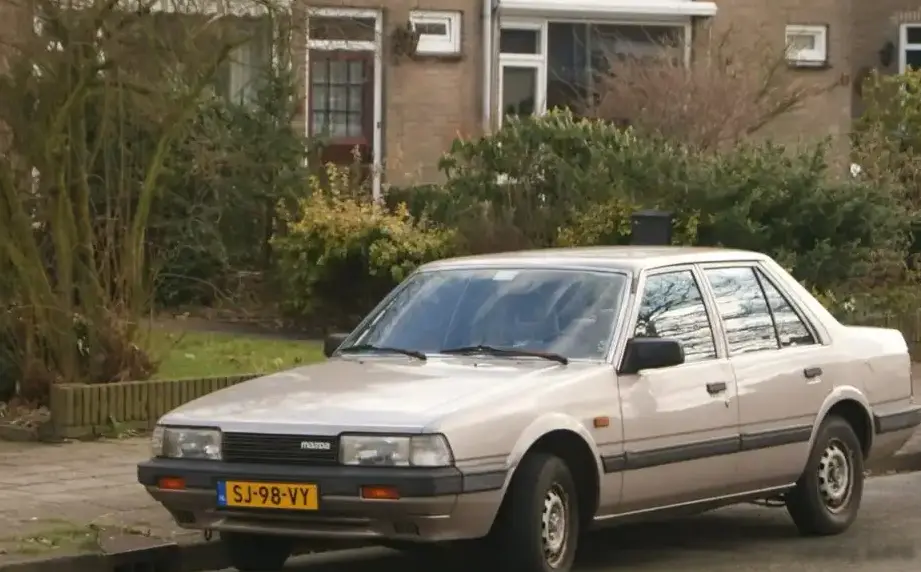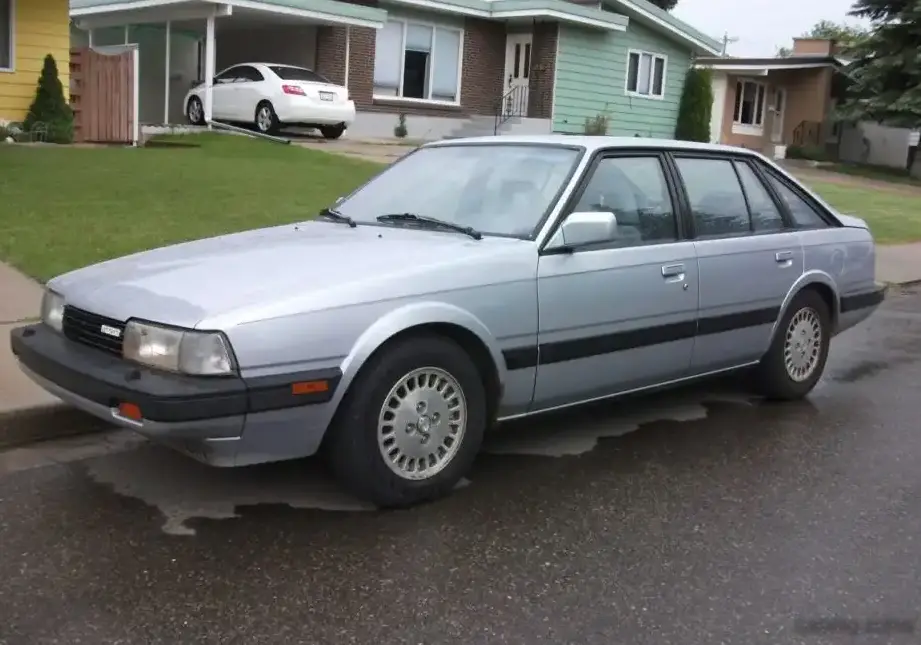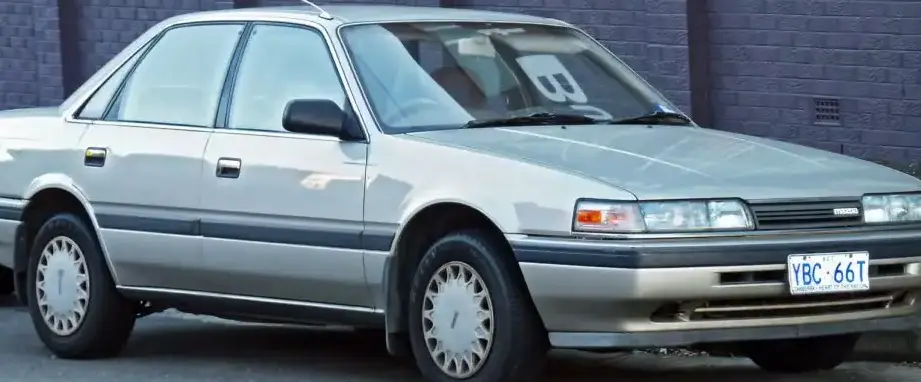
The Mazda 626 III (GD), produced between 1987 and 1991, represented a significant step forward for Mazda in the mid-size sedan segment. This generation, known internally as the GD platform, aimed to offer a blend of practicality, comfort, and reliability, competing directly with established rivals like the Honda Accord and Toyota Camry. The 2.2-liter 12V (115 hp) variant occupied a central position within the 626 III lineup, offering a balance between performance and fuel economy, making it a popular choice for family buyers. It was positioned as a step up from the base 2.0-liter engine, while remaining more accessible than the later introduced V6 options.
Technical Specifications
| Brand | Mazda |
| Model | 626 |
| Generation | 626 III (GD) |
| Type (Engine) | 2.2 12V (115 Hp) |
| Start of production | 1987 |
| End of production | 1991 |
| Powertrain Architecture | Internal Combustion engine |
| Body type | Sedan |
| Fuel Type | Petrol (Gasoline) |
| Power | 115 Hp |
| Engine aspiration | Naturally aspirated engine |
| Engine Displacement | 2.2 Liters |
| Cylinders | 4 |
| Valves per Cylinder | 2 |
| Fuel System | Multi-point Fuel Injection |
| Transmission | 4-Speed Automatic |
Powertrain & Engine Architecture
The heart of the 626 III 2.2 was the F2 engine, a 2.2-liter inline-four cylinder powerplant. This engine utilized a single overhead camshaft (SOHC) design operating 12 valves – two valves per cylinder. The F2 was a relatively simple and robust design, prioritizing reliability over outright performance. Fuel delivery was handled by a multi-point fuel injection system, a significant upgrade from the carburetors found in earlier Mazda models. This system improved fuel efficiency and reduced emissions. The engine produced 115 horsepower at 5200 rpm and 136 lb-ft of torque at 3000 rpm. The 4-speed automatic transmission was a key component of this variant, offering smooth shifts and ease of use, appealing to a broader range of drivers. It wasn’t a particularly advanced transmission, but it was known for its durability. The transmission was geared towards comfortable cruising rather than sporty acceleration.
Driving Characteristics
The 626 III 2.2 with the automatic transmission delivered a comfortable and predictable driving experience. Acceleration was adequate for everyday driving, with 0-60 mph times estimated around 11-12 seconds. However, it wasn’t a particularly quick car, especially when compared to manual transmission versions or the later V6 models. The automatic transmission’s gear ratios were optimized for fuel economy and smooth operation, resulting in a noticeable difference in responsiveness compared to the 5-speed manual option. The engine felt somewhat strained when pushed hard, lacking the low-end torque of larger displacement engines. Handling was generally good for a family sedan of its era, with a focus on ride comfort. The steering was light and easy, making it maneuverable in city traffic. The automatic transmission did detract slightly from driver engagement, but it made the 626 a much more accessible vehicle for those unfamiliar or uninterested in manual gearboxes.
Equipment & Trim Levels
The 626 III 2.2 automatic typically came equipped with a reasonable level of standard features for its time. These included power steering, air conditioning, an AM/FM stereo, and cloth upholstery. Higher trim levels, often denoted by “LX” or “SE” badges, added features such as power windows and locks, cruise control, a sunroof, and upgraded interior trim. The interior design was functional and relatively spacious, offering comfortable seating for five passengers. The dashboard layout was straightforward and easy to use, with clearly labeled controls. Optional extras included a premium sound system, alloy wheels, and a rear window defroster. The base models featured a simpler interior with vinyl upholstery and fewer convenience features.
Chassis & Braking
The 626 III utilized a front-engine, front-wheel-drive layout. The suspension consisted of MacPherson struts in the front and a semi-independent torsion beam setup in the rear. This configuration provided a good balance between ride comfort and handling. Braking on the base 2.2 models typically featured disc brakes in the front and drum brakes in the rear. Higher trim levels often included rear disc brakes for improved stopping power. The braking system was adequate for normal driving conditions, but it lacked the sophistication of more modern systems. Stabilizer bars were fitted to both the front and rear axles to reduce body roll during cornering. The chassis was relatively lightweight, contributing to the car’s fuel efficiency and maneuverability.
Market Reception & Comparison
The Mazda 626 III 2.2 automatic was generally well-received by automotive critics. It was praised for its comfortable ride, spacious interior, and reasonable fuel economy. However, some critics noted its lack of outright performance compared to rivals. Compared to the 2.0-liter base model, the 2.2 offered a noticeable improvement in power and torque, making it a more enjoyable driving experience. The V6 models, introduced later in the production run, provided significantly more performance but came at a higher price point. Fuel economy for the 2.2 automatic was around 20-25 mpg in combined driving, which was competitive for its time. Reliability was generally good, although some owners reported issues with the automatic transmission over the long term. The 626 III offered a compelling alternative to the Honda Accord and Toyota Camry, providing a similar level of practicality and reliability at a competitive price.
Legacy
The Mazda 626 III 2.2 automatic has become a relatively affordable and reliable classic car in the used market. The F2 engine is known for its durability, and many examples are still on the road today. While not a particularly collectible model, it represents a significant milestone in Mazda’s history, demonstrating the company’s commitment to building well-rounded and dependable vehicles. Parts availability is generally good, although some specific components may be difficult to find. The automatic transmission, while reliable, can require maintenance over time. Overall, the 626 III 2.2 automatic remains a practical and enjoyable classic car for those seeking a comfortable and affordable mid-size sedan from the late 1980s.