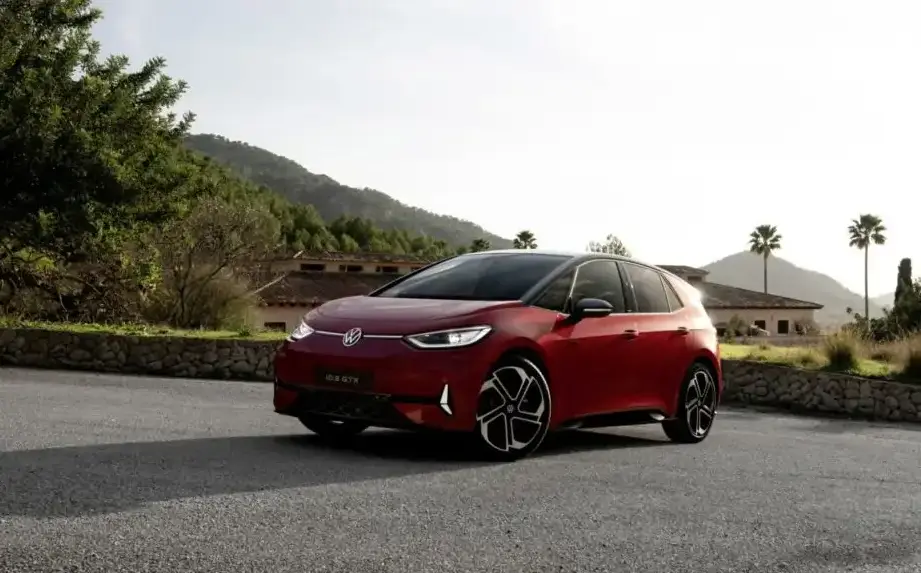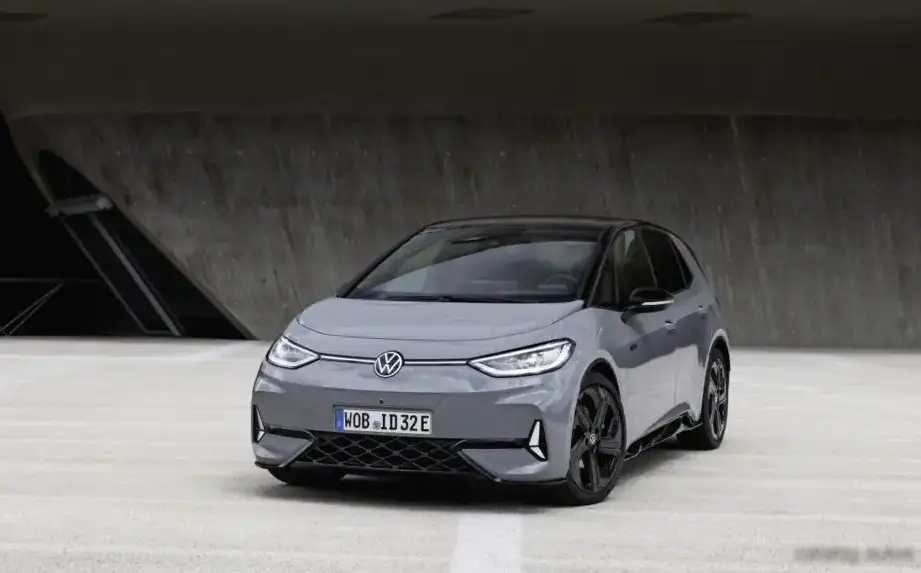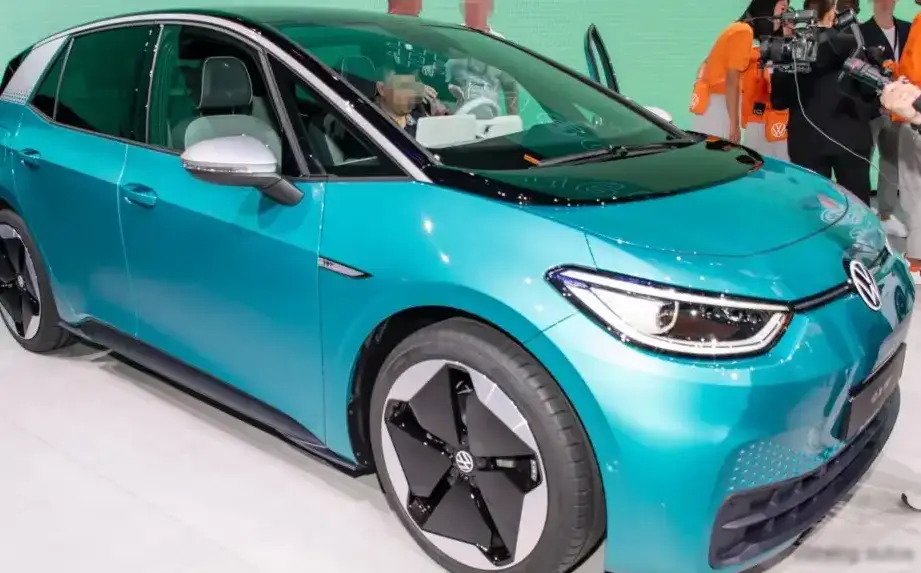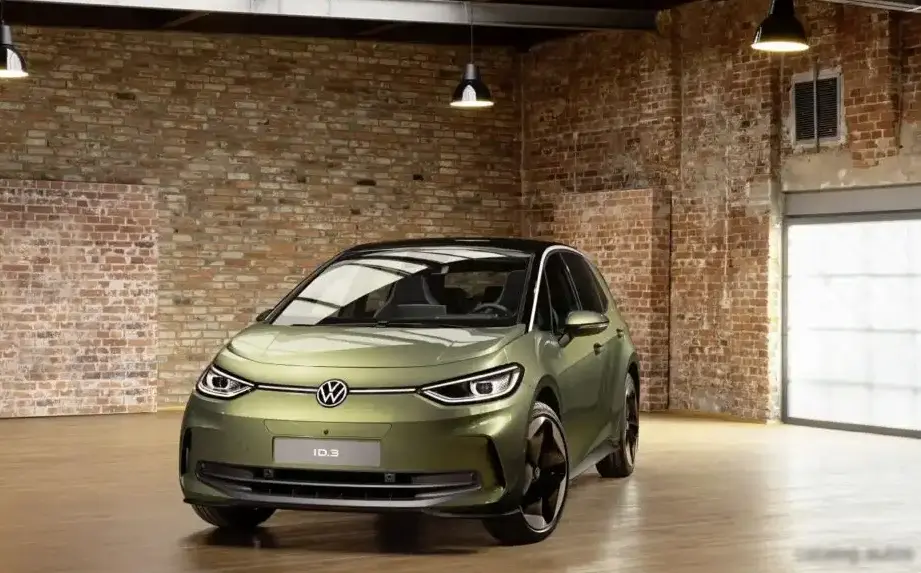
The Volkswagen ID.3 Pro S 82 kWh (231 Hp) represents a significant iteration of Volkswagen’s all-electric hatchback, launched with the 2023 facelift and entering full production in May 2024. Positioned as a mid-to-high range variant within the ID.3 lineup, the Pro S offers an extended range and increased performance compared to the base ‘Life’ and ‘Style’ trims. It’s a key model in Volkswagen’s push to establish a strong presence in the rapidly growing electric vehicle market, particularly in Europe, where the ID.3 has become a popular choice for environmentally conscious consumers. This variant aims to balance practicality, range, and performance, making it a compelling option for daily commuting and longer journeys.
Technical Specifications
| Brand | Volkswagen |
| Model | ID.3 |
| Generation | ID.3 (facelift 2023) |
| Type (Engine) | Pro S 82 kWh (231 Hp) |
| Start of production | May, 2024 |
| Powertrain Architecture | BEV (Electric Vehicle) |
| Body type | Hatchback |
| Seats | 5 |
| Doors | 5 |
| Fuel Type | Electricity |
| Acceleration 0 – 100 km/h | 7.1 sec |
| Acceleration 0 – 62 mph | 7.1 sec |
| Acceleration 0 – 60 mph | 6.7 sec |
| Maximum speed | 160 km/h (99.42 mph) |
| Weight-to-power ratio | 8.2 kg/Hp, 122.4 Hp/tonne |
| Weight-to-torque ratio | 6.1 kg/Nm, 164.3 Nm/tonne |
| Gross battery capacity | 82 kWh |
| Net (usable) battery capacity | 77 kWh |
| Battery voltage | 352 V |
| Battery technology | Lithium nickel manganese cobalt oxides (Li-NMC) |
| Battery weight | 495 kg (1091.29 lbs) |
| Battery location | Below the floor |
| All-electric range (WLTP) | 557 km (346.1 mi) |
| Average Energy consumption (WLTP) | 15.6 kWh/100 km (25.11 kWh/100 mi, 134 MPGe, 6.4 km/kWh, 4 mi/kWh) |
| Electric motor power | 231 Hp |
| Electric motor Torque | 310 Nm (228.64 lb.-ft.) |
| Electric motor location | Rear axle, Transverse |
| Electric motor type | Synchronous |
| System power | 231 Hp |
| System torque | 310 Nm (228.64 lb.-ft.) |
| Kerb Weight | 1887 kg (4160.12 lbs) |
| Max. weight | 2420 kg (5335.19 lbs) |
| Max load | 533 kg (1175.06 lbs) |
| Trunk (boot) space – minimum | 385 l (13.6 cu. ft.) |
| Trunk (boot) space – maximum | 1267 l (44.74 cu. ft.) |
| Length | 4264 mm (167.87 in) |
| Width | 1809 mm (71.22 in) |
| Width including mirrors | 2070 mm (81.5 in) |
| Height | 1564 mm (61.57 in) |
| Wheelbase | 2770 mm (109.06 in) |
| Front track | 1537-1549 mm (60.51 – 60.98 in) |
| Rear (Back) track | 1514-1526 mm (59.61 – 60.08 in) |
| Minimum turning circle | 10.3 m (33.79 ft) |
| Drivetrain Architecture | One electric motor drives the rear wheels |
| Drive wheel | Rear wheel drive |
| Number of gears | 1, automatic transmission |
Powertrain & Engine Architecture
The ID.3 Pro S 82 kWh utilizes a single, permanently excited synchronous motor located on the rear axle. This motor delivers 231 horsepower and 310 Nm (228.64 lb-ft) of torque. The powertrain is entirely electric, with energy sourced from an 82 kWh gross (77 kWh net) lithium-ion battery pack composed of Lithium nickel manganese cobalt oxides (Li-NMC) chemistry. The battery is positioned under the vehicle floor, contributing to a low center of gravity and improved handling. The car employs a single-speed automatic transmission, typical of electric vehicles, focusing on smooth and efficient power delivery. The battery voltage operates at 352V. Charging is handled via a variety of methods, including AC and DC fast charging, with the latter capable of adding significant range in a relatively short period.
Driving Characteristics
The rear-wheel-drive configuration of the ID.3 Pro S 82 kWh provides a different driving experience compared to front-wheel-drive EVs. Acceleration from 0 to 60 mph is achieved in approximately 6.7 seconds, making it reasonably quick for everyday driving. The single-speed transmission offers seamless acceleration, with the electric motor providing instant torque. While not as overtly sporty as some performance-focused EVs, the Pro S delivers a comfortable and refined driving experience. The low center of gravity contributes to stable handling, and the rear-wheel-drive layout offers good traction. Compared to lower-powered ID.3 variants, the Pro S provides noticeably more punch, especially during overtaking maneuvers. The single gear ratio is optimized for efficiency and usable power across a wide speed range.
Equipment & Trim Levels
The Pro S trim level generally includes a comprehensive suite of standard features. These typically encompass a large touchscreen infotainment system with navigation, digital instrument cluster, adaptive cruise control, lane assist, automatic emergency braking, and keyless entry. Interior upholstery is usually a combination of cloth and synthetic leather, with options for full leather available. The ID.3 Pro S often includes features like heated front seats, a panoramic sunroof, and ambient lighting. Optional extras can include a head-up display, premium sound system, and advanced parking assistance features. The overall interior design emphasizes minimalism and user-friendliness, with a focus on intuitive controls and a spacious cabin.
Chassis & Braking
The ID.3 Pro S utilizes an independent suspension system on both the front and rear axles. The front suspension employs a McPherson strut design with coil springs and an anti-roll bar, while the rear features a multi-link setup, also with coil springs and a stabilizer bar. This configuration aims to provide a balance between ride comfort and handling precision. Braking duties are handled by disc brakes at the front and drum brakes at the rear, a cost-saving measure for this weight class. The vehicle is equipped with ABS (Anti-lock Braking System) and electronic stability control as standard safety features. The steering system is an electric power-assisted rack and pinion setup, offering precise and responsive steering feel.
Market Reception & Comparison
The ID.3 Pro S has been generally well-received by automotive critics, praised for its extended range, comfortable ride, and spacious interior. Compared to the base ID.3 models, the Pro S offers a significant improvement in range and performance, justifying the higher price point. Fuel economy, expressed as energy consumption, is rated at 15.6 kWh/100 km (approximately 134 MPGe). Reliability has been a mixed bag, with some reports of software glitches and minor electrical issues, but Volkswagen has been actively addressing these concerns through over-the-air updates. Compared to rivals like the Nissan Leaf and Hyundai Kona Electric, the ID.3 Pro S offers a more premium interior and a more engaging driving experience.
Legacy
The Volkswagen ID.3 Pro S 82 kWh represents a crucial step in Volkswagen’s transition to electric mobility. Its long-term reliability will be a key factor in determining its overall success. As an early adopter of the MEB platform, the ID.3 has paved the way for other VW Group EVs. On the used car market, the ID.3 Pro S is expected to hold its value relatively well, particularly as demand for electric vehicles continues to grow. The powertrain’s simplicity and the availability of over-the-air updates should contribute to its longevity and maintainability. The ID.3 Pro S is poised to become a significant player in the electric vehicle landscape, offering a compelling combination of range, performance, and practicality.