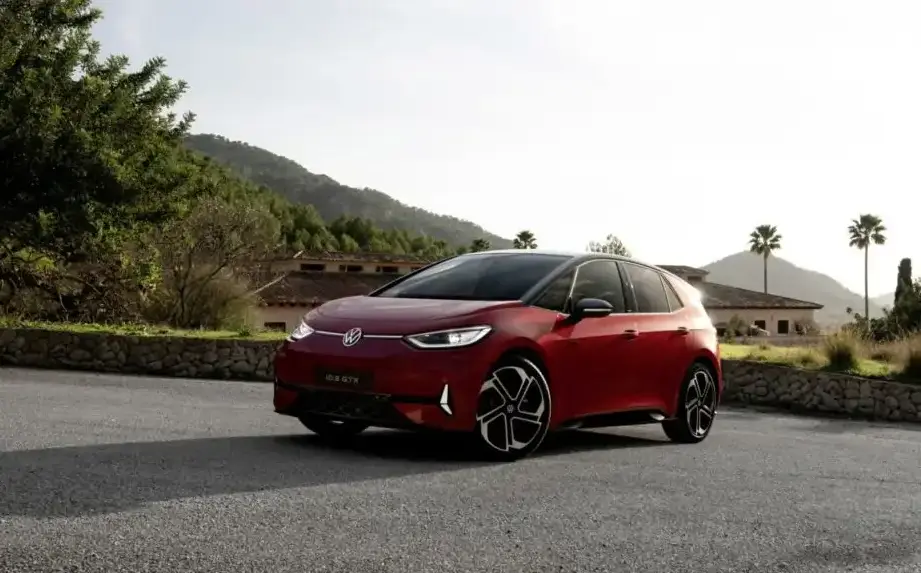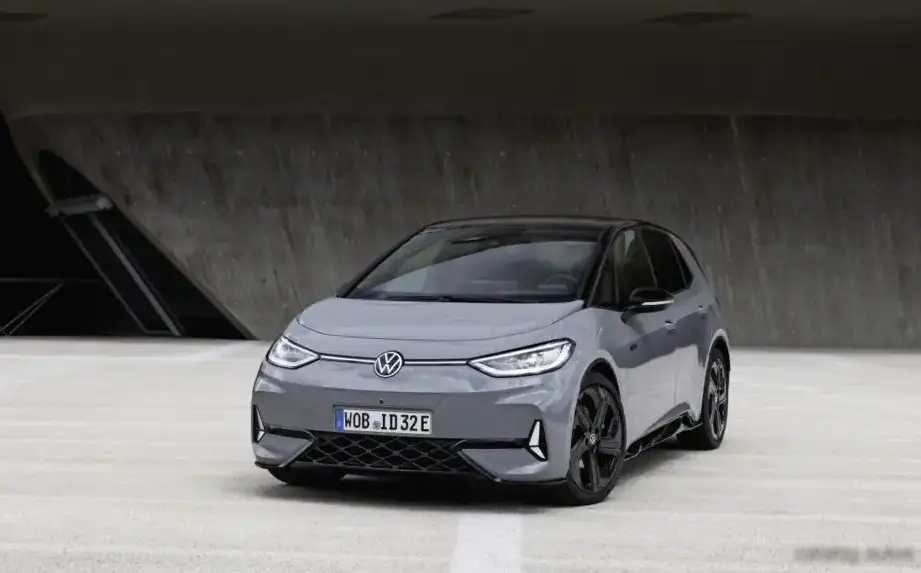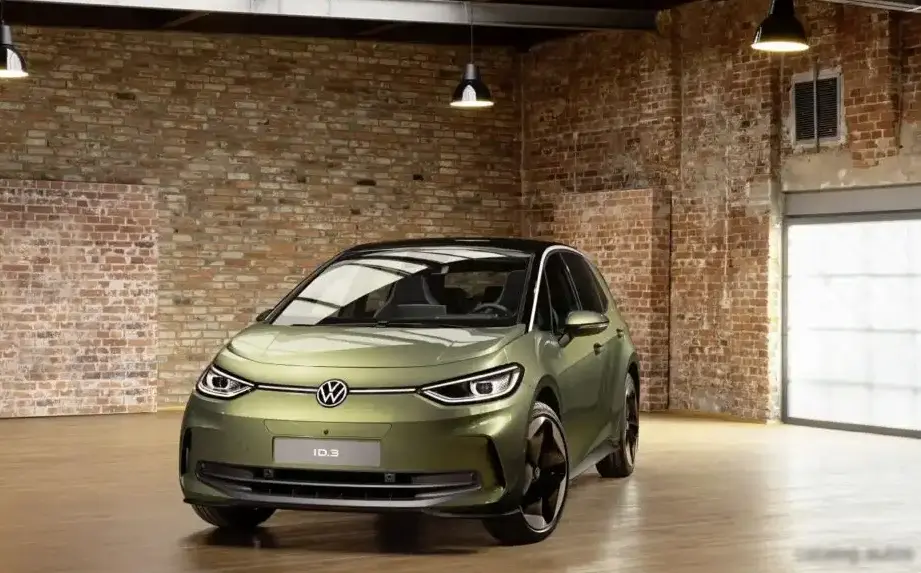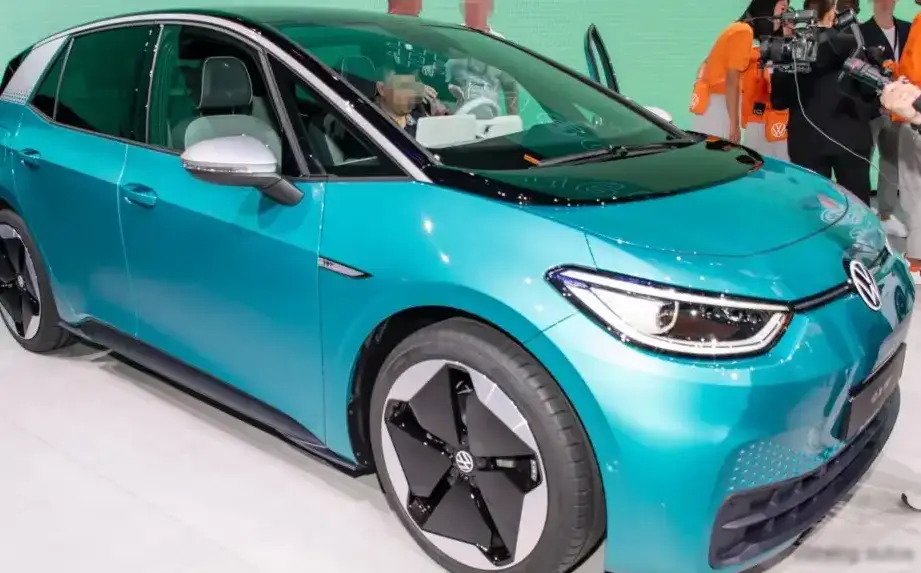
The Volkswagen ID.3 Pro 62 kWh, producing 145 horsepower, represents a pivotal model in Volkswagen’s transition to electric vehicles. Introduced in November 2020 and continuing through January 2022, this variant occupied a significant position within the ID.3 lineup as a mid-range offering, balancing affordability with a respectable driving range. Built on the MEB platform – Volkswagen’s modular electric drive matrix – the ID.3 aimed to provide a practical and accessible electric hatchback for the European market, and later, select global regions. It was designed to compete with other emerging EVs like the Nissan Leaf and Renault Zoe, offering a modern alternative to traditional gasoline-powered compact cars.
Technical Specifications
| Brand | Volkswagen |
| Model | ID.3 |
| Generation | ID.3 |
| Type (Engine) | Pro 62 kWh (145 Hp) |
| Start of production | November, 2020 |
| End of production | January, 2022 |
| Powertrain Architecture | BEV (Electric Vehicle) |
| Body type | Hatchback |
| Seats | 5 |
| Doors | 5 |
| Fuel Type | Electricity |
| Acceleration 0 – 100 km/h | 9.6 sec |
| Acceleration 0 – 62 mph | 9.6 sec |
| Acceleration 0 – 60 mph | 9.1 sec |
| Maximum speed | 160 km/h (99.42 mph) |
| Weight-to-power ratio | 12 kg/Hp, 83.5 Hp/tonne |
| Weight-to-torque ratio | 6.3 kg/Nm, 158.3 Nm/tonne |
| Gross battery capacity | 62 kWh |
| Net (usable) battery capacity | 58 kWh |
| Battery voltage | 408 V |
| Battery technology | Lithium-ion (Li-Ion) |
| Battery weight | 364 kg (802.48 lbs) |
| Battery location | Below the floor |
| All-electric range (WLTP) | 419 km (260.35 mi) |
| All-electric range | 300-420 km (186.41 – 260.98 mi) |
| Average Energy consumption (WLTP) | 15.4 kWh/100 km (24.78 kWh/100 mi) |
| Average Energy consumption | 13.7 kWh/100 km (22.05 kWh/100 mi) |
| Kerb Weight | 1737 kg (3829.43 lbs) |
| Max. weight | 2270 kg (5004.49 lbs) |
| Max load | 533 kg (1175.06 lbs) |
| Trunk (boot) space – minimum | 385 l (13.6 cu. ft) |
| Trunk (boot) space – maximum | 1267 l (44.74 cu. ft) |
| Length | 4261 mm (167.76 in) |
| Width | 1809 mm (71.22 in) |
| Width including mirrors | 2070 mm (81.5 in) |
| Height | 1568 mm (61.73 in) |
| Wheelbase | 2770 mm (109.06 in) |
| Front track | 1536-1548 mm (60.47 – 60.94 in) |
| Rear (Back) track | 1513-1525 mm (59.57 – 60.04 in) |
| Ride height (ground clearance) | 150 mm (5.91 in) |
| Drag coefficient (Cd) | 0.27 |
| Minimum turning circle | 10.18 m (33.4 ft) |
| Drivetrain Architecture | One electric motor drives the rear wheels |
| Drive wheel | Rear wheel drive |
| Number of gears | 1 |
| Gearbox type | Automatic transmission |
| Front suspension | Independent type McPherson, Transverse stabilizer |
| Rear suspension | Independent multi-link suspension, Transverse stabilizer |
| Front brakes | Disc |
| Rear brakes | Drum |
| Assisting systems | ABS (Anti-lock braking system) |
| Steering type | Steering rack and pinion |
| Power steering | Electric Steering |
| Tires size | 215/55 R18; 215/50 R19; 215/45 R20 |
| Wheel rims size | 7.5J x 18; 7.5J x 19; 7.5J x 20 |
Powertrain & Engine Architecture
The ID.3 Pro 62 kWh utilizes a single, permanently magnetized synchronous electric motor located on the rear axle. This motor delivers 145 horsepower (107 kW) and 275 Nm (202.83 lb-ft) of torque. The motor is powered by a 62 kWh (gross) / 58 kWh (net) lithium-ion battery pack positioned under the vehicle floor, contributing to a low center of gravity and improved handling. The battery pack operates at 408 volts. The car employs a single-speed automatic transmission, typical of most electric vehicles, simplifying the driving experience. The MEB platform’s architecture allows for fast charging capabilities, supporting up to 50kW DC fast charging, enabling a significant range boost in a relatively short time. The vehicle’s energy management system optimizes battery usage based on driving conditions and driver input.
Driving Characteristics
The ID.3 Pro 62 kWh offers a smooth and refined driving experience. Acceleration from 0 to 60 mph takes approximately 9.1 seconds, and 0-100 km/h in 9.6 seconds, making it suitable for everyday commuting and urban driving. The rear-wheel-drive configuration provides decent traction, although it doesn’t offer the same level of performance as dual-motor, all-wheel-drive variants. The single-speed transmission delivers instant torque, characteristic of electric motors, providing responsive acceleration. Compared to higher-output ID.3 models, the Pro 62 kWh prioritizes efficiency over outright speed. The regenerative braking system allows for one-pedal driving in certain modes, enhancing convenience and energy recovery. The steering is light and precise, making it easy to maneuver in tight spaces.
Equipment & Trim Levels
The ID.3 Pro 62 kWh typically came equipped with a generous amount of standard features. These included a 10-inch touchscreen infotainment system with navigation, Apple CarPlay and Android Auto compatibility, and a digital instrument cluster. Standard safety features encompassed automatic emergency braking, lane-keeping assist, and adaptive cruise control. Interior upholstery was generally cloth, with options for upgraded leatherette or fabric combinations. Available options included a panoramic sunroof, heated seats, and a premium sound system. Trim levels varied slightly depending on the market, but generally offered increasing levels of comfort and technology. The Pro trim level positioned itself as a well-rounded option, offering a good balance of features and value.
Chassis & Braking
The ID.3 Pro 62 kWh features an independent McPherson strut suspension at the front and an independent multi-link suspension at the rear, providing a comfortable and controlled ride. A transverse stabilizer bar is included on both axles to reduce body roll during cornering. The braking system consists of disc brakes at the front and drum brakes at the rear, a cost-saving measure for this trim level. ABS (Anti-lock Braking System) is standard. The vehicle’s relatively low weight, thanks to the battery placement and lightweight construction of the MEB platform, contributes to its agile handling. The steering utilizes an electric power steering system for precise and effortless control.
Market Reception & Comparison
The ID.3 Pro 62 kWh was generally well-received by automotive critics. It was praised for its spacious interior, comfortable ride, and user-friendly technology. However, some reviewers noted the relatively basic interior materials and the limited range compared to some competitors. Fuel economy, expressed as energy consumption, averaged around 15.4 kWh/100 km (WLTP), translating to approximately 136 MPGe. Compared to the base ID.3 models with smaller batteries, the Pro 62 kWh offered a significant improvement in range. Compared to the higher-performance ID.3 variants, it provided a more affordable entry point into the electric Volkswagen lineup, appealing to a broader audience.
Legacy
The Volkswagen ID.3 Pro 62 kWh played a crucial role in establishing Volkswagen as a major player in the electric vehicle market. The MEB platform proved to be a versatile and scalable architecture, underpinning several other VW Group EVs. While early software issues plagued some ID.3 models, subsequent updates have addressed many of these concerns. On the used car market, the ID.3 Pro 62 kWh remains a popular choice, offering a compelling combination of range, practicality, and affordability. The powertrain has proven to be relatively reliable, with few widespread issues reported. As battery technology continues to improve, the ID.3’s range and performance will likely become even more competitive in the years to come.