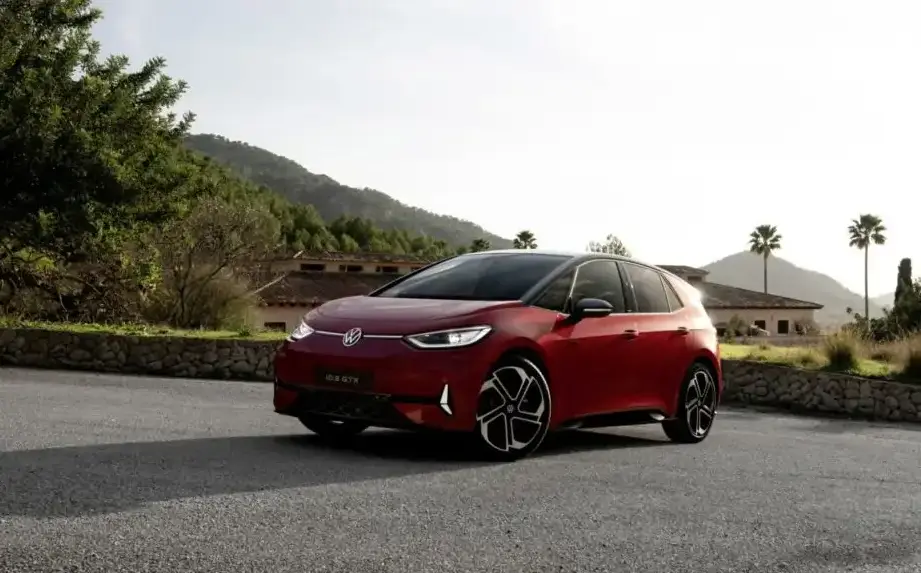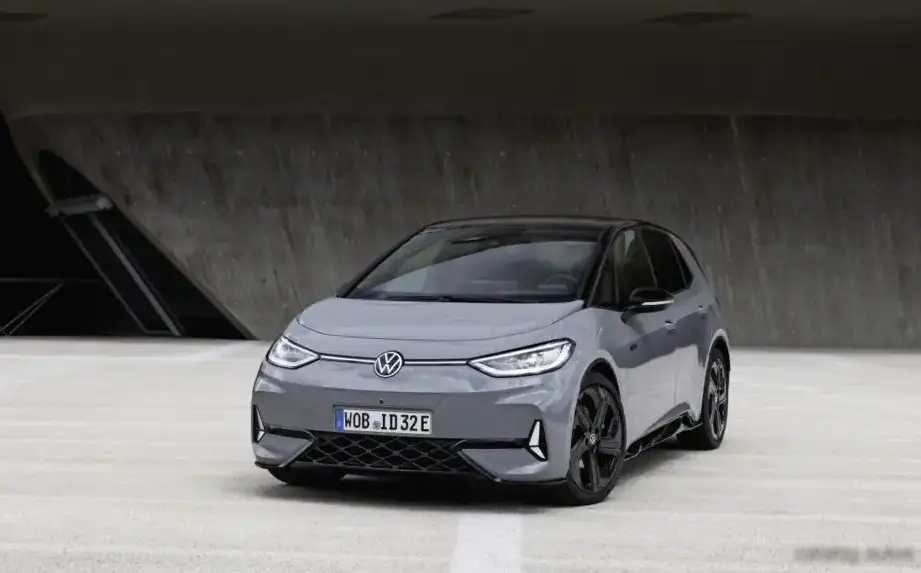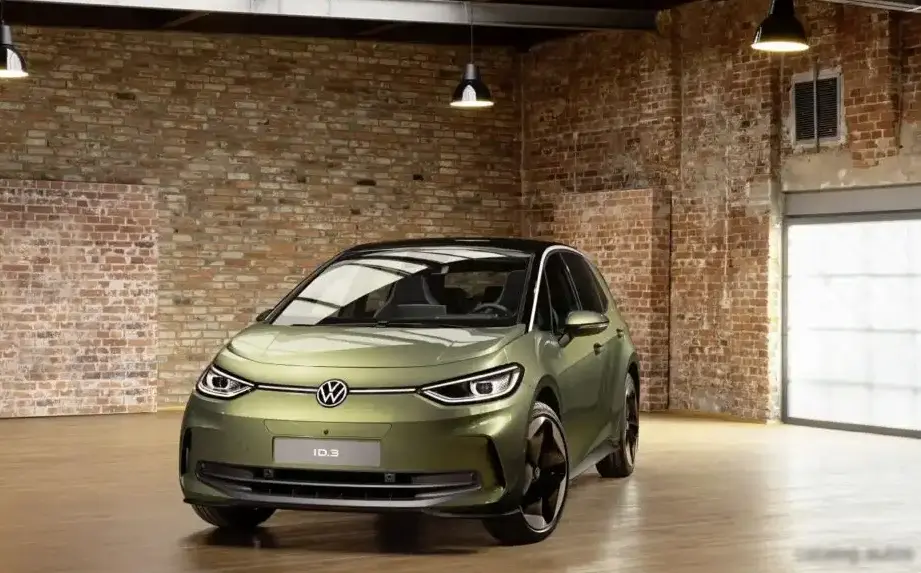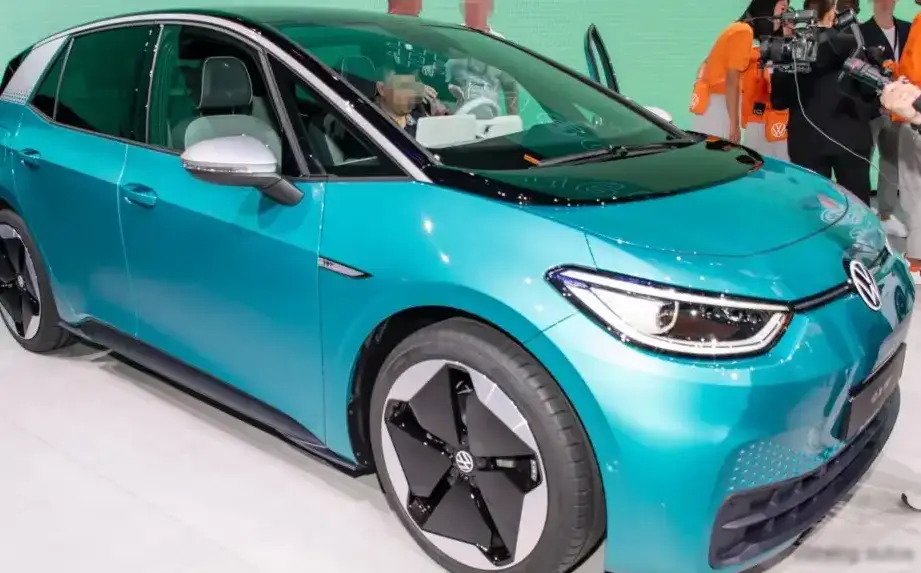
The Volkswagen ID.3 Pro Performance 62 kWh is an all-electric hatchback that served as a pivotal model in Volkswagen’s transition to electric vehicles. Introduced in November 2019 and produced through January 2023, it represents the initial foray into the ID. series, built upon the modular electric drive matrix (MEB) platform. This variant, positioned as a mid-range offering within the ID.3 lineup, aimed to provide a balance between range, performance, and affordability, targeting a broad segment of the burgeoning EV market, primarily in Europe. While not initially sold in the United States, the ID.3’s development and market reception heavily influenced Volkswagen’s subsequent EV strategy for global markets, including North America.
Technical Specifications
| Brand | Volkswagen |
| Model | ID.3 |
| Generation | ID.3 |
| Type (Engine) | Pro Performance 62 kWh (204 Hp) |
| Start of production | November, 2019 |
| End of production | January, 2023 |
| Powertrain Architecture | BEV (Electric Vehicle) |
| Body type | Hatchback |
| Seats | 5 |
| Doors | 5 |
| Fuel Type | Electricity |
| Acceleration 0 – 100 km/h | 7.3 sec |
| Acceleration 0 – 62 mph | 7.3 sec |
| Acceleration 0 – 60 mph | 6.9 sec |
| Maximum speed | 160 km/h (99.42 mph) |
| Weight-to-power ratio | 8.5 kg/Hp, 117.4 Hp/tonne |
| Weight-to-torque ratio | 5.6 kg/Nm, 178.5 Nm/tonne |
| Gross battery capacity | 62 kWh |
| Net (usable) battery capacity | 58 kWh |
| Battery voltage | 408 V |
| Battery technology | Lithium-ion (Li-Ion) |
| Battery weight | 376 kg (828.94 lbs.) |
| Battery location | Below the floor |
| All-electric range (WLTP) | 419 km (260.35 mi) |
| Average Energy consumption (WLTP) | 15.4 kWh/100 km (24.78 kWh/100 mi, 136 MPGe, 6.5 km/kWh, 4 mi/kWh) |
| Average Energy consumption | 13.7 kWh/100 km (22.05 kWh/100 mi, 153 MPGe, 7.3 km/kWh, 4.5 mi/kWh) |
| Electric motor power | 204 Hp |
| Electric motor Torque | 310 Nm (228.64 lb.-ft.) |
| Electric motor model/code | APP310 |
| Maximum revolutions of the electric motor | 16000 rpm |
| Electric motor location | Rear axle, Transverse |
| Electric motor type | Synchronous |
| System power | 204 Hp |
| System torque | 310 Nm (228.64 lb.-ft.) |
| Kerb Weight | 1737 kg (3829.43 lbs.) |
| Max. weight | 2270 kg (5004.49 lbs.) |
| Max load | 533 kg (1175.06 lbs.) |
| Trunk (boot) space – minimum | 385 l (13.6 cu. ft.) |
| Trunk (boot) space – maximum | 1267 l (44.74 cu. ft.) |
| Length | 4261 mm (167.76 in.) |
| Width | 1809 mm (71.22 in.) |
| Width including mirrors | 2070 mm (81.5 in.) |
| Height | 1568 mm (61.73 in.) |
| Wheelbase | 2770 mm (109.06 in.) |
| Front track | 1536-1548 mm (60.47 – 60.94 in.) |
| Rear (Back) track | 1513-1525 mm (59.57 – 60.04 in.) |
| Ride height (ground clearance) | 150 mm (5.91 in.) |
| Drag coefficient (Cd) | 0.27 |
| Minimum turning circle (turning diameter) | 10.18 m (33.4 ft.) |
| Drivetrain Architecture | One electric motor drives the rear wheels. |
| Drive wheel | Rear wheel drive |
| Number of gears and type of gearbox | 1 gears, automatic transmission |
| Front suspension | Independent type McPherson, Transverse stabilizer |
| Rear suspension | Independent multi-link suspension, Transverse stabilizer |
| Front brakes | Disc, 330 mm |
| Rear brakes | Drum |
| Assisting systems | ABS (Anti-lock braking system) |
| Steering type | Steering rack and pinion |
| Power steering | Electric Steering |
| Tires size | 215/55 R18; 215/50 R19; 215/45 R20 |
| Wheel rims size | 7.5J x 18; 7.5J x 19; 7.5J x 20 |
Powertrain & Engine Architecture
The ID.3 Pro Performance 62 kWh utilizes a single, permanently magnetized synchronous motor (PSM) located on the rear axle. This motor, designated APP310, produces 204 horsepower and 310 Nm (228.64 lb-ft) of torque. The motor is powered by a 62 kWh lithium-ion battery pack situated under the vehicle floor, providing a usable capacity of 58 kWh. The battery operates at 408 volts. The car employs a single-speed automatic transmission, typical of most electric vehicles, delivering power directly to the rear wheels. The power electronics and thermal management systems are integrated into the MEB platform, optimizing efficiency and battery life. The vehicle lacks a traditional multi-gear transmission as the electric motor provides instant torque across a wide RPM range.
Driving Characteristics
The ID.3 Pro Performance 62 kWh offers brisk acceleration, achieving 0-62 mph (0-100 km/h) in 7.3 seconds. The rear-wheel-drive configuration contributes to a balanced feel, although it can exhibit some understeer when pushed hard. The single-speed transmission provides seamless acceleration, and the instant torque delivery of the electric motor makes for responsive driving in urban environments. Compared to the base ID.3 models with smaller batteries and lower power outputs, the Pro Performance variant offers a noticeable improvement in acceleration and sustained highway speeds. It also provides a more confident driving experience when fully loaded. Compared to higher-performance ID.3 variants, such as those with larger batteries or dual-motor setups, the Pro Performance model offers a more accessible price point but sacrifices some outright speed and all-weather capability.
Equipment & Trim Levels
The ID.3 Pro Performance 62 kWh came standard with a comprehensive suite of features, including a 10-inch touchscreen infotainment system with navigation, adaptive cruise control, lane assist, and automatic emergency braking. Interior upholstery typically consisted of cloth or optional fabric/leatherette combinations. Dashboard design was minimalist and modern, emphasizing the digital interface. Optional extras included a panoramic sunroof, upgraded sound system, and keyless entry. Trim levels varied slightly depending on the market, but generally offered packages that added comfort and convenience features.
Chassis & Braking
The ID.3 utilizes an independent McPherson strut suspension at the front and a multi-link suspension at the rear, optimized for ride comfort and handling. Stabilizer bars are included on both axles to reduce body roll. The braking system features disc brakes at the front (330mm diameter) and drum brakes at the rear, a cost-saving measure for this trim level. ABS (Anti-lock Braking System) is standard. The steering system is an electric power-assisted rack and pinion setup, providing precise and responsive steering feel.
Market Reception & Comparison
The ID.3 Pro Performance 62 kWh was generally well-received by automotive critics, praised for its spacious interior, comfortable ride, and efficient powertrain. However, some criticisms were leveled at the infotainment system, which was initially plagued by software glitches. Compared to other EVs in its class, such as the Nissan Leaf and Renault Zoe, the ID.3 offered a more modern design and a longer range. Its fuel economy, measured as 15.4 kWh/100 km (WLTP), was competitive with other EVs of similar size and performance. Reliability reports have been mixed, with some owners reporting issues with the battery management system and software glitches.
Legacy
The Volkswagen ID.3 Pro Performance 62 kWh played a crucial role in establishing Volkswagen as a major player in the electric vehicle market. The MEB platform, first utilized in the ID.3, has since underpinned a range of other VW Group EVs. While the early models experienced some teething issues, subsequent software updates and improvements have addressed many of the initial concerns. On the used car market, the ID.3 Pro Performance remains a popular choice for buyers seeking an affordable and practical electric hatchback. The longevity of the battery pack and the availability of replacement parts are key considerations for potential buyers, but overall, the ID.3 Pro Performance represents a significant step forward in Volkswagen’s electrification journey.