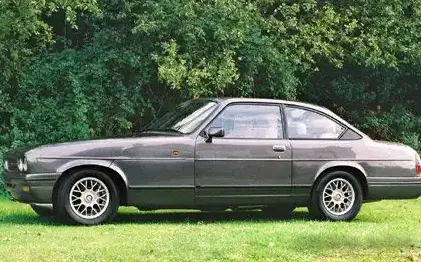
The Bristol Blenheim II 5.9i V6, produced between 1997 and 2000, represents a refined iteration of Bristol’s grand touring coupe. Positioned as the flagship engine option within the Blenheim II range, it offered a significant performance upgrade over the earlier 4.0-liter inline-six models. The Blenheim II itself was part of the broader Blenheim series, a lineage that continued Bristol’s tradition of hand-built, low-volume luxury automobiles. It was built on a modified version of the platform originally developed for the earlier Blenheim and Britannia models, emphasizing a blend of traditional craftsmanship and modern engineering. This variant catered to buyers seeking a powerful, exclusive, and distinctly British grand tourer.
Technical Specifications
| Brand | Bristol |
| Model | Blenheim |
| Generation | Blenheim II |
| Type (Engine) | 5.9 i V6 (265 Hp) |
| Start of production | 1997 |
| End of production | 2000 |
| Powertrain Architecture | Internal Combustion engine |
| Body type | Coupe |
| Seats | 4 |
| Doors | 2 |
| Fuel consumption (urban) | 18 l/100 km (13.1 US mpg) |
| Fuel consumption (extra urban) | 10 l/100 km (23.5 US mpg) |
| Fuel Type | Petrol (Gasoline) |
| Acceleration 0 – 100 km/h | 6.6 sec |
| Acceleration 0 – 62 mph | 6.6 sec |
| Acceleration 0 – 60 mph | 6.3 sec |
| Maximum speed | 252 km/h (156.59 mph) |
| Weight-to-power ratio | 6.6 kg/Hp |
| Weight-to-torque ratio | 3.8 kg/Nm |
| Power | 265 Hp @ 4000 rpm |
| Power per litre | 44.9 Hp/l |
| Torque | 460 Nm @ 3200 rpm (339.28 lb.-ft. @ 3200 rpm) |
| Engine Model/Code | Magnum |
| Engine displacement | 5898 cm3 (359.92 cu. in.) |
| Number of cylinders | 8 |
| Engine configuration | V-engine |
| Cylinder Bore | 101.6 mm (4 in.) |
| Piston Stroke | 90.93 mm (3.58 in.) |
| Compression ratio | 8.9:1 |
| Fuel injection system | Multi-port manifold injection |
| Engine aspiration | Naturally aspirated engine |
| Kerb Weight | 1740 kg (3836.04 lbs.) |
| Trunk (boot) space | 540 l (19.07 cu. ft.) |
| Fuel tank capacity | 82 l (21.66 US gal | 18.04 UK gal) |
| Length | 4825 mm (189.96 in.) |
| Width | 1765 mm (69.49 in.) |
| Height | 1440 mm (56.69 in.) |
| Wheelbase | 2900 mm (114.17 in.) |
| Front track | 1430 mm (56.3 in.) |
| Rear track | 1440 mm (56.69 in.) |
| Drivetrain Architecture | Rear wheel drive |
| Drive wheel | Rear wheel drive |
| Number of gears | 4 |
| Gearbox type | Automatic transmission |
| Front suspension | Coil spring |
| Rear suspension | Torsion |
| Front brakes | Disc |
| Rear brakes | Disc |
| Assisting systems | ABS (Anti-lock braking system) |
| Power steering | Hydraulic Steering |
| Tires size | 215/70 R15 |
| Wheel rims size | 15 |
Powertrain & Engine Architecture
The heart of the Blenheim II 5.9i is the Chrysler-sourced Magnum V8 engine, displacing 5.9 liters (359.92 cubic inches). While Bristol had historically favored six-cylinder engines, the adoption of the Magnum V8 represented a shift towards increased performance. This engine utilized a cast iron block and aluminum cylinder heads, featuring a multi-port fuel injection system. The engine produced 265 horsepower at 4000 rpm and a substantial 460 Nm (339.28 lb-ft) of torque at 3200 rpm. The 4-speed automatic transmission, sourced from Chrysler’s A727 Torqueflite family, was specifically chosen for its robustness and smooth operation, complementing the V8’s power delivery. It was a traditional torque converter automatic, prioritizing comfort and ease of use over outright performance or fuel efficiency.
Driving Characteristics
The combination of the 5.9-liter V8 and the automatic transmission resulted in a grand touring experience focused on effortless cruising and strong acceleration. While not as overtly sporty as some contemporary coupes, the Blenheim II 5.9i delivered a 0-60 mph time of around 6.3 seconds and a top speed of 156.59 mph. The automatic transmission, while smooth, did have relatively widely spaced gear ratios, meaning the engine didn’t always feel as responsive as it could. Compared to the earlier Blenheim models with manual transmissions, the 5.9i automatic sacrificed some driver engagement for increased convenience. The torque output of the V8, however, provided ample power for overtaking and maintaining high speeds on motorways.
Equipment & Trim Levels
The Blenheim II 5.9i was typically equipped with a high level of standard features, reflecting Bristol’s commitment to luxury. Interior appointments included Connolly leather upholstery, burr walnut veneer trim, and electric windows and mirrors. Air conditioning, a premium sound system, and heated front seats were also standard. Optional extras included a sunroof, upgraded audio systems, and bespoke interior trim options tailored to the customer’s preferences. The exterior was generally understated, with a focus on elegant lines rather than aggressive styling. The Blenheim II 5.9i was positioned as the top-of-the-line model, offering the most luxurious and powerful experience within the Blenheim range.
Chassis & Braking
The Blenheim II utilized a traditional body-on-frame construction, providing a robust and relatively lightweight chassis. Suspension consisted of coil springs at the front and a torsion bar setup at the rear. Disc brakes were fitted to all four wheels, providing adequate stopping power for the car’s weight and performance. Anti-lock braking system (ABS) was standard, enhancing safety. The suspension was tuned for comfort, prioritizing a smooth ride over sharp handling. The car rode on 15-inch wheels with 215/70 R15 tires.
Market Reception & Comparison
The Bristol Blenheim II 5.9i was never a high-volume seller, reflecting Bristol’s niche market position. Critics generally praised the car’s build quality, luxurious interior, and powerful engine. However, the car’s high price and somewhat dated technology were often cited as drawbacks. Compared to other grand tourers of the era, such as the BMW 6 Series or the Mercedes-Benz SL, the Blenheim II offered a more individual and handcrafted experience, but lacked the technological sophistication and brand recognition of its German rivals. Fuel economy was predictably poor, with figures of around 13.1 US mpg in urban driving and 23.5 US mpg on the highway.
Legacy
The Bristol Blenheim II 5.9i remains a sought-after vehicle among collectors and enthusiasts of British luxury automobiles. The Magnum V8 engine, while not known for its ultimate reliability, is generally robust when properly maintained. The automatic transmission is also considered durable. However, as with any low-volume, hand-built car, parts availability can be a challenge. Today, the Blenheim II 5.9i represents a unique and increasingly rare example of British automotive engineering, offering a distinctive blend of luxury, performance, and exclusivity. Its continued appeal lies in its handcrafted nature and its embodiment of a bygone era of automotive craftsmanship.