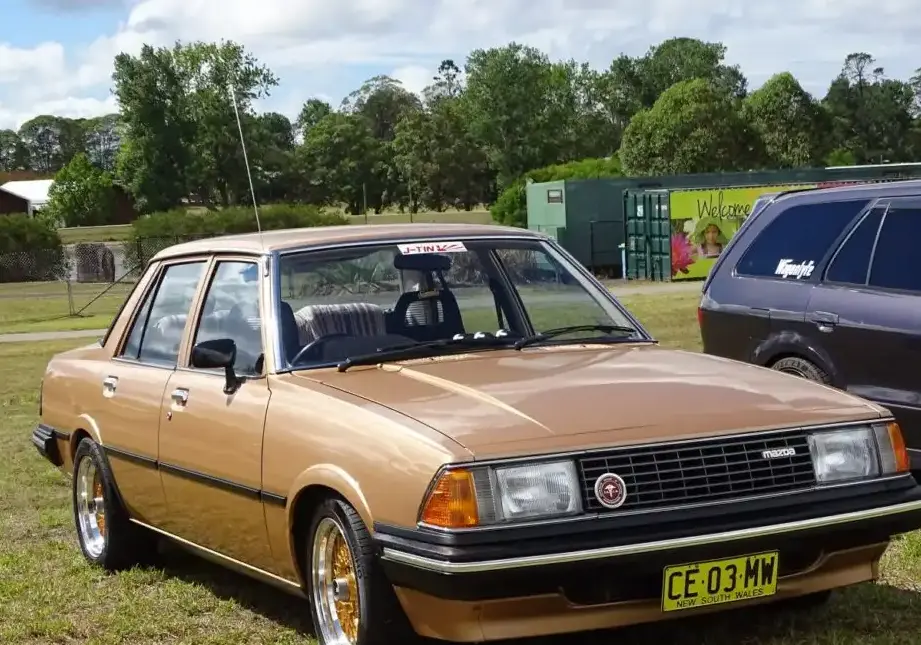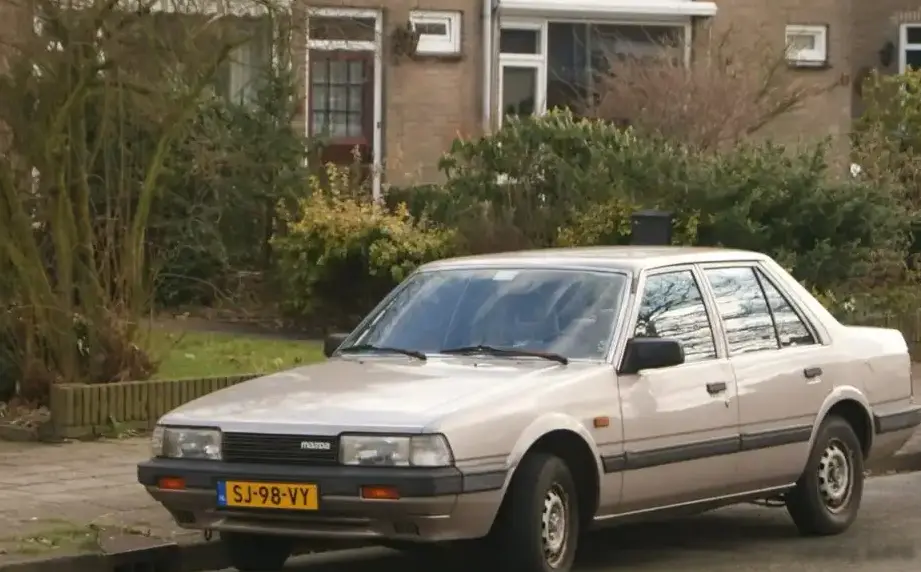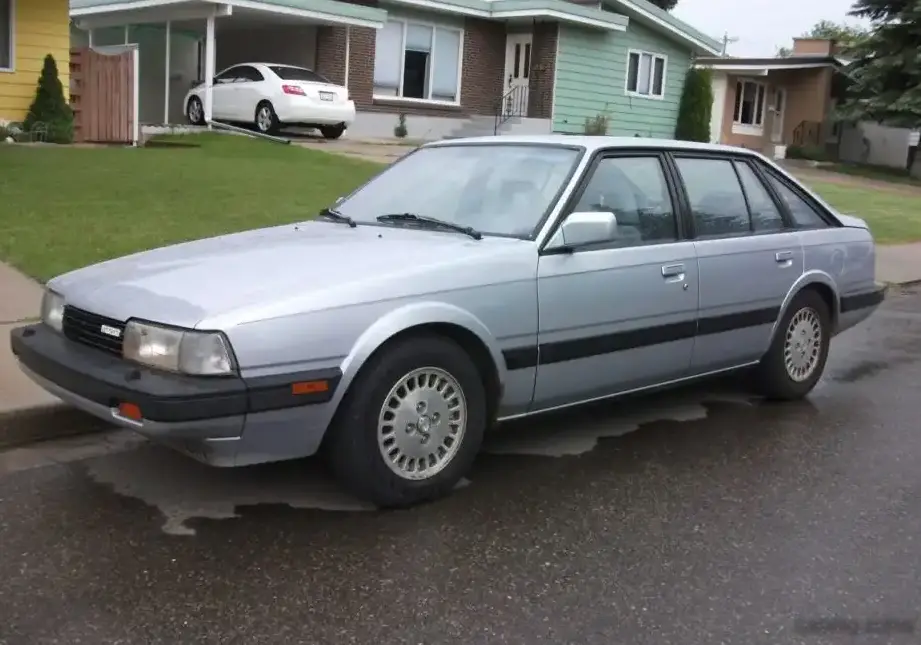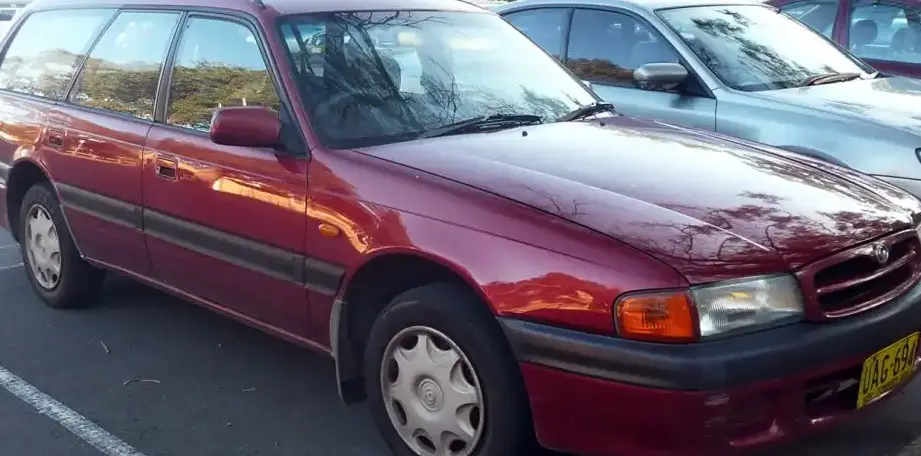
The Mazda 626 III Station Wagon (GV) 2.0, produced between 1988 and 1990, represented a practical and relatively affordable offering within Mazda’s lineup during that period. Falling within the third generation of the 626, designated the GV chassis code for the wagon variant, this model aimed to provide family-oriented transportation with a focus on space and economy. It served as the wagon body style counterpart to the popular 626 sedan and coupe, competing with similar offerings from Japanese and European manufacturers in the mid-size segment. This particular 2.0-liter, 90 horsepower version occupied a position as the base engine option for the wagon, prioritizing fuel efficiency and lower initial cost over outright performance.
Technical Specifications
| Brand | Mazda |
| Model | 626 |
| Generation | 626 III Station Wagon (GV) |
| Type (Engine) | 2.0 (90 Hp) |
| Start of production | 1988 |
| End of production | 1990 |
| Powertrain Architecture | Internal Combustion Engine |
| Body type | Station Wagon (Estate) |
| Fuel Type | Petrol (Gasoline) |
| Power | 90 Hp |
| Engine Aspiration | Naturally Aspirated |
Powertrain & Engine Architecture
The heart of the 626 III Station Wagon 2.0 was the Mazda F2 engine, a 1998cc (121.8 cubic inch) inline-four cylinder gasoline engine. This engine utilized a cast iron block and an aluminum cylinder head. The F2 featured a single overhead camshaft (SOHC) design operating two valves per cylinder. Fuel delivery was managed by Mazda’s electronically controlled fuel injection system, a significant advancement over earlier carbureted designs, contributing to improved fuel economy and reduced emissions. While not a high-performance engine, the F2 was known for its durability and relatively smooth operation. The 90 horsepower output was achieved at approximately 5200 rpm, with peak torque of around 128 lb-ft (174 Nm) at 3000 rpm.
This variant was typically paired with a four-speed automatic transmission. This transmission, while providing convenience, was geared towards fuel efficiency rather than spirited acceleration. It featured a traditional torque converter design and was not particularly sophisticated by modern standards. The automatic transmission contributed to a more relaxed driving experience, especially in city traffic, but at the expense of responsiveness compared to the available five-speed manual transmission.
Driving Characteristics
The 626 III Station Wagon 2.0 with the automatic transmission offered a comfortable, if not particularly exciting, driving experience. Acceleration was adequate for everyday driving, but passing maneuvers required careful planning. The automatic transmission’s gear ratios were optimized for fuel economy, resulting in a noticeable delay before downshifting for increased power. The engine felt somewhat strained when climbing hills or carrying a full load of passengers and cargo. Compared to the manual transmission version, the automatic noticeably reduced responsiveness. The suspension, tuned for comfort, provided a reasonably smooth ride over most road surfaces, but body roll was evident during cornering. Steering was light and easy, making it well-suited for urban driving. Overall, the driving experience prioritized practicality and ease of use over sporty handling or rapid acceleration.
Equipment & Trim Levels
The 2.0-liter automatic 626 III Station Wagon typically represented the base trim level for the wagon body style. Standard equipment generally included cloth upholstery, a basic AM/FM radio, and manual windows and door locks. Air conditioning was often an optional extra, as were power windows and locks. Interior trim was functional and durable, with a focus on practicality rather than luxury. The dashboard layout was straightforward and easy to use, with clearly labeled controls. Depending on the market, features like a rear window wiper, intermittent windshield wipers, and a tilt steering wheel might have been standard or optional. The wagon’s interior offered ample space for passengers and cargo, with a relatively flat load floor when the rear seats were folded down.
Chassis & Braking
The 626 III Station Wagon utilized a front independent suspension with MacPherson struts and a rear semi-independent torsion beam suspension. This suspension setup provided a good balance between ride comfort and handling. The chassis was a traditional body-on-frame construction, providing a robust and durable platform. Braking duties were handled by front disc brakes and rear drum brakes. The braking system was adequate for normal driving conditions, but lacked the stopping power of more modern systems. Power steering was standard, making it easy to maneuver the vehicle at low speeds. Stabilizer bars were typically fitted to both the front and rear axles to reduce body roll during cornering, although the thickness of these bars varied depending on the specific market and trim level.
Market Reception & Comparison
The Mazda 626 III Station Wagon 2.0 Automatic was generally well-received as a practical and affordable family vehicle. Critics praised its spacious interior, comfortable ride, and fuel efficiency. However, the engine’s lack of power and the automatic transmission’s sluggishness were common criticisms. Compared to other trims in the 626 lineup, such as the 2.6-liter V6 versions, the 2.0-liter automatic offered significantly less performance. However, it was more fuel-efficient and less expensive to purchase and maintain. Competitors in the same segment included the Toyota Camry Wagon, Honda Accord Wagon, and Nissan Maxima Wagon. The Mazda 626 offered a competitive combination of features, price, and reliability, making it a popular choice among budget-conscious buyers.
Legacy
The Mazda 626 III Station Wagon 2.0, while not a particularly groundbreaking vehicle, holds a place in automotive history as a reliable and practical family wagon. The F2 engine, while not known for its high performance, proved to be durable and relatively trouble-free. The automatic transmission, although somewhat dated, was generally reliable if properly maintained. Today, these wagons are relatively rare, but well-maintained examples are sought after by enthusiasts and collectors. The 626 III generation helped establish Mazda as a reputable manufacturer of reliable and affordable vehicles in the US market. The 2.0-liter automatic variant, while not the most desirable trim level, remains a testament to Mazda’s commitment to providing practical transportation solutions for families.