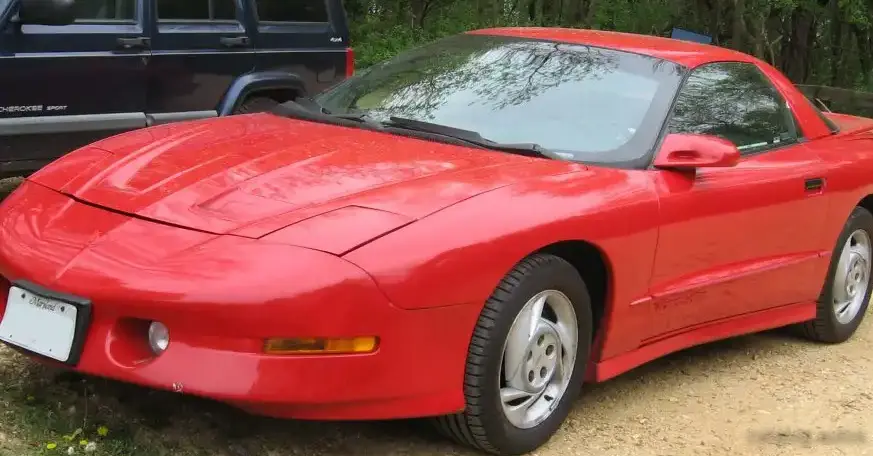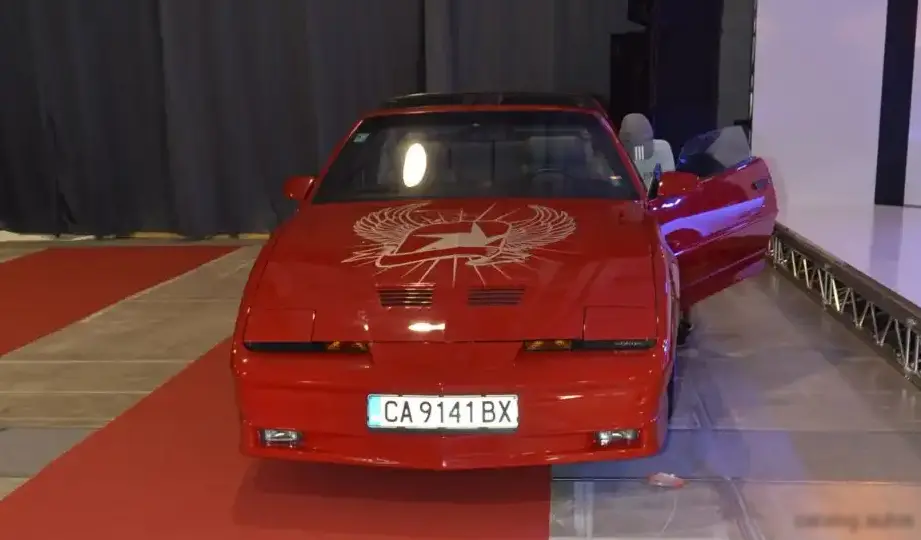
The Pontiac Firebird III, specifically the variant equipped with the 5.0-liter (305 cubic inch) V8 engine producing 145 horsepower, represents a significant entry point into the third-generation Firebird lineup. Produced from 1982 through 1989, this model served as the base-level engine option, offering a blend of affordability and the classic American V8 experience. It occupied a crucial position in Pontiac’s strategy to revitalize the Firebird, appealing to buyers seeking a sporty coupe without the higher price tag of the more powerful Trans Am or Formula models. This version of the Firebird aimed to deliver a balance between performance and fuel economy, making it a popular choice for everyday driving.
Technical Specifications
| Brand | Pontiac |
| Model | Firebird |
| Generation | Firebird III |
| Engine Type | 5.0 V8 (145 Hp) |
| Production Years | 1982 – 1989 |
| Powertrain Architecture | Internal Combustion Engine |
| Body Type | Coupe |
| Doors | 2 |
| Fuel Type | Petrol (Gasoline) |
| Power | 145 Hp |
| Engine Aspiration | Naturally Aspirated |
| Engine Oil Capacity | 4.7 l (4.97 US qt | 4.14 UK qt) |
| Coolant Capacity | 16.5 l (17.44 US qt | 14.52 UK qt) |
| Fuel Tank Capacity | 60.5 l (15.98 US gal | 13.31 UK gal) |
| Length | 4833 mm (190.28 in) |
| Width | 1838 mm (72.36 in) |
| Height | 1264 mm (49.76 in) |
Powertrain & Engine Architecture
The heart of this Firebird variant is the 305 cubic inch (5.0 liter) Chevrolet small-block V8 engine. Designated as the LG4 in early years, this engine was a relatively simple design, prioritizing reliability and affordability over outright performance. It featured a two-barrel carburetor, cast iron cylinder heads, and a relatively low 8.46:1 compression ratio. This configuration resulted in 145 horsepower and approximately 225 lb-ft of torque. The engine was paired with a three-speed automatic transmission (TH700R4), which was chosen for its smooth operation and ease of use, appealing to a broader range of drivers. The automatic transmission featured a torque converter lockup mechanism to improve fuel efficiency at highway speeds. While not a high-performance setup, the powertrain provided adequate power for comfortable cruising and occasional spirited driving.
Driving Characteristics
The 145 hp Firebird offered a distinctly different driving experience compared to its more powerful siblings. Acceleration was respectable, but not exhilarating, with 0-60 mph times typically falling in the 9-10 second range. The automatic transmission’s gear ratios were optimized for fuel economy and smooth shifts, rather than aggressive acceleration. This resulted in a more relaxed driving experience, suitable for daily commuting and long highway trips. Compared to the 5-speed manual transmission available on other Firebird models, the automatic offered less driver involvement but greater convenience. The lower horsepower also meant that the base Firebird didn’t exhibit the same level of cornering prowess as the Formula or Trans Am, which benefited from stiffer suspensions and wider tires. However, the Firebird’s relatively light weight helped to mitigate some of these shortcomings.
Equipment & Trim Levels
The base Firebird, equipped with the 5.0L V8 and automatic transmission, was positioned as the entry-level model. Standard features included cloth upholstery, a basic AM/FM radio, and manual windows and locks. The interior was functional and straightforward, prioritizing practicality over luxury. Optional extras included air conditioning, power windows and locks, a premium sound system, and upgraded interior trim. The exterior typically featured a relatively simple appearance, with minimal aerodynamic enhancements compared to the more aggressive styling of the Trans Am. Wheel options ranged from standard steel wheels with hubcaps to optional aluminum wheels. The overall trim level was designed to appeal to buyers seeking an affordable and stylish coupe without the added cost of premium features.
Chassis & Braking
The third-generation Firebird utilized a unibody construction, providing a good balance of strength and weight. The suspension consisted of independent front suspension with coil springs and a solid rear axle with coil springs. The base Firebird typically featured smaller tires and narrower wheels compared to the higher-performance models. Braking duties were handled by power-assisted disc brakes in the front and drum brakes in the rear. While adequate for everyday driving, the rear drum brakes were a point of criticism compared to the disc brakes offered on the Formula and Trans Am. A stabilizer bar was included in both the front and rear suspension to reduce body roll during cornering.
Market Reception & Comparison
The 145 hp Firebird was generally well-received as an affordable and stylish entry into the pony car market. Critics acknowledged its comfortable ride and adequate performance for everyday driving. However, it was often overshadowed by the more powerful and visually striking Trans Am and Formula models. Fuel economy was a key selling point, with the 5.0L V8 and automatic transmission achieving around 17-20 mpg in combined driving. Compared to the 3.8L V6 engine option, the 5.0L V8 offered a noticeable increase in power, albeit at the expense of slightly lower fuel economy. Reliability was generally good, with the 305 V8 being a well-proven and durable engine. However, like all vehicles of this era, proper maintenance was crucial to prevent issues.
Legacy
Today, the 1982-1989 Pontiac Firebird III with the 5.0L V8 and automatic transmission represents an accessible entry point into the world of classic American muscle cars. While not as highly sought after as the Trans Am, these models offer a unique blend of style, affordability, and the iconic V8 rumble. The powertrain is generally considered reliable, although age and mileage can necessitate repairs. Parts availability is good, thanks to the widespread use of Chevrolet components. In the used car market, these Firebirds typically command lower prices than their higher-performance counterparts, making them an attractive option for enthusiasts on a budget. They remain a popular choice for restoration projects and continue to be enjoyed by classic car enthusiasts across the country.