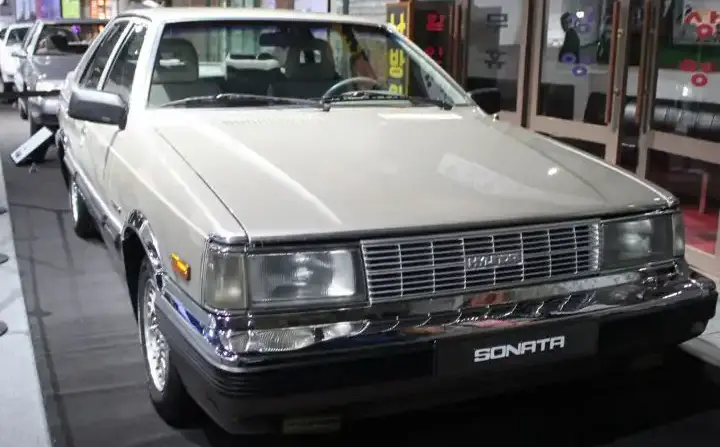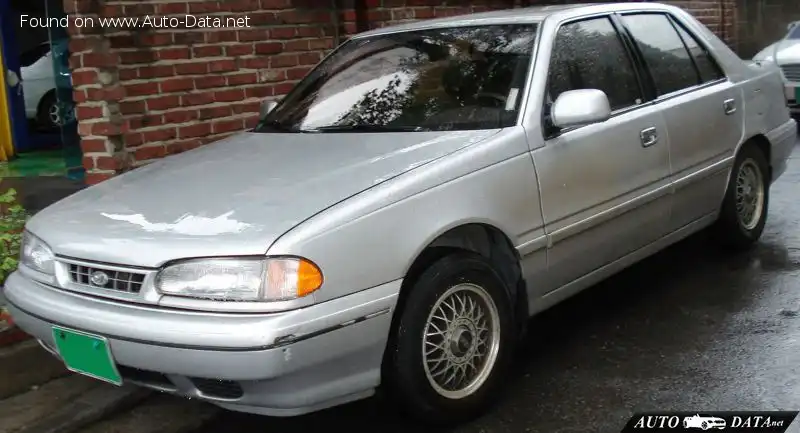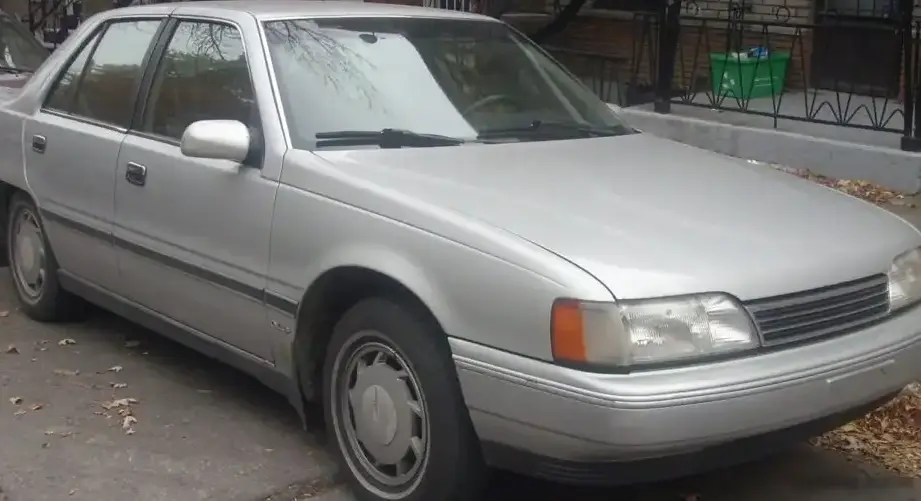
The Hyundai Sonata II (Y2), specifically the 2.4-liter variant producing 117 horsepower, was a pivotal model for the South Korean automaker as it sought to establish a foothold in international markets. Produced between 1988 and 1991, this generation represented a significant step forward in Hyundai’s design and engineering capabilities. The Y2 Sonata aimed to offer a comfortable and relatively affordable mid-size sedan, primarily targeting family buyers. This 2.4L engine option positioned itself as a step up from the base models, offering improved performance without the higher cost of potential future, more powerful trims. It was a key component of Hyundai’s strategy to be seen as a legitimate competitor to established Japanese and American brands.
Technical Specifications
| Brand | Hyundai |
| Model | Sonata |
| Generation | Sonata II (Y2) |
| Type (Engine) | 2.4 (117 Hp) |
| Start of production | 1988 |
| End of production | 1991 |
| Powertrain Architecture | Internal Combustion engine |
| Body type | Sedan |
| Seats | 5 |
| Doors | 4 |
| Fuel consumption (combined) | 8.4 l/100 km (28 US mpg, 33.6 UK mpg, 11.9 km/l) |
| Fuel Type | Petrol (Gasoline) |
| Maximum speed | 190 km/h (118.06 mph) |
| Weight-to-power ratio | 10.6 kg/Hp, 94.4 Hp/tonne |
| Weight-to-torque ratio | 6.4 kg/Nm, 155.6 Nm/tonne |
| Power | 117 Hp @ 4500 rpm |
| Power per litre | 49.8 Hp/l |
| Torque | 193 Nm @ 3500 rpm (142.35 lb.-ft. @ 3500 rpm) |
| Engine layout | Front, Transverse |
| Engine displacement | 2351 cm3 (143.47 cu. in.) |
| Number of cylinders | 4 |
| Engine configuration | Inline |
| Cylinder Bore | 86.5 mm (3.41 in.) |
| Piston Stroke | 100 mm (3.94 in.) |
| Compression ratio | 8.6:1 |
| Number of valves per cylinder | 2 |
| Fuel injection system | Multi-port manifold injection |
| Engine aspiration | Naturally aspirated engine |
| Valvetrain | OHC |
| Kerb Weight | 1240 kg (2733.73 lbs.) |
| Trunk (boot) space – minimum | 473 l (16.7 cu. ft.) |
| Fuel tank capacity | 60 l (15.85 US gal | 13.2 UK gal) |
| Length | 4680 mm (184.25 in.) |
| Width | 1750 mm (68.9 in.) |
| Height | 1410 mm (55.51 in.) |
| Wheelbase | 2650 mm (104.33 in.) |
| Front track | 1461 mm (57.52 in.) |
| Rear (Back) track | 1440 mm (56.69 in.) |
| Drivetrain Architecture | The Internal combustion engine (ICE) drives the front wheels of the vehicle. |
| Drive wheel | Front wheel drive |
| Number of gears and type of gearbox | 5 gears, manual transmission |
| Front suspension | Independent, type McPherson with coil spring and anti-roll bar |
| Rear suspension | Coil spring |
| Front brakes | Ventilated discs |
| Rear brakes | Drum |
| Assisting systems | ABS (Anti-lock braking system) |
| Steering type | Steering rack and pinion |
| Power steering | Hydraulic Steering |
| Tires size | 185/70 R14 |
| Wheel rims size | 14 |
Powertrain & Engine Architecture
The heart of the Sonata II 2.4 was the Mitsubishi-sourced 4G64 inline-four cylinder engine. This 2.4-liter engine featured a cast iron block and an aluminum cylinder head, a common configuration for the era. The engine utilized a multi-port fuel injection system, which improved fuel efficiency and throttle response compared to earlier carbureted designs. The overhead camshaft (OHC) valvetrain, with two valves per cylinder, was relatively simple but effective. The 4G64 produced 117 horsepower at 4500 rpm and 193 Nm (142.35 lb-ft) of torque at 3500 rpm. This engine was known for its durability and relatively straightforward maintenance. The standard transmission was a five-speed manual, providing drivers with a reasonable degree of control. While an automatic transmission was offered, it wasn’t as common and often impacted performance.
Driving Characteristics
The 2.4-liter Sonata II offered a noticeable improvement in performance over the base engine options. While not a sports sedan, it provided adequate acceleration for everyday driving and highway merging. The five-speed manual transmission allowed drivers to keep the engine in its optimal power band, resulting in a more engaging driving experience. The automatic transmission, while convenient, did diminish acceleration and fuel economy. The suspension, featuring McPherson struts in the front and a coil spring setup in the rear, provided a comfortable ride, though it wasn’t particularly sporty. Steering was via a hydraulic rack and pinion system, offering reasonable precision. The weight-to-power ratio of 10.6 kg/Hp meant that the car wasn’t particularly quick, but it was manageable for most drivers.
Equipment & Trim Levels
The Sonata II 2.4 typically came with a fairly basic level of standard equipment. This included cloth upholstery, a simple dashboard layout with analog gauges, and manual windows and locks. Air conditioning was often an optional extra, as were features like a cassette player and upgraded interior trim. The focus was on providing a functional and affordable vehicle. Higher trim levels, if available, might have included features like power windows, central locking, and a more sophisticated audio system. The interior design was functional but lacked the refinement of some of its Japanese competitors.
Chassis & Braking
The Sonata II utilized a front-wheel-drive layout, which was becoming increasingly common in the mid-size sedan segment. The front suspension employed independent McPherson struts with coil springs and an anti-roll bar, providing a decent level of ride comfort and handling. The rear suspension used a simpler coil spring setup. Braking duties were handled by ventilated discs in the front and drum brakes in the rear. An anti-lock braking system (ABS) was available, but not standard on all trims. The tires were typically 185/70 R14, mounted on 14-inch steel wheels.
Market Reception & Comparison
The Hyundai Sonata II 2.4 was generally well-received as a value-oriented mid-size sedan. Critics praised its spacious interior, comfortable ride, and relatively affordable price. However, it was often criticized for its lack of refinement compared to established Japanese competitors like the Toyota Camry and Honda Accord. The 2.4-liter engine offered a good balance of performance and fuel economy, but it wasn’t as powerful or sophisticated as some of the V6 options available from other manufacturers. Compared to the base engine options within the Sonata II lineup, the 2.4L provided a significant performance boost, making it a more appealing choice for drivers who frequently drove on the highway or carried passengers.
Legacy
The Hyundai Sonata II 2.4 played a crucial role in establishing Hyundai as a viable competitor in the global automotive market. While not known for exceptional performance or groundbreaking technology, it offered a reliable and affordable transportation solution. The 4G64 engine proved to be durable and relatively easy to maintain, contributing to the car’s longevity. Today, the Sonata II 2.4 is a relatively rare sight on the roads, but it remains a popular choice among enthusiasts looking for a classic, affordable, and reliable Korean sedan. Parts availability can be a challenge, but the engine’s simplicity makes it relatively easy to repair. The car represents a significant milestone in Hyundai’s history, marking its transition from a domestic manufacturer to a global automotive player.