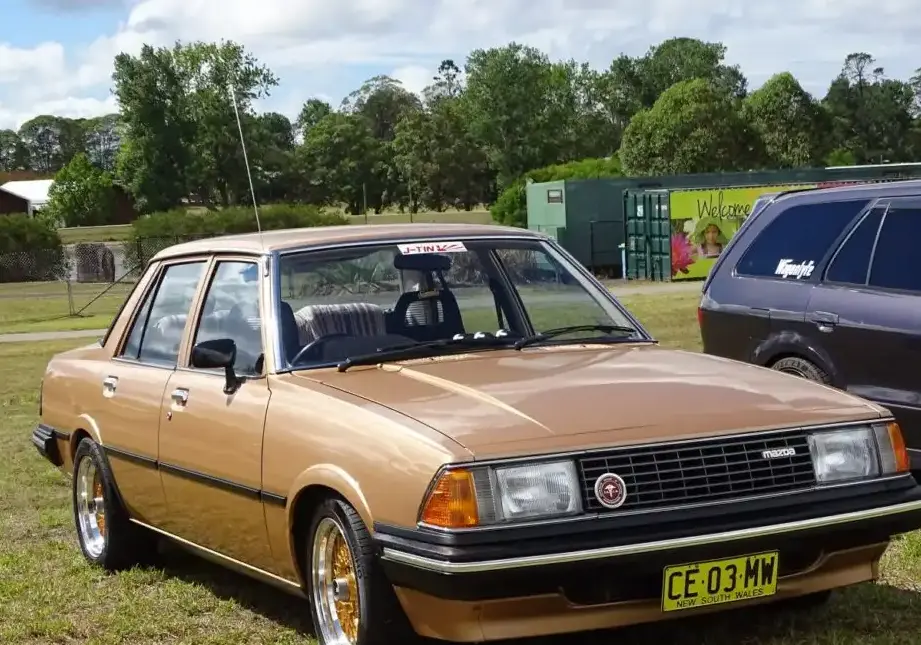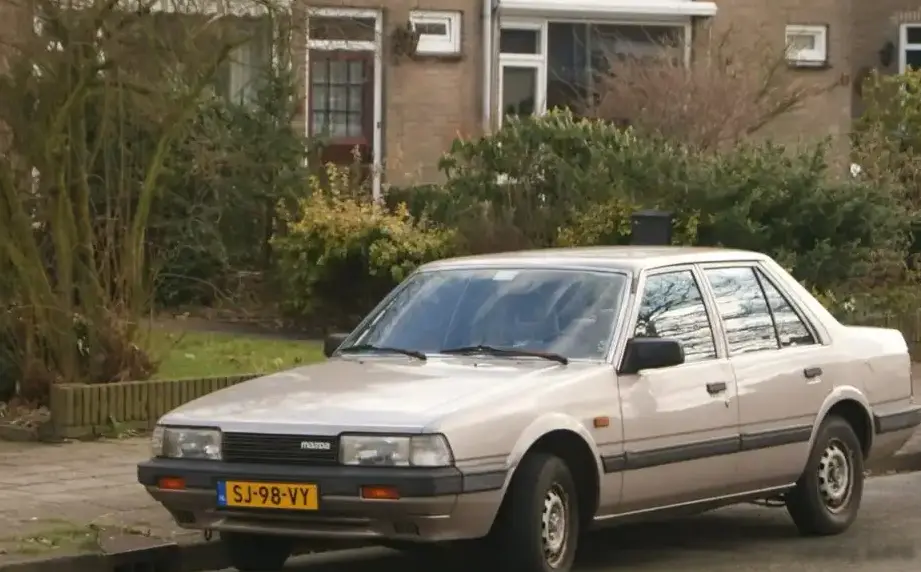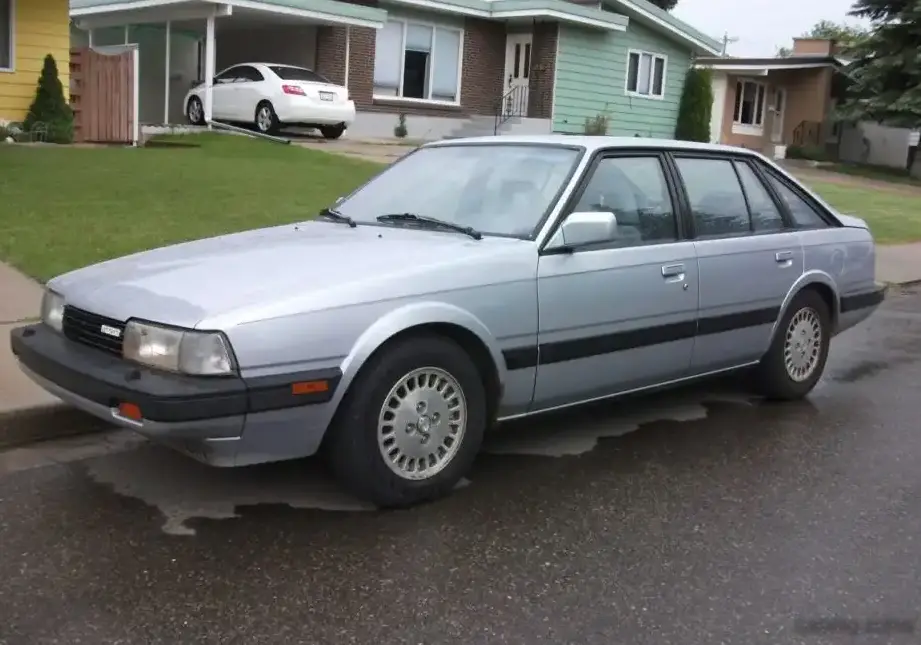
The Mazda 626 IV Station Wagon 2.0 D (75 hp) was a diesel-powered variant of the fourth-generation Mazda 626, produced between 1994 and 1998. Positioned as an economy-focused option within the 626 range, it offered practicality and fuel efficiency for families and those needing a versatile vehicle. This model was primarily sold in European markets, where diesel station wagons were highly popular. It represented Mazda’s attempt to cater to a segment prioritizing low running costs and cargo capacity over outright performance. The 626 IV series (codenamed GE) was a significant update over its predecessor, offering improved styling, safety features, and a more refined driving experience.
Technical Specifications
| Brand | Mazda |
| Model | 626 |
| Generation | 626 IV Station Wagon |
| Type (Engine) | 2.0 D (75 Hp) |
| Start of production | 1994 |
| End of production | 1998 |
| Powertrain Architecture | Internal Combustion engine |
| Body type | Station wagon (estate) |
| Seats | 5 |
| Doors | 5 |
| Fuel consumption (combined) | 6.7 l/100 km (35.1 US mpg, 42.2 UK mpg, 14.9 km/l) |
| Fuel Type | Diesel |
| Acceleration 0 – 100 km/h | 14.7 sec |
| Acceleration 0 – 62 mph | 14.7 sec |
| Acceleration 0 – 60 mph | 14 sec |
| Maximum speed | 160 km/h (99.42 mph) |
| Weight-to-power ratio | 17.4 kg/Hp, 57.5 Hp/tonne |
| Weight-to-torque ratio | 7.7 kg/Nm, 129.5 Nm/tonne |
| Power | 75 Hp @ 4000 rpm |
| Power per litre | 37.5 Hp/l |
| Torque | 169 Nm @ 2000 rpm (124.65 lb.-ft. @ 2000 rpm) |
| Engine layout | Front, Transverse |
| Engine Model/Code | RF55 |
| Engine displacement | 1998 cm3 (121.93 cu. in.) |
| Number of cylinders | 4 |
| Engine configuration | Inline |
| Cylinder Bore | 86 mm (3.39 in.) |
| Piston Stroke | 86 mm (3.39 in.) |
| Compression ratio | 21.1:1 |
| Number of valves per cylinder | 2 |
| Fuel injection system | Precombustion chamber injection |
| Engine aspiration | Naturally Aspirated |
| Engine oil capacity | 5.5 l (5.81 US qt | 4.84 UK qt) |
| Coolant capacity | 5.5 l (5.81 US qt | 4.84 UK qt) |
| Kerb Weight | 1305 kg (2877.03 lbs.) |
| Max. weight | 1840 kg (4056.51 lbs.) |
| Max load | 535 kg (1179.47 lbs.) |
| Trunk (boot) space – minimum | 430 l (15.19 cu. ft.) |
| Trunk (boot) space – maximum | 1315 l (46.44 cu. ft.) |
| Fuel tank capacity | 60 l (15.85 US gal | 13.2 UK gal) |
| Length | 4600 mm (181.1 in.) |
| Width | 1690 mm (66.54 in.) |
| Height | 1465 mm (57.68 in.) |
| Wheelbase | 2575 mm (101.38 in.) |
| Front track | 1455 mm (57.28 in.) |
| Rear track | 1465 mm (57.68 in.) |
| Drivetrain Architecture | Front wheel drive |
| Number of gears and type of gearbox | 5 gears, manual transmission |
| Front suspension | Wishbone |
| Rear suspension | Trailing arm |
| Front brakes | Ventilated discs |
| Rear brakes | Disc |
| Assisting systems | ABS (Anti-lock braking system) |
| Steering type | Steering rack and pinion |
| Power steering | Hydraulic |
| Tires size | 185/70 R14 88 S |
| Wheel rims size | 5.5J x 14 ET 45 |
Introduction
The Mazda 626 IV Station Wagon 2.0 D (75 hp), produced from 1994 to 1998, was a practical and fuel-efficient offering in the European market. It was part of the GE series of the 626, which represented a significant step forward in design and engineering for Mazda. This variant specifically targeted buyers seeking a spacious, reliable, and economical vehicle for family use or carrying cargo. The 2.0 D model occupied the lower end of the 626 IV range, providing a more affordable entry point compared to the gasoline-powered options.
Powertrain & Engine Architecture
The heart of the 626 IV 2.0 D was the RF55 engine, a 1998cc inline-four cylinder diesel. This engine utilized a precombustion chamber injection system, a common technology for diesel engines of that era. This system involved injecting fuel into a small pre-chamber within the cylinder head, where it partially combusted before igniting the main charge. This improved combustion efficiency and reduced engine noise compared to direct injection systems. The engine produced 75 horsepower at 4000 rpm and 169 Nm (124.65 lb-ft) of torque at 2000 rpm. The engine featured an overhead camshaft (OHC) valvetrain with two valves per cylinder. The engine was transversely mounted in the front of the vehicle. The 626 2.0 D was equipped with a five-speed manual transmission, chosen for its efficiency and cost-effectiveness. The transmission’s gear ratios were optimized for fuel economy and everyday driving, rather than outright performance.
Driving Characteristics
The 626 IV 2.0 D, with its 75 hp and relatively low torque output, was not a performance-oriented vehicle. Acceleration was modest, taking approximately 14.7 seconds to reach 100 km/h (62 mph). However, the engine provided adequate power for cruising on highways and navigating city streets. The five-speed manual transmission allowed drivers to keep the engine in its optimal torque range, maximizing fuel efficiency. Compared to the gasoline-powered 626 variants, the diesel offered significantly better fuel economy, but at the expense of acceleration and refinement. The diesel engine was noticeably louder and produced more vibration than its gasoline counterparts. The suspension was tuned for comfort, providing a reasonably smooth ride, although it could feel somewhat soft when carrying a full load.
Equipment & Trim Levels
The 2.0 D trim level of the Mazda 626 IV Station Wagon was generally considered the base model. Standard equipment typically included power steering, central locking, and basic instrumentation. Interior upholstery was usually cloth, and the dashboard featured a functional, if somewhat plain, design. Optional extras available for this trim included air conditioning, electric windows, and a radio/cassette player. Higher trim levels, such as the V6 models, offered more luxurious features like leather upholstery, alloy wheels, and upgraded audio systems. The 2.0 D focused on providing essential features at an affordable price point.
Chassis & Braking
The 626 IV Station Wagon utilized a front-wheel-drive layout with independent wishbone suspension at the front and a trailing arm suspension at the rear. This suspension setup provided a good balance between ride comfort and handling. The front brakes were ventilated discs, offering good stopping power, while the rear brakes were solid discs. An Anti-lock Braking System (ABS) was standard, enhancing safety by preventing wheel lockup during hard braking. The steering was a rack and pinion system with hydraulic power assistance, providing precise and responsive steering feel. The vehicle rode on 185/70 R14 tires, which offered a good compromise between grip and ride comfort.
Market Reception & Comparison
The Mazda 626 IV 2.0 D was generally well-received in European markets as a practical and economical station wagon. Critics praised its fuel efficiency and spacious interior, but noted its lack of performance compared to gasoline-powered rivals. Compared to other diesel station wagons of the time, such as the Ford Mondeo or Volkswagen Passat, the 626 offered a competitive level of equipment and a slightly more engaging driving experience. The 2.0 D was often seen as a sensible choice for families and those who prioritized running costs over driving thrills. Its reliability was generally considered good, although diesel engines of this era could be prone to issues with fuel injectors and turbochargers (though this model was naturally aspirated).
Legacy
The Mazda 626 IV 2.0 D, while not a particularly exciting vehicle, proved to be a reliable and durable workhorse for many owners. The RF55 diesel engine, while not known for its power, was generally robust and capable of high mileage with proper maintenance. Today, these vehicles are relatively rare, but well-maintained examples are sought after by enthusiasts and those looking for a classic, economical station wagon. The 626 IV series as a whole helped to establish Mazda as a reputable manufacturer of family cars in Europe, paving the way for future models like the Mazda 6. The 2.0 D variant remains a testament to the demand for fuel-efficient and practical vehicles in the 1990s.